
Exploring the Valley of Rephaim through Maps


The Valley of Rephaim holds a prominent place in history, known for its connection to ancient battles and its geographical significance near Jerusalem. This article explores this historic site through detailed maps, offering a window into its past and present, and uncovering the landscape that once witnessed significant historical narratives. Its strategic location made it a site of numerous historical events, deeply embedding it in the region’s history.
Its proximity to Jerusalem made this area crucial for defense and trade, influencing the power dynamics of the region. As we delve into its history, we uncover stories of courage and resilience that continue to resonate today. By examining its role in historical events, we gain a greater appreciation for its legacy and its impact on the cultural and historical landscape of Israel.
from the Western Wall to Masada.
Where Is the Valley of Rephaim Located?
The Valley of Rephaim is situated southwest of Jerusalem. This area serves as a natural corridor, historically linking the Judean Hills with the coastal plains. It is mentioned in several historical texts as a site of significant military engagements. Its location near the bustling city of Jerusalem underscores its strategic importance in historical contexts.
The use of this area as a pathway for chariots and armies highlights its geographical relevance. It provided an accessible route between important territories, often determining the power dynamics in the region. Today, one can observe how the ancient routes have been integrated into modern roadways that still traverse this historical landscape. These routes continue to serve as vital connections, linking past and present.
Its strategic importance is further emphasized by its mention in historical texts, where it served as a battleground for significant conflicts. This historical continuity is a sign of its enduring relevance. As we explore these ancient pathways, we gain insights into the military strategies and logistical considerations of past civilizations, enhancing our understanding of the region’s history.
History of the Valley of Rephaim
The Valley of Rephaim is associated with significant historical battles. These events cemented its place in history as a symbol of strategic importance.
This area is also mentioned in the context of other historical battles, underscoring its role as a recurring site of conflict. Its open terrain made it an ideal location for large-scale military maneuvers. These historical battles contributed to the region’s strategic landscape and shaped the legacy that continues to be studied and explored through archaeological findings today.
What Do Maps Reveal About the Valley?
Maps of the Valley of Rephaim offer a fascinating glimpse into its topography and strategic location. Historical maps highlight its role as a key artery connecting various ancient territories.
This visualization helps historians understand movement patterns, trade routes, and military campaigns that defined the region. Modern maps continue to reflect these ancient paths, showing continuity in usage over millennia.
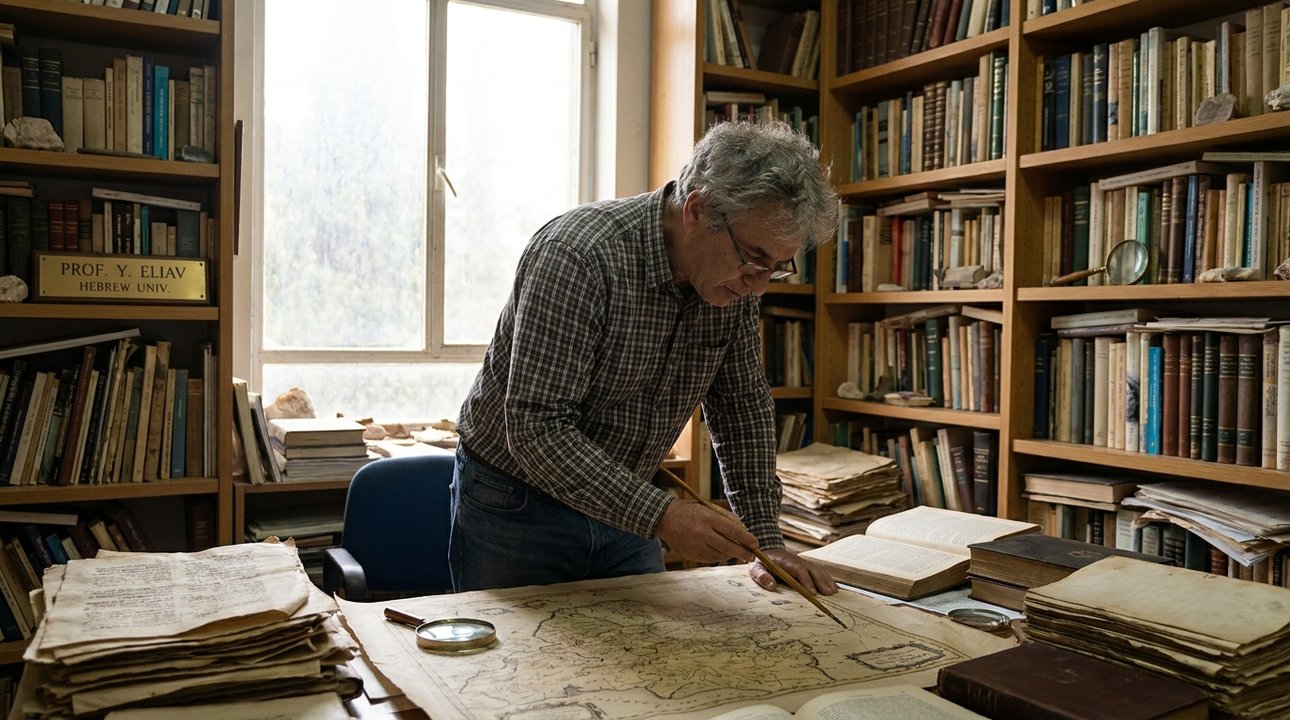
Through a combination of topographical studies and ancient scripts, maps allow for a deeper appreciation of its role in past civilizations. Maps from the 19th century, such as those by Charles Warren, provide detailed insights into the area’s geography. They not only chart the physical terrain but also evoke the history embedded in the landscape, portraying the enduring connection between the land and its historical narratives. These maps serve as a bridge to the past, helping us visualize ancient journeys.
The maps highlight key locations mentioned in historical texts, such as the strategic routes used by armies. By studying these maps, we can trace the movements of historical figures and gain insights into its significance in military and trade contexts. This cartographic evidence enriches our understanding of its multifaceted history, making it an invaluable tool for historians and enthusiasts alike.
Rephaim in Historical Context
The Rephaim are often described in ancient lore, contributing to the area’s mysterious allure. Mentioned alongside tribes like the Anakim, the Rephaim are part of narratives that explore the ancient inhabitants of the land. These connections shed light on its mythical reputation in historical context.
In ancient texts, the Rephaim are identified with giants, creating associations that extend beyond physical presence to symbolic interpretations. The Rephaim, often linked with the Anakim, are described as formidable beings, adding an aura of mystery to the area. The references intertwine its topography with tales of ancient peoples, adding layers to its historical and cultural role. This connection enriches our understanding of the land’s role in historical narratives.
Archaeological Discoveries in the Valley
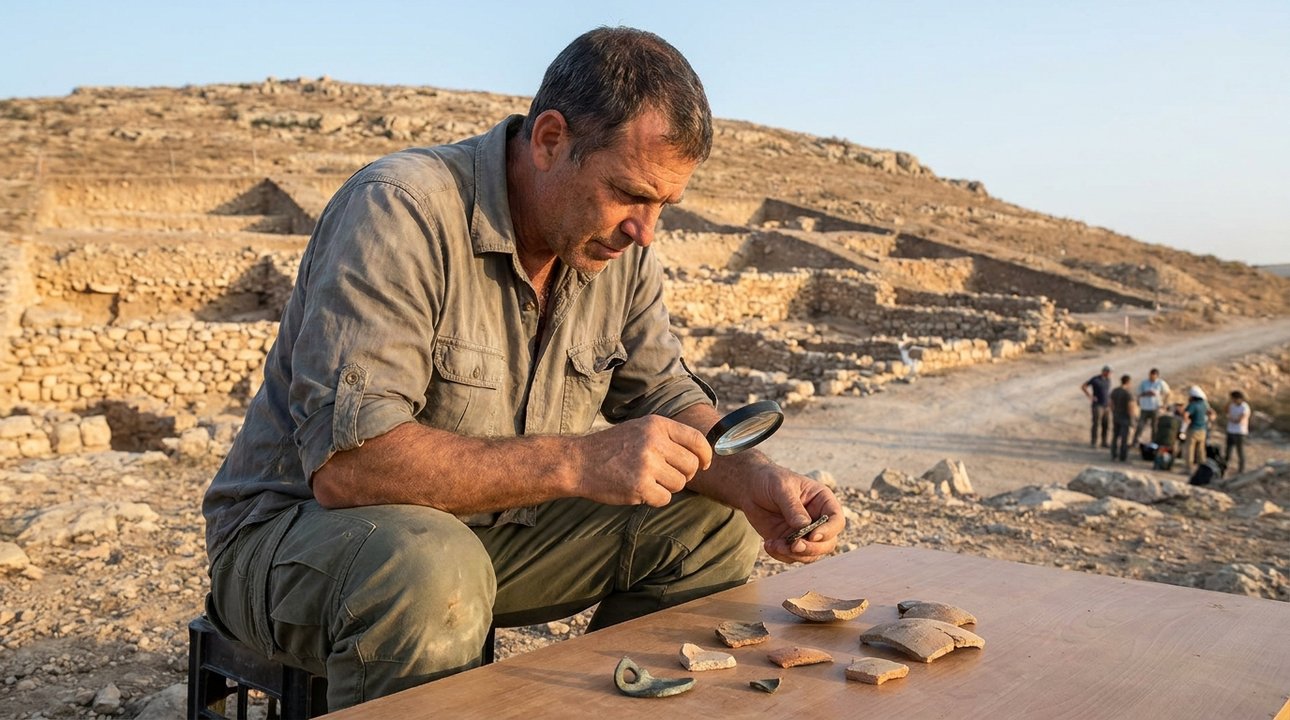
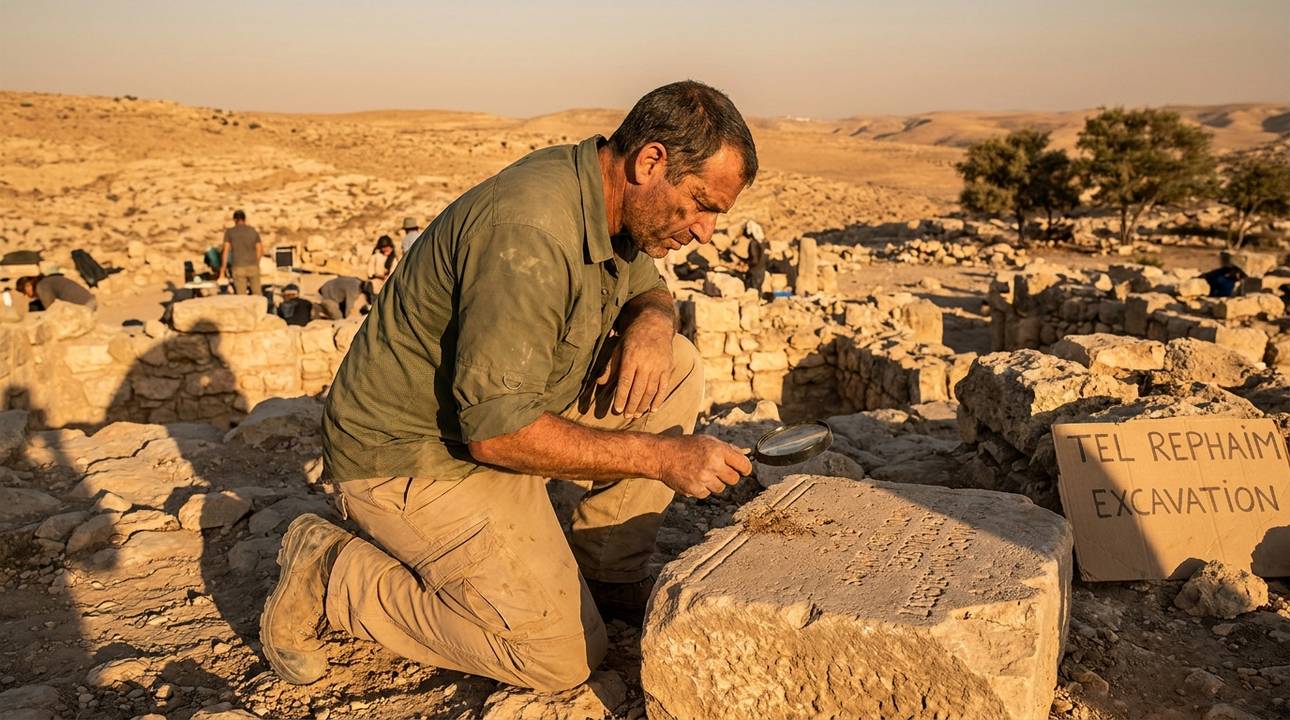
Archaeological excavations in the Valley of Rephaim have uncovered artifacts that provide insights into its historical role. Pottery shards, ancient tools, and remnants of fortifications suggest active settlement and defense mechanisms. These findings offer tangible evidence of its historical narrative. Discoveries like these help us piece together the daily lives of those who once inhabited the area, enriching our understanding of their culture and society.
from the Western Wall to Masada.
The artifacts unearthed here, such as those from the Iron Age, provide a glimpse into the technological advancements of the time. These discoveries reveal its role as a hub of activity and innovation. By examining these remnants, we gain a deeper appreciation for its significance in the broader context of Israel’s history, highlighting its contribution to the development of ancient societies.
Key discoveries include evidence of agricultural practices, reflecting its use as a fertile farming ground. Excavations have revealed ancient terraces and irrigation systems, indicative of advanced farming techniques. The amalgamation of archaeological evidence with historical texts paints a complete picture of life in this ancient landscape, deepening our understanding of its importance in Israel’s history. Such findings highlight its role as a vital resource for sustenance and survival.
Its agricultural history is further supported by references in ancient texts, which mention the harvests of the Rephaim Valley. These insights underscore its significance as a breadbasket for ancient communities. By examining these elements, we gain a fuller appreciation of how it supported life and influenced the development of the region’s culture and economy.
The Valley of Rephaim Today
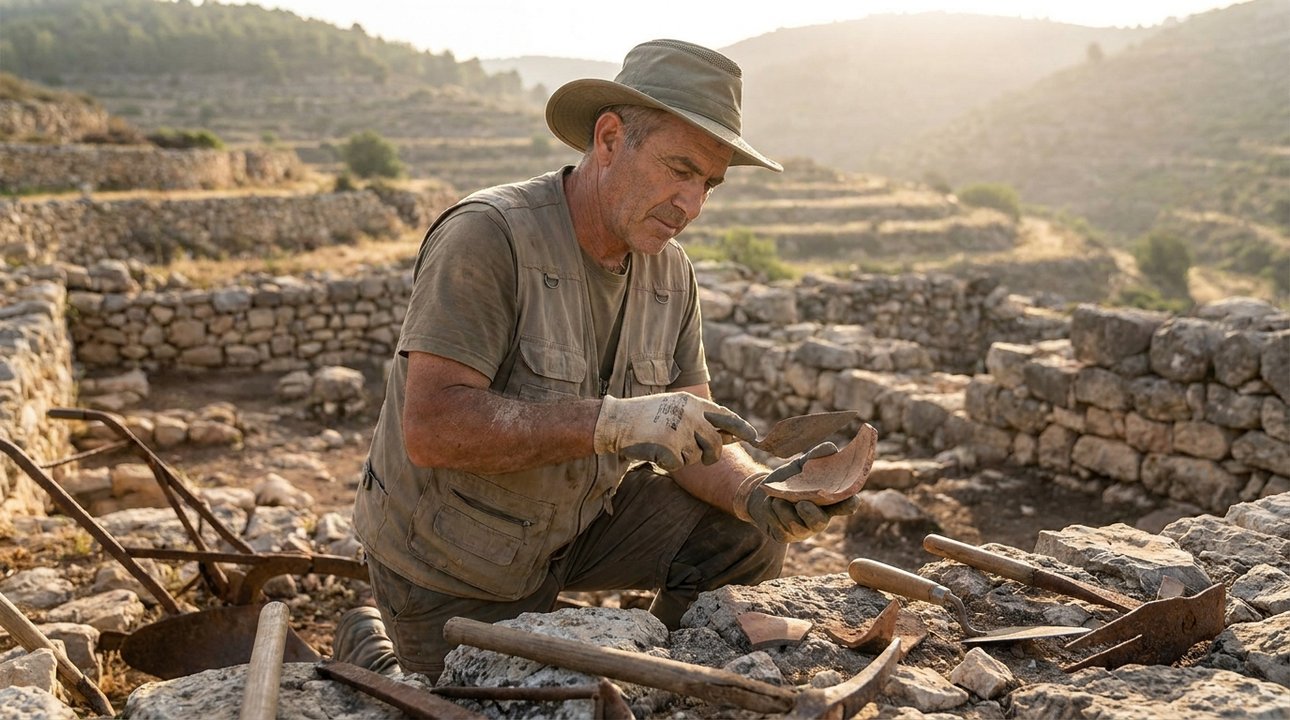
Today, the Valley of Rephaim is an area intersected by modern infrastructure yet retains its historical allure. Roads like the Begin Highway now cross it, illustrating the blend of past and present.
Urban development juxtaposes the ancient paths, providing a glimpse of continuity and change within the landscape. Despite the modernity, its historical essence remains palpable, reminding us of its ancient stories.
This area remains a sign of its historical and geographical significance. It continues to be a place where history and contemporary life coexist, offering a unique perspective on the evolution of the region. For visitors, the Valley of Rephaim serves as a bridge between eras, worth exploring and reflection on its legacy.
The preservation of its natural beauty alongside urban growth reflects a respect for its past. Initiatives like the Jerusalem Park project aim to protect its landscapes while accommodating modern needs.
Local initiatives often focus on maintaining this balance, allowing both residents and visitors to connect with the historical narrative. By preserving these spaces, we honor the stories and traditions that have shaped it over millennia.
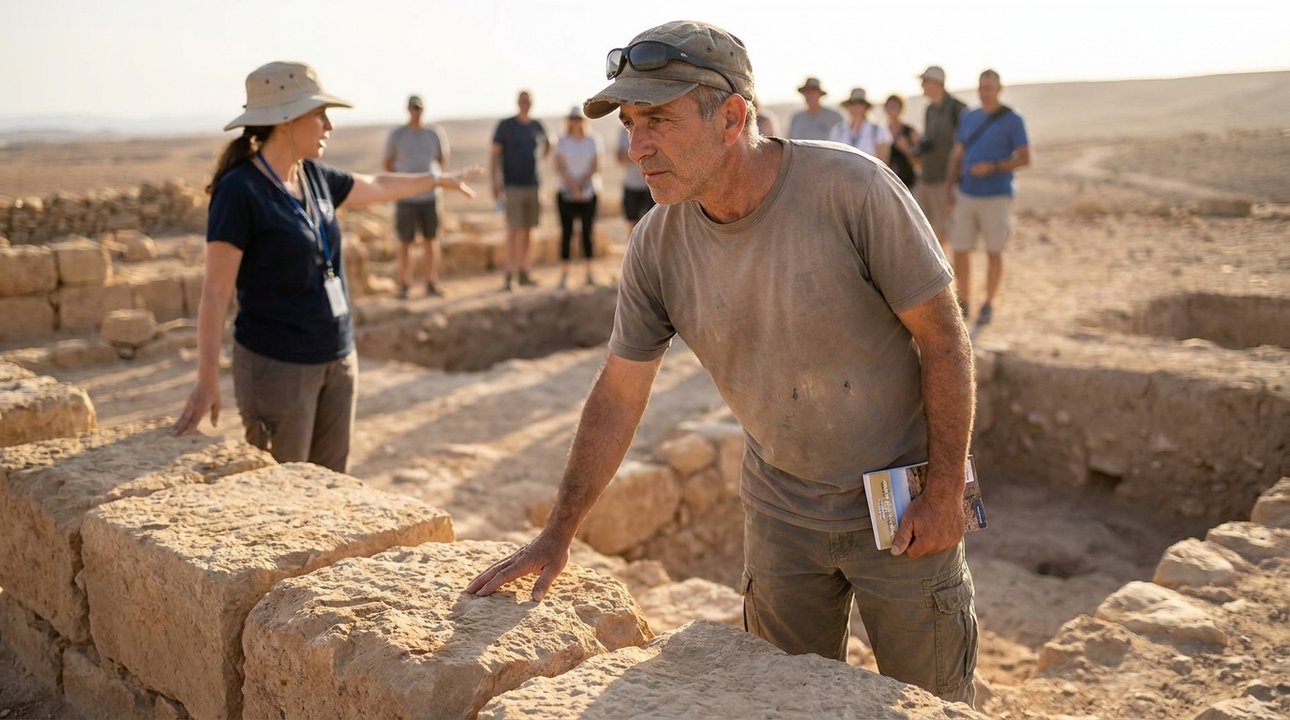
This ongoing interaction with history is still remembered and educate those who explore its paths. Programs and guided tours offer insights into its past, fostering a deeper connection to its heritage. Visitors are encouraged to reflect on its history and its role in shaping the cultural identity of the region. This blend of preservation and education ensures that its legacy endures for future generations.
Conclusion: Connecting with History Through Maps
Exploring the Valley of Rephaim through maps connects us to its layered past. Understanding its history and geographical features enhances our appreciation of this timeless landscape. As we navigate the maps, we journey into a world where ancient narratives and modern realities coexist, offering a deeper connection to Israel’s history.
Maps do more than chart the land; they tell the stories of those who once traversed its paths. Historical maps, such as those from the 19th century, reveal its transformation over time. By diving into these depictions, we create our own narratives and connections to its legacy. These maps serve as a visual journey through history, allowing us to imagine the footsteps of ancient peoples and their interactions with the land.
A visit to Lev Haolam could bring you closer to these stories, offering products that embody Israel’s historic and cultural heritage. Through carefully curated items, Lev Haolam connects you to the land’s history. Exploring these offerings provides a tangible link to its history, allowing you to experience the culture of Israel in a meaningful way. This connection fosters a deeper appreciation for the region’s unique heritage.
Understanding the Valley of Rephaim
