
Locating Ancient Egypt in Today’s World


Ancient Egypt is a land with a deep history, often mentioned in historical texts for its interactions with the Israelites. It was a place where Joseph rose to power, becoming a ruler under Pharaoh. Joseph’s story is one of wisdom, as he interpreted Pharaoh’s dreams and prepared Egypt for a coming famine, saving many lives.
Today, this historical region corresponds with the modern nation of Egypt, known for its iconic monuments like the pyramids and the Sphinx. The Nile River remains a vital resource, much as it has been throughout history. The pyramids, built as tombs for pharaohs, showcase the architectural and engineering skills of ancient Egyptians, attracting visitors worldwide.
from the Western Wall to Masada.

What Was Ancient Egypt?
Ancient Egypt, referred to in Hebrew as ‘Mitzrayim,’ was a powerful kingdom along the Nile River. It was a place of refuge and enslavement for the Israelites, playing a crucial role in historical narratives. Joseph’s rise to power in Egypt demonstrates the influence of wisdom in his life.
The stories of Joseph’s rise and the Exodus are well-known events tied to this land. The Exodus marks the Israelites’ liberation from slavery, a pivotal moment in Jewish history celebrated annually. This liberation story is central to Jewish identity, symbolizing hope and freedom for generations.

Egypt in the Bible: Key Locations
Heliopolis, known for its sun temple dedicated to Ra, was a center of learning and religion. This city highlights its religious significance. In ancient Egypt, Heliopolis was a major city of worship and education, attracting scholars and priests from across the region. It played a crucial role in the religious life of Egypt, influencing the spiritual practices of the time.
Ramses, another notable location, is where the Israelites are said to have lived during their enslavement. This city was part of the larger region of Goshen, which provided fertile land for the Israelites during their time in Egypt. Ramses was built by the Israelites under harsh conditions, reflecting the oppressive environment they endured before their eventual liberation.
The Importance of the Nile
The Nile River, often called the lifeblood of ancient Egypt, provided fertile land and resources crucial for sustaining life. It features prominently in historical narratives, such as when Moses was placed in a basket along its banks. The river’s annual flooding was essential for agriculture. This natural cycle allowed for the cultivation of crops, supporting the population and contributing to Egypt’s prosperity.
Replenishing the soil with nutrients, the flooding supported the civilization’s growth and prosperity. The Nile’s significance is also reflected in Egyptian mythology, where it was considered a gift from the gods, essential for survival. This reverence for the Nile underscores its central role in both the spiritual and practical life of ancient Egyptians.
Modern Egypt and Its Historical Roots
Today, modern Egypt occupies the same region as its ancient counterpart, retaining much of the historical geography. Cities like Cairo now stand where ancient capitals may have once thrived. For instance, Cairo is near the ancient city of Memphis, a major center in Egypt’s history. Memphis was once the capital of ancient Egypt, known for its grand temples and bustling trade, reflecting the wealth and power of the civilization.
The country’s vast history is preserved in its pyramids and archaeological sites. The Great Pyramid of Giza, one of the Seven Wonders of the Ancient World, continues to draw interest and study, reflecting the grandeur of ancient Egyptian civilization. These structures are not only architectural marvels but also serve as cultural symbols of Egypt’s legacy.
from the Western Wall to Masada.

Archaeological Discoveries in Egypt
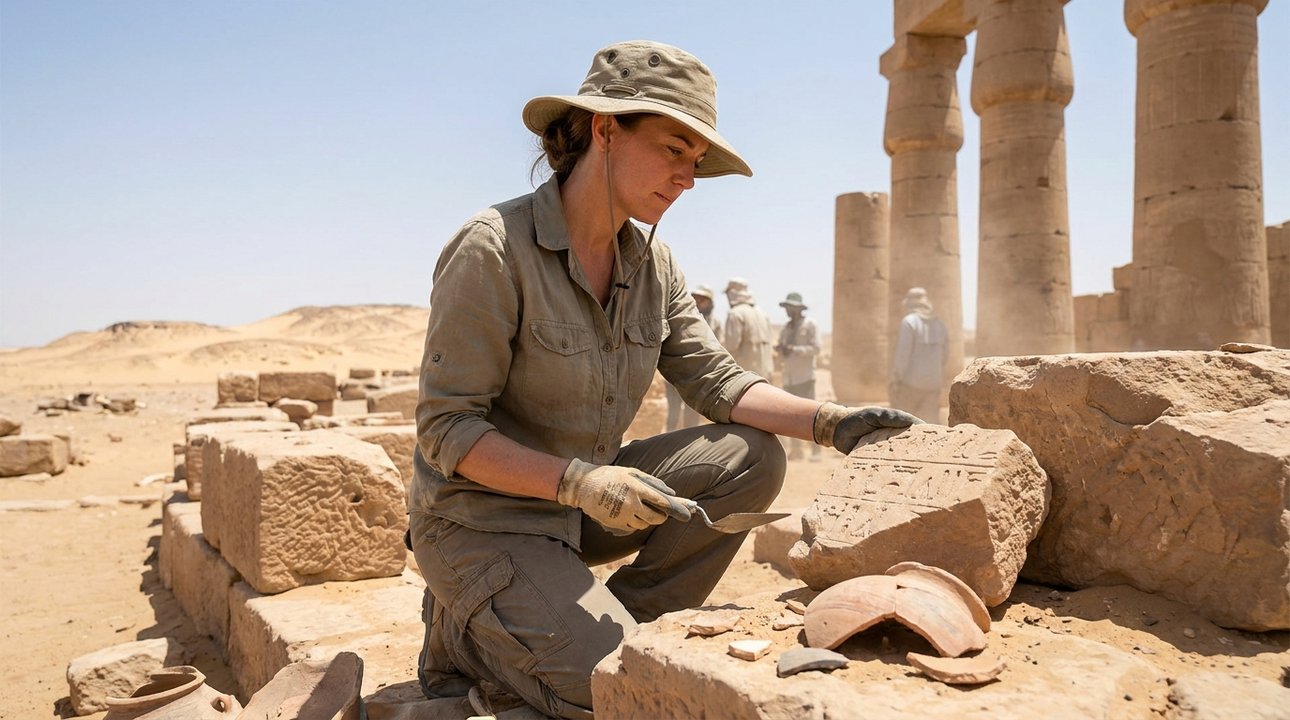
Egypt’s archaeological sites continue to reveal insights into its historical past. Discoveries like ancient temples, tombs, and artifacts offer insights into the daily lives and beliefs of its people. The Temple of Karnak, for example, is one of the largest religious buildings ever constructed. Karnak was a significant religious site dedicated to the god Amun, showcasing the complexity and richness of Egyptian religious practices.
Such findings help piece together historical events described in the Bible. The tomb of Tutankhamun, discovered in 1922, provided valuable information about the period when the Israelites were in Egypt, aligning with stories from the Torah. Tutankhamun’s tomb, with its wealth of artifacts, offers a view into the opulence and cultural practices of ancient Egypt.
Egypt’s Legacy in Jewish Tradition
In Jewish tradition, Egypt is a symbol of both oppression and salvation. The story of the Exodus, where Moses guided the Israelites out of slavery, is a powerful narrative of liberation. This story is central to Jewish memory and identity, commemorated annually. Moses, as a guide and prophet, is celebrated for his role in guiding the Israelites to freedom.
The meal includes symbolic foods like matzah and bitter herbs, representing the hardships and liberation of the Israelites. These traditions serve as a reminder of the enduring spirit that has sustained the Jewish people through history.

Cultural Influence Across Time
Egypt’s influence on surrounding regions is evident through its architectural marvels like the pyramids and temples, which showcase advanced engineering skills. The development of hieroglyphic writing and mathematical concepts further underscores its cultural legacy. The pyramids, especially, demonstrate the Egyptians’ understanding of geometry and astronomy. These achievements highlight the interconnectedness of historical civilizations, as Egypt’s innovations spread across the Mediterranean and influenced neighboring cultures. The Library of Alexandria, although later, was a center for learning, attracting scholars from around the historical world.
Why Study Ancient Egypt?
Studying ancient Egypt provides context for many religious and historical narratives. It helps unravel the cultural and social dynamics of the time, offering a clearer understanding of historical events. For instance, the construction of the pyramids reflects the organizational skills and beliefs of the ancient Egyptians. The pyramids, built as monumental tombs, symbolize the Egyptians’ beliefs in the afterlife and their devotion to their rulers.
Learning about its history enhances appreciation for both ancient and contemporary Egypt. The Rosetta Stone, discovered in 1799, was key to deciphering hieroglyphics, bridging the gap between ancient texts and modern understanding. This breakthrough in understanding hieroglyphics opened new avenues for exploring Egypt’s history and culture.
Conclusion
The narrative of Ancient Egypt continues to captivate scholars and enthusiasts, with its stories of significant figures and events. These tales are not only religious but also historical, providing insights into the lives of ancient peoples. Joseph’s story, for instance, illustrates themes of wisdom and leadership. Identifying where these historical sites correspond to modern areas enriches our understanding of Jewish history and identity. A city is believed to be the starting point of a significant journey, offering a tangible connection to the past.
Understanding Ancient Egypt
