
Exploring the Historical Location of Azal


The discussion of Azal emerges primarily from historical texts, describing a significant event tied to this mysterious location, where a valley is created by the splitting of a significant landmark.
Understanding its place in historical geography offers insight into ancient Judean landscapes. Azal is thought to be near this area, rich in historical meaning.
Although modern interpretations vary, the text suggests a geographic position of relevance to Jerusalem’s history, possibly serving as a route for escape or intervention. Scholars continue to investigate its potential location, drawing on historical and archaeological evidence to better understand its significance in narratives.
from the Western Wall to Masada.

Where Is Azal Mentioned in the Bible?
Azal is referenced in historical texts, specifically in relation to a prophesied division of a significant landmark. According to these texts, this name marks a strategic point during an event, underscoring its potential importance.
Despite few references, the association of Azal with Jerusalem’s vicinity hints at its significance. Yet, pinpointing its exact location remains challenging, as historical clarity is limited.
The narrative centers around a future event where Azal plays a crucial role. However, without more extensive historical records, the full understanding of Azal in text is open to interpretation. Scholars continue to explore its possible connections to other sites, hoping to uncover more about its role in history.
Geographical Context of Azal
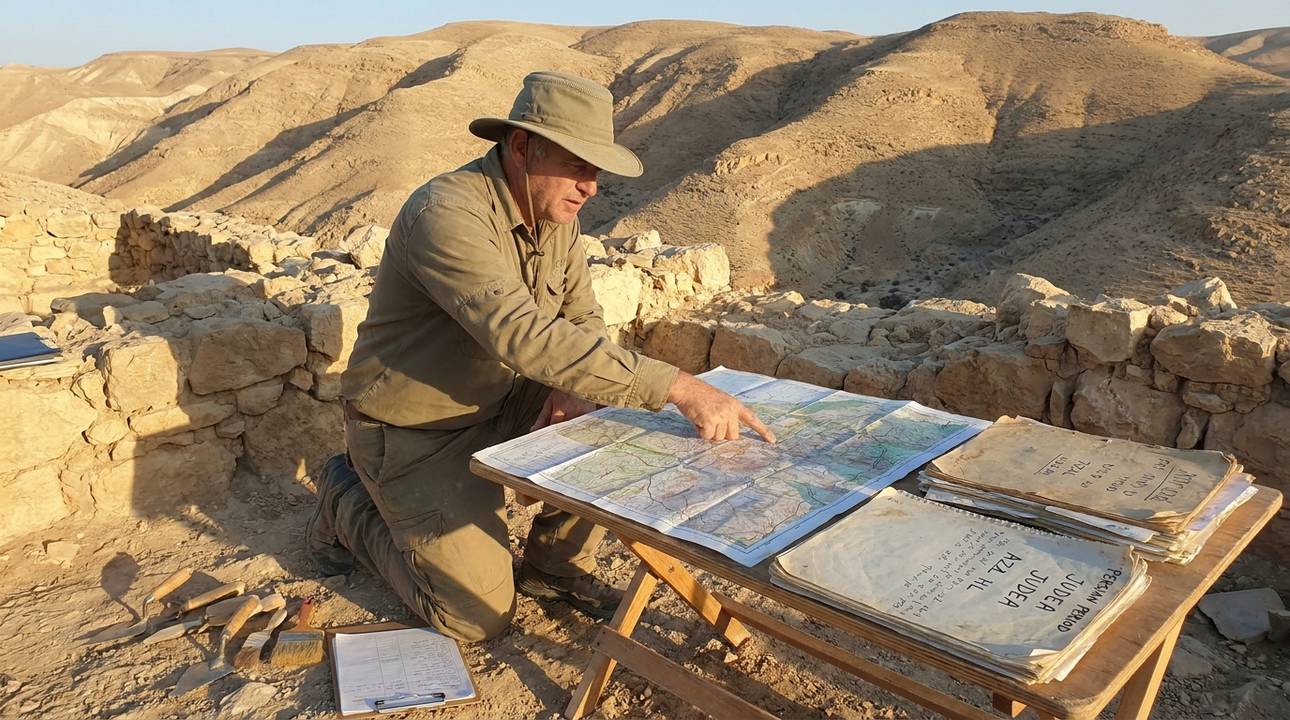
In terms of historical geography, Azal is often linked to a specific topography. Historical texts place Azal in the context of a significant landmark, suggesting a location within or near present-day Jerusalem. This implies a connection to Judean hilly terrains.
Efforts to trace Azal’s exact ancient position often rely on textual evidence and interpretations of regional geography. However, scholarly opinions differ due to limited explicit archaeological evidence.
Researchers compare texts with other sources to hypothesize its location, often considering the geography of Judean settlements during the Persian period.
Azal’s Role in Historical Prophecy
The mention of Azal in prophecy connects it with significant eschatological events. As the narrative unfolds, Azal’s association with moments of intervention emphasizes its symbolic role.
These routes suggest paths of safety or escape, emphasizing its thematic role within prophetic literature. The prophecy’s position calls on future redemption, where Azal pivots as a landmark in achieving this vision.
Therefore, while physically elusive, Azal’s portrayal as significant resonates through its historical context. Scholars continue to explore its symbolic meaning, considering its potential role in future events as described in the prophecy. This exploration often involves examining the geographical and history of the region surrounding Jerusalem, where Azal is thought to be located.
Interpreting Azal’s History
Historically, Azal’s limited mention does not overshadow its importance. Scholars suggest it symbolized a real location impacting real events, though specific details remain minimal.
Scholars use comparative texts to fuel discussions on Azal’s geographical location, drawing from both historical and other sources.
This scholarly exploration often brings focus on Judean settlements or regional shifts during eras relevant to these texts, such as the Persian period when the Second Temple was built.
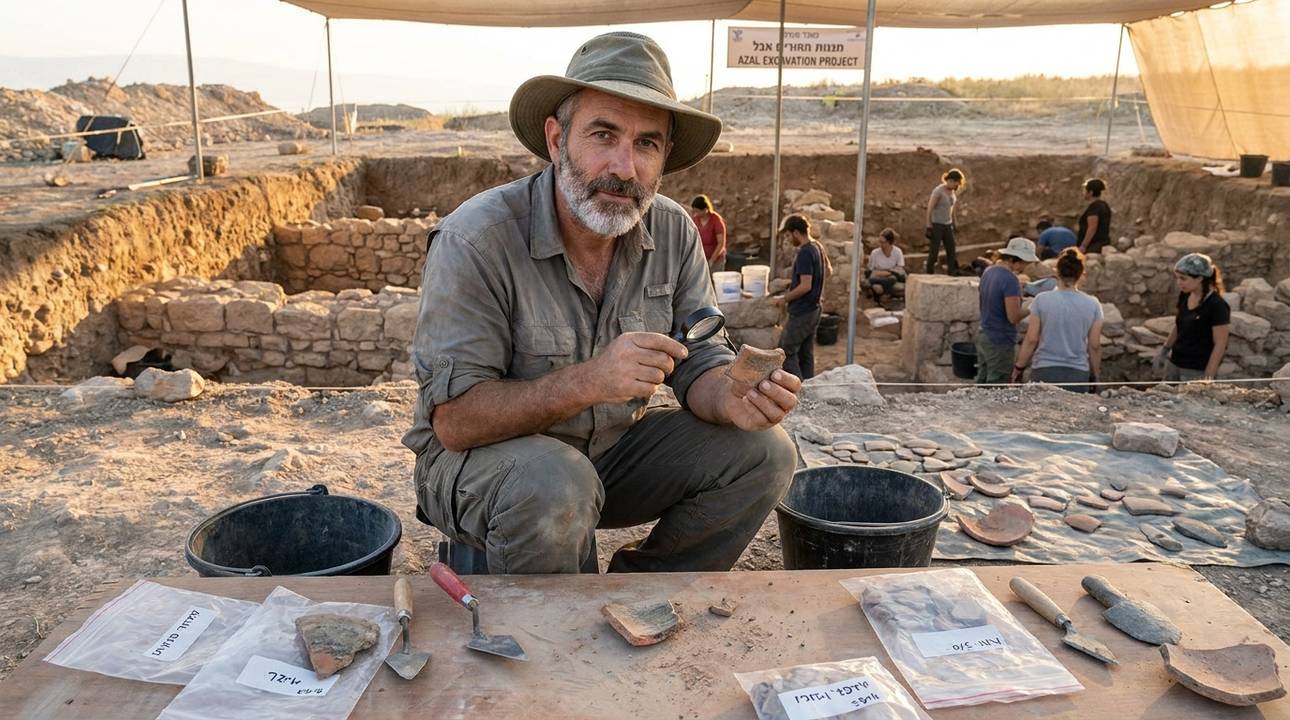
Its historical undertones fuel interpretive exploration, balancing textual assertion with geographic considerations. By examining archaeological findings and historical records, researchers aim to piece together the story of Azal and its role in history.
from the Western Wall to Masada.
Azal in Jewish Tradition
Within Jewish tradition, the limited references to Azal do not diminish its evocative power. It sustains the broader themes of Jewish historical consciousness, representing aspects of redemption and hope rooted in promise.
The texts where Azal is mentioned are often associated with visions of restoration and renewal for Jerusalem. Jewish exegesis often links Azal with understandings shaped by times of exile and return, such as the Babylonian exile in the 6th century BCE.
This positions Azal as a component of the larger narrative about the Jewish people’s enduring connection to their lands. These interpretations capture Azal within the context of a shared heritage, conveying continuity and the evolving appreciation for Judean sites within living tradition.
Azal in Modern Scholarship
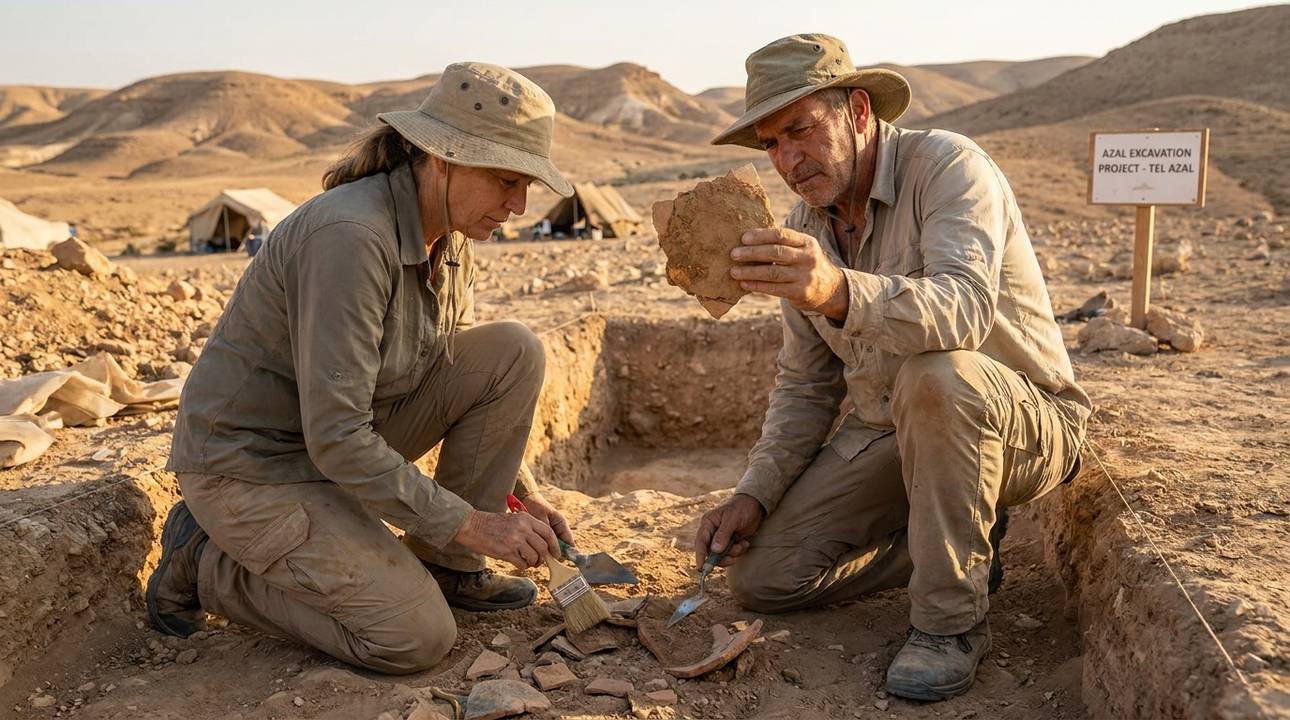
In contemporary scholarship, Azal is explored through the lens of both text and archaeological potential. Academics strive to reconcile textual accounts with physical evidence, though Azal’s exact site remains speculative.
The mention provides a starting point for these investigations. The cross-disciplinary approach taken includes archaeology, linguistics, and regional history to map aspects of Azal’s identity.
These efforts contribute to a deeper understanding of the region’s history, particularly during the Second Temple period. By examining artifacts and ancient texts, scholars hope to uncover more about Azal’s role in narratives and its potential impact on historical events.
Modern researchers continue to interpret prophecies, examining Azal’s interpretation within ongoing studies of Judean archaeology and narratives.
The complexities of ancient geography and shifting landscapes over millennia make this task challenging, yet rewarding for those seeking to connect texts with historical reality.
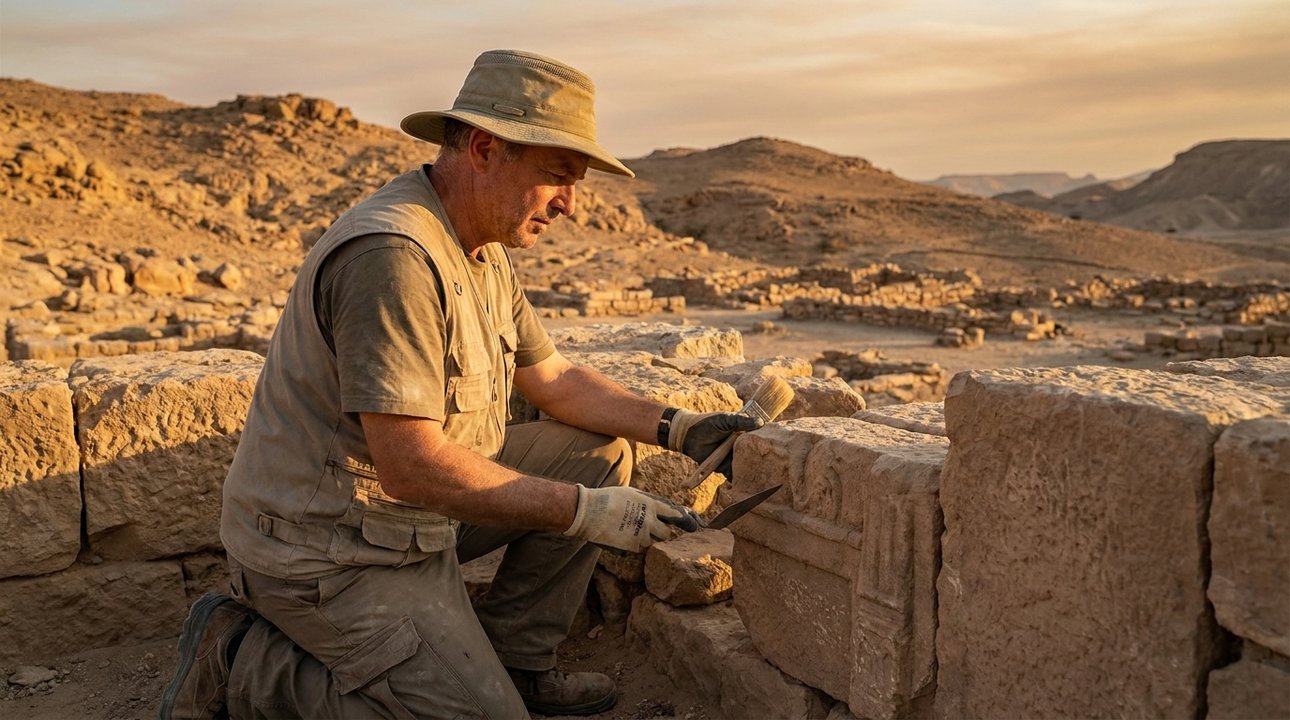
Scholars often rely on a combination of textual analysis and archaeological evidence to piece together Azal’s story.
A significant landmark adds layers of historical context to Azal’s significance. By studying these connections, researchers aim to uncover the broader narrative of Judean history and its impact on events.
Conclusion and Contemporary Reflection
Azal, as an enigmatic location, continues to capture attention through its prophetic presence and historical ambiguity. Its mention symbolizes more than just geography; it serves as a cultural touchstone linking the past with enduring hopes.
Understanding Azal helps illuminate the layers of meaning found within ancient texts, providing clues about visions tied to Jerusalem and its environs. Despite its elusive exactness, Azal’s position in narrative affirms its role as an unwavering symbol of cultural identity.
Aiding in this journey of discovery, Lev Haolam’s commitment to preserving connections to these sacred lands remains a cornerstone of its mission. Through their work, they help keep the stories and significance of places like Azal alive for future generations.
Understanding Azal in the Bible
