
Exploring the Location and Significance of Azal
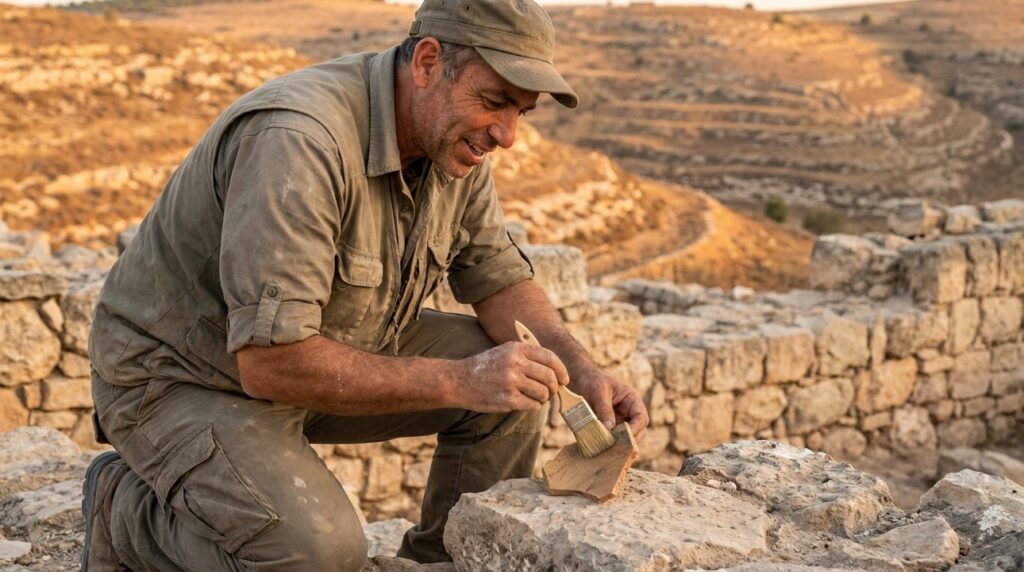

Azal is a lesser-known name mentioned in ancient texts, specifically in historical writings. It refers to it in the context of a future event involving the Mount of Olives. Its exact location, connected with this prominent site, is a subject of debate among scholars. Some suggest it could be near the Kidron Valley, a site of many historical events. This article explores the history and geographic context of Azal, providing insights into its role in historical narratives. The discussion includes its potential connections to other significant sites.
Where Is Azal Mentioned in the Bible?
Azal is referenced in historical texts. This text places Azal within a narrative describing significant events where it serves as a geographical marker.
Directly linked to the Mount of Olives, it provides a boundary in a vision of future events. Understanding its mention helps frame the context of this important location.
The Mount of Olives itself holds significant historical importance, enhancing Azal’s role in the narrative.
from the Western Wall to Masada.

Historical texts also mention this location, where significant events occurred, highlighting its importance. This connection enriches the understanding of Azal’s role in historical literature.
The intertwining of Azal with this site underscores the area’s importance in historical thought, where geography and narrative meet.
Geographical Context of Azal
The exact location of Azal is not definitively known. Scholars often associate it with areas near this significant site. Some suggest it could be a valley or region extending into what is now East Jerusalem.
Historical texts imply a role for Azal as a place of escape in visions, tying it to significant topographical features. This association with the Mount of Olives is crucial, as the area is rich in history and narrative, making Azal’s potential location a subject of ongoing study.
This site is mentioned in historical texts, where significant figures ascended it. This historical connection adds depth to the study of Azal’s location. Its proximity to Jerusalem makes it a strategic site in narratives, further complicating the search for Azal’s precise location.
Theories about Azal often involve examining ancient texts and maps, seeking clues that align with the geographical descriptions provided in historical writings.

Historical and Theological Significance
Azal’s mention hints at themes such as protection and refuge. Its connection to this prominent site positions it within traditions of salvation and judgment. Historical texts describe a dramatic scene where the Mount of Olives splits, creating a valley leading to Azal.
This portrays Azal as a boundary amid significant actions, highlighting its symbolic role in narratives. The Mount of Olives itself is significant, often associated with pivotal events in historical narrative.
This site is a location of many significant events in Jewish history. For instance, it is where significant figures built high places for foreign deities, showing its complex role in narratives.
Azal’s symbolic role as a place of refuge during significant intervention adds layers of meaning to its mention, reinforcing themes of deliverance and refuge.
Comparisons with Nearby Historical Locations
Azal’s location near Jerusalem invites comparisons with other historical sites. Its mention places it in a significant context. Its proximity to this prominent location suggests a shared historical landscape with places like the Kidron Valley.
The Mount of Olives is also significant in the story of historical escapes. Understanding Azal in relation to these landmarks enriches interpretations of its role in narratives. Such comparisons highlight the interconnectedness of Jerusalem’s sacred geography.
Modern Interpretations and Theories
In contemporary studies, Azal’s location continues to intrigue scholars. While some connect it with historical regions near East Jerusalem, others propose alternatives based on archaeological findings.
Debates focus on matching historical descriptions with possible physical sites, furthering our understanding of ancient geographic references.
These discussions often involve examining the geological features around Jerusalem, seeking correlations with the dramatic events described in historical narratives.
Archaeological efforts in the area have uncovered artifacts dating back to the First Temple period, providing context for the narratives. The search for Azal involves piecing together these findings with historical references.
Scholars often compare these findings with descriptions in ancient texts, such as the works of Josephus, to validate their theories about Azal’s location.
from the Western Wall to Masada.

Azal in Jewish Tradition
Jewish sources often regard Azal within the broader context of historical literature. It is mentioned as a place of refuge during significant intervention. It symbolizes intervention and a safe haven during challenging times.
This role of Azal in these traditions adds layers of meaning to its mention, reinforcing themes of deliverance and refuge. The Talmud also references Azal, linking it to discussions of significant times and ultimate redemption, enriching its narrative significance.
In the Talmud, Azal’s mention is tied to discussions about the messianic age, where it represents a place of safety and divine protection. This connection highlights its importance in Jewish thought. The interplay between Azal and this significant site in these texts underscores the symbolic geography of Jerusalem in Jewish eschatology.
The Role of Azal in Prophetic Visions
In historical visions, Azal represents a physical boundary during future tribulations. Historical texts describe a dramatic escape route through the Mount of Olives. Illustrating escape and protection, it underscores themes of providence.
The vision of Azal highlights the role of geography in narrative. Its position within predictions highlights a blend of geographical and symbolic importance, inspiring confidence in the promise of security.
This blend is seen in other narratives, such as those involving significant valleys.
The Valley of Jehoshaphat, mentioned in historical texts, is another significant site in literature, often associated with judgment.
These geographical elements in narrative illustrate the interconnectedness of physical locations and themes, enriching the understanding of Azal’s role in narratives.

Concluding Thoughts on Azal
Azal remains an intriguing reference with historical and thematic implications. Mentioned in historical texts, it is linked to the prophecy of a great event splitting this significant site. This connection to Jerusalem’s sacred geography invites continuous exploration. Scholars often compare it to other locations like Gihon and Siloam, enriching its narrative. Through ongoing study, scholars and enthusiasts deepen their understanding of its place in narrative and tradition, highlighting its importance.
The comparison to other locations like Gihon, mentioned in historical texts as the site of significant anointing, provides context for Azal’s role in narrative. These comparisons help scholars piece together the geographical puzzle of Jerusalem, showing the city’s historical landscape.
Supporting Local Heritage Through Lev Haolam
By supporting Lev Haolam, participants engage with the history of Israel. This initiative connects them with the land’s past and its modern-day stewards. Through curated boxes, they help sustain small businesses and artisans associated with this heritage. These artisans often draw inspiration from historical stories. Every purchase contributes to the ongoing story of Jewish tradition and culture, fostering deeper connections worldwide. This support echoes the ancient practice of community solidarity.
Historical stories highlight themes of loyalty and courage. These narratives inspire the artisans supported by Lev Haolam, who incorporate these lessons into their crafts, creating products that resonate with the values of their heritage.
Understanding Azal
