
Exploring Bithynia: Its History and Modern Location


Where is Bithynia Today? Exploring its history and modern location. Bithynia is a historical region now within the borders of modern Turkey. It lies on the southern coast of the Black Sea and stretches toward the Sea of Marmara. Modern provinces that cover much of the same land include Kocaeli, Sakarya, and Yalova. The area is still of interest to historians and visitors because old towns, ruins, and museums tell parts of its long story.
This short introduction shows where Bithynia fits on a map and why people study it today. The rest of the article gives clear, simple facts and short descriptions so readers aged 55 and over can follow easily.
The region sits between two important seas. This position shaped its economy and its contacts with neighbors. Over centuries, the area was a crossroads for local rulers, traders, and travelers.
from the Western Wall to Masada.
What Was Bithynia in Historical Times?
Bithynia began as several local settlements that grew into a kingdom in the Hellenistic age. It was bordered by the Black Sea to the north and the Sea of Marmara to the west. The land was good for farming, with plains that supported grain, olives, and vineyards. Those products fed local people and were sold elsewhere.
In the Hellenistic period, rulers such as Nicomedes I built cities and encouraged trade. The city of Nicomedia (near modern İzmit) became an important urban center. Over time the region developed trade links by sea and by road across the peninsula.
Local rulers used marriage and treaties to keep peace and expand influence. Military strength mattered, but so did diplomacy. That mix helped the region remain secure enough for markets and artisans to thrive.
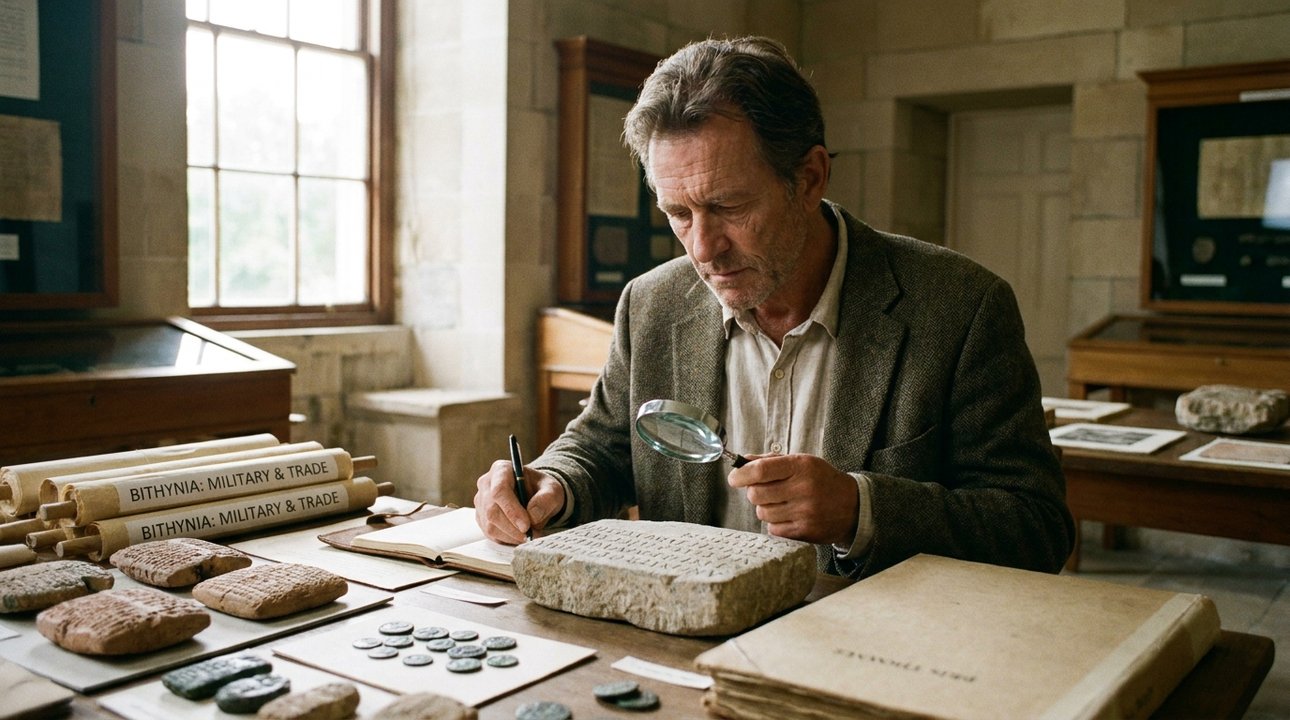
Farming supported towns and ships. Pottery, coins, and inscriptions from the area show common life and business. These finds help historians understand daily life without guessing too much.
Over the centuries local elites and visiting powers shaped the towns. The regional center’s role grew because of trade routes that linked the Aegean and Black Sea coasts with inland Anatolia.
Founding stories name Nicomedes I as an early city-builder. Archaeology and ancient texts give dates in broad ranges rather than exact days. Where exact years are cited, they are based on historians’ best estimates from surviving sources.
Roman Influence in Bithynia
Ancient sources record that the last independent king left his realm to Rome in the 1st century BCE, and after that the area was governed as part of the Roman world. This change brought Roman laws, taxes, and officials to the towns here. Roads and public works were built or improved under Roman rule, which helped merchants move goods farther and faster.
Governors appointed by Rome oversaw administration and justice. They collected taxes and ensured security along key routes. Roman-era towns show a mix of local building styles and Roman design.
Nicomedia, the main city near today’s İzmit, grew in importance under Roman administration. Some later emperors used the city as a base for governing the eastern provinces. Historians note this city held administrative weight during the later Roman and early Byzantine periods, especially in the late third and early fourth centuries CE.
Roman architectural traces include public baths, theaters, and temples in several towns. These structures give a sense of how people gathered, worked, and worshipped in those times.
Roman roads and waterworks improved links across the region. These improvements matter to historians because they show how the area was connected to wider trade networks.
Archaeologists have found fragments of stone roads, parts of aqueducts, and building foundations. Each find adds a small piece to the larger picture of daily life under Roman administration.

Where Is Bithynia Today?
Today this historical region is part of north-western Turkey. Modern towns and cities cover much of the old territory. Major urban centers in the area include İzmit (near ancient Nicomedia) and other towns in nearby provinces.
Visitors can still see ruins, museum exhibits, and artifacts in local collections. These places help explain how life changed from the Hellenistic era through Roman and Byzantine rule, and into the Ottoman period and modern times.
The coast and the inland plains shaped local economies for centuries. Ports offered sea access and plains supplied food. These features kept the area important across many different rulers.
Archaeological finds include theaters, coins, pottery, and inscriptions. Each item tells a simple story about trade, religion, or daily routines. Museums in the region display these finds and explain their context in plain language for visitors.
Sites labeled on modern maps help travelers and researchers locate the old towns. Many of these spots are easy to reach from larger Turkish cities by road. Local guides can point out the most visible ruins and explain their significance in short, clear terms.
from the Western Wall to Masada.
If you plan to visit, check local museum opening times and look for simple guided tours. That makes the past easier to understand without needing specialist knowledge.

The Cultural Legacy of Bithynia
The region left clear traces in art, architecture, and local customs. Craftspeople made pottery and carved stone. Many surviving pieces show a mix of local styles and wider Mediterranean trends. You can see those influences in museum displays and local collections.
Temples, public halls, and theaters show how towns balanced religion, politics, and entertainment. These buildings were often adapted over time as new rulers arrived.
Writers, merchants, and officials moved through the area. That movement left marks on language, names, and everyday objects. Simple finds such as household items help scholars trace these connections.
Local festivals and museum events sometimes recall the past with reenactments and displays. These are usually small community events aimed at sharing local stories rather than large spectacles.
Such local events let residents and visitors learn about the past in a friendly setting. They often focus on foodways, crafts, and everyday life rather than grand historical narratives.

Bithynia and Early Christianity
The area played a role in early Christian history. Some cities here linked to early church gatherings and theological debates of the fourth century. The nearby city of Nicaea (modern İznik) is known for an important council held in 325 CE, which many histories record as central to early Christian decisions.
Early Christian communities lived in towns across the region. Archaeological remains such as church foundations and inscriptions support this. Scholars study these remains to understand how communities organized worship and social life.
References to itineraries by early Christian figures appear in ancient letters and histories. For example, some texts suggest that early church leaders planned travels through parts of Asia Minor, including this region. Where exact travel routes are described, historians rely on the surviving documents and carefully note when accounts are uncertain.
Archaeology and ancient texts together give a measured picture: communities existed, gatherings took place, and the area was part of the wider religious conversations of the time.

Modern Significance and Heritage Preservation
Today, local authorities and universities work to study and protect the remaining sites. Conservation tends to be practical: stabilizing walls, documenting finds, and showing objects in local museums. These actions help keep fragile ruins safe and readable for visitors.
Education programs aim to explain the past in clear terms. Workshops and guided walks help residents and tourists learn what each ruin or artifact can tell us. Such programs typically use simple language and short talks aimed at general audiences.
Partnerships between local teams and outside experts support careful study and responsible tourism. Groups from universities and cultural organizations often advise on excavation methods and display choices.
If you want to learn more, check museum websites and local cultural centers for plain-language guides and short background notes. The Lev Haolam website sometimes posts clear summaries and links to trustworthy sources for readers who want a concise overview.
Preservation is ongoing. The goal is to keep sites safe and understandable for the public without over-interpreting the evidence. That careful approach helps both visitors and researchers form a reliable picture of the past.
Understanding Bithynia's History
