
Exploring the Ancient City of Bozrah
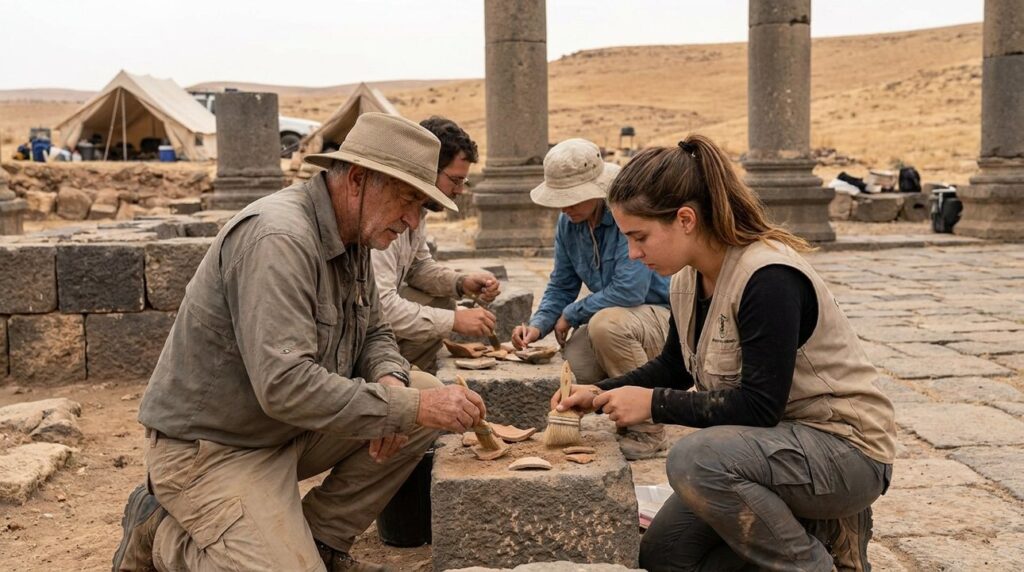

Bozrah is frequently referenced in historical texts as a significant city in Edom. Many researchers believe it aligns with modern-day Buseirah in Jordan.
As an important center in Edom, Bozrah held a crucial role in ancient narratives. This article delves into Bozrah’s historical contexts, examining its stories and its current geographical identification.
What Was Bozrah in Historical Times?
Bozrah was a prominent city in Edom, appearing in various historical records. It was part of the lands associated with Esau’s descendants and served as a power center for Edomite rulers.
The city is noted for its role in conflicts and is often depicted as a symbol of judgment and redemption in broader narratives.
from the Western Wall to Masada.
Bozrah’s historical significance is further highlighted in prophetic texts, where it is seen as a site of intervention. These references emphasize its role in themes of justice and mercy.
The city stands as a symbol of both destruction and hope, providing insights into the complexities of justice in historical narratives.
Strategically located, Bozrah was central to governance and military activities. Its mention in prophetic texts underscores its historical role. Positioned along key trade routes, Bozrah had a significant influence in the region.
The dual themes of judgment and redemption contribute to its complex legacy, offering insights into historical narratives of justice and mercy.
Bozrah’s presence in ancient texts continues to intrigue those interested in history. Its role as a power center and its depiction in prophetic writings make it a focal point for understanding justice’s complexities.
Research into Bozrah seeks to uncover more about its regional influence and its place in the ancient Near East’s broader context.
What Happened to Bozrah After Historical Times?
After its prominence in ancient narratives, Bozrah remained influential through various historical periods. Its strategic location kept it significant under different empires. Archaeological evidence indicates habitation through Roman and Byzantine times.
The decline of Bozrah, like many ancient centers, leaves historians piecing together its story through ancient texts and ruins, revealing its role in regional politics and culture.
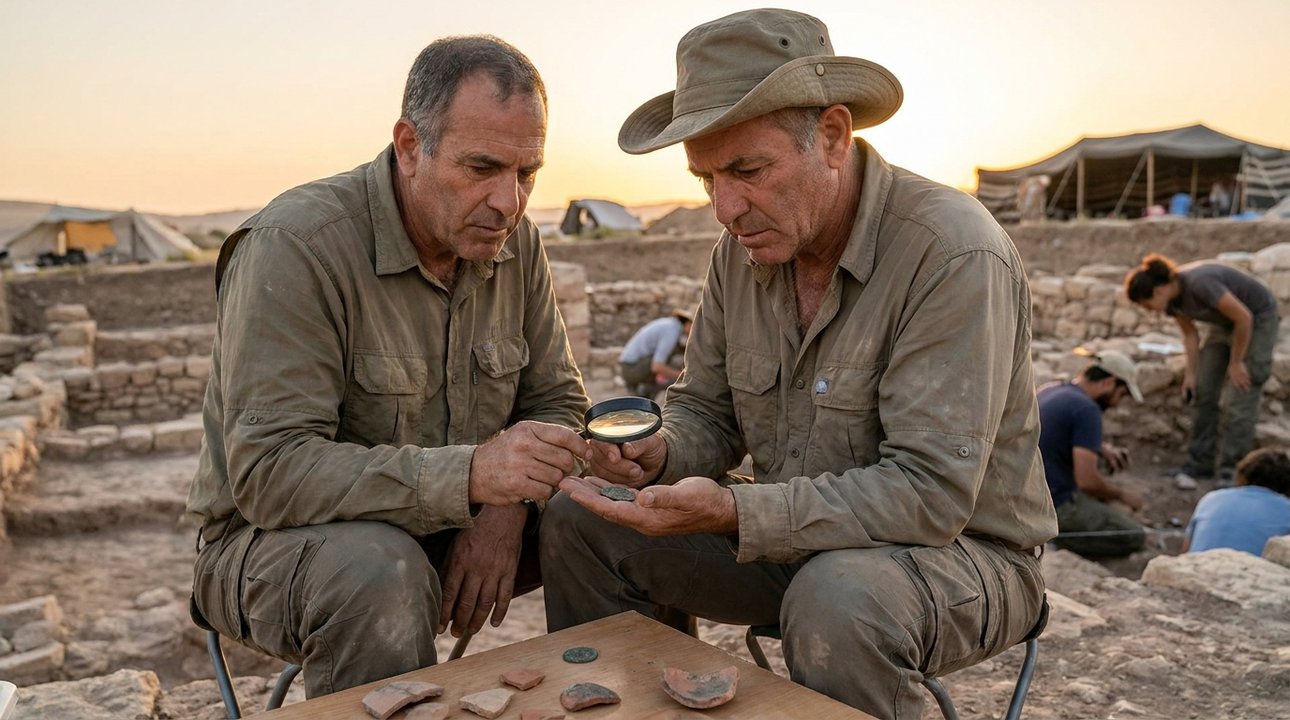
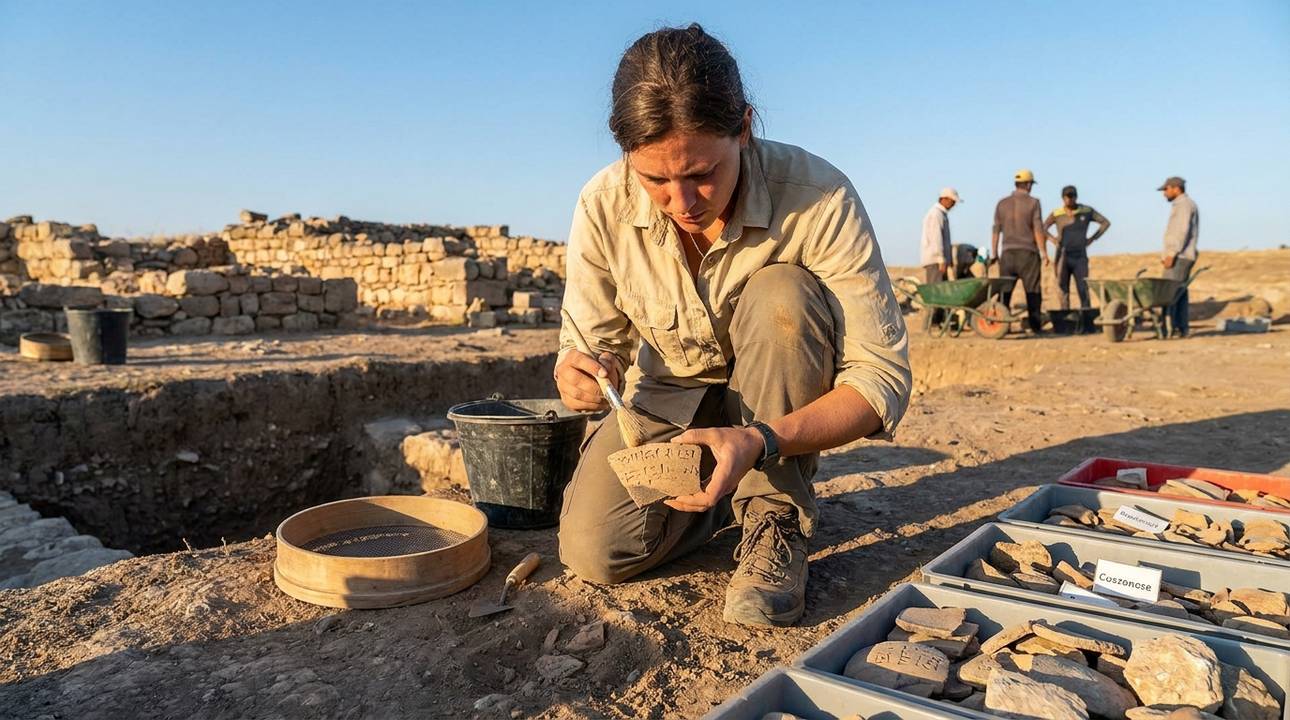
Artifacts like coins and pottery shards offer insights into the daily lives of Bozrah’s people, while inscriptions shed light on its governance. These findings help paint a picture of a city that was vital to the region. Researchers continue exploring the area to learn more about Bozrah’s interactions with neighboring cultures and its role in shaping the ancient Near East.
Bozrah’s strategic importance likely contributed to its longevity as a regional hub. Historical records and artifacts suggest its continued relevance in trade and governance. Positioned along key routes, Bozrah facilitated the exchange of goods and ideas.
The city’s eventual decline mirrors the fate of many ancient settlements, yet its legacy endures through the remnants left behind. Researchers study these clues to gain a deeper understanding of Bozrah’s contributions to the ancient world.
Artifacts like coins and pottery shards offer glimpses into the daily lives of Bozrah’s inhabitants, while inscriptions reveal aspects of its governance and societal structure. These historical pieces help paint a picture of a city that played a significant role in the region. As archaeologists uncover more, they hope to shed light on the factors that led to Bozrah’s decline and how it adapted to changing political landscapes.
Where Is Bozrah Believed to Be Located Today?
Today, scholars generally associate ancient Bozrah with the modern village of Buseirah in Jordan. This location aligns with historical accounts of Bozrah’s position in Edom, southeast of the Dead Sea.
Archaeological findings, such as pottery and ancient structures, support this identification. The artifacts suggest a settlement that fits Bozrah’s description, though the exact boundaries remain a subject of research.
Continued exploration aims to uncover more about Bozrah’s history. Researchers delve deeper into the site, hoping to shed light on its role in the region’s history and interactions with neighboring cultures. These findings contribute to our understanding of how Bozrah functioned as a hub of trade and governance, influencing the dynamics of the ancient Near East.
The identification of Buseirah as Bozrah is bolstered by evidence like inscriptions and remnants of fortifications. These discoveries provide a glimpse into the life and times of the ancient city. Inscriptions found in the area mention Edomite rulers, linking Buseirah to Bozrah.
While the full extent of Bozrah’s influence is still under study, these discoveries help reconstruct its role in Edom’s history. As research progresses, scholars hope to further illuminate the city’s past and its impact on the region’s development.
Pottery and tools reveal aspects of daily life in Bozrah, while the fortifications indicate its strategic importance. These findings suggest a city that was both a cultural and military center.
Archaeologists continue their work, aiming to uncover more about Bozrah’s interactions with neighboring regions and its place in the broader historical context of the ancient Near East.
What Does Bozrah Symbolize in the Bible?
In historical narratives, Bozrah often symbolizes both destruction and hope. It is described as a place of judgment against Edom’s transgressions. This passage highlights Bozrah’s role in the broader themes of justice and retribution.
It also portrays Bozrah as a site of lamentation. Yet, these accounts include themes of redemption, illustrating the duality of justice and mercy. This dual symbolism contributes to Bozrah’s lasting impact in historical discussions.
Bozrah’s portrayal in prophetic texts serves as a reminder of the balance between justice and mercy. As a place of both judgment and potential redemption, it offers a lens through which to view the complexities of intervention. This duality makes Bozrah a significant point of reflection in historical literature, where it is seen as a sign of the enduring themes of justice and redemption.
from the Western Wall to Masada.
Bozrah’s representation in prophecy underscores its complex role in historical literature. The city’s depiction as both a site of judgment and potential redemption reflects broader themes. These thematic elements make Bozrah a focal point for understanding justice and mercy. Its portrayal in prophetic texts is still remembered as a reflection on the balance between these forces in historical narratives.
It also references Bozrah, highlighting its significance in the context of Edom’s fate. The duality of destruction and hope in these prophecies offers a lens through which to view the complexities of intervention. This dual symbolism contributes to Bozrah’s lasting impact in historical discussions, where it is seen as a place of reflection and a sign of the enduring themes of justice and redemption.
Bozrah’s Influence in Jewish Tradition
Jewish tradition often reflects on Bozrah’s role in history, emphasizing its association with the land of Edom and its ties to Israel’s ancestors. Edom, being descended from Esau, embodies a relationship marked by both kinship and conflict.
Bozrah, as Edom’s capital, symbolizes the complexity of these relationships, serving both as a historical reference point and a metaphorical lesson in perseverance and reconciliation within Jewish teachings.
Its narratives contribute to the broader understanding of Jewish history, highlighting the intertwined destinies of neighboring peoples.
Bozrah’s Presence in Archaeological Findings
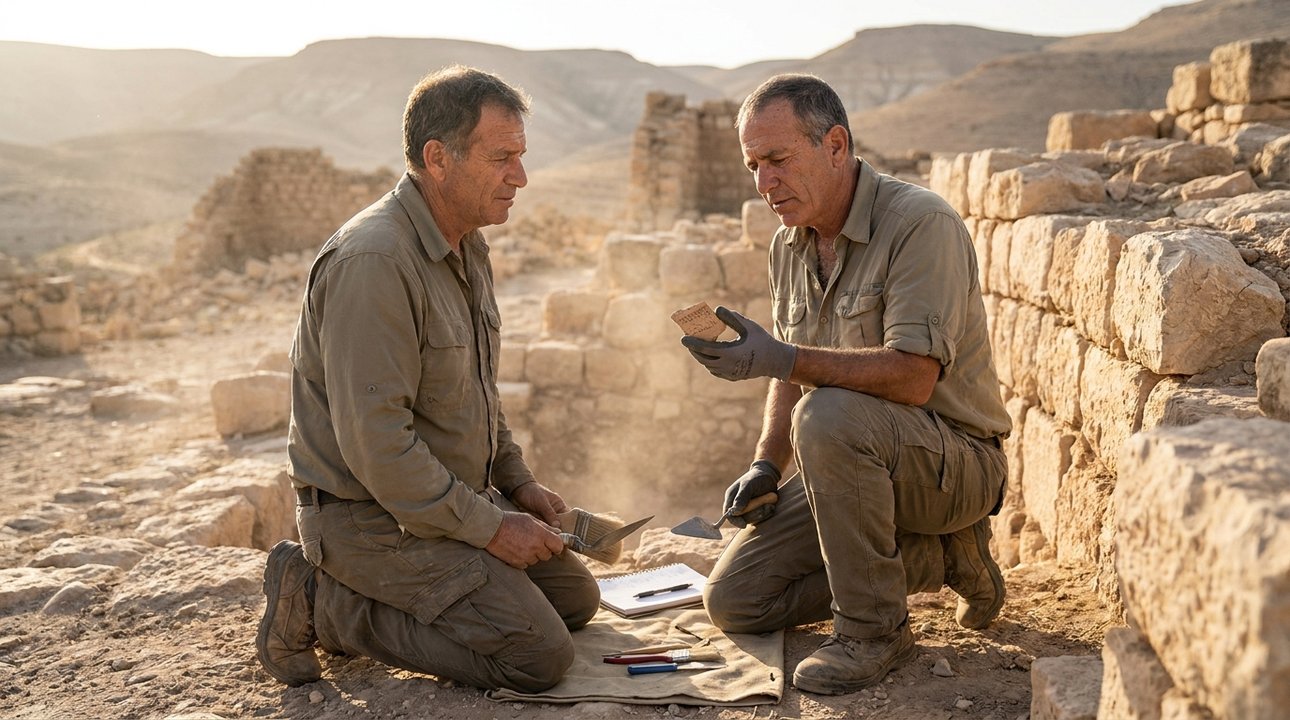
Archaeological studies in modern-day Buseirah have unearthed numerous artifacts, including pottery and inscriptions, aligning with descriptions of Bozrah. These findings support its identification as Bozrah of Edom.
Continued exploration has helped piece together Bozrah’s historical timeline, shedding light on its role in ancient economy and military strategies. While not all questions are answered, archaeology remains a valuable tool in uncovering its storied existence.
Tools and pottery reveal aspects of daily life in Bozrah, while inscriptions provide insights into its governance and societal structure. These discoveries help reconstruct the city’s past and its interactions with neighboring regions.
Archaeologists continue their work, aiming to uncover more about Bozrah’s influence on the region and its place in the broader historical context of the ancient Near East.
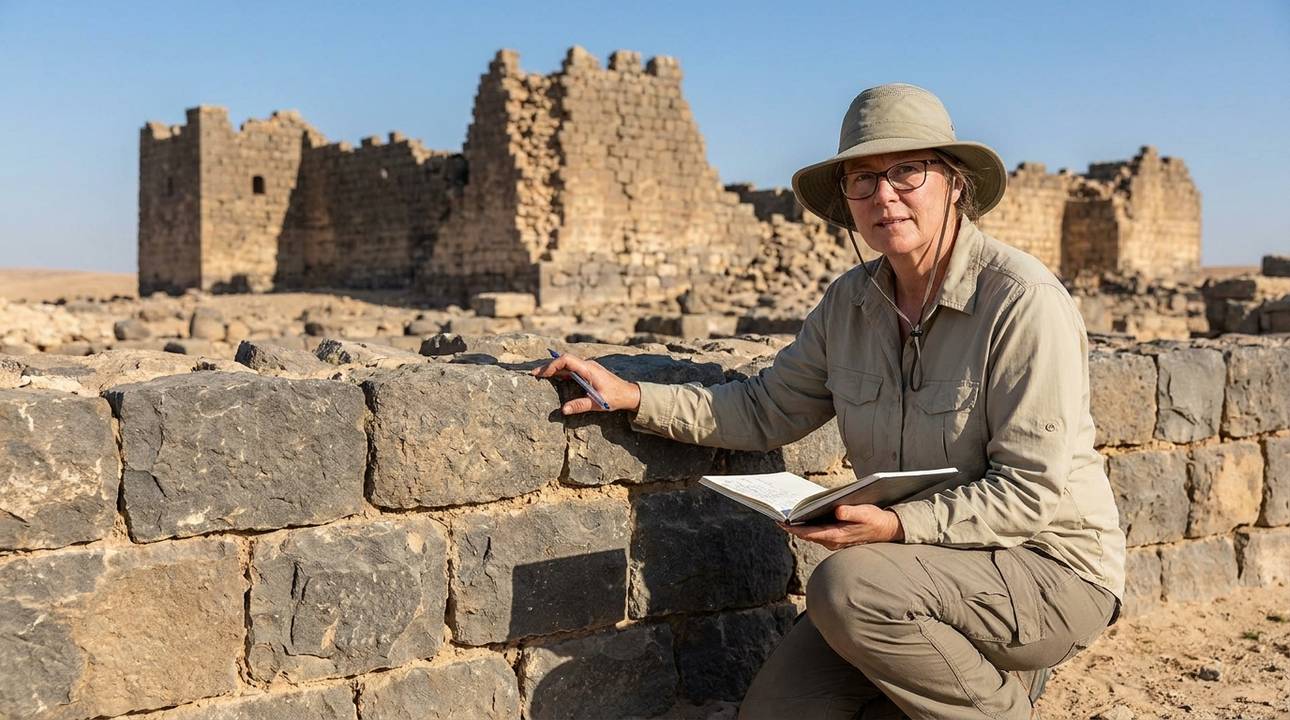
Artifacts found in Buseirah, such as remnants of fortifications, provide a glimpse into Bozrah’s past. These discoveries offer insights into the city’s economic and military significance. For instance, the walls and gates suggest a city prepared for defense, possibly during the reign of Edomite kings.
Research continues to reveal more about Bozrah’s role in the region. As archaeologists uncover more layers of its history, they hope to answer lingering questions about its influence and legacy in the ancient world.
These findings contribute to our understanding of how Bozrah functioned as a hub of trade and governance. The presence of pottery and inscriptions indicates a thriving community engaged in commerce and cultural exchange.
Researchers delve deeper, aiming to uncover more about Bozrah’s interactions with neighboring regions and its place in the broader historical context of the ancient Near East.
Bozrah in Contemporary Culture and Scholarship
Today, Bozrah continues to captivate historians and scholars as a subject of study and a symbol in literary works. Its blend of historical presence and symbolic depth makes it a frequent topic in cultural writings about Edom and historical lands.
Academic efforts focus on its impact on regional history and its lessons in resilience, connecting ancient narratives to modern ideas. Bozrah, with its storied past and continued archaeological interest, remains an enduring piece of the puzzle in comprehending historical landscapes.
Conclusion: Discovering Bozrah’s Legacy
Bozrah represents a realm where history, prophecy, and culture intertwine. Its role in historical narratives is clear and compelling. Bozrah is depicted as a site of judgment, symbolizing Edom’s downfall.
It also speaks of Bozrah’s desolation, yet these prophecies provide a rich context for understanding its historical impact. For those intrigued by history, Bozrah remains a fascinating gateway to understanding the intricate legacy of Edom.
Bozrah’s portrayal in prophetic texts serves as a reminder of the balance between justice and mercy. As a place of both judgment and potential redemption, it offers a lens through which to view the complexities of intervention. This duality makes Bozrah a significant point of reflection in historical literature, where it is seen as a sign of the enduring themes of justice and redemption.
The stories and artifacts of Bozrah offer insights into the ancient world and its societies. Archaeological findings in the region, like pottery and inscriptions, help historians piece together its past. These artifacts reveal the cultural and economic exchanges that took place in Bozrah. Bozrah’s connection to Edom, a nation descended from Esau, adds layers to its narrative. As a key city, it played a role in the broader mix of Israel’s history, serving as a point of reflection on themes of judgment and redemption.
Bozrah’s strategic location made it a focal point for trade and military activities, influencing the region’s dynamics. Researchers continue to explore the area, hoping to uncover more about Bozrah’s interactions with neighboring cultures and its role in shaping the ancient Near East.
The remnants of fortifications and other structures provide valuable insights into the city’s defensive strategies and its importance as a stronghold in Edom.
Understanding Bozrah
