
Finding Havilah: A Historical Exploration


Havilah, a location often surrounded by mystery regarding its precise position, has intrigued scholars and enthusiasts alike.
In this article, we will explore the geographical and historical context of Havilah, uncovering clues to its possible location on today’s map. Some theories suggest it could be in the Arabian Peninsula, while others propose different regions, each with its own historical implications.
These discussions reflect the enduring fascination with historical geography.
The mention of Havilah adds another layer to its historical narrative. This reference highlights the strategic importance of Havilah in historical contexts.
By examining these accounts, we gain insights into the cultural and economic significance of Havilah. The ongoing exploration of its location invites us to consider the broader historical contexts that shaped the world, enriching our understanding of these ancient narratives.
from the Western Wall to Masada.
What Is Havilah’s Significance in the Bible?
Havilah appears numerous times in historical narratives, suggesting it held notable significance. It is described as a land rich with gold, aromatic resin, and precious stones.
This characterization associates Havilah with beauty and wealth, making it a place of interest in stories. The name Havilah is also mentioned in genealogies, identifying it as a region linked to the descendants of Cush.
Havilah marks the eastern limit of Ishmael’s descendants’ territory, adding to its historical narrative importance.
The mention of Havilah underscores its geographical significance. This reference highlights Havilah’s role in the broader context of genealogies and territorial divisions. By tracing these connections, we gain a deeper appreciation for the complex interplay of geography, lineage, and history in the narrative. Havilah’s repeated appearances reflect its enduring importance and the mix of stories that surround it.
Where Is Havilah Located on Modern Maps?
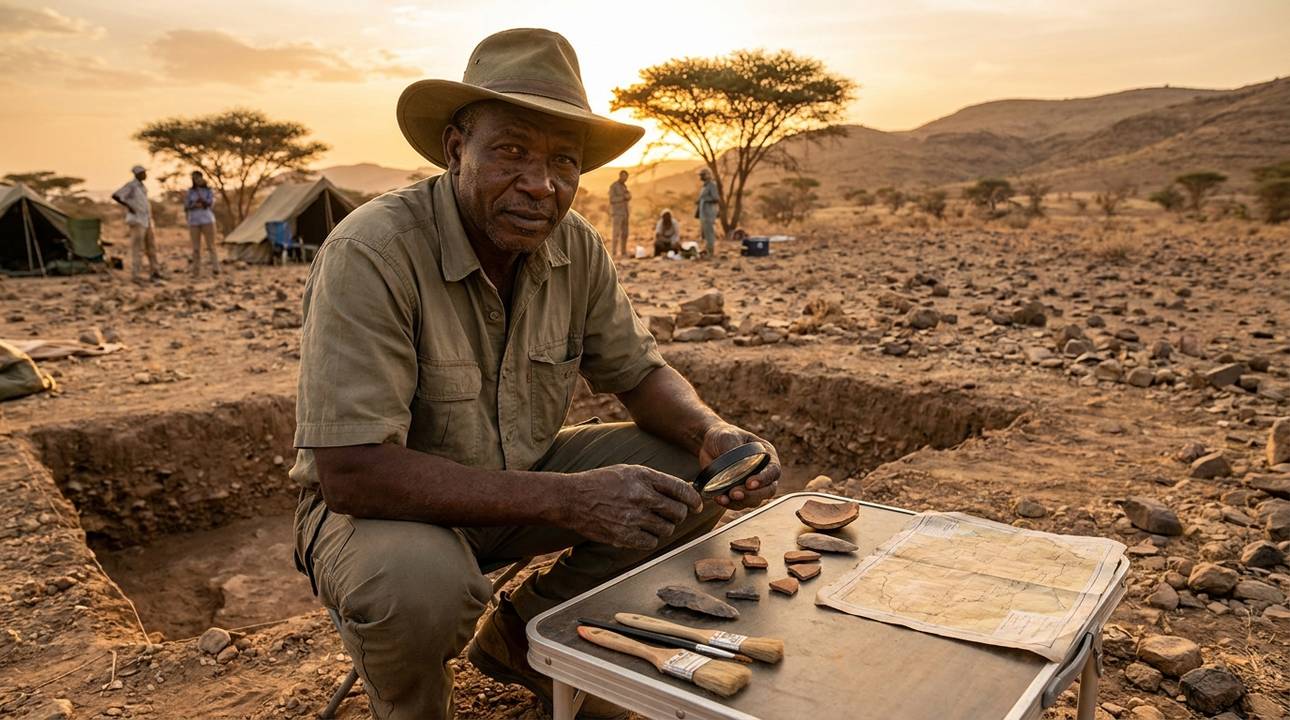
Pinpointing Havilah’s exact location remains a challenge. With no direct archaeological evidence to confirm its position, scholars rely on textual analysis and historical records. Some propose that Havilah might be situated in the area surrounding northeast Saudi Arabia or southern Iraq. Others suggest associations with parts of Africa, due to its link in genealogies with Cush. This ambiguity invites various interpretations, each adding to the mix of historical geography. The debate continues as scholars examine ancient trade routes and historical texts for clues.
Havilah is listed among the descendants of Cush, suggesting a possible African connection. This genealogical link has led some scholars to explore regions in northeast Africa as potential locations for Havilah.
The lack of concrete evidence allows for a wide range of interpretations, each contributing to the ongoing scholarly conversation. By examining ancient trade routes and historical texts, researchers hope to uncover more about Havilah’s role in the ancient world and its geographical significance.
Havilah in Ancient Texts
Beyond ancient texts occasionally reference Havilah. These documents help further the conversation about its possible location. However, they often offer only general clues without precise coordinates.
For instance, some writings suggest Havilah was a land of great wealth and natural resources, echoing its descriptions. Thus, Havilah’s place in historical geography continues to be explored, invoking a blend of scholarship and imagination.
The Talmud, a central text in Jewish tradition, sometimes mentions regions like Havilah in discussions of geography and lineage. These references, while not definitive, contribute to the mix of historical and cultural understanding. The ambiguity surrounding Havilah’s location has led scholars to propose various theories, ranging from the Arabian Peninsula to regions in Africa. Each hypothesis offers a unique perspective on the ancient world, encouraging ongoing exploration and debate among historians and theologians.
Possible Etymology and Meaning of ‘Havilah’
The name Havilah possibly derives from a root meaning ‘to twist’ or ‘to circle,’ fitting the descriptions that allude to a land of encircling abundance. This etymology reflects the descriptive richness often found in place names.
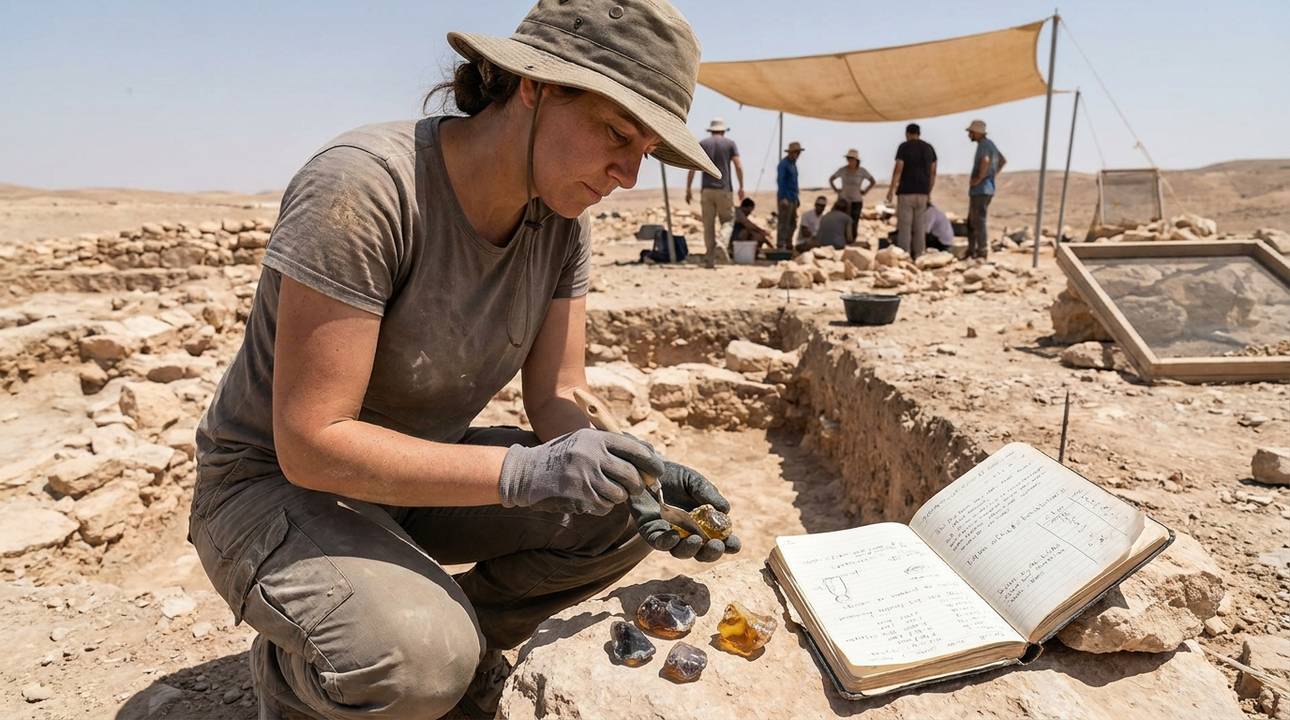
By understanding these roots, we connect to a deeper comprehension of what such places represented to ancient societies. The mention of Havilah as a land rich in resources highlights its importance in narratives. It was known for its gold, bdellium, and onyx stone.
Havilah is described as a region where the gold is good, and the bdellium and onyx stone are found, emphasizing its wealth.
The significance of these materials in historical contexts cannot be overstated, as gold was a symbol of wealth and power, while bdellium and onyx were prized for their beauty and rarity. This depiction of Havilah as a land of abundance and prosperity reflects its esteemed place in history.
Such descriptions invite us to consider the broader cultural and economic contexts of these resources.
from the Western Wall to Masada.
Havilah’s Cultural Impact over Time
While the exact boundaries of Havilah may remain elusive, its name endures in cultural narratives. It represents a land of promise, prosperity, and mystery that continues to captivate interest from historians and scholars alike.
This ongoing intrigue showcases the dynamic relationship between land and identity in literature, inspiring ongoing exploration and interpretation. References to Havilah emphasize its enduring role in history and cultural memory.
Such narratives highlight the significance of land in shaping ancient identities.
The enduring fascination with Havilah reflects the broader themes of land and identity in literature. By examining these narratives, we gain insights into the ways in which geography and history intersect to shape cultural memory. The stories of Havilah invite us to explore the mix of history, encouraging ongoing dialogue and discovery. Through these explorations, we deepen our understanding of the ancient world and the legacy of its stories.
Havilah in the Present Day
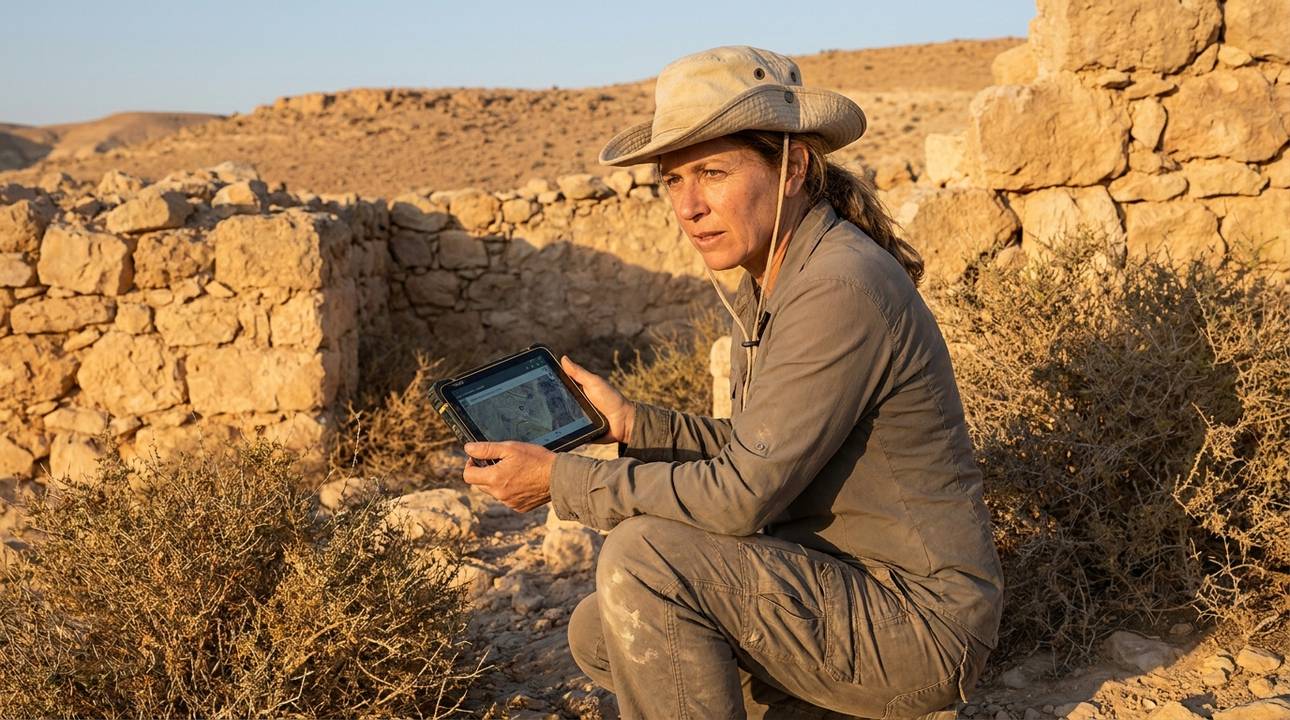
Today, the search for Havilah often evokes discussions about archaeology and historiography. Modern technology, including geographical information systems (GIS), helps enhance our understanding of where sites like Havilah might have been. Such efforts illuminate not just ancient locations, but also the evolving methods of scholarship as it intersects with current scientific approaches. These technologies provide new insights into historical geography and the cultural role of lands. They also offer tools for reconstructing ancient landscapes and understanding historical contexts.
Summary of Key Points
Havilah is a region intertwined with wealth and history, first mentioned in ancient texts. While its exact location remains uncertain, some scholars suggest it could be near the Arabian Peninsula or northeast Africa.
Today’s technologies, such as satellite imagery and archaeological surveys, continue to offer fresh perspectives on ancient mysteries, keeping the discussion of Havilah alive in academic circles.
These advancements help bridge the gap between text and historical geography, providing new insights into ancient trade routes and settlement patterns.
The use of satellite imagery and archaeological surveys allows researchers to explore potential sites for Havilah with greater precision. These technologies enable a more detailed examination of ancient landscapes, offering clues to the region’s history. By integrating modern techniques with traditional scholarship, we gain a more comprehensive understanding of Havilah’s place in the historical world. This approach enriches our appreciation of the complex interplay between text and geography, shedding light on the mysteries of the past.
How Lev Haolam Is Connected to This Legacy
By exploring locations like Havilah, Lev Haolam fosters a deeper connection to the culture and history of the land. Havilah is mentioned as a region rich in gold, bdellium, and onyx stone, suggesting its historical wealth and significance. Through our curated products, we support Israeli artisans and small businesses, weaving present-day connections with history. This initiative not only honors the past but also empowers the local economy and preserves cultural traditions. Our efforts help sustain the legacy of these lands.
The story of Havilah reminds us of the enduring connections between land, resources, and community. By supporting local artisans through Lev Haolam, we contribute to the preservation of cultural heritage and the strengthening of Israeli communities. This initiative reflects a commitment to celebrating and sustaining the mix of history and tradition that defines regions like Havilah. Through these efforts, we ensure that the stories and significance of such lands is still remembered and enrich future generations.
Understanding Havilah's Significance
