
Discovering Kedar in the Bible


Kedar is a name that appears in ancient texts as one of the sons of Ishmael, giving its name to an Arabian tribe. The descendants of Kedar became known as the Kedarites, a nomadic tribe mentioned in several historical passages. They played a role in providing livestock for offerings, indicating their economic importance.
This article explores Kedar’s historical mentions and context, shedding light on how this tribe interacted with other cultures and its role in ancient trade networks.
Who Was Kedar in the Bible?
Kedar was a son of Ishmael, mentioned in ancient texts. The tribe of Kedar is traditionally associated with nomadic communities in the Arabian Peninsula.
They were known for their skills in archery and trade. Kedarites were also noted for their tents made of black goat hair, which were highly valued in trade.
Through Ishmael, Kedar is linked to historical narratives, illustrating the tribe’s importance in genealogies and stories.
from the Western Wall to Masada.
Where Is Kedar Mentioned in the Bible?
Kedar appears in several historical texts, representing prosperous desert tribes involved in trade, highlighting their economic significance.
The Psalms also mention Kedar in poetic verses, illustrating its significance as a symbol of distant lands. These references underscore Kedar’s prominence in historical narratives.
They reflect its role in the cultural and economic exchanges of the time, emphasizing its influence in the ancient world.
The Historical Context of Kedar
Ancient texts often portray Kedarites as skilled archers and traders. The Kedarites are described as formidable warriors, emphasizing their prowess with the bow. Their region was known for its rich animal husbandry, particularly camels, which were essential for trade caravans.
They mainly inhabited areas in northwestern Arabia. Strategically located along trade routes connecting the Arabian Peninsula with the Levant and Mesopotamia, the Kedarites played a vital role in regional commerce.
How Does Kedar Relate to Ishmael?
As the descendants of Ishmael, Kedarites had a lasting impact on the Arabian Peninsula. Their presence is noted in various historical texts, illustrating their influence. Mentions of Kedar’s tents and flocks emphasize their wealth and nomadic lifestyle.
Their heritage connects to broader themes of nomadic life in ancient texts. Their nomadic way of life was integral to their identity and survival in the harsh desert environment.
Ishmael’s line emphasizes cultural and historical narratives, with references highlighting their role in regional interactions. The Kedarites’ ability to adapt and thrive in the desert made them key players in trade and cultural exchanges. Their interactions with other tribes and nations contributed to the mix of Middle Eastern history. This adaptability and resilience are central themes in their story, reflecting their importance in historical contexts.
Kedar in Later Jewish Traditions
Rabbinic literature occasionally reflects on Kedar in relation to Ishmael’s lineage. These texts explore the genealogical connections and the broader implications of Ishmael’s descendants in Jewish history.
These texts continue to develop the connection between Kedar and historic journeys, often linking them to the broader narrative of the Israelites. The symbolism of Kedar enriches Jewish historical understanding, offering a nuanced view of the interactions between different tribes and cultures.
from the Western Wall to Masada.
Modern Interpretations of Kedar
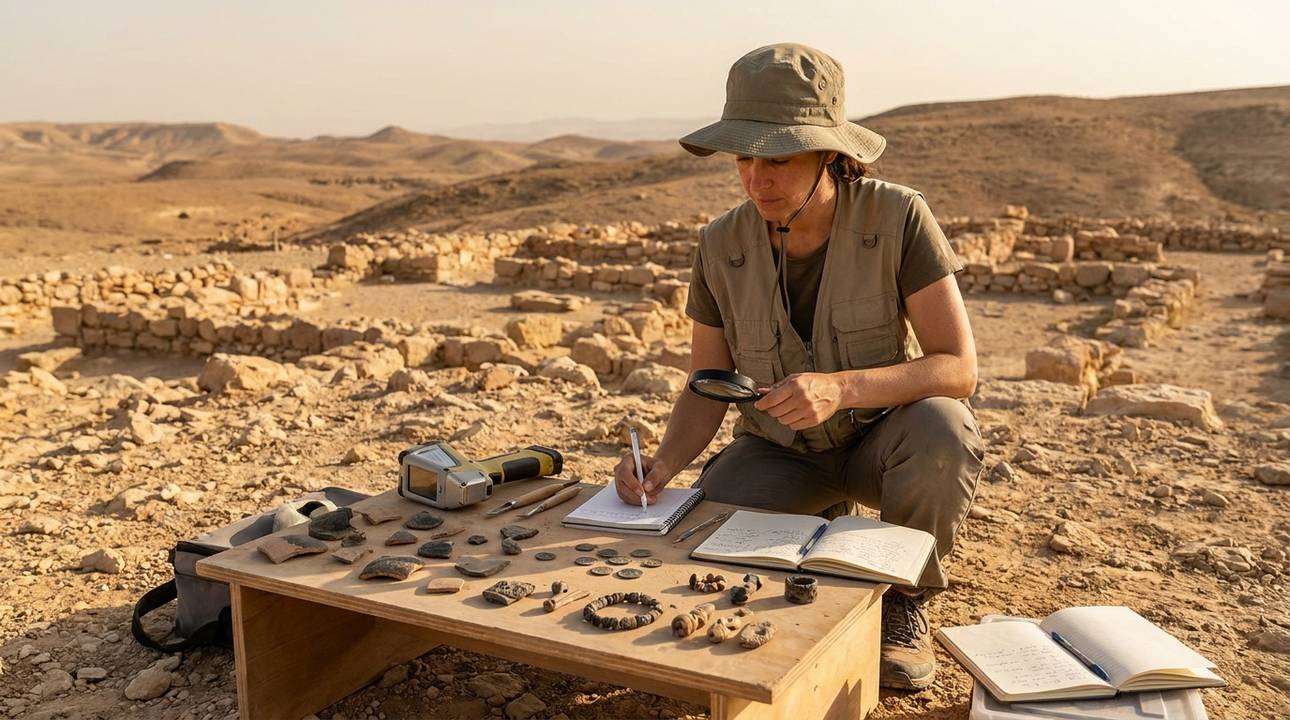
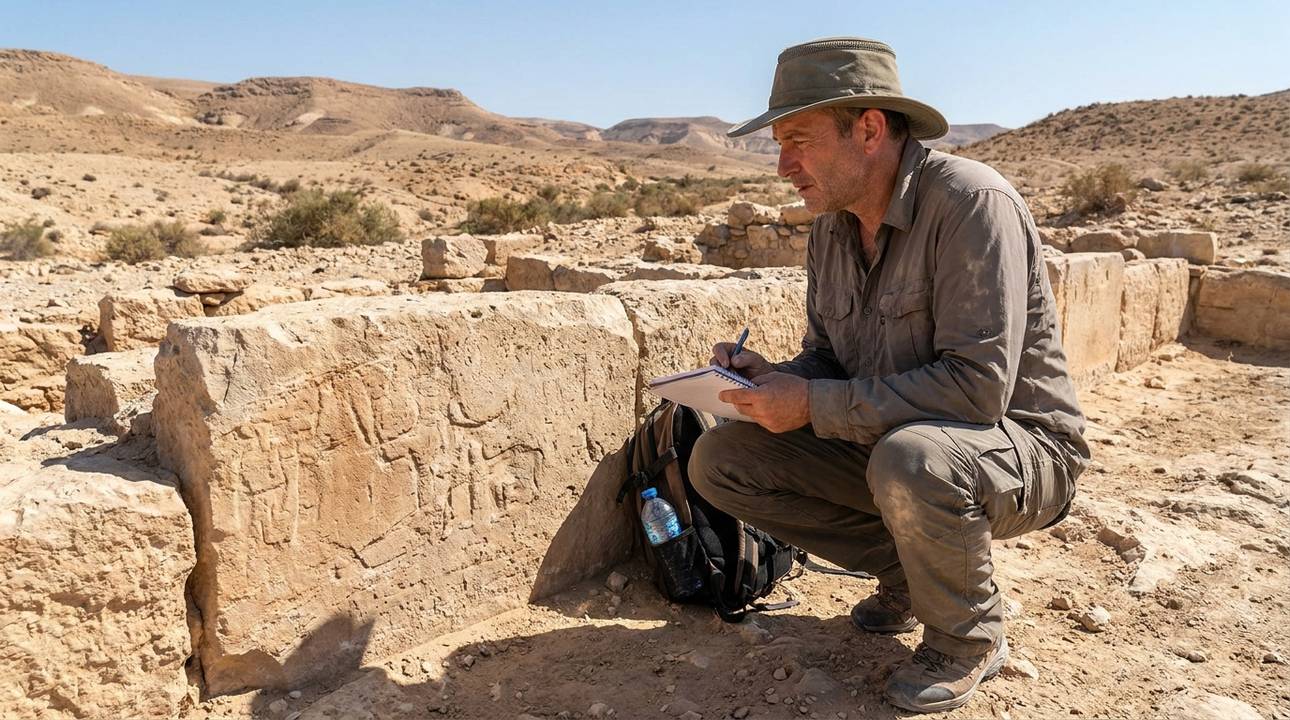
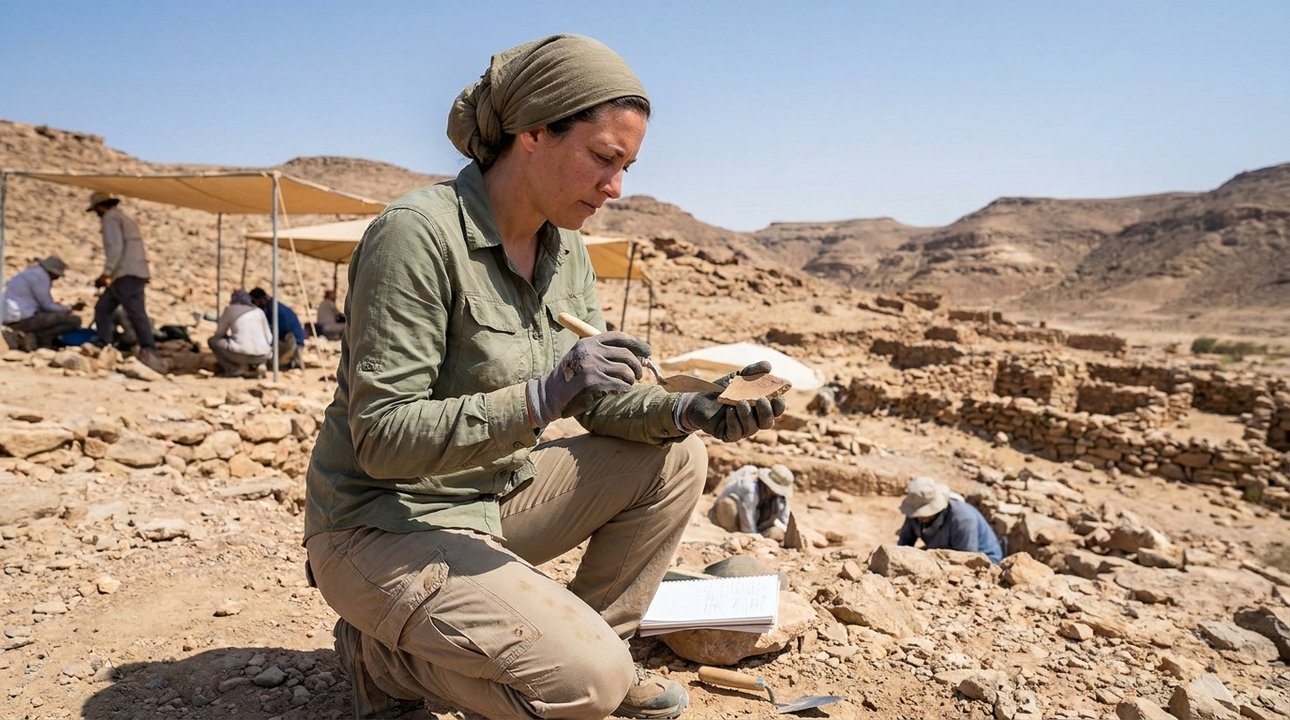
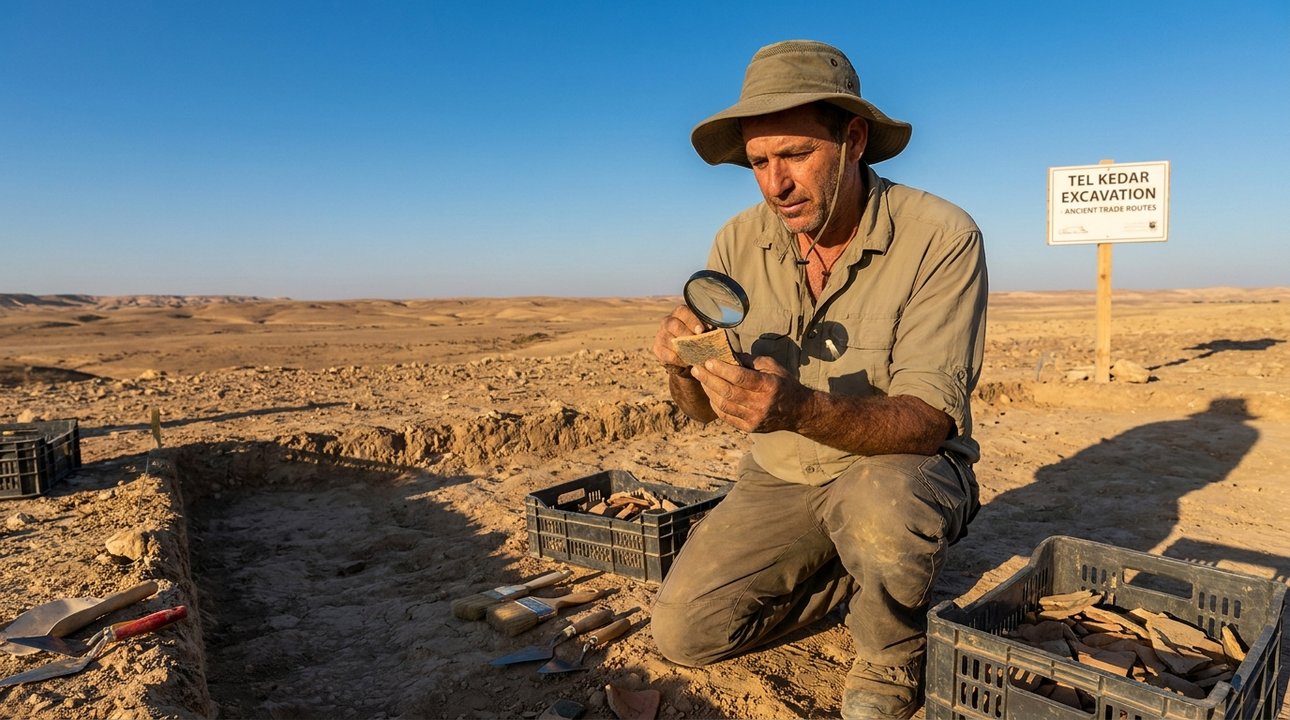
Explorations of Kedar today often focus on archaeology and anthropology. Excavations in regions historically inhabited by the Kedarites have uncovered artifacts such as pottery and tools, providing insights into their daily lives.
Kedar’s legacy is studied through artifacts and historical landscapes, offering a glimpse into the tribe’s social structure and economic activities. Modern researchers connect Kedar’s stories with contemporary Arabian studies, enhancing our understanding of ancient Arabian cultures.
Kedar’s Cultural Role
Kedar symbolizes trade and travel routes of ancient Arabia. The tribe’s influence includes interactions with neighboring regions, such as the Nabateans and the Assyrians, as evidenced by historical records and archaeological findings. These aspects highlight Kedar’s role in the spread of culture and ideas, facilitating exchanges between different civilizations and contributing to the mix of Middle Eastern history. Their strategic location along trade routes was crucial for economic exchanges.
Conclusion: Why Study Kedar?
Studying Kedar offers insights into early Semitic peoples and their movements. The Kedarites are mentioned as skilled warriors. Their expertise in archery was renowned, making them formidable in battle.
This knowledge illuminates parts of history and subsequent cultural impacts. Their interactions with neighboring tribes, such as the Nabateans, highlight their influence. The Nabateans, known for their trading prowess, often interacted with Kedarites, facilitating cultural exchanges.
Exploring Kedar connects the ancient past with our understanding of historical legacies, showing how these tribes contributed to the cultural exchanges in the region.
The Kedarites’ involvement in trade routes helped spread ideas and goods across vast areas, influencing the development of civilizations. Their strategic position allowed them to serve as intermediaries between different cultures, enhancing their role in the ancient world.
This blend of trade and cultural interaction left a lasting mark on the region’s history.
Common Questions
