
The Mystery of Kir: Its Location and Significance
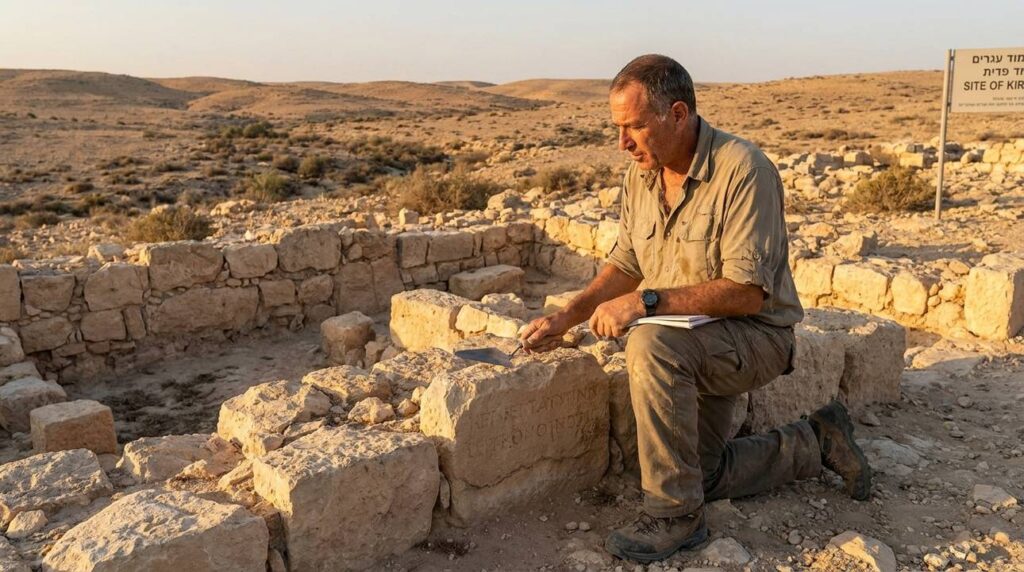

Kir is a location known for its connection to the kingdoms of Moab and Aram. Although its exact location is debated, it is traditionally associated with regions north of Israel. The name Kir appears in several historical contexts, including texts that reference its strategic or cultural role. Kir is noted in a military context, suggesting its potential role in ancient conflicts.
The association with Moab and Aram indicates Kir was part of a network of influential cities. Its strategic significance is further emphasized by its mention in military scenarios.
Scholars continue to explore Kir’s role in ancient geopolitics, examining how it might have influenced events in the region. These investigations offer insights into historical narratives and the realities of the time.
from the Western Wall to Masada.
What Is Kir in the Bible?
Kir is mentioned as an important location in several historical passages. It is linked with Elam and considered a land of military strength. This suggests that Kir was not only a military power but also a cultural entity of significance.
The presence of Kir in these texts underscores its importance in the ancient world. It was likely connected to the territories of Aram and Moab, serving as a backdrop for various declarations and historical events.
The exact identity and location of Kir have been debated by scholars. Some propose it was near regions like Jordan or Syria, while others suggest it was farther east in Mesopotamia.
These debates highlight the complexity of ancient geography and the challenges of aligning historical accounts with evidence. Kir’s mention in military contexts underscores its strategic importance, possibly influencing regional dynamics in the era.
Where Might Kir Have Been Located?
The location of Kir is not precisely defined, but many scholars suggest it was near the regions of Jordan or Syria. Its mention alongside locations like Elam points to an area possibly east of the Jordan River.
Historical texts and archaeological findings have yet to uncover a definitive location, but these regions offer hypotheses based on references from other ancient cultures.
The uncertainty adds to the intrigue, inviting further exploration into its historical context. Scholars continue to investigate, hoping to uncover more about Kir’s true location and significance.
This ongoing research highlights the complexities of ancient geography and the challenges of aligning historical accounts with evidence.
Kir’s Role in Historical Narratives
Kir is notably mentioned in prophetic contexts, particularly in historical texts. Discussions imply a role in narratives concerning exile and restoration.
Such texts contribute to the association of Kir with themes of judgment and redemption. These themes illustrate its metaphorical use in narratives about national destiny and transformation.
References highlight Kir’s strategic military role in ancient conflicts. This dual portrayal of Kir as both a literal and symbolic entity enriches our understanding of its place in history.
The use of Kir underscores its significance in the broader narrative, serving as a symbol of both challenge and hope in historical journeys.
The mention of Kir ties it to themes of judgment and redemption, illustrating its metaphorical use in narratives about national destiny and transformation.
Discussions imply a role in narratives concerning exile and restoration.
These references suggest that Kir was not just a geographical location but a symbol of broader narratives, reflecting the complexities of exile, restoration, and the unfolding of historical events.

Kir and Its Cultural Role
Kir, like many historical locations, likely had a cultural role beyond military associations. References could include cultural exchanges between peoples or be symbolic of broader geopolitical landscapes of the time. The limited references keep much of Kir’s story in the realm of the unknown. Yet, they draw a connection between it and various narratives of power and influence in ancient texts.
This suggests that Kir may have played a role in regional politics and cultural interactions. The mystery surrounding Kir invites further exploration, as scholars seek to uncover the full extent of its influence.
These investigations contribute to a broader understanding of the ancient Near East, shedding light on the interconnectedness of its peoples and cultures.
The limited references to Kir in historical texts keep much of its story in the realm of the unknown. Discussions mention Kir in relation to journeys.
References draw a connection between Kir and various narratives of power and influence in ancient texts.
This suggests that Kir may have been a center for cultural exchanges or symbolic of broader geopolitical landscapes. These references reflect the complexities of ancient Near Eastern societies.
The mystery surrounding Kir invites further exploration, as scholars seek to uncover the full extent of its influence and significance in history.
How Is Kir Portrayed in Rabbinic Literature?
In Rabbinic literature, interpretations of Kir often expand on its significance. Commentaries explore its association with visions, highlighting its symbolic roles.
Rabbinic scholars provide deeper layers of understanding, focusing on Kir’s implications and the broader messages conveyed through its mentions. Discussions speak of Kir in the context of judgment.
This reflects its symbolic use in discussions of morality and justice. Such interpretations offer insights into the moral and ethical dimensions of texts, enriching the historical and theological discourse.
By examining these layers, scholars gain a more nuanced view of Kir’s role in the narrative, contributing to a richer understanding of its historical and significance.
from the Western Wall to Masada.
Rabbinic interpretations often delve into Kir’s symbolic roles in visions. The Talmud, for instance, sometimes references Kir when discussing themes of exile and return, echoing narratives found in historical texts.
References highlight its military significance. These interpretations enrich the historical understanding of Kir.
They also provide a framework for exploring its metaphorical significance in Jewish theology and literature. By examining these symbolic roles, scholars gain insights into the moral and ethical dimensions of texts. Such interpretations offer a deeper understanding of the spiritual and history of Kir, contributing to the ongoing discourse in studies.

Kir in Modern Scholarship
Modern archaeological and historical studies are dedicated to uncovering the mysteries surrounding Kir’s location. Researchers often focus on areas within the Levant and Mesopotamia, regions rich in history. Continued exploration may one day reveal more about Kir’s exact placement.
Current scholarship integrates historical texts with records to form theories about Kir’s influence. References highlight its strategic importance in ancient warfare.
The mention of Kir alongside Elam in Isaiah suggests a connection to regions known for their military prowess. This context supports the idea that Kir was a significant player in historical conflicts.
Archaeologists and historians collaborate to piece together evidence from artifacts and ancient writings. This interdisciplinary effort helps to build a clearer picture of Kir’s role in the ancient world, though much remains to be discovered.
The integration of archaeological findings with historical texts helps scholars propose theories about Kir’s influence and geographical footprint. Theories often suggest it was located near the Aramean kingdom.
This aligns with historical records of regional conflicts and alliances, providing a more comprehensive view of Kir’s role in the ancient Near East.
References suggest its strategic importance in ancient warfare. Such interdisciplinary approaches enrich our understanding of Kir.
These efforts provide a more holistic view of its role, highlighting the interconnectedness of the ancient Near Eastern societies and their complex histories.
Sources and References
For a comprehensive understanding, scholars and enthusiasts alike turn to ancient texts and archaeological findings. Historical references are especially valuable.
These insights, combined with key historical interpretations focused on surrounding regions, offer a richer context for understanding Kir’s role in the ancient world.
Archaeological evidence from areas like the Levant provides context to these texts, offering a glimpse into the cultural and political landscape of the time. This helps piece together Kir’s historical narrative.
Such interdisciplinary efforts are crucial in reconstructing the past, as they bring together diverse sources of knowledge to form a cohesive picture of history.
The Legacy of Kir in Historical Studies
Kir remains a topic of interest within historical studies due to its enigmatic nature and presence in significant narratives. It captures the imagination of historians and theologians, representing layers of lost ancient complexities.
The pursuit of understanding Kir exemplifies the fascinating journey of scholarship. History, theology, and archaeology converge in this quest, with mentions continuing to intrigue scholars.
These texts encourage ongoing research and debate, as scholars seek to uncover the true significance of Kir. Theories about its location and influence are continually refined as new evidence emerges.
This ongoing scholarly dialogue highlights the dynamic nature of studies, where ancient texts are constantly re-evaluated in light of new discoveries. Kir’s story is a reminder of the complexities and mysteries that still surround the ancient world.
The enigmatic nature of Kir in historical texts draws historians and theologians to explore its complexities. This pursuit exemplifies the fascinating journey of scholarship, where history, theology, and archaeology converge.
Through these studies, Kir becomes a symbol of the broader quest to understand ancient societies and their enduring legacies in religious and historical narratives. Its mentions continue to intrigue scholars, encouraging ongoing research and debate.

Understanding Kir
