
Understanding the Location of Kue in the Bible


Kue is an ancient region typically identified with Cilicia, located in southern Anatolia, which is present-day Turkey. In biblical times, Kue is referenced in the context of tribute and alliances. This article explores Kue’s geographical and historical significance.
Historical records associate Kue with major trade routes and powerful empires due to its strategic location. It served as a pivotal ally for nearby regions.
from the Western Wall to Masada.

What Is the Historical Kue?
Kue’s involvement in trade and alliances is documented through various historical sources. The region was inhabited by the Hittites and other groups, recognized for its resources and strategic position on essential trade routes.
Geographical Context of Kue
Kue was situated in what is now Turkey, encompassing parts of ancient Cilicia. The area was characterized by fertile plains and ports that facilitated trade between the Levant and Anatolia.
The Taurus Mountains offered natural defenses, while the Cilician Gates provided military advantages. The fertile lands in Kue supported agriculture, which in turn contributed to its wealth.
History of Kue in the Bible
Kue’s significance is illustrated through its trade and alliances, especially with Tyre. Its economic importance is documented in historical texts, providing insight into the region’s allegiances.
Kue in Modern Understandings
Today, understanding Kue’s history is essential for comprehending ancient trade routes. Scholars continue to debate its boundaries and influence, which were centered in what is now southern Turkey.
Archaeological Findings Related to Kue
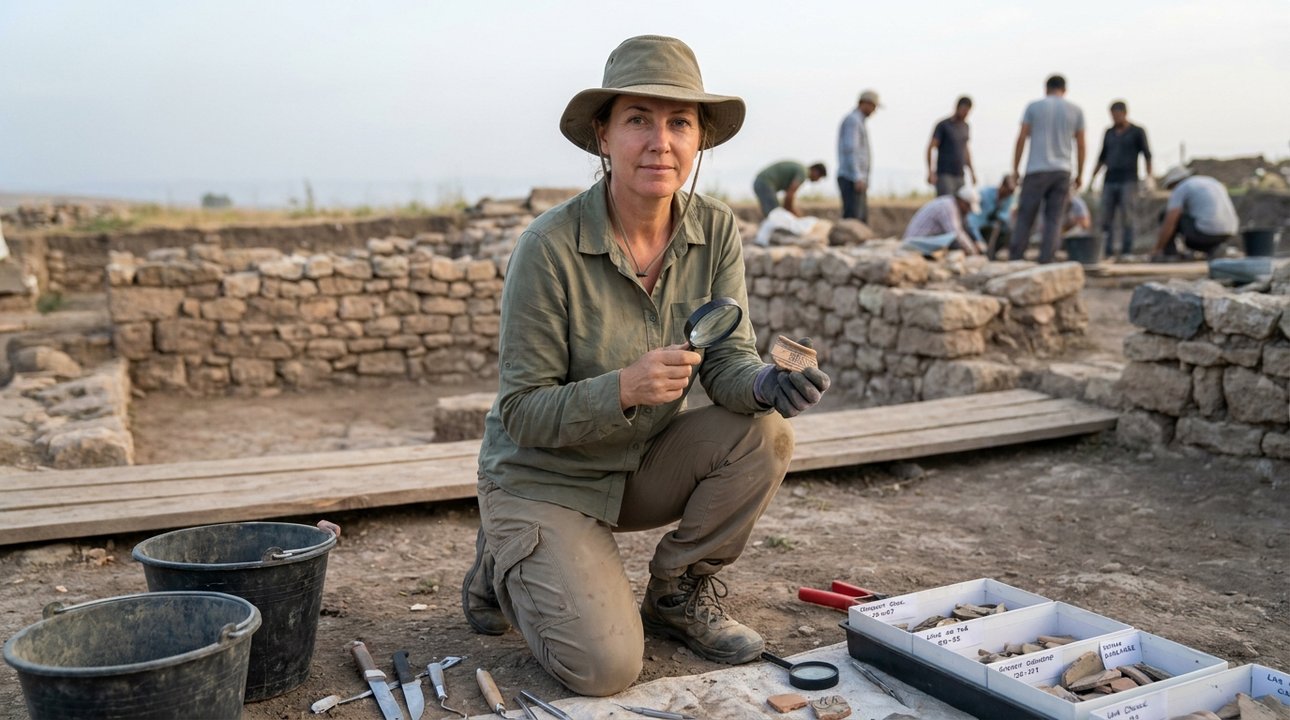
Artifacts from the region reveal details about Kue’s social and political dynamics. Discoveries confirm interactions with neighboring areas. The remains of fortified cities suggest an organized society.
The variety of artifacts found indicates Kue’s role as a cultural meeting point. The presence of fortified structures reflects the region’s emphasis on security and defense.
Excavations have uncovered numerous artifacts, ranging from household items to luxury goods, which provide insights into the daily lives of its people.
Cultural Influences in Kue
Kue’s strategic location fostered a blend of cultural influences, visible in its art and architecture. This fusion of Eastern and Western elements highlights its role as a cultural center.
The art and architecture demonstrate a mixture of styles, reflecting diverse cultural interactions that enriched local traditions.
from the Western Wall to Masada.
Artifacts such as pottery display a combination of artistic styles, while architectural remains showcase a blend of defensive and aesthetic elements.
Trade and Economy of Kue
Kue’s economy thrived due to its strategic location, facilitating trade between major civilizations. It was known for exporting metals and textiles, essential commodities in ancient times.
Archaeological evidence, such as metal ingots and textile fragments, highlights Kue’s role as a manufacturing and distribution center.
The region’s prosperity attracted a variety of merchants and artisans, which is evident in the diversity of artifacts uncovered in excavations.
Kue in Later Historical Context
Over time, Kue’s influence changed under various empires. The region adjusted to new rulers and trade patterns, from the Assyrians to the Persians.
The region’s ability to adapt is evident through its resilience, maintaining relevance amid shifting political landscapes.
Changes in Kue’s influence are reflected in the archaeological record, where shifts in material culture demonstrate the impact of different ruling powers.
Conclusion: Kue in Historical Narratives
Mentions of Kue in ancient texts provide insights into past political and cultural interactions. As a trading partner of Tyre, Kue played a significant role in regional commerce.
Understanding Kue enhances our appreciation of historical texts, offering a backdrop for historical interactions and exchanges.
Historical Context
