
Discovering the Location of Ophrah Today
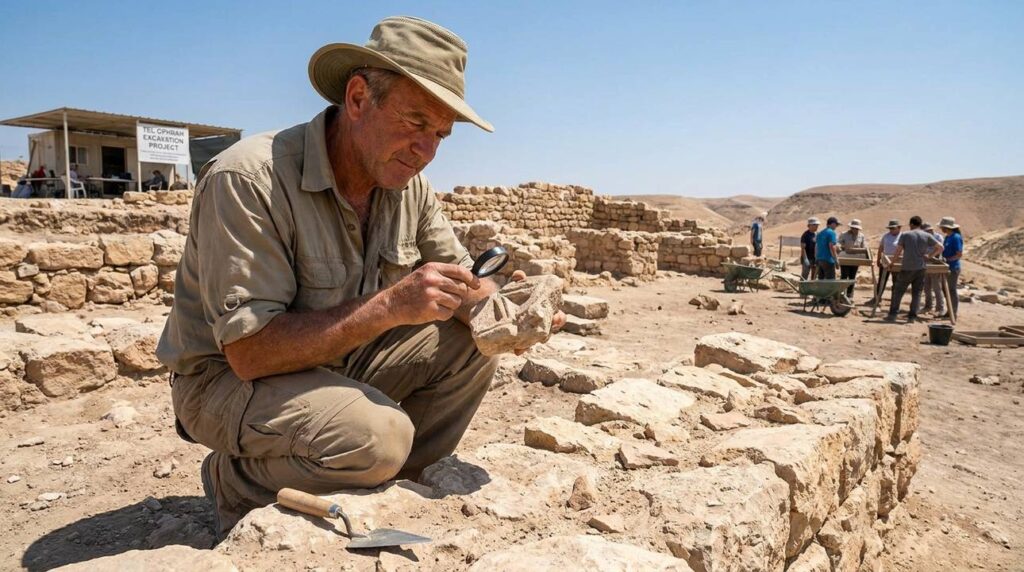

Ophrah is one of those intriguing places mentioned in historical texts, sparking curiosity about its exact location today. While the definite site remains uncertain, there are some educated guesses based on historical texts and archaeological findings.
Some scholars suggest it may be located near the modern-day city of Tulkarm in the West Bank, although this is not definitively proven.
Archaeological evidence, such as ancient ruins and artifacts, continues to be studied to provide more clarity.
What Is Ophrah?
Ophrah is referenced in historical texts, often associated with control and tribal territories. It appears as a town within the territory of Benjamin, emphasizing its role in the history of Israel.
The significance of Ophrah lies not only in its geographical attribution but also in its symbolic meaning attached to various events in historical narratives. It is mentioned in the context of battles, highlighting its strategic importance.
This exploration delves into how Ophrah is understood today from both historical and archaeological perspectives.
from the Western Wall to Masada.
Mentions of Ophrah in Historical Texts
In historical texts, Ophrah is noted as a significant location, appearing in narratives including the book of Judges. It is where a famed Israelite judge resided and was called into leadership. This site, associated with significant encounters, highlights the town’s importance. Through these narratives, Ophrah’s mention underscores its connection to Israelite heritage and identity.
The exploration of Ophrah reveals more than just a town’s name; it captures a piece of cultural memory. Ophrah is mentioned in historical texts in connection with the tribe of Benjamin, illustrating its significance in the tribal landscape of the region. These accounts provide context for the geographical and cultural landscape, underscoring the interplay between land and identity. The stories centered around this place are still remembered as a reflection on the broader narrative of the Israeli tribes. The tribal associations of Ophrah highlight its role in the collective identity of the Israelites.
Where Could Ophrah Be Located Today?
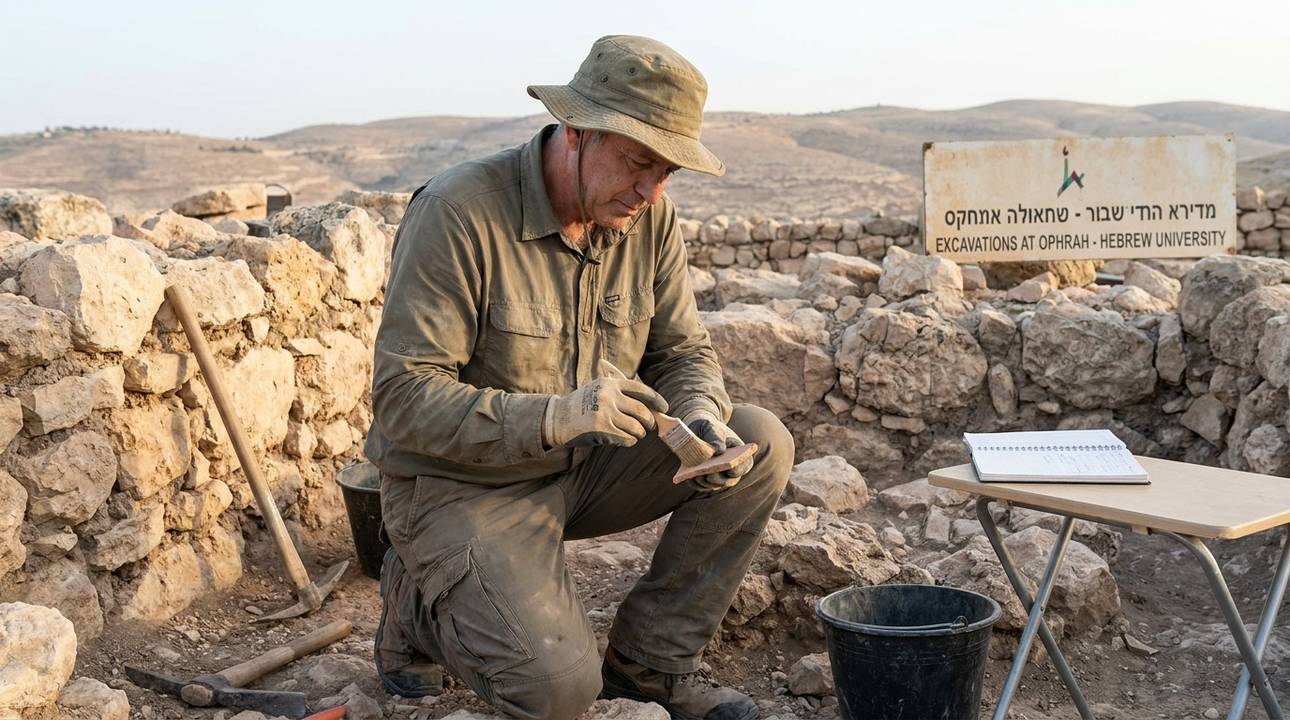
While there’s no consensus on Ophrah’s exact modern location, scholars suggest its possible identification with areas in the West Bank. Historical analyses and archaeological studies provide clues pointing toward locations like Taybeh (previously identified but now questioned).
Continuing excavations and study of ancient texts contribute to the evolving understanding of where Ophrah might have been situated. These efforts reflect the ongoing quest to connect historical accounts with tangible historical evidence.
Each discovery adds a piece to the puzzle, offering a deeper insight into the ancient world.
Connecting historical locations to modern geography involves interpreting references and archaeological findings. Efforts to locate Ophrah help illuminate its role within the broader landscape of the region. The scholarly exploration may not always provide definitive answers but offers valuable insight into the dynamics of historical narratives and their geographical roots.
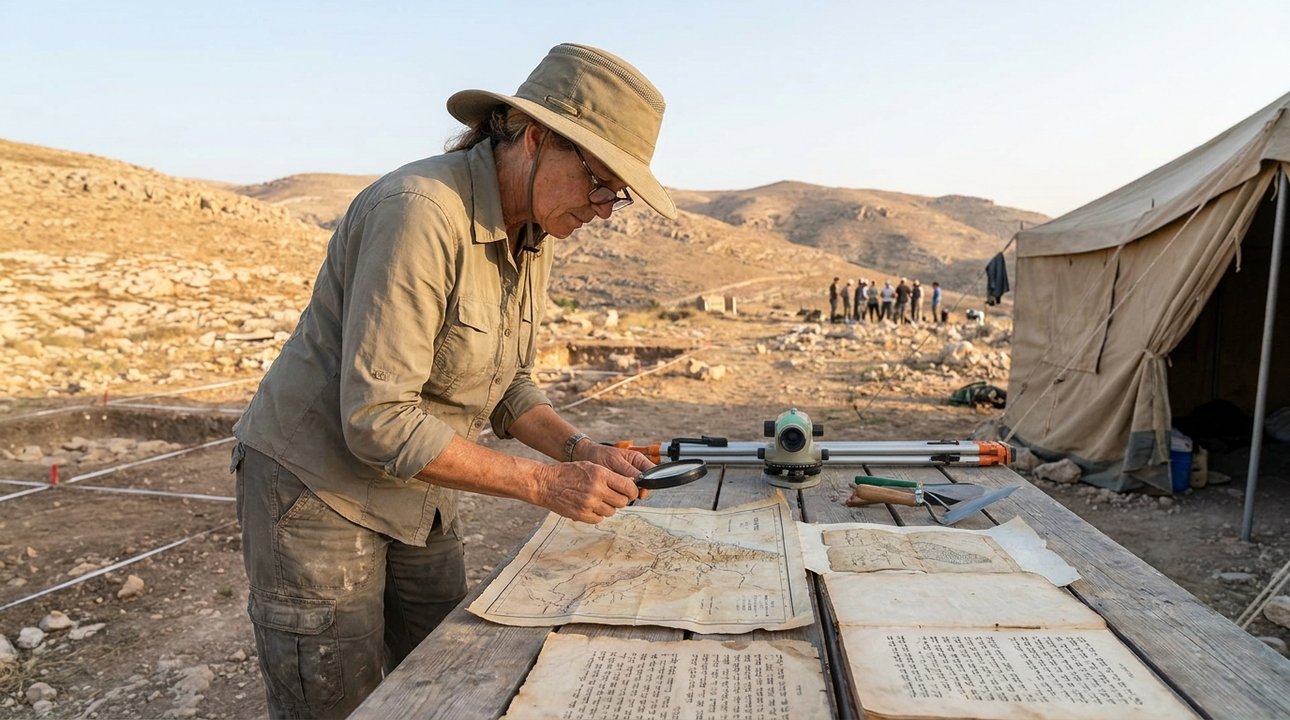
Archaeologists often rely on ancient maps and texts to hypothesize potential sites, enhancing our understanding of history.
Archaeological Insights into Ophrah
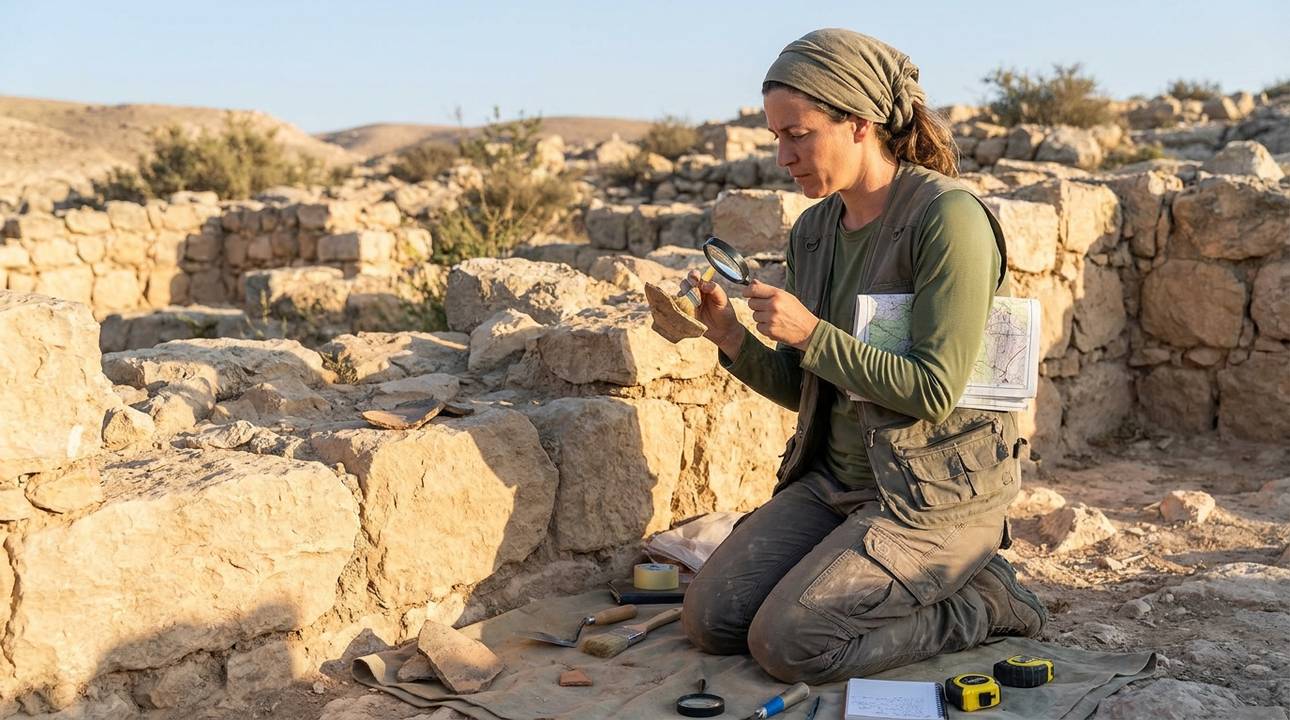
Archaeology plays a key role in unraveling Ophrah’s past. Excavations in regions identified through historical text provide a glimpse into ancient settlement patterns. Artifacts uncovered in these areas reflect the culture and daily life of the Israelites.
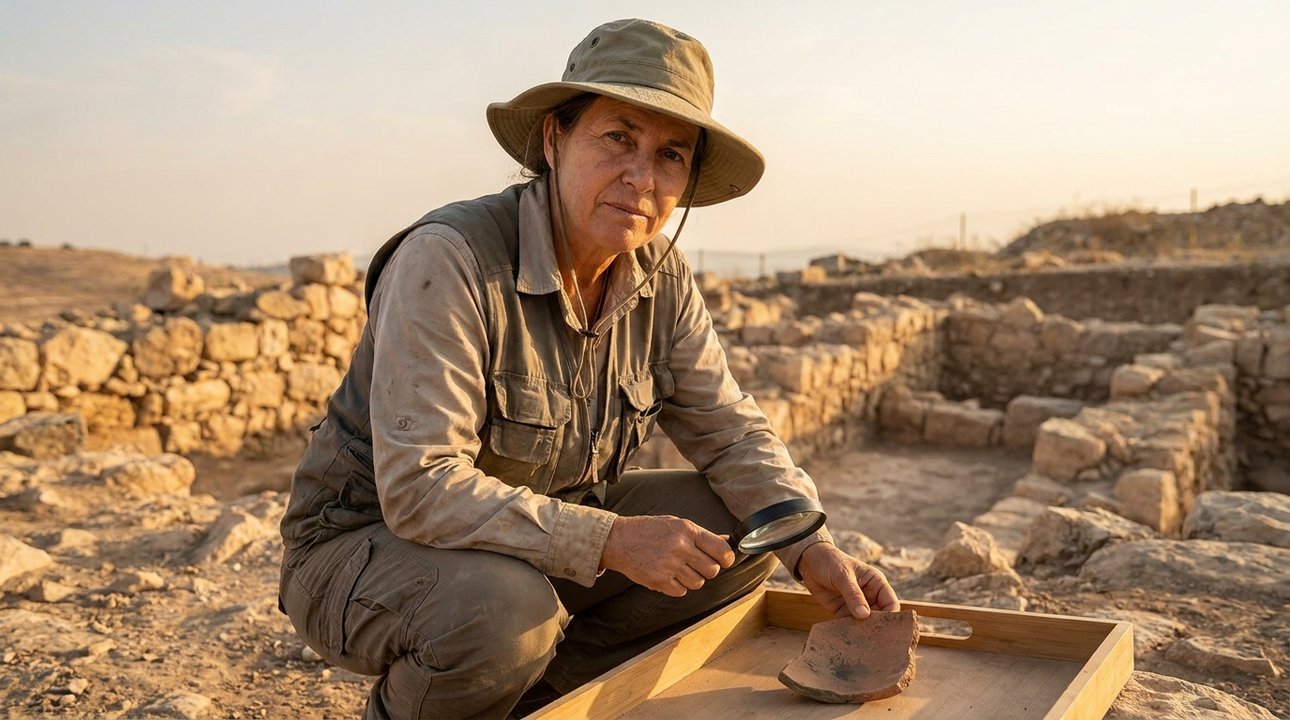
Tools, pottery, and remnants of altars offer tangible connections to historical narratives. For instance, findings near sites like Tel Afek contribute to our understanding of the material culture during the time of the Judges.
These discoveries help paint a vivid picture of life in the past, enriching our historical knowledge.
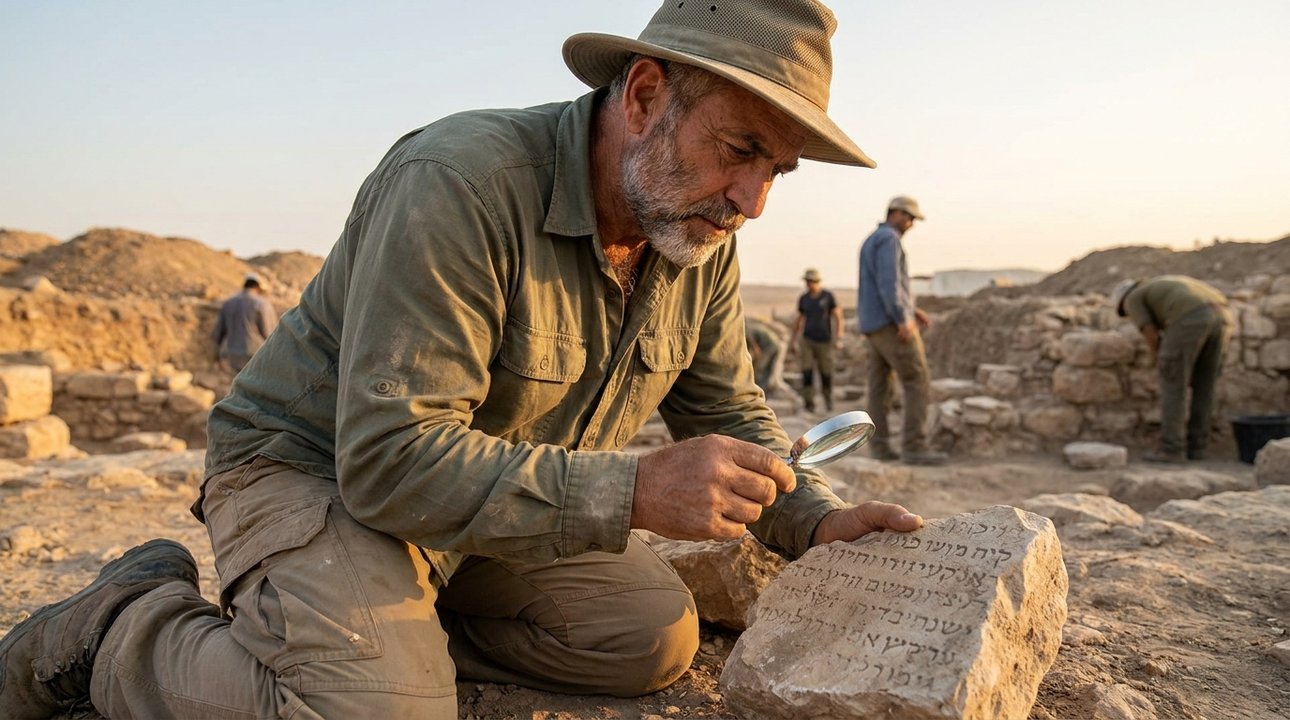
The ongoing archaeological work sheds light on Ophrah’s place in the historical timeline, enhancing our grasp of its significance both historically and culturally. This research invites continuous interest in the tangible links tying today’s discoveries with ancient stories. It shows that each find enriches the narrative mix of Israel’s past. Discoveries such as ancient inscriptions or remnants of structures provide context for the historical accounts. These findings deepen our connection to the stories of history.
from the Western Wall to Masada.
Ophrah’s Symbolic Meaning
Beyond its physical site, Ophrah holds symbolic meaning within historical tradition. It represents a place of significant interaction and pivotal events. The narratives associated with Ophrah inspire reflections on themes like leadership and encounters, resonating with the ongoing exploration of its heritage. The story of a significant figure, where signs of assurance were sought, illustrates the profound struggles and triumphs that continue to speak to people today.
By understanding these symbolic dimensions, we gain insight into the broader themes that transcend Ophrah’s geographical location. Reflecting on such places offers a deeper appreciation of their role in the cultural landscape and their lasting impact. Ophrah is associated with battles and significant encounters, representing the intersection of human history and experiences. These narratives contribute to a richer understanding of the cultural mix of the ancient world. The stories of Ophrah serve as a link between past and present, connecting us to our heritage.
Modern Relevance of Ophrah
Today, Ophrah serves as a cultural touchstone. Its stories inform contemporary discussions about heritage and identity. By drawing connections between past and present, the exploration of Ophrah fosters a greater understanding of its role in shaping shared history. The historical accounts highlight themes of leadership. These stories are still remembered as reflections on personal and communal identity within the broader context of historical legacy. Ophrah’s legacy endures in the hearts and minds of those who cherish these stories.
Whether as a geographical site or a symbol, Ophrah holds continued relevance, serving as a sign of the legacy of historical narratives. Its examination speaks to the eternal quest to map the boundaries between history and tradition. The stories of significant figures and the battles fought in Ophrah remind us of the courage and determination that define these narratives. As scholars and historians delve into its past, Ophrah remains a focal point for understanding the cultural heritage of the region. These explorations enrich our appreciation of history.
Conclusion: Ophrah’s Ongoing Legacy
In revisiting Ophrah’s story and modern scholarly efforts, we discover the enduring interest surrounding its location. While answers remain speculative, the journey to understand Ophrah continues. This pursuit reflects a broader human desire to connect with history and embrace the shared stories that define cultures and nations. The historical accounts serve as a reminder of the courage and determination that have shaped historical narratives and are still remembered in modern explorations. These stories remind us of the human spirit and the quest for understanding.
The narrative of Ophrah encourages reflection on the timeless themes stitched into the fabric of historical tales. Through this lens, we glimpse the past’s influence on contemporary thought and the persistent thread of inquiry that links eras together.
Ophrah is noted as the place where a significant figure made an ephod, which became a snare to the people. This story invites contemplation on the complexities of leadership and the consequences of actions, themes that resonate across generations.
The ephod, intended as a memorial, inadvertently led to issues, illustrating the delicate balance leaders must maintain.
Ophrah's Unique Importance
