
Where Is Sheba Today? Exploring Its Historical Connections
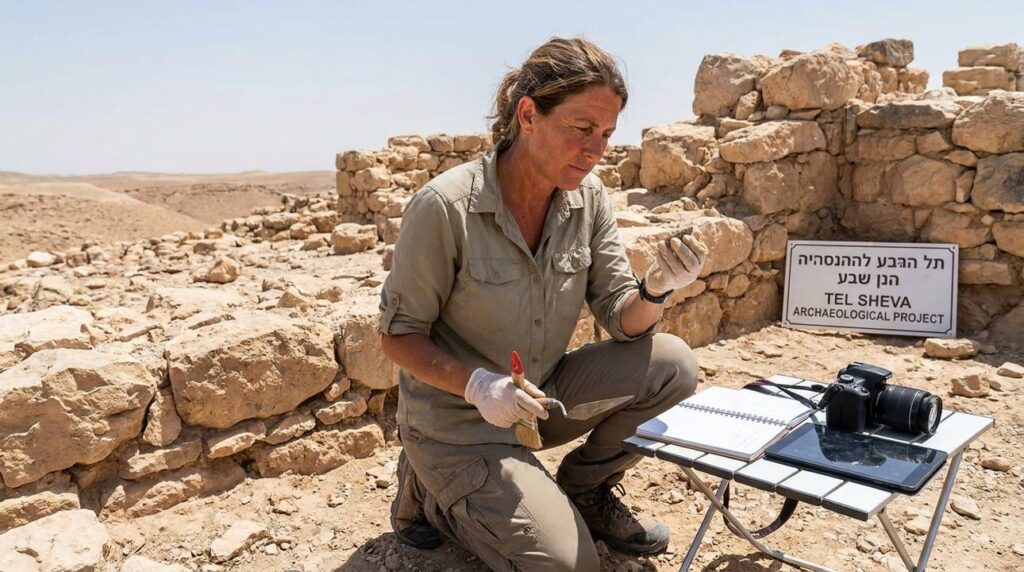

Sheba is a name that has echoed through history and legend, appearing in various texts. Many people today are curious about the true location of this historic region. Historically, it is identified with the Sabaeans of southern Arabia, and Sheba remains a place of intrigue and discovery, deeply tied to regional history and culture.
This Semitic people thrived due to their control over the incense trade, which brought wealth and prosperity, making Sheba a significant player in historical commerce.
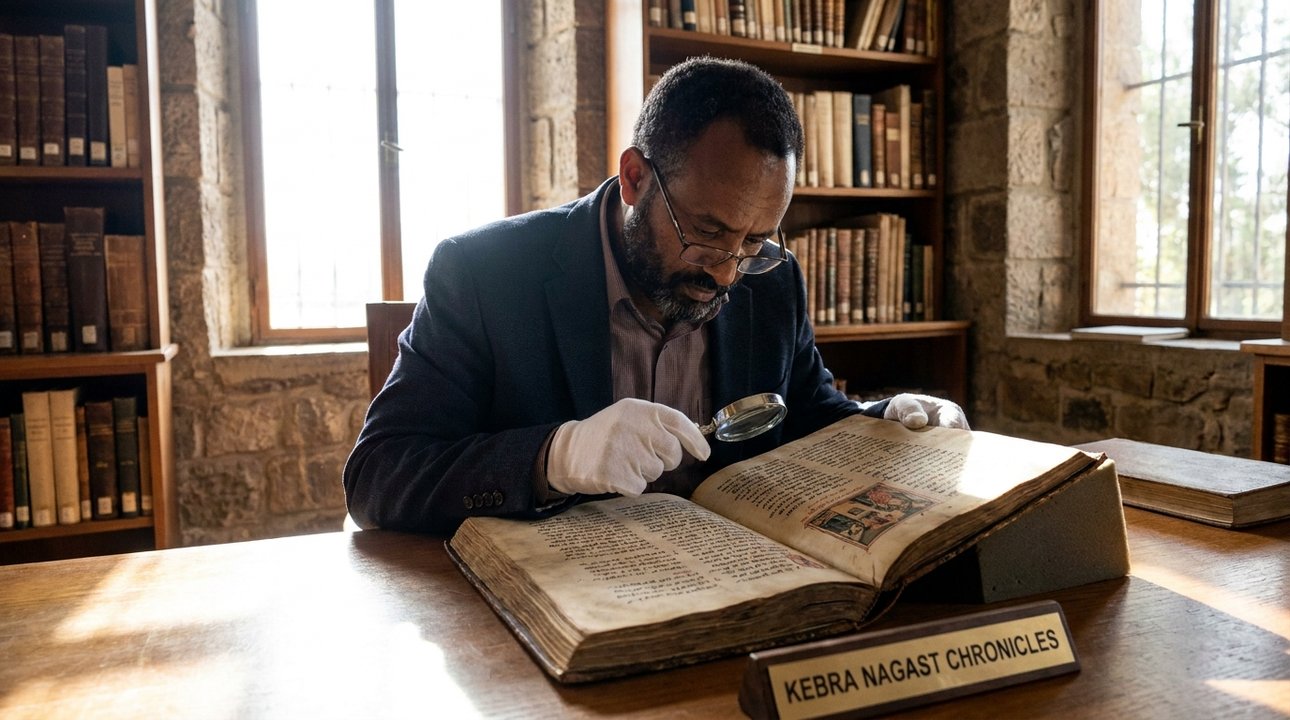
The location of Sheba has been a topic of debate. Some suggest it was in present-day Yemen, where the ancient city of Marib was a key center. Others propose connections to Ethiopia, supported by Ethiopian texts like the Kebra Nagast.
These texts narrate a connection to Ethiopia, claiming a historical lineage. This story is part of Ethiopian royal lineage, linking their history to legendary narratives.
from the Western Wall to Masada.
What Was Sheba in Historical Texts?
Sheba is best known for its association with a legendary visit to a wise king. This narrative is found in various historical texts, recounting a visit with gifts and a test of wisdom.
Her kingdom was known for its wealth and prosperity, attributed to trade routes passing through its territory. The gifts included gold, spices, and precious stones, highlighting the region’s riches.
The visit is also a story of mutual respect and admiration, recognizing wisdom and wealth. This encounter represents the cultural exchanges that occurred along historical trade routes.
The narrative emphasizes the importance of wisdom and diplomacy, qualities valued in historical times and today, showing the enduring nature of these human virtues.
The story highlights a prosperous and influential region. Known for spices, gold, and precious stones, Sheba was important in trade across the Arabian Peninsula. The treasures are mentioned in historical texts, where gifts were brought. This correlates with archaeological findings that suggest Sheba might have been centered in what is now Yemen. Excavations in Marib, Yemen, have uncovered temples and inscriptions, shedding light on the Sabaean civilization.
Where Was Sheba Historically Located?
Historical accounts identify Sheba with the Sabaean kingdom in southern Arabia, traditionally centered in present-day Yemen. Renowned as a significant trading power, they controlled routes that transported incense and other goods.
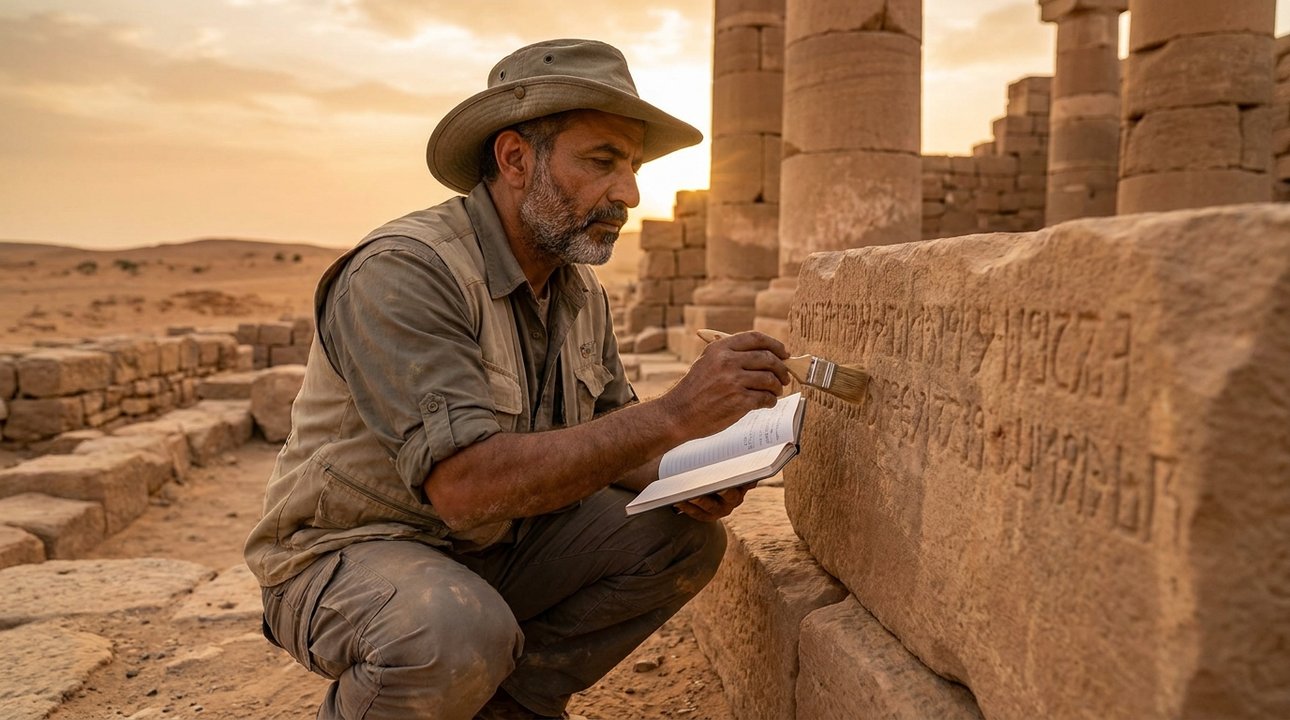
Archaeological evidence supports their civilization’s influence, with ancient inscriptions and ruins found in the region. These findings include the Almaqah Temple, dedicated to the moon god, illustrating the kingdom’s religious practices.
Their control over the incense trade routes brought them wealth and influence, allowing them to establish a powerful kingdom. The capital, Marib, was a hub of commerce and culture, strategically located along these trade paths.
Their legacy is seen in architectural achievements, such as the Great Dam of Marib, which provided water for agriculture and supported their economy, showcasing their engineering prowess.
Some accounts also suggest connections to the Horn of Africa, particularly Ethiopia. This dual location theory is supported by cultural exchanges between Arabia and Africa. Historical records indicate that trade between these regions included goods like incense and myrrh.
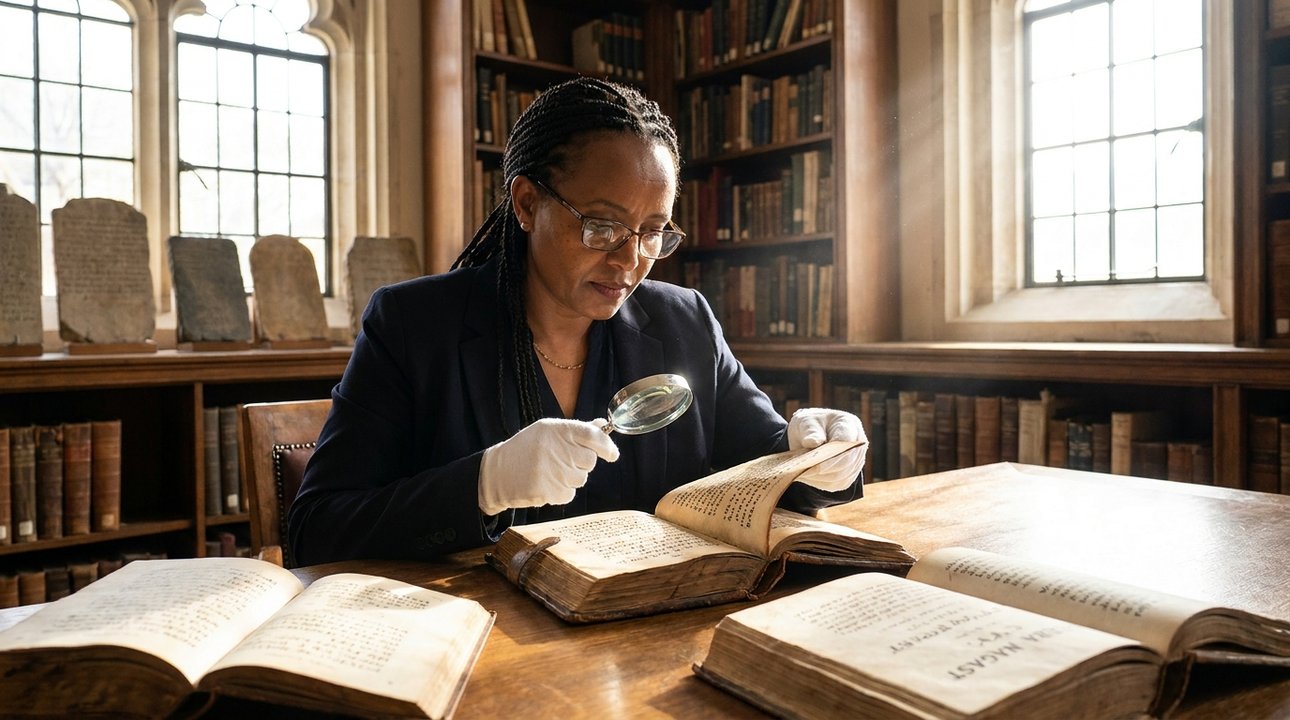
Ethiopian traditions parallel Sheba’s narrative, as seen in the Kebra Nagast, which recounts ties to Ethiopia. This text is a cornerstone of Ethiopian identity, linking the Solomonic dynasty to historical times.
The Kebra Nagast tells of a visit, where a son, Menelik I, is said to have been conceived, who became the first emperor of Ethiopia. This story forms a key part of Ethiopian royal history.
The narrative illustrates the blend of legend and history, showing how ancient stories can shape national identities and cultural heritage, influencing generations with their tales of lineage and legacy.
Sheba in Modern Context
Today, Sheba is often linked to both Yemen and, culturally, to Ethiopia. These regions offer insights into Sheba’s legacy and its blend of history and legend. The ancient city of Marib in Yemen, once the Sabaean capital, features ruins that speak to Sheba’s grandeur.
Yemen’s archaeological sites, with their ancient architecture, provide insights into the wealth and culture that might have characterized Sheba. The Marib Dam, an engineering marvel of its time, exemplifies the region’s advanced capabilities.
Ethiopian traditions continue to celebrate Sheba through cultural narratives and historical curiosities, nurturing a legacy in the African continent. The Kebra Nagast, an ancient Ethiopian text, tells of a visit and the birth of Menelik I. The dual claims illustrate Sheba’s importance in both Middle Eastern and African histories, showing its broad cultural impact. This interplay of narratives highlights the interconnectedness of these regions in antiquity.
The story of Menelik I, as told in the Kebra Nagast, is foundational to Ethiopian history, linking their royal lineage to a wise king. This connection is celebrated in Ethiopian culture, influencing art, music, and literature. The narrative of Sheba is a sign of the enduring power of storytelling, bridging cultures and time, and enriching the mix of human history with its blend of myth and reality.
from the Western Wall to Masada.
Sheba’s Legacy in Cultural Narratives
Sheba’s story transcends historical texts, inspiring literature and art throughout the centuries. The figure appears in various cultural works, from Middle Eastern poetry to Western art. Her tale symbolizes wisdom, wealth, and the allure of distant lands, continuing to captivate imaginations.
In Islamic tradition, she is known as Bilqis, and her story is recounted in the Quran. This adds another layer to her mystique, showing how her legacy crosses religious and cultural boundaries.
In Western art, her visit has been depicted by artists like Piero della Francesca, who painted a famous scene in the 15th century. This painting reflects the fascination with her story in the Renaissance period.
Her story also appears in the works of Geoffrey Chaucer and John Milton, showing her influence on literature. These portrayals emphasize themes of wisdom and the bridging of cultural divides.
Literature across generations has celebrated the visit, portraying it as a diplomatic and cultural marvel. Historical texts describe how the figure heard of wisdom and wealth, prompting a visit.
Artists and writers have used this legendary encounter to explore themes of curiosity, exchange, and the bridging of worlds. This meeting is often depicted in art, such as the paintings by Piero della Francesca and Claude Lorrain.
The Queen’s visit has been interpreted in various ways, with some seeing it as a symbol of the meeting between East and West. This interpretation highlights the exchange of ideas and cultures that occurred during such encounters. In literature, the story has inspired works like ‘The Song of Solomon’ and ‘Paradise Lost,’ where the Queen’s wisdom and allure are celebrated, reflecting her legacy in cultural narratives.
The Archaeological Quest for Sheba
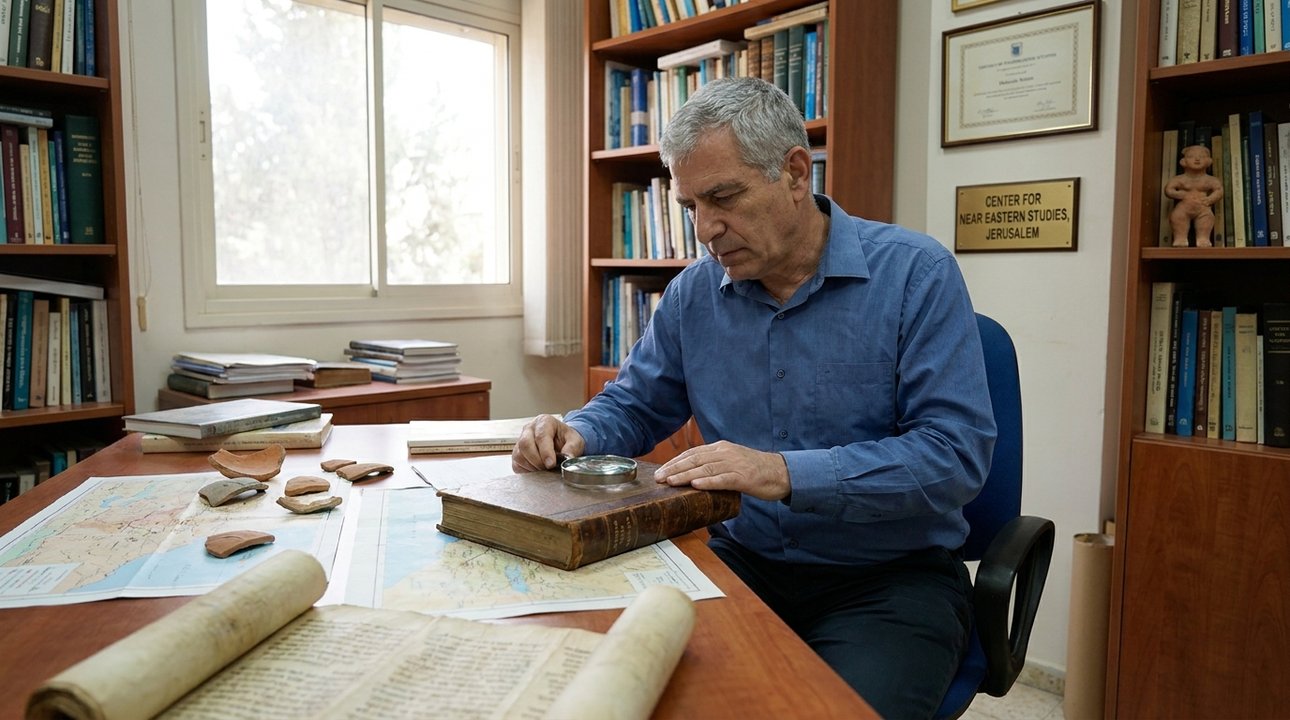
Archaeologists continue to explore sites in Yemen and surrounding areas, seeking clues about Sheba’s existence. The capital, Marib, is a particular focus, with excavations revealing insights into ancient culture. Discoveries of city walls, temples, and inscriptions provide evidence of a sophisticated and organized society.
The Great Dam of Marib, an engineering marvel of its time, highlights their advanced understanding of irrigation and agriculture, crucial for sustaining the kingdom.
Inscriptions found in Marib, written in the ancient South Arabian script, offer insights into their political and religious life. These inscriptions mention rulers and deities, such as Almaqah, the moon god.
Such findings help historians piece together the civilization’s structure, showing a society that was both religiously devout and politically astute, with alliances and rivalries shaping their history.
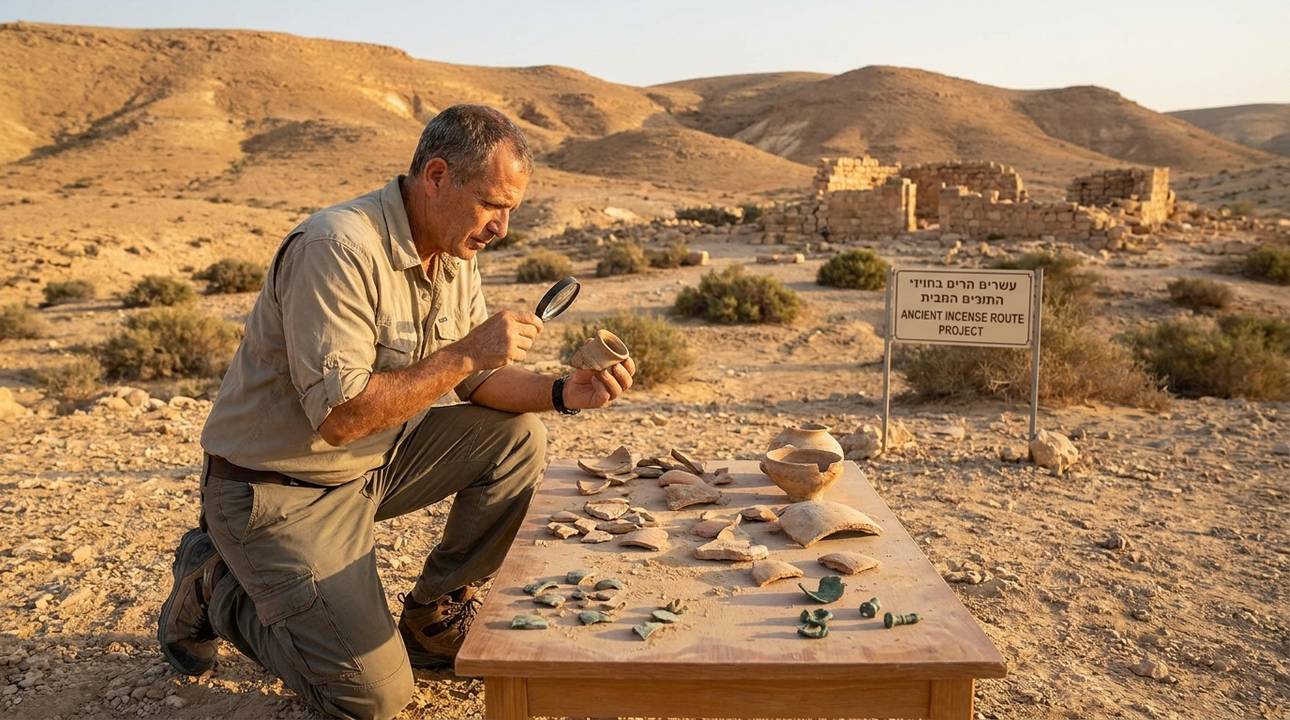
These explorations not only aim to uncover physical remains but also enhance understanding of trade routes and cultural exchanges. Archaeologists study ancient inscriptions and artifacts to map the extensive trade networks that once connected Sheba to other civilizations.
The quest for Sheba reflects a fascination with unraveling ancient mysteries and enriching historical narratives. This fascination is fueled by the desire to understand the cultural and economic dynamics of ancient societies.
The study of Sheba’s trade networks reveals connections with regions as far as India and the Mediterranean. Goods such as spices, textiles, and precious metals were traded, illustrating the kingdom’s vast economic reach. These findings underscore the importance of Sheba as a cultural and commercial hub, where ideas and commodities flowed, contributing to the mix of ancient global interactions.
Understanding Sheba's Historical Context
