
Discovering the Ancient Mystery of Tarshish
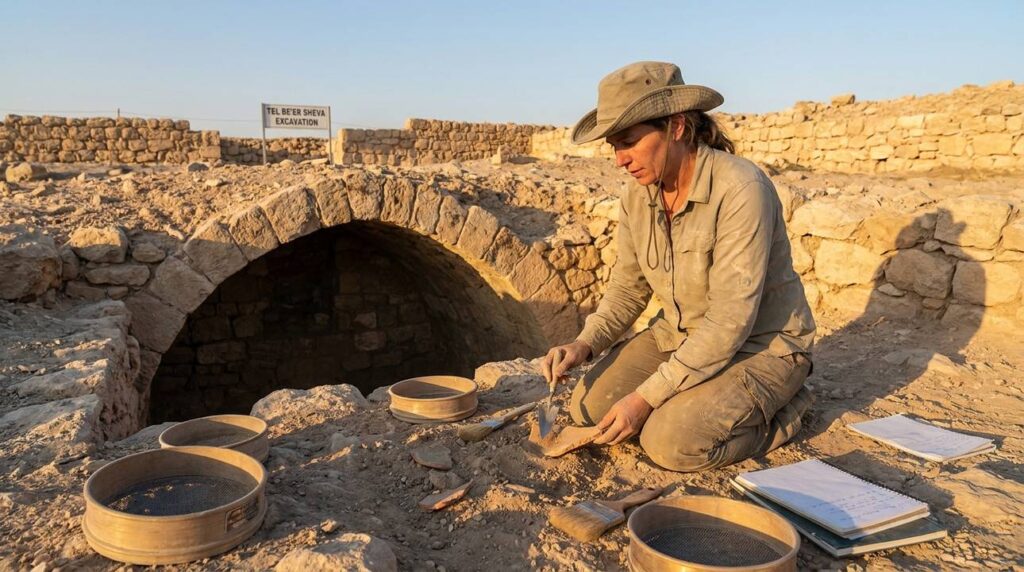

Where exactly was Tarshish? This ancient city has intrigued scholars and historians alike. Known for its role in trade, Tarshish played a significant part in ancient commerce. Let’s explore its potential locations, historical mentions, and why this city captivates so many today.
What Does the Bible Say About Tarshish?
Tarshish is mentioned several times in historical texts, often as a distant place rich in resources. It was considered a far-off destination from the land of Israel. Ezekiel 27 speaks of the trading connections with Tarshish, highlighting its wealth in silver, iron, tin, and lead. These references shape our understanding of Tarshish as a key player in ancient trade.
from the Western Wall to Masada.

Mentions of Tarshish contribute to its enigmatic status, inviting further exploration into its history. The affluence attributed to Tarshish underscores its importance in the trade networks of the time, making it a fascinating subject for historians and archaeologists.
Tarshish’s maritime prowess is highlighted in historical accounts, where fleets are said to have brought back treasures from this distant land every three years. This indicates a well-established trade route and a regular exchange of goods. Such accounts underscore the city’s role as a vital hub in the ancient economy, connecting various regions through trade.
In other texts, Tarshish is associated with the sea. Kings sent fleets to Tarshish, bringing back valuable goods. These voyages showcase the wealth brought back to Israel. This consistent narrative underscores its significance as a distant land rich in natural resources. As a symbol of wealth and abundance, Tarshish enhances our curiosity about its exact location.

Possible Locations of Tarshish
Scholars have proposed several locations for Tarshish, each offering unique insights. One common theory suggests that Tarshish was in the western Mediterranean, possibly in modern Spain. Other theories place Tarshish on the coast of Cilicia (southeastern Turkey), supported by ancient inscriptions. Herodotus, the Greek historian, mentioned Tartessos, which some link to Tarshish. These diverse theories reflect the complexity of ancient geography and trade.
The search for Tarshish’s location continues to intrigue historians and archaeologists. Some suggest it was located near the Phoenician city of Carthage, while others propose a connection to the British Isles due to the mention of tin. These theories are supported by various historical findings, each adding a layer to the mystery of Tarshish.
These theories reflect the diverse possibilities and the city’s potential reach in ancient trade. The debate over Tarshish’s location highlights the interconnectedness of historical trade networks. Each theory adds a piece to the puzzle, encouraging further exploration and discussion among historians and archaeologists.
The ambiguity of Tarshish’s location adds to its allure, inviting explorers and historians to unravel its mystery. Historical accounts suggest a place rich in resources and trade connections. The notion that Tarshish could be in various places reflects the diverse trade networks of the era, possibly spanning regions like the western Mediterranean or the eastern edges of the known world.
It is possible that Tarshish referred to more than one location or a general region known for trade. Historical references to Tarshish illustrate its maritime significance. This multifaceted identity of Tarshish as a hub of commerce makes it a captivating subject for those interested in the ancient world.

Trade and Influence of Tarshish
Tarshish was known for its vast trade networks, dealing in precious metals and exotic goods. Historical accounts highlight Tarshish’s ships laden with luxurious items, making it a symbol of prosperity. The far-reaching influence of Tarshish underscores its importance in the economic landscape of the ancient world, connecting regions through trade.
The economic significance of Tarshish is further emphasized in historical texts, where it is listed among the trading partners of Tyre, known for its wealth in silver, iron, tin, and lead. These connections illustrate the city’s influence on the ancient world, highlighting its role as a vital bridge in the exchange of goods across different civilizations.
By engaging in trade with distant lands, Tarshish played a crucial role in cultural exchanges. Its mention in various texts demonstrates its connection with different civilizations and economies. Tarshish reflects how trade acted as a vital bridge across regions, fostering interconnectedness and growth.
from the Western Wall to Masada.

Tarshish in Prophetic Literature
Prophets mention Tarshish as a place of judgment and redemption. Historical texts lament its ships as they are destroyed, symbolizing the fall of a great trading power. It symbolizes both the abundance that accompanies trade and the moral lessons of over-reliance on wealth. Historical accounts also highlight Tarshish’s role in trade, providing silver, iron, tin, and lead.
The messages concerning Tarshish offer insights into the moral and ethical dimensions of trade. The fall of its ships serves as a metaphor for the potential consequences of unchecked prosperity. Such stories encourage reflection on the balance between wealth and wisdom.
The story of Tarshish is one of both abundance and caution, as seen in historical texts, where its fall is lamented. This duality serves as a narrative on the transient nature of wealth. The depiction of Tarshish as a prosperous yet vulnerable entity offers insights into the moral considerations of trade.
Historical texts speak of the fall of Tarshish’s ships, emphasizing its reputation. This verse captures the dramatic imagery of sailors mourning the loss of their vessels. Such accounts position Tarshish as a powerful entity within historical narratives.
The imagery of Tarshish’s ships underscores its maritime prowess and the economic impact of its fall. This portrayal aligns with other historical references, where its wealth is emphasized. These accounts contribute to the multifaceted identity of Tarshish, illustrating its importance in trade and commerce.
Tarshish’s depiction as both prosperous and vulnerable highlights the moral lessons embedded in its story. The affluence it symbolized is counterbalanced by the warnings of its downfall. Such accounts encourage reflection on the ethical dimensions of trade and the potential consequences of unchecked prosperity.

Historic and Cultural Role of Tarshish
Tarshish’s historical and cultural legacy continues to intrigue both scholars and the general public. Its enigmatic status makes it a popular subject in historical studies and archaeological exploration. The quest to identify Tarshish provides insights into ancient trade and interaction among civilizations. The various theories about its location reflect the complexity of ancient geography.
The enduring mystery of Tarshish captivates those interested in the ancient world. Its mention in historical texts highlights its economic significance and role in trade. Such accounts fuel exploration and debate, offering insight into the interconnectedness of historical trade networks.
This ongoing search keeps the mystery alive, inviting further research and discovery. The allure of uncovering Tarshish’s secrets continues to captivate those interested in the ancient world. As new findings emerge, they add layers to our understanding of this elusive place.
The mystery surrounding Tarshish is compounded by its mention in various historical texts, where it is noted for its wealth in gold, silver, and ivory. Such references fuel the imagination of historians and archaeologists alike. Each new piece of evidence or theory adds to the mix of knowledge, encouraging further exploration.

Location and Significance
