
Understanding the Ancient Place of Tubal


Tubal is an ancient name appearing in historical texts, often mentioned alongside Meshech. Its precise location has intrigued scholars for centuries. In this article, we explore what is known about Tubal, considering its historical impact and potential geographical location.
Delving into these texts, we aim to uncover the mysteries surrounding Tubal’s role in history. Historical references provide a starting point for understanding its significance.
Examining archaeological evidence and historical records, researchers hope to piece together Tubal’s story. This exploration not only enriches our knowledge of past societies but also deepens our connection to historical narratives. Through this journey, we discover the intricate web of trade, culture, and history that Tubal was a part of, showing the interconnectedness of ancient societies.
from the Western Wall to Masada.

What Does the Bible Say About Tubal?
Historical texts mention Tubal in connection with other distant lands. It is listed among the descendants of Japheth, one of Noah’s sons. This genealogy places Tubal within a broader network of nations, suggesting its role in early human history.
References also hint at its involvement in cultural exchanges, highlighting its significance in the ancient world. These mentions provide a glimpse into Tubal’s interactions with other cultures, emphasizing its place in historical narratives.
Scholars often explore these genealogical connections to trace the movements and influences of ancient peoples. By analyzing the lineage of Japheth, researchers can gain insights into the migration patterns and cultural interactions that shaped the early civilizations.
This approach allows for a deeper understanding of how Tubal and its related groups contributed to the development of societies in the ancient Near East.
In these genealogies, Tubal is often associated with trade and exchange, indicating its role in ancient commerce. Historical references as a trading partner of Tyre highlight its economic importance. These connections underscore Tubal’s role in facilitating commerce across regions.
Analyzing these historical references, scholars gain insights into the economic networks that connected different cultures and regions in antiquity, revealing the intricate web of trade that defined the ancient world.
The goods traded, such as metals and luxury items, reflect Tubal’s involvement in the production and distribution of valuable resources. This highlights Tubal’s strategic position in trade routes, enhancing its influence and prosperity. Through these studies, researchers can better understand the dynamics of ancient commerce and the important role Tubal played in shaping the economic landscape of its time.
Aside from other texts, Tubal is referenced as a part of regions involved in trade with Tyre. Descriptions of arrivals of wealth and materials from Tubal suggest its importance in regional trade networks. This aligns with its geographical position as a presumed center of commerce.
Mentioned alongside other trading nations, Tubal’s role in facilitating economic exchanges across the ancient world is highlighted, connecting diverse cultures and economies.
The trade goods mentioned, such as bronze, indicate Tubal’s involvement in the production and distribution of valuable materials. This underscores Tubal’s strategic position in ancient trade routes, enhancing its influence and prosperity. Studying these references, historians can better understand the dynamics of ancient commerce and the important role Tubal played in shaping the economic landscape of its time.
The Historical Geography of Tubal
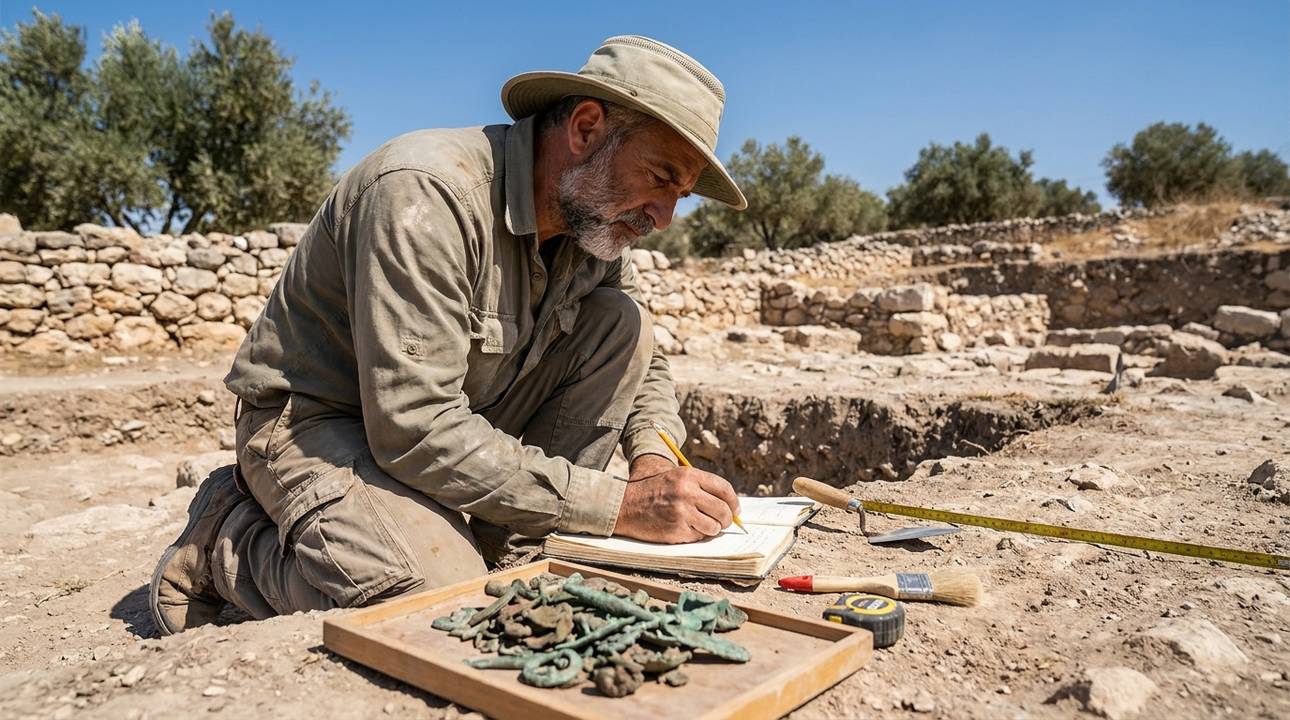
The historical geography of Tubal is less clear. Scholars debate its location, with some suggesting regions in Asia Minor or the southern Caucasus. Ancient texts often mention Tubal alongside Meshech, leading some to propose locations near the Black Sea.
These hypotheses are based on linguistic and historical analyses of the texts, offering clues to Tubal’s geographical context. References to Tubal in conjunction with other nations provide a framework for understanding its possible location and influence.
Analyzing the linguistic roots of the names and their historical usage, researchers attempt to pinpoint Tubal’s location more accurately. This debate highlights the complexities of interpreting ancient texts and the challenges of identifying historical sites.
Despite the uncertainties, studying Tubal’s geography remains a vital part of understanding its role in the ancient world, providing insights into the interactions between different cultures and regions.
Its proximity to Meshech often guides these hypotheses, given their frequent mention together in texts. References to Tubal and Meshech as descendants of Japheth further support the theory of their geographical closeness. This connection is crucial for understanding the migration patterns of ancient peoples. Analyzing these genealogical links, researchers can trace the movements and interactions of these early groups, shedding light on their cultural and history.
The shared lineage of Tubal and Meshech suggests a common origin, which may have influenced their geographical proximity and interactions. This genealogical approach provides a framework for exploring the relationships between different ancient peoples. Through this lens, scholars can piece together the complex web of connections that defined the ancient world, showing the development of early civilizations and their trade networks.
Evidence of Tubal’s exact location remains speculative. While some evidence aligns with the northern territories of modern-day Turkey, alternative studies propose locations further east. Historical maps and ancient texts are analyzed to pinpoint Tubal’s location, with some researchers examining the Caucasus region as a potential site. This exploration highlights the challenges and complexities of identifying Tubal’s precise historical setting, showing the geographical context of past societies.
The debate over Tubal’s location reflects the broader challenges of interpreting ancient texts and archaeological evidence. Analyzing linguistic and historical analyses, researchers hope to uncover more about Tubal’s geographical and cultural role. This dialogue among scholars fosters a deeper understanding of the ancient world and the intricate web of connections that defined it, showing the development of early societies and their interactions.
Understanding the migration and settlement patterns may provide additional insights. Studies of ancient migration routes offer clues about Tubal’s movements. These insights help historians piece together the puzzle of past societies. By analyzing these patterns, scholars can better understand how Tubal and related groups interacted and influenced the development of cultures across the region, contributing to the mix of human history.
Examining these routes also reveals the challenges and opportunities faced by ancient peoples in their movements. Studying the geographical and environmental factors that influenced these migrations, researchers can gain a deeper understanding of the dynamics that shaped early societies.
This knowledge enriches our appreciation of the interconnectedness of ancient cultures and the role Tubal played in this intricate network.
Tubal in Trade and Commerce
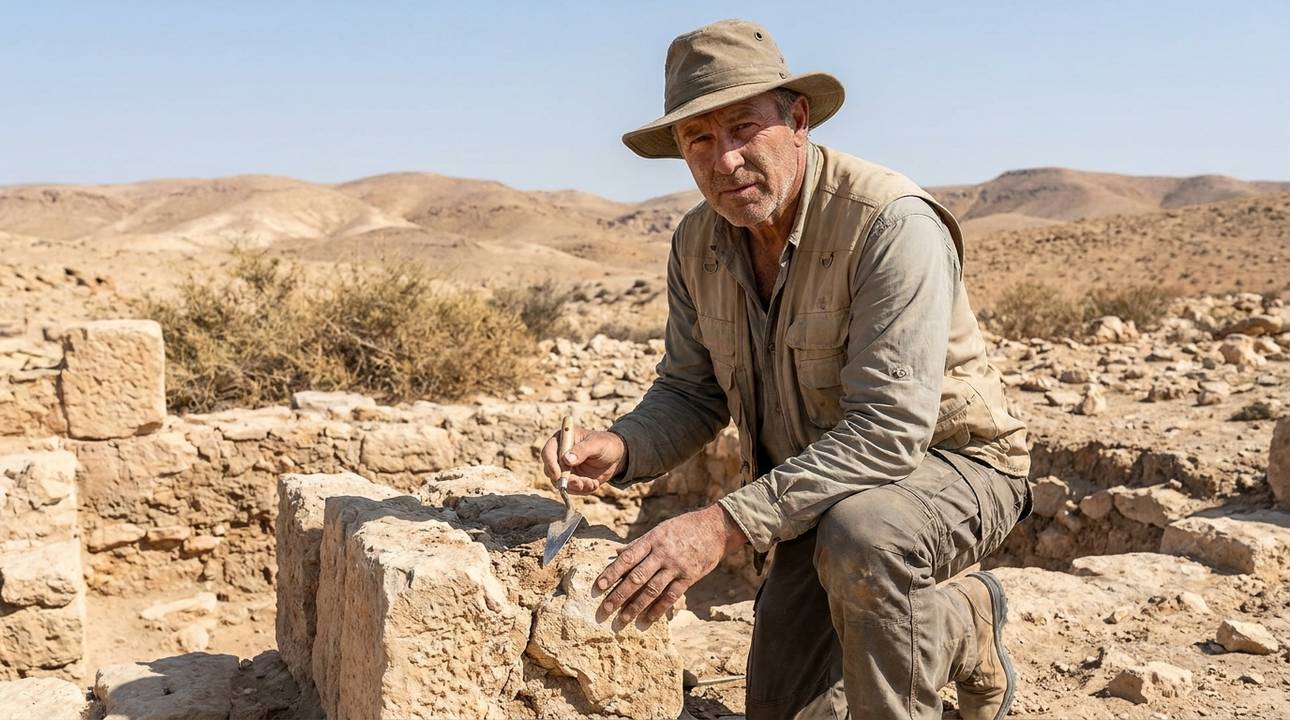
Tubal’s mention in trade contexts underscores its economic relevance during its time. The involvement in trading partnerships highlights its strategic importance in ancient economies. Historical texts specifically note Tubal’s trade with Tyre, emphasizing its role in the exchange of goods like bronze.
Archaeological findings continue to uncover artifacts that may derive from regions associated with Tubal, offering tangible evidence of its trading activities and economic influence in the ancient world.
The discovery of trade goods, such as metal tools and luxury items, reflects Tubal’s involvement in the production and distribution of valuable resources. This activity facilitated cultural exchanges and enhanced Tubal’s influence and prosperity. Through these studies, historians can better understand the dynamics of ancient commerce and the important role Tubal played in shaping the economic landscape of its time, highlighting its significance in regional trade networks.
Though direct evidence within Tubal’s territory is scarce, records from neighboring regions imply a network of exchange goods, promoting further archaeological interest.
For example, ancient Assyrian records mention trade routes that likely included Tubal, suggesting its involvement in regional commerce. Artifacts from nearby areas, such as pottery and metalwork, suggest Tubal’s involvement in long-distance trade.
Excavations in Anatolia have uncovered items like bronze tools, which are believed to be linked to Tubal’s trade activities.
from the Western Wall to Masada.
This has led archaeologists to explore sites in regions like Anatolia for more clues. The discovery of trade goods in places like Hattusa, the ancient Hittite capital, indicates that Tubal might have been a key player in the exchange networks of the time.
Scholars are particularly interested in how these findings align with historical references, which mention Tubal as a trading partner of Tyre, highlighting its economic significance.
These interactions painted Tubal as a land rich in resources and connections. Historical references as a distant nation reinforce its significance in ancient trade routes.
Scholars continue to investigate how Tubal’s natural resources contributed to its economic and cultural exchanges.
Studying the materials traded and their origins, researchers can better understand Tubal’s role in the broader economic landscape of the time, highlighting its importance in regional commerce.
The diversity of goods associated with Tubal, such as metals and crafted items, underscores its role as a hub of trade and production. This activity facilitated cultural exchanges and enhanced Tubal’s influence and prosperity. Through these studies, historians can piece together the complex interactions that defined the ancient world, showing the development of trade networks and the interconnectedness of early civilizations.
Modern Interpretations of Tubal’s Legacy
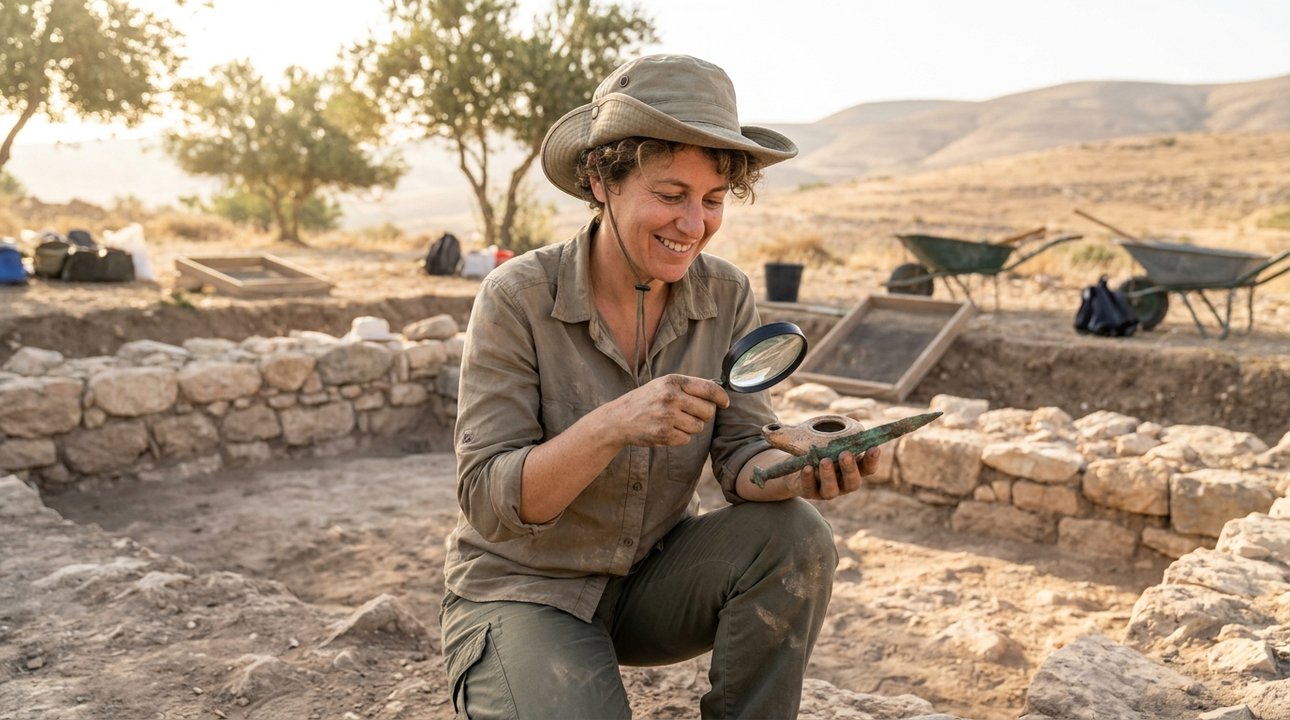
Today, Tubal’s legacy is explored within academic settings, focusing on its location and cultural impact. Scholars emphasize its role as a potential connector of communities across vast distances.
For example, Tubal is mentioned as a descendant of Japheth, suggesting its early involvement in the spread of human civilization.
The ongoing study of ancient texts aims to provide clarity on Tubal’s influence, with researchers examining historical records and archaeological findings to piece together its story.
Tubal continues to intrigue those fascinated by historical narratives, representing a window into the interconnected world of past societies. Historical texts mention Tubal as a trading partner of Tyre, highlighting its role in the exchange of goods like bronze.
This reference underscores the importance of Tubal in ancient trade networks, linking it to various cultures and economies. Mentioned alongside other nations in trade contexts, it suggests Tubal was a hub of activity and influence in the ancient world.
Archaeological evidence, such as metal artifacts found in regions associated with Tubal, supports this view. These findings indicate that Tubal was part of a broader economic system that facilitated cultural and material exchanges across vast distances.
Studying these connections, historians can better understand the dynamics of ancient trade and the role Tubal played in shaping the economic landscape of its time.
It serves as a reminder of the complex web of alliances that defined ancient geopolitics. The alliances and interactions of Tubal with regions such as Meshech and Javan illustrate the intricate political landscape of the time.
These connections provide insights into how ancient societies navigated diplomacy and conflict. Studying these alliances, historians can better understand the dynamics of power and influence in antiquity.
Tubal in Academic Research
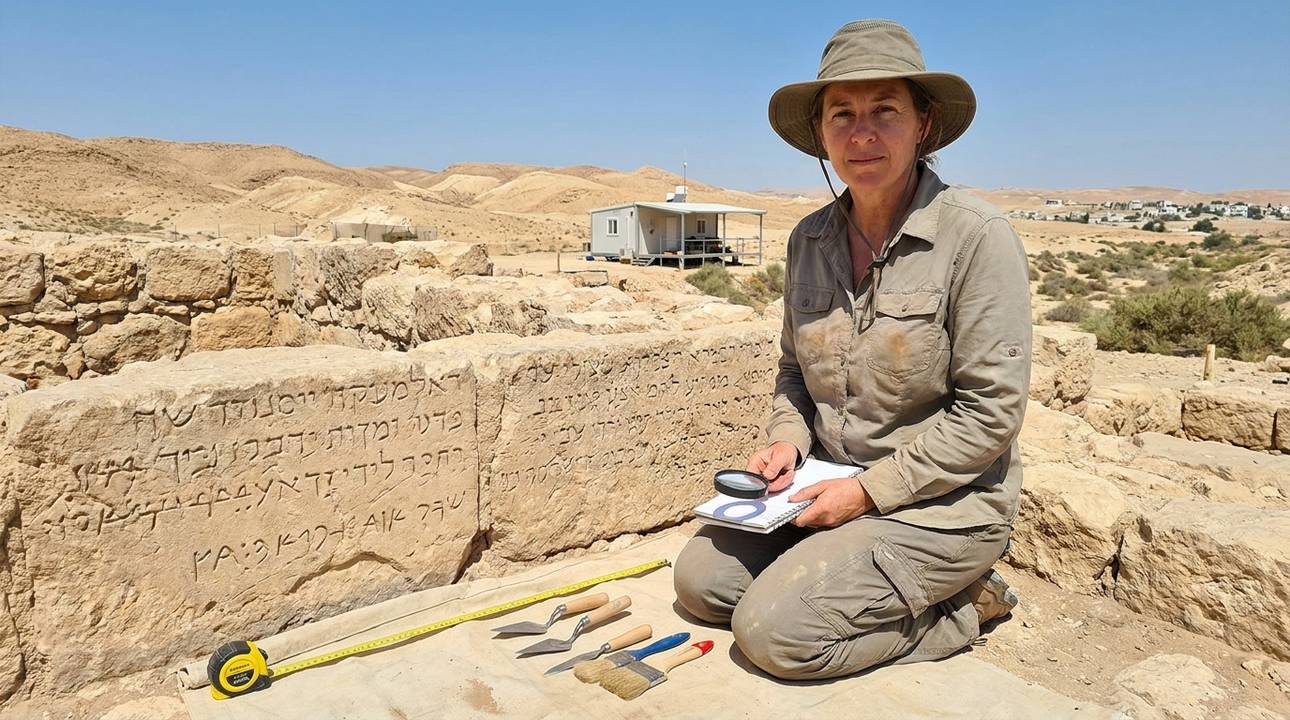
Research into Tubal often connects archaeological findings with historical passages. Universities focus on unearthing clues that match historical descriptions. The University of Jerusalem has conducted studies correlating artifacts found in Asia Minor with historical references to Tubal.
For instance, pottery shards and metal artifacts discovered in the region have been analyzed for their composition, revealing trade connections with distant lands. Such efforts aim to verify historical accounts through tangible evidence, bridging the gap between text and archaeology.
These studies not only enhance our understanding of Tubal’s role in history but also provide insight into the broader cultural exchanges of the time. By comparing these findings with historical texts, researchers hope to construct a more comprehensive picture of ancient trade networks.
The collaboration between archaeologists and historians is crucial in this endeavor, as it allows for a multidisciplinary approach to uncovering the past, enriching our knowledge of past societies.
This multidisciplinary approach aims to build a clearer picture of Tubal’s societal role. By combining archaeology, history, and historical studies, researchers hope to reconstruct Tubal’s influence in the ancient world. This approach not only enhances our understanding of Tubal but also enriches the broader narrative of past societies. It allows scholars to piece together the complex interactions and developments that shaped early societies, showing the interconnectedness of ancient cultures.
The integration of different fields of study provides a comprehensive view of Tubal’s historical context and significance. Examining archaeological findings, historical records, and historical texts, researchers can construct a more nuanced understanding of Tubal’s role in history. This collaborative effort fosters a deeper appreciation of the mix of human history and the contributions of Tubal to the development of past societies.
Publications highlight disputes over Tubal’s location, promoting discussions among historians and theologians. As new evidence emerges, interpretations continue to evolve. Recent archaeological finds in Anatolia have reignited debates about Tubal’s precise location. These discoveries have led to fresh analyses of ancient texts and artifacts, prompting scholars to reconsider previous assumptions. Examining these new findings, researchers hope to uncover more about Tubal’s historical and cultural role.
These discoveries prompt scholars to reconsider previous assumptions and explore new possibilities. The ongoing dialogue among experts fosters a deeper understanding of Tubal’s place in history, encouraging further exploration and study.
As more evidence comes to light, the picture of Tubal’s location and role in the ancient world becomes clearer, allowing for a more nuanced interpretation of its impact on historical events and trade networks.
The study of Tubal provides a dynamic field as scholars integrate findings from multiple disciplines. This research not only sheds light on Tubal but also enhances our understanding of the interconnectedness of ancient societies.
The integration of new data continues to refine our historical narratives. Combining insights from archaeology, linguistics, and historical studies, researchers aim to reconstruct a more complete picture of Tubal’s influence.
Common Questions About Tubal
