
Understanding the Biblical Description of Cherubim
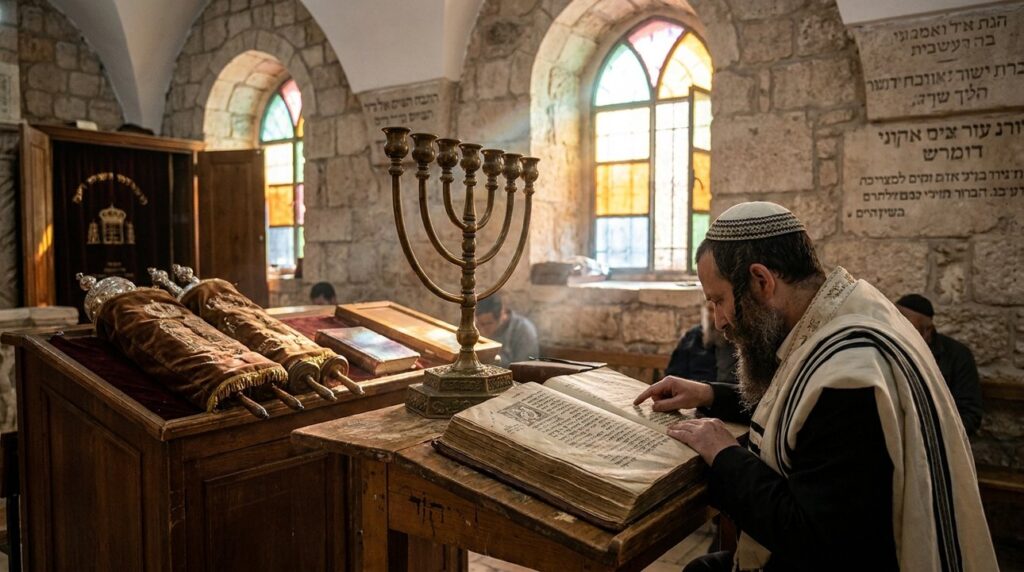

Cherubim hold a unique position in biblical lore. With their intriguing roles as divine guardians, they capture the imagination of many who read the ancient texts. Within the Hebrew Bible, cherubim are often depicted as powerful and majestic beings, serving as protectors of sacred spaces.
Their presence is first noted in Genesis 3:24, where they guard the entrance to the Garden of Eden with a flaming sword, ensuring that humanity cannot re-enter after the fall.
This portrayal underscores their role in maintaining the sanctity of sacred spaces and their importance in the biblical narrative.
This article delves into the detailed biblical descriptions and significance of cherubim in scripture, offering insight into their mysterious presence.
From the intricate carvings on the Ark of the Covenant (Exodus 25:18-22), cherubim are woven into the fabric of biblical history. Their symbolic roles extend beyond mere guardianship, embodying themes of divine knowledge and presence.
In the Hebrew Bible, these beings are often depicted as powerful intermediaries between the divine and human realms, highlighting their importance in the spiritual life of ancient Israel.
from the Western Wall to Masada.

Origins and Appearance of Cherubim
Cherubim are first mentioned in the Book of Genesis, where they guard the entrance to the Garden of Eden (Genesis 3:24). Described as possessing both human and animal features, they seem to merge the earthly with the divine.
Their role as guardians is reiterated in the construction of the Ark of the Covenant, where two cherubim crafted from gold were placed to cover the mercy seat (Exodus 25:18-22), symbolizing divine protection and presence.
These portrayals highlight their significance as protectors and intermediaries in the biblical narrative, emphasizing their role in maintaining the sanctity of sacred spaces.
The Torah frequently notes their role as protectors, filling a space of deep reverence and mystery. In the visions of the prophet Ezekiel (Ezekiel 10:1-22), cherubim are depicted with four faces and four wings, adding to their enigmatic nature.
These vivid descriptions have fueled theological discussions and artistic representations throughout Jewish history, highlighting their importance in the biblical narrative.
The cherubim’s multifaceted appearance, combining human and animal features, symbolizes their role as intermediaries between the divine and earthly realms.
Such portrayals have inspired countless interpretations in Jewish thought and art, emphasizing their significance as guardians and conveyors of divine wisdom.
Cherubim in the Holy Ark
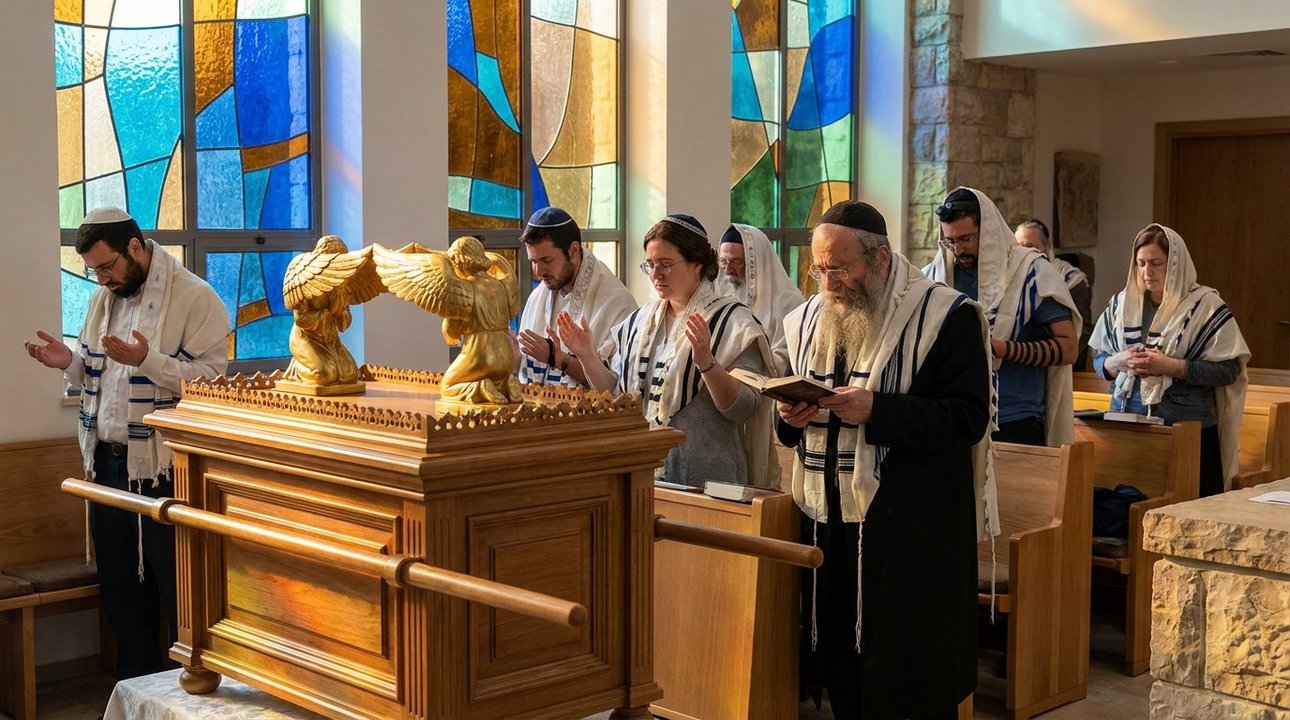
Exodus 25:18-22 provides a detailed description of the cherubim’s role associated with the Ark of the Covenant. Crafted from pure gold, two cherubim were placed facing each other atop the Ark, with their wings spread out to cover the mercy seat.
This design signifies the divine presence and protection over the sacred objects within the Ark. The Ark itself was central to Israelite worship, housing the tablets of the covenant, and the cherubim emphasized its sacredness.
Such portrayals underscore the cherubim’s role as protectors and intermediaries in the biblical narrative, highlighting their significance in maintaining the sanctity of sacred spaces.
The cherubim’s position on the Ark highlights their central role in Israelite worship, serving as a constant reminder of the divine presence.
According to Exodus 25:18-22, the cherubim were crafted from pure gold and placed atop the Ark of the Covenant, with their wings spread out to cover the mercy seat. This design symbolized the divine throne, where the divine presence was believed to dwell.
Their presence was a visual representation of the divine throne, where the divine presence was believed to dwell. This symbolism was crucial in the religious life of ancient Israel, reinforcing the Ark’s role as a focal point of worship and divine communication.
The Ark, housing the tablets of the covenant, was central to Israelite worship, and the cherubim emphasized its sacredness and the divine protection over it.
Cherubim in Ancient Temples
The First Book of Kings (6:23-28) describes the enormous cherubim that adorned ancient temples. These figures were made of olive wood and covered in gold, standing about ten cubits tall. Their massive size and grandeur symbolized divine guardianship and awe, emphasizing the sanctity of the space.
The cherubim’s wings spanned the entire width of the inner sanctuary, creating a powerful visual reminder of the divine presence and protection over the sacred space.
Such portrayals highlight the cherubim’s role as intermediaries between the divine and human realms, reinforcing their importance in the spiritual life of ancient Israel.
The presence of these cherubim within the temple fostered a profound connection to faith, reminding worshippers of the divine protection and sanctity of the sacred space.
As described in 1 Kings 6:23-28, the cherubim were crafted from olive wood and overlaid with gold, standing ten cubits tall. Their impressive size and material choice emphasized their importance and the reverence they commanded.
Their intricate design and placement in the temple’s most holy area underscored their role as intermediaries between the divine and the earthly, reinforcing the temple’s significance as a place of worship and divine encounter.
The cherubim’s wings, which spanned the entire width of the inner sanctuary, created a powerful visual representation of divine presence, reminding worshippers of the sacred covenant between the divine and the people.
Symbolic Interpretations
Beyond their literal depiction, cherubim hold rich symbolic meanings within Jewish mysticism. They are often seen as representing knowledge, strength, and presence, embodying concepts pivotal to Israel’s relationship with the divine.
In mystical texts, cherubim are sometimes associated with the sefirot, channels of divine energy in Kabbalah, elaborating on humanity’s connection to spiritual truths and the divine realm. This association underscores their role as intermediaries between the earthly and the heavenly.
The Zohar, a foundational work of Kabbalah, often references cherubim in discussions of divine wisdom and protection. Kabbalistic texts describe them as embodying both mercy and severity, balancing the divine attributes.
Their multifaceted symbolism reflects the complexity of Jewish thought, where cherubim are not just guardians but also conveyors of deeper spiritual insights.
In the Zohar, cherubim are linked to the sefirot, the ten attributes through which the divine interacts with the world, emphasizing their role in cosmic harmony. This mystical interpretation enriches our understanding of their place in biblical and spiritual history.
By exploring these texts, one gains insight into how cherubim serve as intermediaries between the divine and human realms, guiding seekers toward enlightenment.
The Zohar’s portrayal of cherubim invites readers to contemplate their own spiritual journeys, encouraging a deeper connection to the divine mysteries.
from the Western Wall to Masada.
Cherubim in Prophetic Visions
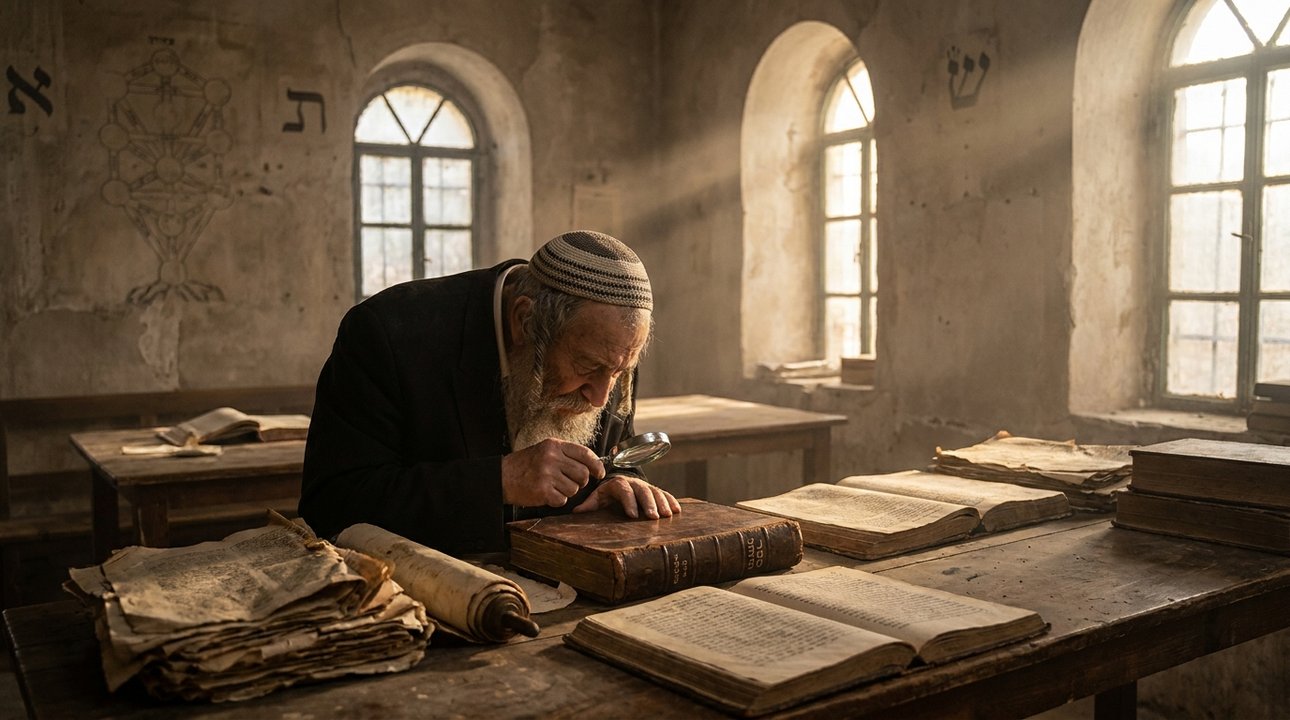
Ezekiel offers one of the most elaborate visions of cherubim in the Bible, specifically in Ezekiel 10. In this vision, cherubim are described as having multiple wings and faces, each face representing a different creature: a human, a lion, an ox, and an eagle.
These creatures carry the presence of the divine on a chariot of fire, symbolizing their role as intermediaries and messengers of divine will. This imagery is rich in symbolism, illustrating the cherubim’s multifaceted nature and their importance in conveying divine messages.
Cherubim in Art and Culture
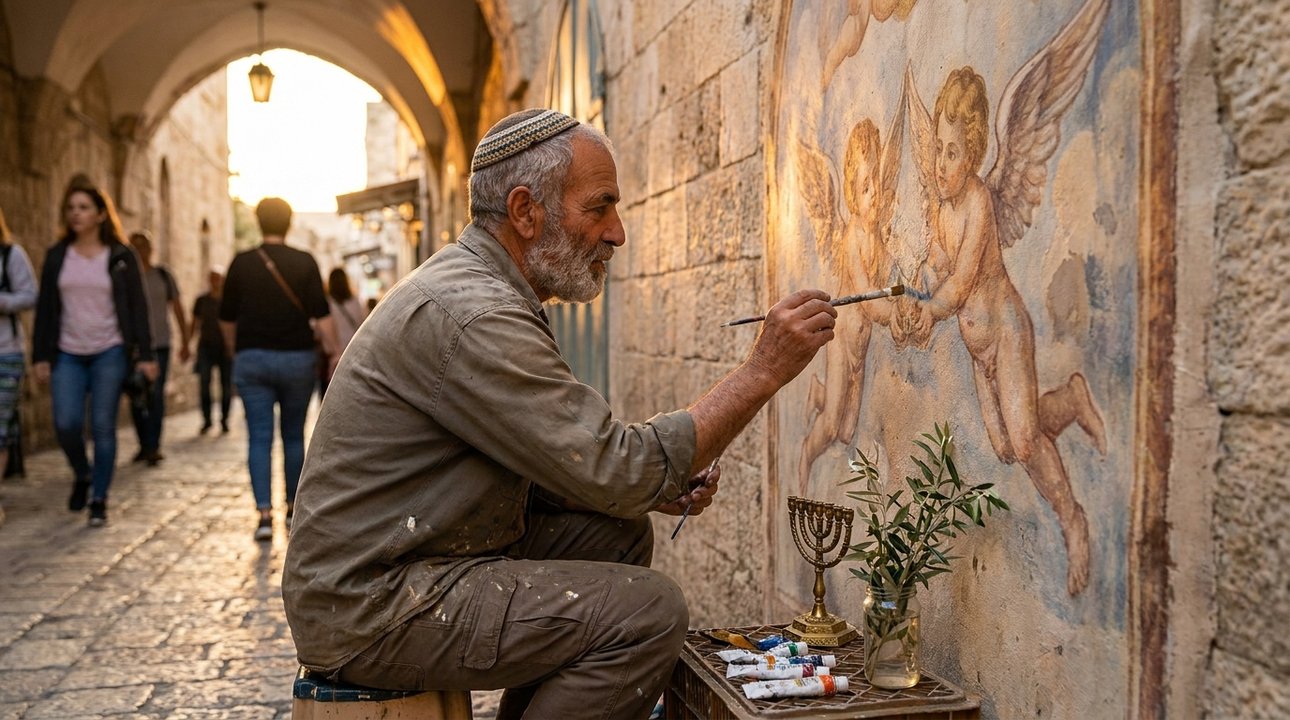
Throughout history, cherubim have appeared in various art forms, from ancient carvings to modern paintings. Their depiction reflects cultural interpretations of divinity and sacred guardianship, often influenced by the artistic styles and religious beliefs of the time.
Cherubim were depicted on the Ark of the Covenant (Exodus 25:18-22), while in later periods, they appeared in synagogue mosaics and illuminated manuscripts, showcasing their enduring appeal.
The fascination with cherubim continues to this day, encapsulating humanity’s quest to visualize the divine and understand its mysteries through art and symbolism.
In modern times, artists continue to draw inspiration from cherubim, incorporating them into contemporary works that explore themes of protection and spirituality. These artistic endeavors reflect a timeless connection to the sacred and the mysterious.
In literature, cherubim often symbolize the guardianship of sacred knowledge or spaces, bridging ancient wisdom with modern themes. For instance, in popular novels and films, cherubim are sometimes portrayed as protectors of hidden knowledge, illustrating their continued relevance in storytelling.
This ongoing fascination with cherubim highlights the enduring human desire to explore and understand the divine through creative expression.
Modern Perspectives on Cherubim
Today, cherubim are interpreted in diverse contexts within popular culture, symbolizing notions of protection, wisdom, and guardianship. Their influence extends into literature and film, where they often appear as symbols bridging ancient wisdom with contemporary themes.
In popular films and novels, cherubim are sometimes portrayed as protectors of hidden knowledge or as guardians of sacred spaces, illustrating their continued relevance in storytelling.
This ongoing fascination with cherubim highlights the timeless human desire to explore and understand the divine through creative expression, connecting ancient narratives with modern interpretations.
The enduring fascination with cherubim highlights the power of biblical imagery to inspire and resonate across different cultures and eras, maintaining their relevance in modern storytelling.
For instance, in the Book of Ezekiel (Ezekiel 10:1-22), cherubim are depicted with four faces and four wings, each face representing a different creature: a man, a lion, an ox, and an eagle.
This complex imagery has been a source of inspiration for artists and writers, who seek to capture the mystery and majesty of these celestial beings.
Their symbolic presence in art and media serves as a reminder of the timeless human desire to connect with the divine and seek understanding through narrative and imagery.
During the Renaissance, artists like Raphael incorporated cherubic figures into their works, blending biblical themes with contemporary artistic styles. This fusion allowed for a deeper exploration of spiritual themes, bridging ancient wisdom with modern interpretations.
Conclusion
Cherubim, with their intricate descriptions and roles, continue to captivate scholars and enthusiasts. Their presence in the Bible serves as a bridge between the known and the mystical, inviting ongoing exploration and interpretation.
In Ezekiel 10:1-22, cherubim are described with multiple faces and wings, adding layers to their mystique. These portrayals have inspired countless interpretations in Jewish thought and art.
Artists and theologians alike have explored the symbolic meaning of cherubim, considering their roles as protectors and conveyors of divine wisdom. This enduring fascination with cherubim highlights the timeless human quest to understand and connect with the divine.
By appreciating their place in history, we deepen our connection to ancient narratives. The cherubim’s portrayal in religious texts and artifacts serves as a testament to their enduring significance.
In the Book of Genesis (Genesis 3:24), cherubim are first mentioned as guardians of the Garden of Eden, wielding a flaming sword to prevent re-entry after the fall. They remind us of the ancient world’s attempt to understand the divine and its mysteries.
As we explore these narratives, we connect with a rich tapestry of spiritual heritage that continues to inspire and guide.
The cherubim’s role as protectors and intermediaries between the divine and human realms invites us to reflect on our own spiritual journeys and the timeless quest for understanding the divine.
Biblical Queries
