
Understanding Cain in the Bible


The story of Cain is one of the earliest narratives found in the Bible, specifically in Genesis 4:1-16. As the firstborn of Adam and Eve, Cain’s tale is intertwined with themes of family, jealousy, and morality.
He was a farmer, while his brother Abel was a shepherd, and their offerings to the divine set the stage for a tragic conflict. Cain’s jealousy over the acceptance of Abel’s offering led to the first murder, marking a pivotal moment in biblical history.
In this article, we will explore who Cain was, his actions, and how his story influences our understanding of Jewish tradition and heritage.
The Birth of Cain
Cain was the firstborn son of Adam and Eve, appearing in the Book of Genesis. Genesis 4:1 records the moment of his birth, highlighting Eve’s acknowledgment of God’s role in granting her a child. His name, Cain, is often associated with the idea of acquisition or creation.
This moment sets the stage for the first recorded sibling relationship in biblical history. Cain’s birth marks a pivotal point, as it introduces the complexities of family dynamics and human emotions, such as rivalry and jealousy.
from the Western Wall to Masada.

The name ‘Cain’ is derived from the Hebrew word ‘qanah,’ meaning ‘to acquire’ or ‘to possess. ‘ This reflects Eve’s expression of having ‘acquired a man with the help of the Lord.
‘ The introduction of Cain and his brother Abel in Genesis 4:2 establishes the beginning of human familial bonds, highlighting the inherent challenges and emotional intricacies that come with them. These early narratives set a foundation for understanding human nature and relationships.
The First Offering
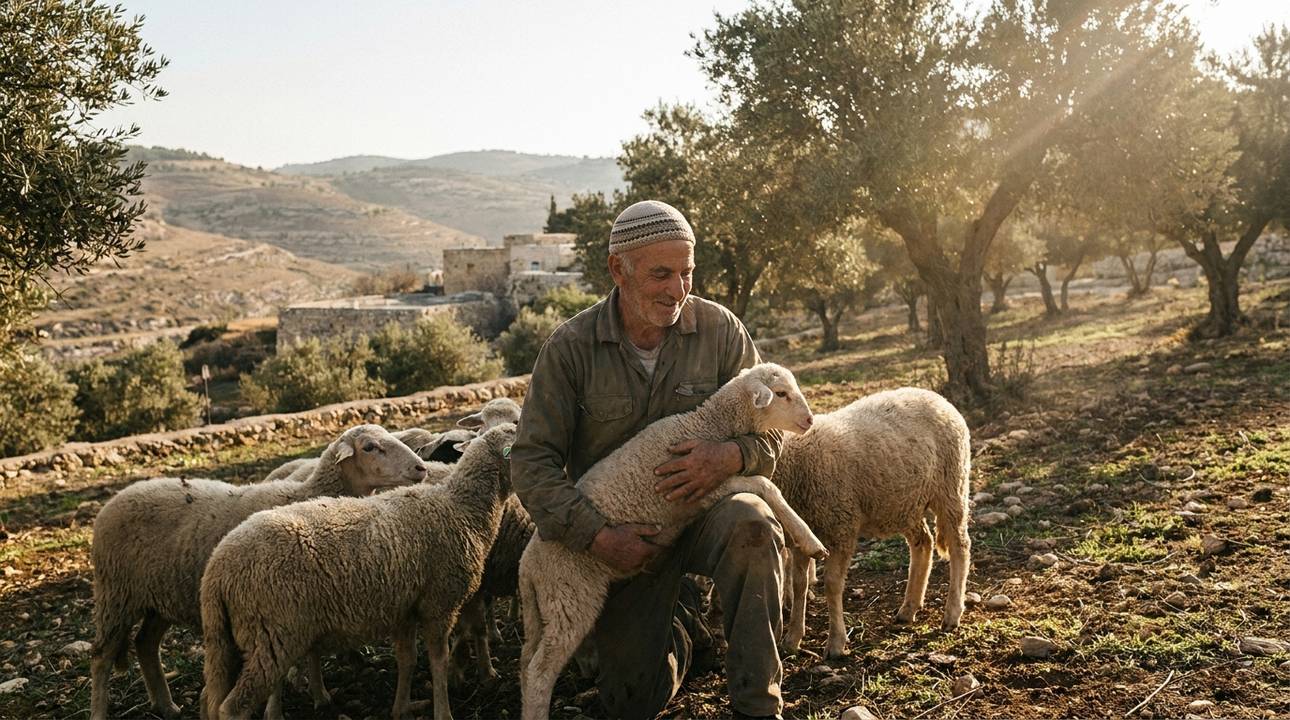
Cain and his brother Abel each made offerings to God. Cain, a farmer, offered the ‘fruit of the ground’, while Abel, a shepherd, offered the ‘firstlings of his flock’. This event is crucial, as it marks the beginning of the brothers’ conflict.
Genesis 4:4-5 reveals that God favored Abel’s offering over Cain’s. The reasons for the differing outcomes are debated among scholars and theologians. Some suggest that Abel’s offering was more sincere or that it represented a deeper faith, sparking discussions on the nature of true devotion.
The differing offerings of Cain and Abel have been interpreted as a reflection of their respective professions and the sincerity behind their gifts. Some scholars argue that Abel’s offering of the ‘firstlings’ signifies a greater sacrifice, as it represents the best of what he had.
This has led to discussions on the importance of intention and quality in acts of devotion, emphasizing the value of heartfelt offerings over mere ritual.
Cain’s Anger and the First Murder
Cain’s reaction to God’s preference for Abel’s offering was anger and jealousy. He lured Abel into the field and killed him, committing the first murder in the Bible. This act had profound consequences, not only for Cain but also for his family.
Genesis 4:8-12 describes how God confronted Cain, asking about Abel’s whereabouts, leading to his infamous response: ‘Am I my brother’s keeper? ‘ This interaction reveals the depth of Cain’s defiance and the severing of familial bonds, marking a turning point in human history.
The phrase ‘Am I my brother’s keeper?’ has become synonymous with a lack of responsibility and care for others. It reflects Cain’s attempt to deny accountability for his actions.
God’s response to Cain’s question underscores the importance of responsibility and the moral duty to care for one another. This story highlights the consequences of unchecked emotions and the impact of our actions on those around us, offering a timeless lesson on human relationships.
God’s Judgment on Cain
Following Abel’s murder, God cursed Cain, sentencing him to a life of wandering. Despite his crime, God marked Cain to protect him from others seeking vengeance, a mark known as the ‘mark of Cain’. This enigmatic mark has driven much discussion, symbolizing both punishment and mercy.
Cain’s struggles encapsulate themes of justice and redemption, resonating deeply in biblical lore. The mark served as a divine assurance that, despite his wrongdoing, Cain would not face harm from others, highlighting a balance between justice and compassion.
The ‘mark of Cain’ has been interpreted in various ways throughout history. Some view it as a symbol of divine protection, while others see it as a reminder of Cain’s transgression.
This mark serves as a testament to the complexity of divine justice, illustrating the balance between punishment and mercy. It underscores the idea that even in wrongdoing, there is room for redemption and protection, a theme that resonates throughout biblical narratives.
Cain’s Lineage and Legacy
Cain’s tragic story does not end with his exile. He settled in the land of Nod, east of Eden, and began a family. Genesis 4:17-22 details his descendants, including Enoch and Lamech, who carried forward his legacy.
Enoch is noted for building a city, while Lamech is associated with the first recorded instance of polygamy. Cain’s lineage is associated with both cultural advancements, such as the creation of tools and music, and continued moral complexity.
These developments highlight the dual nature of human progress and ethical challenges.
Lamech, a descendant of Cain, is noted in Genesis 4:19-24 for his declaration of vengeance, reflecting the ongoing moral struggles within Cain’s lineage. The account of Cain’s descendants illustrates the complexities of human advancement and ethical dilemmas.
This serves as a reminder of the enduring impact of Cain’s actions and the challenges of maintaining moral integrity across generations.
Interpretations of the Cain Story
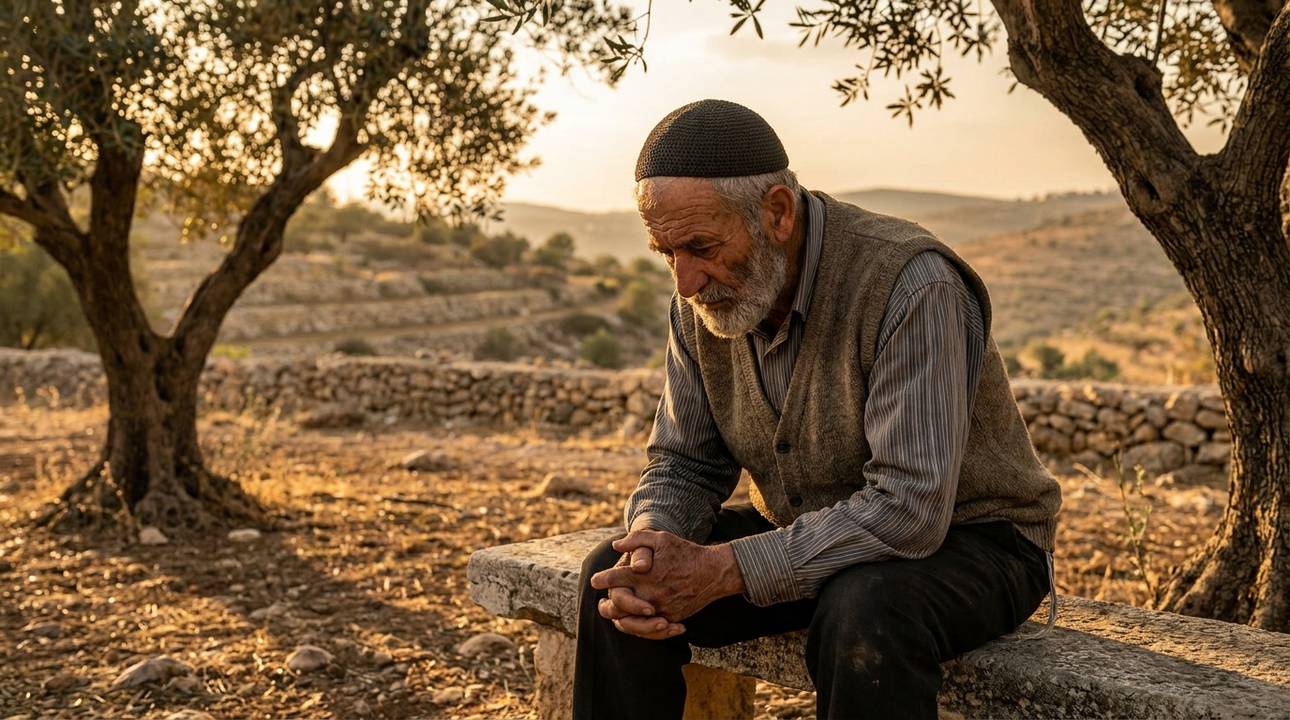
Throughout history, the story of Cain has been interpreted in various ways. It poses questions about sin, responsibility, and divine justice. Genesis 4:10-12 describes the consequences of Cain’s actions, emphasizing the moral and spiritual implications of his choices.
Some Jewish traditions view Cain’s narrative as a moral lesson, emphasizing the dangers of envy and violence. The story invites readers to reflect on their own relationships and the nature of human conflict, urging them to pursue peace and understanding.
from the Western Wall to Masada.
The Talmud and other Jewish texts often explore the themes of repentance and forgiveness through Cain’s story. They emphasize the importance of acknowledging one’s wrongdoings and seeking reconciliation.
Cain’s story serves as a reminder of the destructive power of jealousy and the need for self-control. It encourages individuals to reflect on their actions and strive for personal growth and harmony in their relationships.
Cain and Jewish Tradition
In Jewish tradition, Cain’s story is a cautionary tale. It underscores the importance of ethical behavior and the consequences of allowing anger to flourish unchecked. The account in Genesis 4:3-8 illustrates how jealousy can lead to destructive actions.
The story of Cain and Abel has been used in teachings to explore broader themes of lost opportunities and the search for reconciliation in a fractured world. It encourages individuals to seek peace and understanding in their relationships and communities.
The Midrash, a collection of ancient Jewish commentaries, often uses Cain’s story to discuss the importance of self-reflection and personal responsibility. By examining Cain’s actions, the Midrash highlights the need to control one’s emotions and the potential consequences of failing to do so.
This account offers a timeless lesson on the importance of ethical behavior and the pursuit of peace.
Cain’s Impact on Jewish Culture
The influence of Cain’s story extends into literature, art, and culture. His tale is portrayed in various artistic forms, illustrating its enduring relevance and ability to provoke thoughtful contemplation.
Artists like Rembrandt have depicted the moment of fratricide, capturing the emotional intensity of the account. This story continues to echo in discussions about ethics, family, and personal responsibility, maintaining its place within Jewish cultural discourse.
It acts as a powerful reminder of the impact of our choices and the importance of seeking reconciliation.
Cain’s story has inspired numerous artistic interpretations, each exploring the themes of guilt, redemption, and human frailty. In literature, authors have used Cain’s narrative to explore the complexities of human emotions and the consequences of unchecked jealousy.
This story remains a potent symbol of the moral and ethical challenges faced by individuals throughout history.

Theological Reflections on Cain
Theological reflections on Cain often focus on the nature of humanity, justice, and repentance. His story prompts discussions about the struggle between good and evil inherent in the human condition. In Genesis 4:9, when asked about his brother, Cain’s response, “Am I my brother’s keeper?
“, highlights themes of responsibility and moral accountability. Cain’s narrative encourages introspection on the part of the reader, urging consideration of one’s own moral and ethical conduct. It challenges us to confront our own inner conflicts and strive for personal growth and understanding.
Conclusion: The Lessons of Cain
Cain’s story is a vivid reminder of the complexities of human nature and the consequences of our choices. It teaches valuable lessons on responsibility, morality, and the pursuit of redemption.
The narrative shows how unchecked emotions can lead to irreversible actions, as seen in Genesis 4:7, where Cain is warned about sin lurking at the door. Understanding Cain in the Bible invites us to reflect on these universal themes and their relevance in our own lives.
It encourages us to consider how our actions affect others and the importance of seeking forgiveness and change.
The warning in Genesis 4:7 about sin ‘crouching at the door’ is a powerful metaphor for the constant presence of temptation and the need for vigilance.
This story encourages readers to be mindful of their actions and emotions, highlighting the importance of personal responsibility and the pursuit of moral integrity. It offers a timeless lesson on the challenges of human nature and the potential for growth and redemption.
Understanding Cain
