
Unraveling the Historical Layers of Lubya
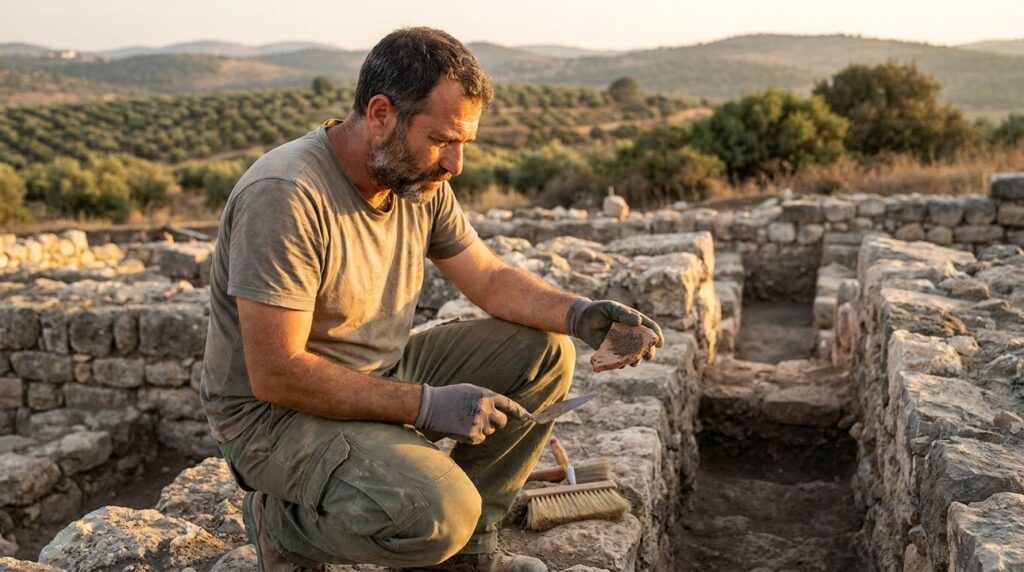

Lubya is an ancient site with deep historical roots. This article explores archaeological findings and the site’s historical importance. Lubya’s location made it a key site during various periods, including the Roman era.
Historical Mentions of Lubya
Lubya appears in historical texts as part of a network of settlements in the Galilee region. It played a role in the dynamics of its time, connecting it to broader historical contexts.
Archaeological excavations have uncovered artifacts that link Lubya to cultural and economic activities. These findings illustrate aspects of daily life and trade in the region.
Location of Lubya
Lubya is located in the lower Galilee region, known for its diverse landscape and historical significance. Its position facilitated trade and communication between communities.
The site’s proximity to major historical locations adds to its importance. This strategic location offered advantages for commerce and defense, making it a significant community hub.
Today, the site provides insights into the past, with archaeology revealing stories from thousands of years ago.
References to Lubya in History
Although not extensively named in prominent texts, Lubya’s proximity to notable regions suggests its connection to historical events. Its location near major trade routes highlights its historical roles.
These connections encourage further exploration into the historical context surrounding Lubya, revealing layers of historical depth.
Archaeological Discoveries at Lubya
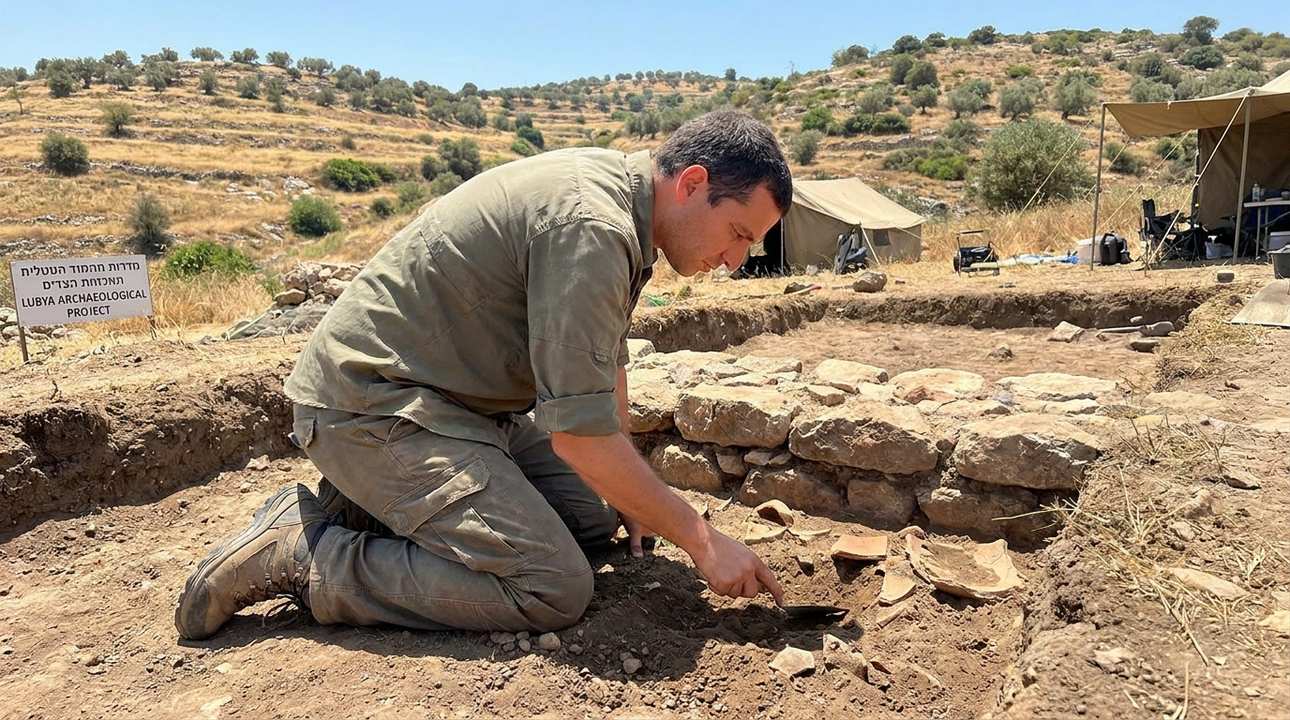
Excavations at Lubya have revealed evidence of settlements from various periods. Artifacts provide insights into the cultural and economic life of its inhabitants. Discoveries include pottery, tools, and structural remains, helping date the settlement’s phases of occupation.
These findings contribute to a deeper understanding of its history. For example, pottery shards from the Iron Age are linked to similar styles found in other settlements, indicating trade and cultural exchange.
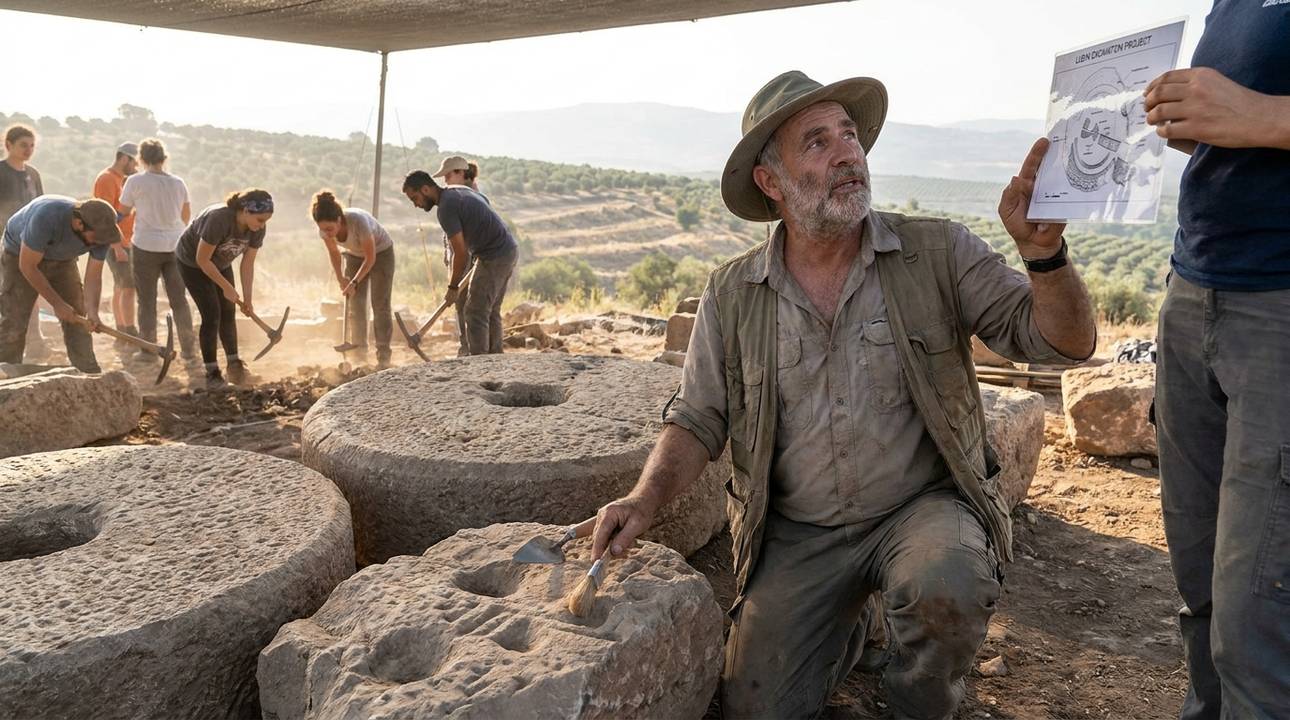
The archaeological work continues to uncover the daily lives of those who lived in Lubya, offering a tangible link to the past. Recent discoveries include remnants of an ancient olive press, suggesting the importance of olive oil production in the local economy. These findings highlight the agricultural practices of the time and the region’s role in broader economic networks. As excavations proceed, each artifact adds a piece to the puzzle of Lubya’s history.
Lubya in Modern Research
Modern research highlights Lubya as a key location for understanding past societies in the region. Researchers from various fields work to piece together its history through interdisciplinary studies.
Current studies integrate archaeological findings with historical texts to create a comprehensive picture of Lubya’s role. This collaborative approach provides a detailed view of the settlement.
Scholars continue to explore Lubya’s implications in the greater narrative of the region, enhancing our understanding of its contributions to history and culture.
Cultural Significance of Lubya
Lubya holds cultural significance that extends beyond its geographical boundaries. It represents a meeting point of various cultural influences over time. This convergence is reflected in artifacts and cultural remnants, showcasing a mixture of traditions and practices. Understanding this blend allows insights into the cultural interactions within ancient societies. For example, the presence of Greek-style pottery alongside traditional artifacts suggests a period of Hellenistic influence during the 4th century BCE.
The cultural imprints left by different peoples highlight the dynamic nature of communities, with Lubya as a symbol of these historical exchanges. The site has also revealed evidence of Roman and Byzantine occupation, further illustrating its diverse past. These layers of history demonstrate how Lubya served as a mix of cultures, each leaving its mark on the region. This mix of influences is a sign of the interconnectedness of historical civilizations and their lasting impact on the area.
Lubya in Jewish Tradition
In Jewish tradition, places like Lubya often hold symbolic value and contribute to the shared history of past generations. These locations are markers of historical events and social development. The legacy of such places is preserved in Jewish cultural narratives, binding the past to present identities through shared history.
Understanding these cultural ties adds depth to the exploration of Lubya’s place in history and tradition, connecting it to the larger Jewish experience. The region’s history is also echoed in Jewish liturgy and festivals, which often commemorate significant historical events. By exploring these connections, one gains a deeper appreciation for the enduring impact of places like Lubya on Jewish identity and heritage. These sites serve as a reminder of the shared journey of the Jewish people throughout history.

Lubya Today
Today, Lubya remains an area of interest for historians and archaeologists. Its past continues to resonate through ongoing excavations and scholarly research. Modern investigations aim to uncover more about Lubya’s historical roles, enriching our understanding of its contribution to regional history.
The preservation of its artifacts and stories helps maintain a connection to the past, ensuring that Lubya remains part of collective historical memory. Recent digs have uncovered Roman-era coins and pottery, providing insight into the trade and daily life of its inhabitants.
The site of Lubya has also been linked to significant historical events, such as the battles during the Crusades, which saw many regions change hands multiple times. Understanding these layers of history helps scholars piece together the complex narrative of the area. The ongoing work at Lubya not only preserves its past but also serves as a testament to the enduring legacy of its people. As researchers continue to uncover more about this site, Lubya’s role in history becomes clearer, offering insights into the lives of those who once called it home.
Lev Haolam’s Contribution
Lev Haolam offers curated gift boxes that highlight the craftsmanship and tradition of local artisans, fostering a connection between past and present.
Understanding Lubya
