
Discover the Symbolic World of Olives in the Bible
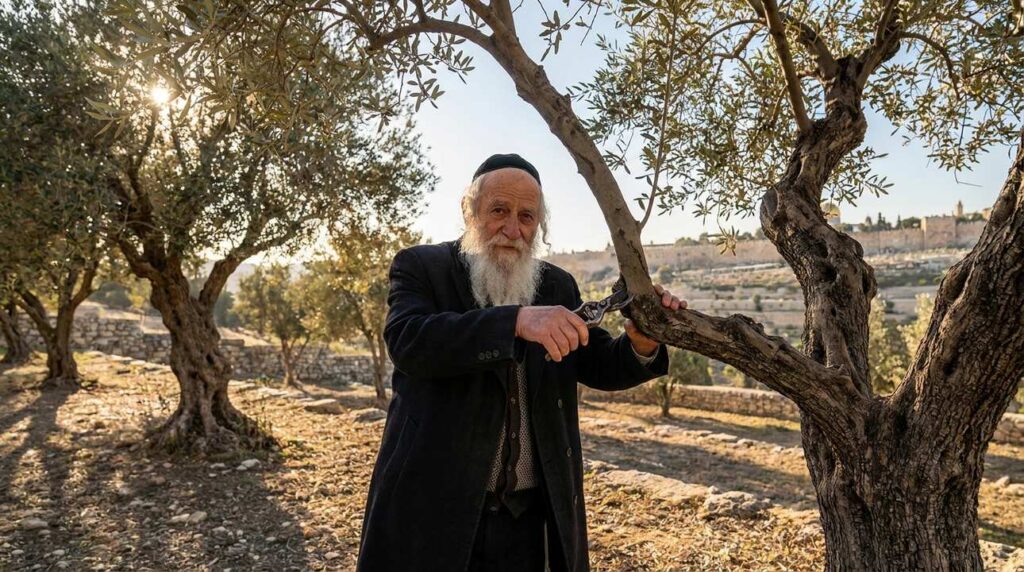

The olive tree holds a revered place in the Bible, symbolizing peace, purity, and prosperity. Its mention is scattered throughout the scriptures, making it a significant cultural and religious emblem. In Judges 9:8-9, it is depicted as a symbol of honor and anointing. From the story of Noah’s Ark to the Psalms, this tree has served as a beacon of hope and renewal. In Psalm 52:8, it is likened to a flourishing tree in the house of the divine, representing steadfastness and faith. This enduring symbol continues to inspire and connect believers to their spiritual roots.
Join us as we delve into the biblical lore and historical significance of the olive. This tree’s presence in biblical narratives highlights its importance in ancient Israelite society, where it was not only a source of sustenance but also a symbol of divine favor. In Deuteronomy 8:8, the land promised to the Israelites is described as a land of olive oil and honey, emphasizing its abundance and significance. Its enduring legacy continues to inspire those who seek peace and prosperity, making it a cherished emblem in both religious and cultural contexts. Our subscription boxes may include 6-8 products, and the contents vary, offering a unique experience each time.
from the Western Wall to Masada.
The olive tree is also mentioned in the story of Noah’s Ark, where a dove brings back a leaf to signify the end of the flood in Genesis 8:11. This gesture symbolizes renewal and hope, marking the olive as a sign of peace and new beginnings. In the cultural context, olive oil was used in various rituals and daily life, reflecting its integral role in the community. Its significance extends beyond its practical uses, serving as a reminder of the divine promises and the hope for a prosperous future.
The Olive Tree in Ancient Israel
The olive tree was a cornerstone of ancient Israelite agriculture and daily life. Not only was it valued for its fruit, but also for the oil produced from it, used in cooking, anointing, and lighting. Its biblical mentions confirm its crucial role. In 1 Kings 6:23, the inside walls of the Temple were covered with olive wood, highlighting its sacred status. Evidence from archaeological studies suggests extensive groves were widespread in the region. These trees were revered for their longevity and resilience, often surviving harsh climates and poor soil conditions. Such durability made them an apt symbol of enduring faith and hope.
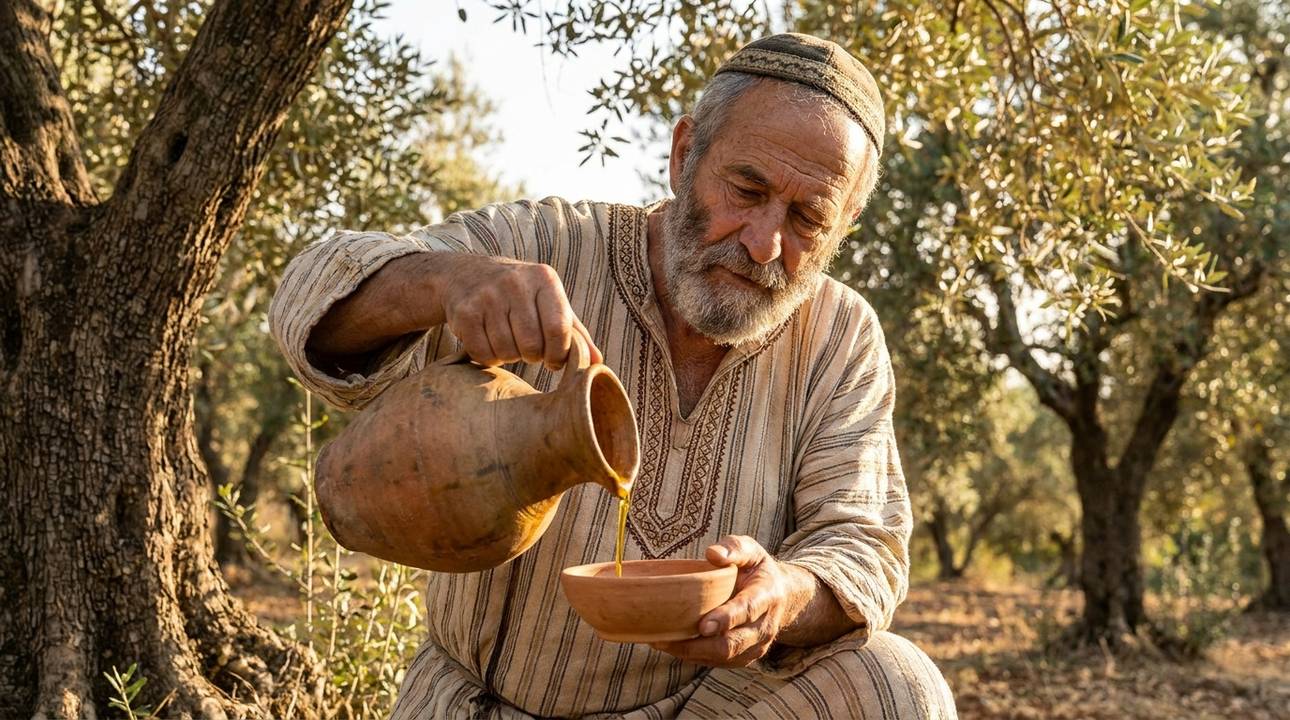
Beyond practicality, olives held symbolic meaning in Hebrew culture. Olive oil symbolized purity and illumination, vital in religious rituals, including the sacred anointing of priests and kings (Exodus 30:22-33). The menorah in the Temple was to be lit with pure olive oil, as commanded in Leviticus 24:2, emphasizing its sacred role in maintaining the light. The connection between olives and sanctity is well-documented, reflecting the oil’s illuminated role in the menorah’s everlasting light in the Temple. This sacred use underscores its importance in religious practices.
Olive oil’s role in anointing is further emphasized in the consecration of Aaron and his sons as priests in Exodus 30:30, marking them as chosen for divine service. This ceremonial act set them apart for their sacred duties, symbolizing their dedication to serving the community and maintaining the spiritual well-being of the people. Using olive oil in these rituals highlights its significance in religious practices, serving as a tangible connection to the divine and a reminder of the responsibilities that come with leadership and service.
This link underscored the divine presence and guidance in daily worship and ceremonies. The menorah, fueled by olive oil, served as a constant reminder of the divine light and wisdom guiding the people of Israel. In Exodus 27:20, the Israelites were instructed to bring pure olive oil for the light, ensuring the lamp burned continually. Anointing with this oil also signified the setting apart of individuals for a holy purpose, marking them as chosen leaders or servants in the community. This practice is seen in the anointing of Aaron and his sons as priests in Exodus 30:30.
The significance of olive oil in religious rituals is further highlighted in the anointing of kings, such as David in 1 Samuel 16:1-13, where it was used to signify his divine appointment. This ceremonial act set individuals apart for their sacred duties, symbolizing their dedication to serving the community and maintaining the spiritual well-being of the people. Using olive oil in these rituals underscores its importance in religious practices, serving as a tangible connection to the divine and a reminder of the responsibilities that come with leadership and service.
Olive Branch as a Symbol of Peace
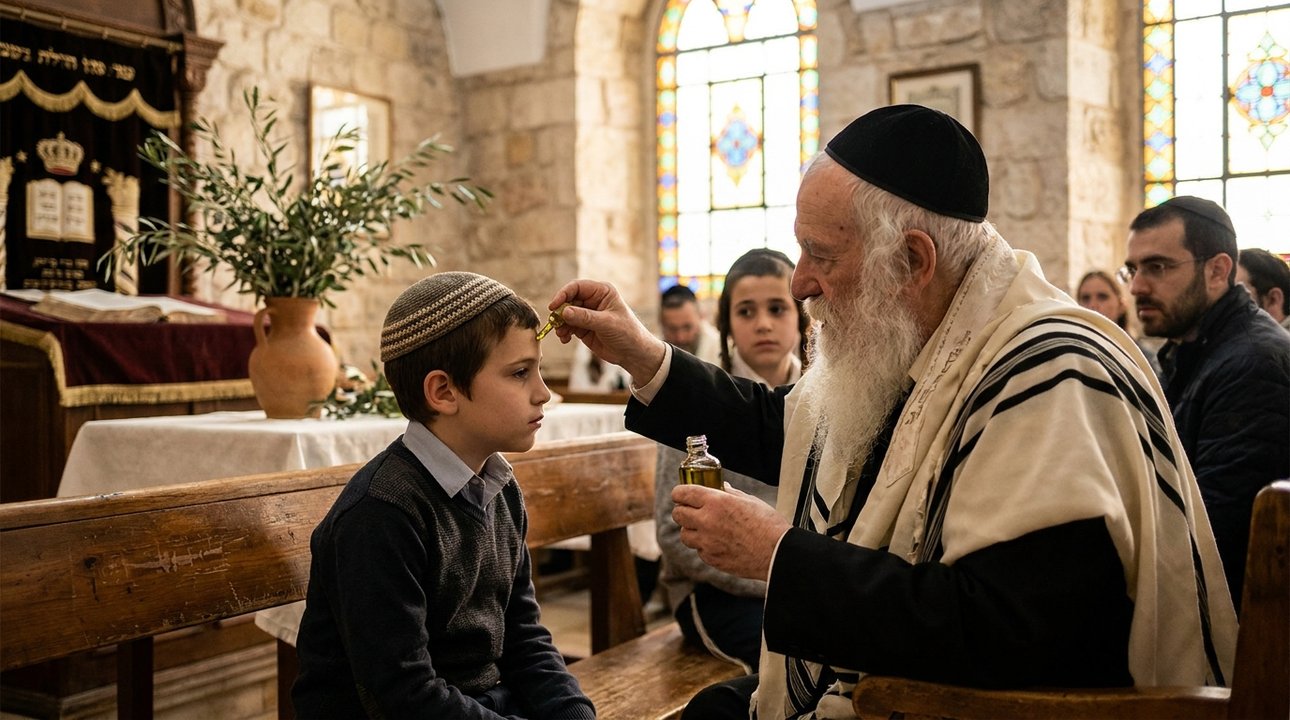
The story of Noah’s Ark illustrates the olive branch as a peace emblem. In Genesis 8:11, a dove returned to Noah with an olive leaf. This dove’s action signified the flood’s end and the earth’s restoration, establishing the olive branch as a universal symbol of peace. The olive branch is not only a symbol of peace but also one of renewal and hope, representing the promise of new beginnings. Today, this symbolic gesture transcends cultures and continues to be a powerful metaphor for reconciliation and new beginnings, reaffirming its biblical roots in illustrating divine promise.
The olive branch’s symbolism extends to various cultures, where it is often used in rituals and ceremonies to signify peace and reconciliation. This tradition has been embraced by many societies, highlighting the universal appeal of the olive branch as a symbol of hope and renewal. The enduring relevance of the olive branch as a peace symbol underscores its timeless significance and the shared human desire for harmony and understanding across different cultures and generations.
The olive branch has been adopted by various cultures and organizations as a symbol of peace, including its use in the emblem of the United Nations. Its biblical origin as a sign of renewal and hope continues to resonate with people seeking harmony and resolution. The story of the olive branch in Genesis 8:11, where a dove brings it back to Noah, signifies the end of the flood and a new beginning. The enduring image of the olive branch serves as a reminder of the possibility of peace and the hope for a better future, rooted in ancient wisdom and tradition.
In ancient Greece, the olive branch was also a symbol of peace, used in rituals and ceremonies to signify reconciliation and the end of conflict. This tradition has carried through to modern times, where the olive branch is often used in diplomatic contexts to represent the desire for peace and cooperation. The universal appeal of the olive branch as a symbol of peace highlights its timeless relevance and the enduring human aspiration for harmony and understanding across cultures and generations.
The olive branch’s role in peace extends beyond its biblical origins, deeply embedded within cultural traditions worldwide. In Genesis 8:11, it first appeared when a dove brought it back to Noah, symbolizing the end of the flood and the promise of new beginnings. This beloved image is repeatedly invoked when nations seek reconciliation, a timeless testament to its enduring legacy. Throughout history, from ancient Greece to modern diplomacy, the olive branch remains a symbol of peace and hope, reminding us of the possibility of harmony and renewal in our world.
In ancient Greece, the olive branch was used in rituals and ceremonies to signify reconciliation and the end of conflict. This tradition has carried through to modern times, where it is often used in diplomatic contexts to represent the desire for peace and cooperation.
from the Western Wall to Masada.
Olives and Divine Anointing
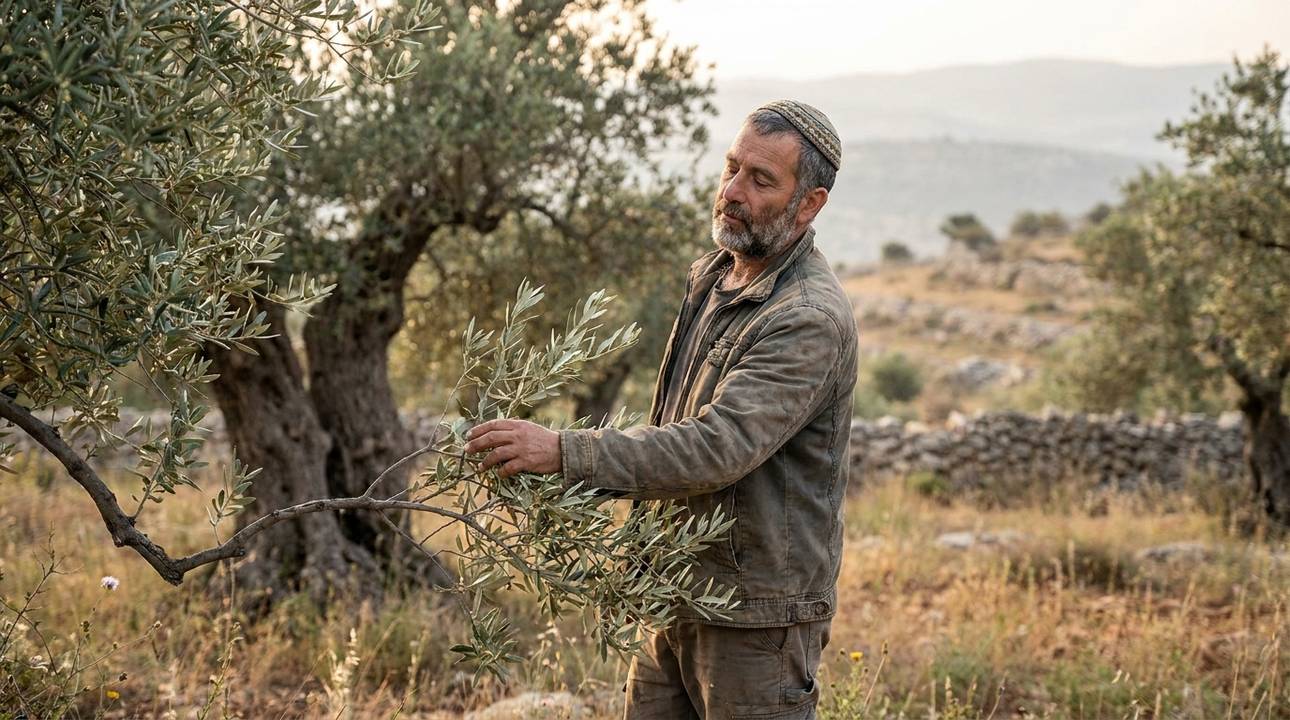
Olive oil’s central role in divine anointing set it apart in biblical rituals. It was used to anoint kings like David (1 Samuel 16:1-13) and to consecrate the high priests of Israel. This practice marked individuals as chosen for divine purpose, imbuing them with sacred authority. In Leviticus 8:12, Aaron was anointed with olive oil, signifying his role as high priest. The spiritual significance went beyond mere ritual, representing divine guidance and the sanctification of leadership, thus reminding contemporary believers of their spiritual responsibilities.
Anointing with olive oil was not only a physical act but also a spiritual one, symbolizing the presence of the divine and the empowerment of the individual for their sacred duties. This tradition is echoed in the anointing of Solomon as king in 1 Kings 1:39, where olive oil was used to signify his divine appointment.
Benefits from olive oil extend into practical applications, such as healing, where it was mixed with perfumes to create ointments for physical restoration. In Isaiah 1:6, olive oil is mentioned as a balm for wounds, illustrating its role in healing practices. These rituals in Old Testament culture mirrored divine favor and protection, using creation’s bounty to affirm spiritual duty and community well-being. Olive oil was also used in anointing ceremonies, symbolizing consecration and the presence of the divine.
The healing properties of olive oil are further supported by the story of the Good Samaritan in Luke 10:34, where it is used to treat wounds. This highlights its importance in ancient medical practices. In addition to its healing properties, olive oil played a symbolic role in anointing kings and priests, as seen in the anointing of David in 1 Samuel 16:1-13. This ceremonial act was a way to designate individuals as chosen for a special purpose, imbuing them with sacred authority and divine favor.
The Mount of Olives: A Place of Prayer and Prophecy
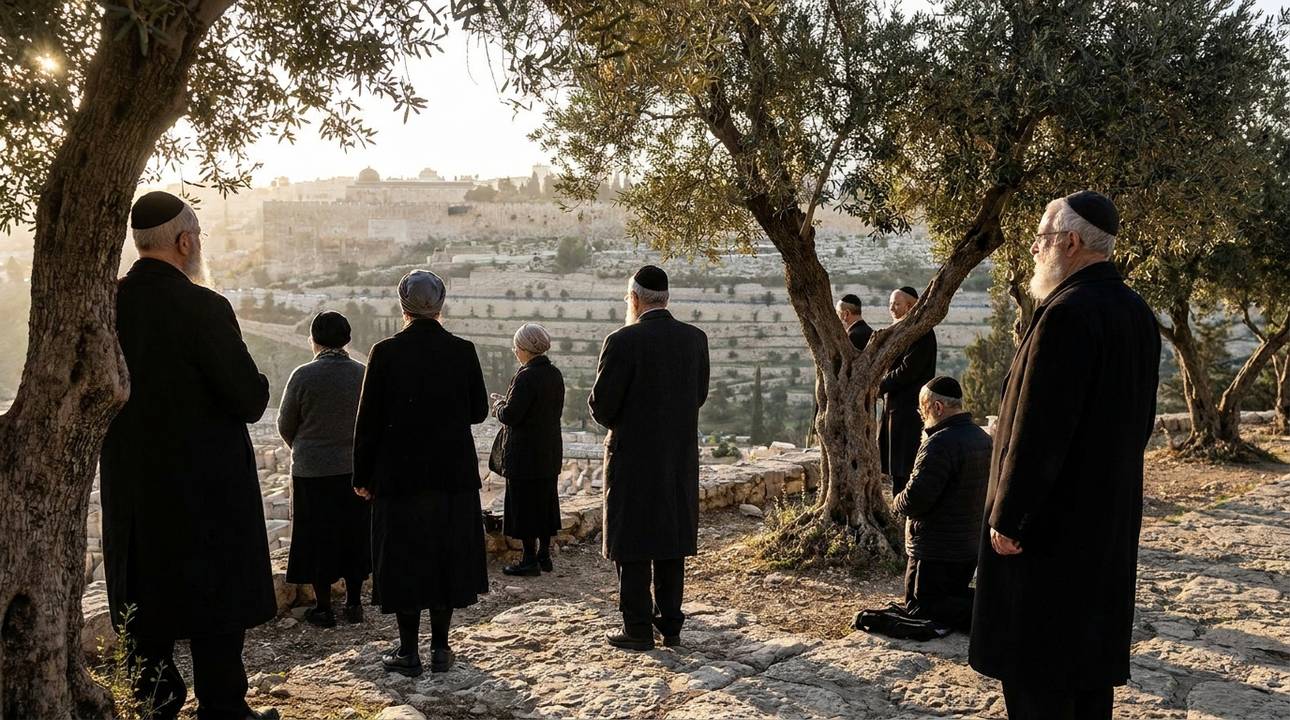
The Mount of Olives holds a prominent place in biblical history. Located outside Jerusalem, it served as a crucial site for prayer and reflection, particularly for prophets like Zechariah, who foresaw a future renewal of Israel from this vantage point (Zechariah 14:4). King David also ascended this mount in 2 Samuel 15:30, seeking solace during times of distress. Its significance stems from both historical and spiritual contexts, providing a place for divine connection and prophetic vision. This revered location continues to inspire contemplation and pilgrimage.
The Mount of Olives is also significant in Jewish eschatology, where it is believed to be the site of the resurrection of the dead, adding a layer of spiritual anticipation to its historical importance. This belief underscores the mountain’s role as a place of hope and renewal, drawing individuals who seek to connect with the divine and reflect on the promises of the future. Its enduring presence in religious tradition makes it a symbol of faith and continuity for many believers.
Beyond its spiritual role, the Mount of Olives provided resources like olive oil, fundamental for ritual and daily life. This mountain, located east of Jerusalem, is mentioned in 2 Samuel 15:30, where King David ascended it in mourning. The Mount is also associated with prophecy, as it is believed to be the site of the resurrection of the dead in Jewish tradition. This dual significance of spiritual site and resource provider highlights its integral role in Jewish heritage and faith, continuing to be a place of reflection and connection to the divine.
The Mount of Olives is also mentioned in Zechariah 14:4, where it is prophesied to play a role in the future restoration of Israel. This prophecy adds to the mountain’s spiritual significance, making it a place of hope and anticipation for many believers. The historical and spiritual importance of this mount is further emphasized by its continued use as a site for prayer and pilgrimage, drawing visitors who seek to connect with the sacred history and traditions of the Jewish faith.
This enduring symbol of worship and prophecy underscores its historical and theological importance across centuries. The Mount of Olives has been a place of pilgrimage and reflection, with ancient olive trees witnessing countless prayers and rituals. Its strategic location near Jerusalem made it a significant site for both spiritual and military purposes during biblical times. The olive trees there continue to be a testament to the resilience and continuity of Jewish history and faith, serving as a living connection to the past and a symbol of enduring spiritual strength.
The Mount of Olives is also mentioned in the prophecies of Zechariah 14:4, where it is envisioned as a site of future renewal and divine intervention.
Olive Symbolism
