
Understanding the Role of Jerusalem in the Bible
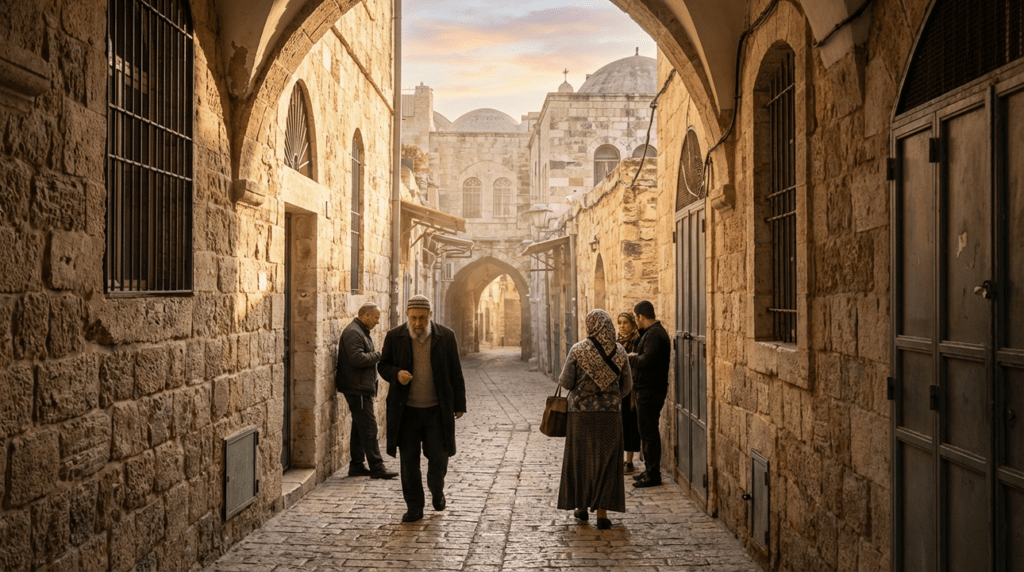

Jerusalem is a city steeped in history, its roots deeply embedded in the narrative of the Bible. From its earliest mentions to its enduring significance, Jerusalem is more than a geographical location.
It is a symbol of faith, a city with profound religious meaning intertwined with the story of a people and their God. In this article, we’ll explore the various depictions of Jerusalem in biblical texts and its meaningful presence throughout Jewish tradition.
As we delve deeper, we’ll see how Jerusalem became the heart of Jewish worship and identity, from King David’s establishment of it as the capital to Solomon‘s construction of the Temple. Ultimately, Jerusalem’s biblical journey is a testament to its lasting spiritual and cultural importance.
from the Western Wall to Masada.

Jerusalem in the Early Days
Jerusalem first emerges in the biblical narrative in Genesis, associated with Melchizedek, the king of Salem (Genesis 14:18). This early reference highlights its ancient roots.
Centuries later, the significance of Jerusalem rises dramatically under King David, who made it the political and spiritual capital. His son, Solomon, would build the First Temple there, cementing its religious centrality.
The city thus became the focal point for worship and a symbol of divine presence.
Jerusalem’s role as a spiritual center was solidified, drawing pilgrims from afar during festivals like Sukkot. From Melchizedek to Solomon, Jerusalem’s biblical narrative underscores its enduring importance as a center of faith and worship.
Jerusalem as the Prophetic Vision
These prophetic visions keep the spirit of Jerusalem alive, painting it as the eternal center of spiritual renewal. Jerusalem is seen as a city where peace, justice, and divine presence will ultimately prevail.
Temple’s Central Role
King Solomon’s Temple, constructed on Mount Moriah, was the heart of Jerusalem’s spiritual life. As the dwelling of the Ark of the Covenant, it represented the nation’s relationship with the divine, as detailed in 1 Kings 6:1-38.
The Temple was a place for pilgrimage during major festivals like Passover, as mentioned in Deuteronomy 16:16, drawing people from all over. The Temple became synonymous with the city itself, and its destruction and anticipated rebuilding were subjects of longing and divine connection in the texts.
Solomon’s Temple was not just a building but a central part of Jewish identity and spiritual life, its legacy enduring through centuries.
Thus, the presence of the Temple in Jerusalem was not just physical but a deeply spiritual one. The hope for its rebuilding is expressed in Jewish prayers and traditions, such as the Mourner’s Kaddish, which reflects a yearning for restoration.
The Temple’s significance extends beyond its physical structure, symbolizing the enduring spiritual connection between Jerusalem and the Jewish people.
The Babylonian Exile and Return
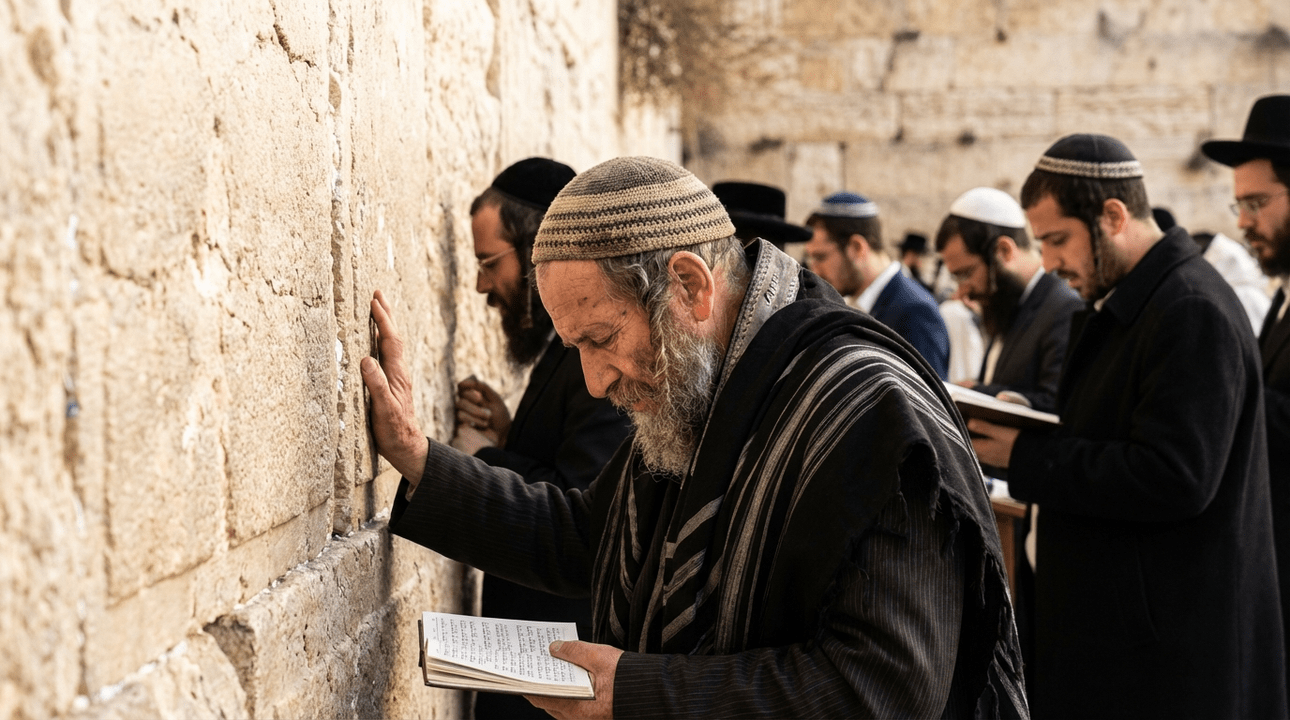
The impact of the Babylonian exile is prominent in understanding Jerusalem’s importance. The city’s destruction led to profound sorrow and longing in Jewish thought, captured in Psalm 137:1, “By the rivers of Babylon, there we sat down, yea, we wept, when we remembered Zion.
” The eventual return and rebuilding of the Second Temple, as recorded in Ezra 6:14-15, marked a period of renewal and hope. This event symbolized the resilience of the Jewish people and their faith in a future restoration.
This period is chronicled in the books of Ezra and Nehemiah, highlighting the determination to restore Jerusalem’s glory. The exile and return illustrate Jerusalem’s role as a symbol of hope and renewal, deeply embedded in Jewish consciousness.
Jerusalem’s resilience became emblematic of a spiritual resurgence, echoing through biblical and post-biblical writings. Nehemiah’s efforts to rebuild the city’s walls (Nehemiah 2:17-18) further illustrate the determination to restore Jerusalem’s glory.
His leadership inspired the people to overcome challenges, reflecting a collective hope for renewal after the Babylonian exile. The Babylonian exile and subsequent return highlight Jerusalem’s role as a symbol of hope and renewal in Jewish history.
Nehemiah’s leadership was crucial in rallying the people to rebuild Jerusalem’s walls, as described in Nehemiah 4:6. This effort was not just about physical reconstruction but also spiritual revival. The community’s dedication to restoring their city became a testament to their resilience and faith.
Nehemiah’s story exemplifies the enduring spirit of Jerusalem and its people, committed to renewal and unity.
Jerusalem in Jewish Liturgical Tradition
Throughout Jewish liturgy, Jerusalem occupies a central place, referenced in prayers, psalms, and songs. It is an enduring symbol of faith and hope, as seen in Psalm 122:6, “Pray for the peace of Jerusalem: they shall prosper that love thee.
” The city’s name evokes a longing present since the exile, still alive in phrases like ‘Next year in Jerusalem’ during the Passover Seder, demonstrating its continued spiritual power.
from the Western Wall to Masada.
In the Amidah prayer, recited thrice daily, there is a plea for the rebuilding of Jerusalem, highlighting its importance. This prayer reflects a deep yearning for restoration and unity among Jewish people.
Jerusalem’s mention in these prayers underscores its role as a beacon of hope and a symbol of enduring faith. It connects the past with the present, reminding the Jewish community of their shared heritage and aspirations for peace.
Jerusalem’s presence in liturgy underscores its role as a symbol of unity and hope for Jewish communities worldwide.
The Sanhedrin, which met in Jerusalem, played a crucial role in Jewish law and governance. This highlights the city’s status as a center of wisdom and justice.
Jerusalem remains a symbol of hope and unity, deeply woven into the fabric of Jewish life and tradition.
Modern Reflections of Ancient Jerusalem
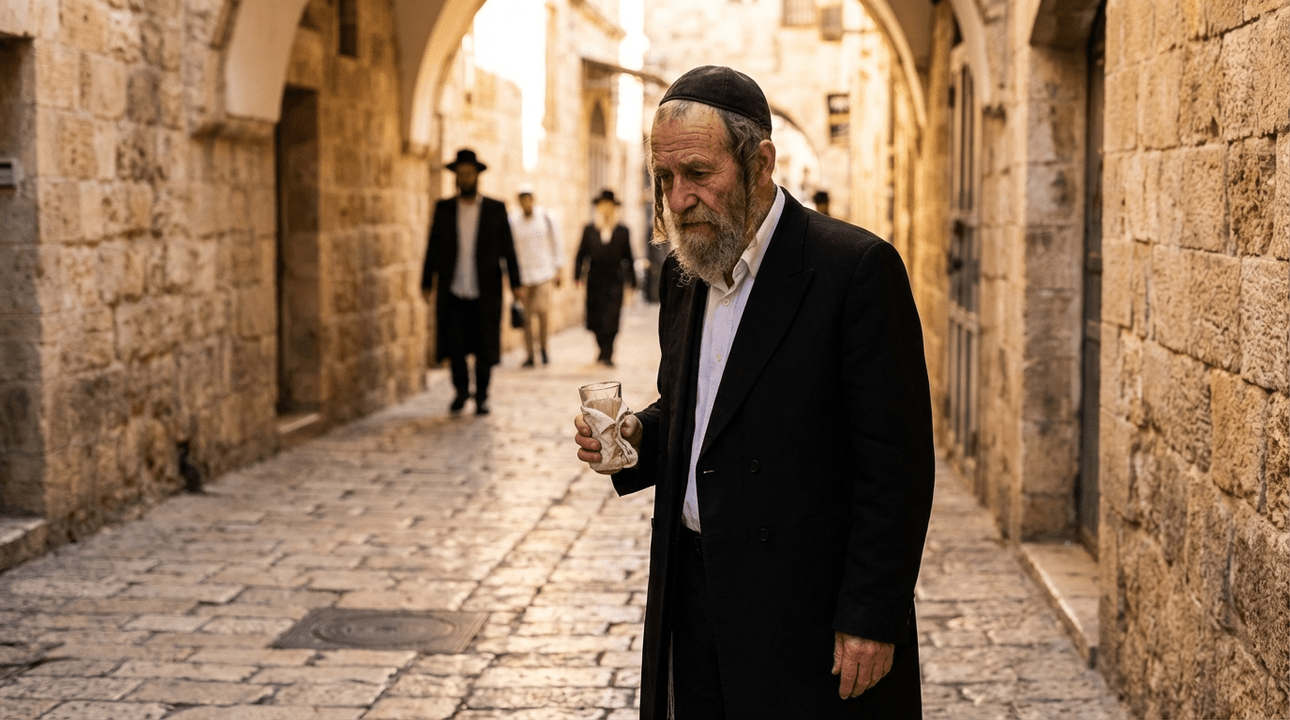
Today, modern Jerusalem stands as a living testament to its enduring legacy. The ancient city’s narratives continue to inspire architectural, spiritual, and cultural discourse. Landmarks like the Western Wall and the Old City reflect its rich history and ongoing significance.
Visiting Jerusalem offers a tangible connection to its biblical past, allowing one to walk where kings and prophets once tread. This blend of past and present reinforces Jerusalem as a symbol of continuity, adaptability, and hope.
These landmarks serve as reminders of the city’s spiritual and historical depth, inviting visitors to explore and reflect. Jerusalem’s vibrant past and present make it a unique city where history and spirituality converge.
The city also hosts important archaeological sites, such as the City of David, which provide insights into its ancient past. Excavations have uncovered remnants of structures dating back to the time of King David, around 1000 BCE.
Jerusalem remains a vibrant city that bridges the ancient and the modern, serving as a testament to its historical and spiritual significance.
The City of David, located south of the Old City, is a focal point for understanding Jerusalem’s early history. Archaeologists have discovered significant artifacts, including the Pool of Siloam, mentioned in John 9:7.
These discoveries provide a tangible connection to biblical narratives, enriching our understanding of the city’s past. Jerusalem’s archaeological sites offer a window into its rich history, enhancing its role as a living museum of ancient life.
Cultural and Global Influence
Jerusalem’s influence extends beyond religious texts to cultural inspirations. In literature and music, it is often depicted as an emblem of spiritual and historical depth. Many artists have captured its essence, making Jerusalem a subject of artistic and cultural admiration.
Its representation in popular songs and literature underscores its universal appeal, transcending cultures. Through these mediums, Jerusalem continues to be a beacon of inspiration.
These cultural depictions highlight Jerusalem’s multifaceted nature, where ancient history and modern life intertwine. Jerusalem’s cultural presence continues to inspire and connect people across generations.
Frequently Asked Questions about Biblical Jerusalem
