Understanding the Moabites in the Bible
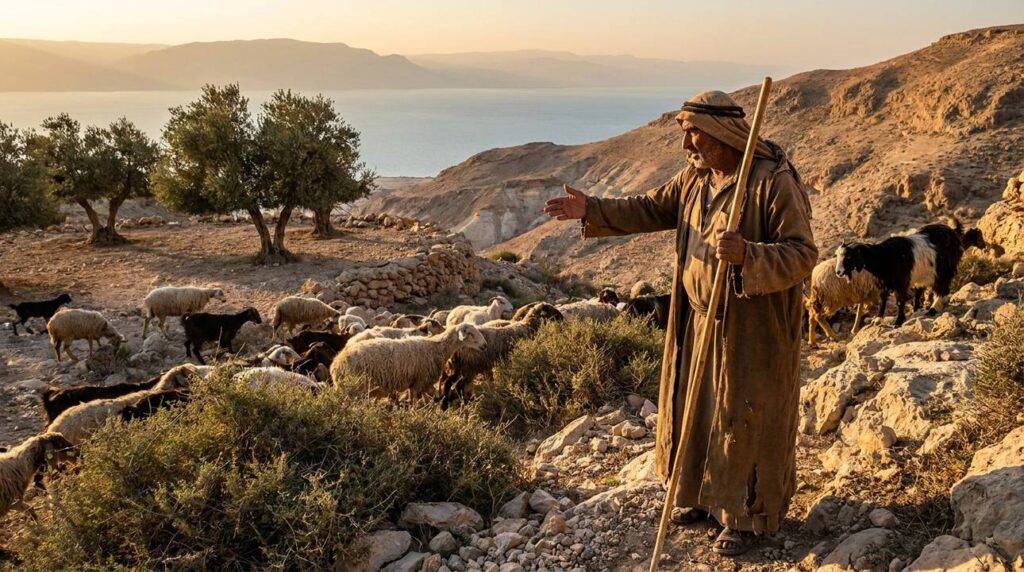

The Moabites play a significant role in the Bible, among the ancient peoples neighboring Israel. They are descendants of Moab, the son of Lot, as recorded in Genesis 19:37. This lineage is central to their identity in biblical narratives.
Various historical accounts mention them, creating unique cultural and historical dimensions, such as their interactions with Israel in the Book of Judges.
These accounts often depict their complex relationship, marked by both conflict and cooperation, reflecting the intricate dynamics of ancient Near Eastern societies.
Origins of the Moabites
Traditionally considered descendants of Moab, the son of Lot, the Moabites trace their origins to Genesis 19:37, where Moab was born after Lot’s daughters sought to preserve their father’s lineage following the destruction of Sodom and Gomorrah.
This familial connection is significant in understanding the relationship between the Israelites and Moabites, as they share a common ancestry.
Their shared lineage often complicated interactions, blending kinship with rivalry, as seen in various biblical narratives where alliances and conflicts arose.
from the Western Wall to Masada.
Moabites in the Biblical Narrative
In the Book of Numbers 22–24, the Moabite King Balak famously hired Balaam to curse the Israelites. This narrative illustrates the tension and conflict between the two nations, as Balak feared the growing strength of Israel.
Instead of cursing, Balaam praised Israel, demonstrating the protection over them, which is a key theme in the story.
Balaam’s oracles, despite Balak’s intentions, affirmed Israel’s destiny and strength, showcasing the futility of opposing divine will and the unexpected outcomes of human plans.
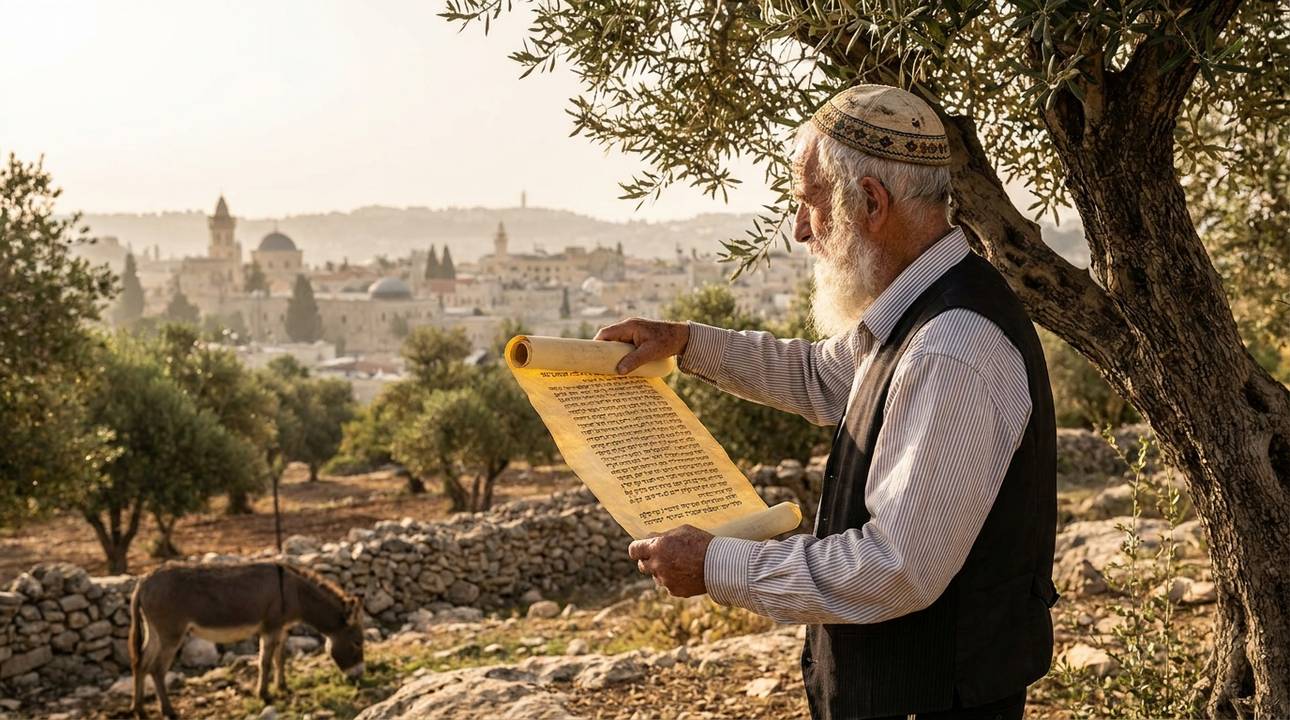
The Moabites were also traditional enemies of Israel. Biblical accounts speak of conflicts during the Judges era, as noted in Judges 3:12-30, where King Eglon of Moab oppressed Israel until they were delivered by Ehud.
These stories highlight the recurring military and political conflicts in the region. Ehud’s daring assassination of King Eglon is a vivid example of the struggle for freedom and autonomy faced by the Israelites, showcasing the bravery and resilience required to overcome oppression.
The Role of Moabite Women
Moabite women are depicted with mixed qualities throughout history. One of the most notable is Ruth, a Moabitess who played a pivotal role in Jewish heritage. Her story, found in the Book of Ruth, reflects themes of loyalty and faith.
Ruth became a significant figure in Israel’s history. Her decision to stay with her mother-in-law Naomi and her famous declaration, “Where you go, I will go,” exemplifies her steadfastness and the positive influence of Moabite individuals in Israel’s lineage.

Ruth’s story stands in contrast to other accounts, where Moabite women led Israelites astray, as seen in Numbers 25:1-3. In this passage, the Israelites were enticed by Moabite women, leading to idolatry and conflict.
Ruth, however, embodies loyalty and faithfulness, choosing to stay with her mother-in-law Naomi, as described in the Book of Ruth. Her integration into Israelite society highlights a positive aspect of Moabite-Israelite relations, showing that individual choices can transcend cultural tensions.
Moabites and the Israelite Laws
The Torah presents specific laws concerning Moabites. In Deuteronomy 23:3-6, it states that Moabites could not enter the assembly of the Lord. This exclusion is attributed to their prior actions against Israel, like not meeting them with food and hiring Balaam against them.
The narrative highlights the importance of hospitality and loyalty, values deeply embedded in Israelite culture, and the consequences of failing to uphold them.
Cultural and Religious Practices
The Moabites had their own cultural identity, often described in opposition to Israelite practices. Their chief deity was Chemosh, as mentioned in 1 Kings 11:7, where Solomon built a high place for Chemosh.
This worship is also evidenced by the Mesha Stele, a significant archaeological find that chronicles Moab’s history.
The stele describes King Mesha’s devotion to Chemosh, highlighting the distinct religious practices of the Moabites, setting them apart in the biblical narrative and illustrating their cultural uniqueness.
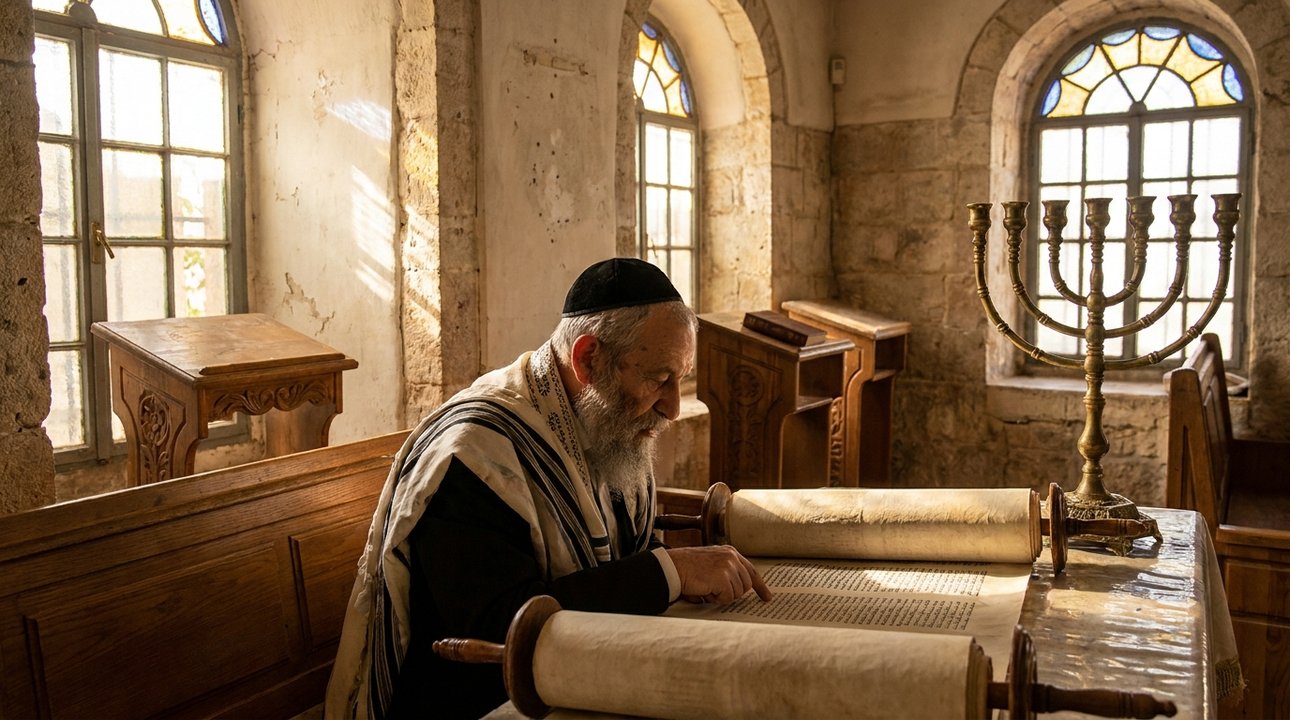
Chemosh’s role as a national god underscores the distinct religious practices of the Moabites, setting them apart in the biblical narrative. This is evident in 1 Kings 11:7, where Solomon built a high place for Chemosh.
This religious distinction often becomes a source of tension in relations with Israel, as seen in stories of conflict and divine judgment. Such practices were viewed negatively by the Israelites, contributing to the animosity.
from the Western Wall to Masada.
The Moab of the Prophets
Prophets like Isaiah and Jeremiah often spoke of the Moabites, highlighting them in their oracles. In Isaiah 15–16, the prophet laments the destruction of Moab, describing the mourning and desolation, where cities like Ar and Kir are devastated.
In Jeremiah 48, the destruction of Moab is foretold, symbolizing divine judgment for their actions against Israel. This chapter emphasizes the consequences of their pride and idolatry, portraying Moab as a nation that would face ruin due to its arrogance and opposition.

These prophetic declarations emphasize the moral and ethical standards expected by God, as seen in the words of prophets like Amos and Micah. The narratives serve as reminders of the consequences of actions not aligned with divine will.
For example, the fate of the Moabites mentioned in Amos 2:1-3 specifically condemns Moab for burning the bones of the king of Edom, illustrating the severity of their actions and the resulting divine judgment they faced for such transgressions.
Moabites in Archaeological Studies
Archaeology provides additional insights into Moabite culture. The Mesha Stele, discovered in the 19th century, sheds light on King Mesha’s achievements and interactions with Israel. This artifact corroborates biblical accounts, enriching our understanding of Moabite society.
The stele details Mesha’s rebellion against the Kingdom of Israel, as noted in 2 Kings 3, offering a rare glimpse into the geopolitical dynamics of the era. It highlights the complex relationships and power struggles that shaped the history of the region.
The Mesha Stele is one of the most valuable Mesopotamian records that mentions Moab’s victories and defeats over Israel, giving a voice to the Moabite perspective. This stone inscription, discovered in 1868, enhances our appreciation of the historical context.
It provides insights into the political and military struggles of the time. The stele records King Mesha’s successful revolt against Israel, as described in 2 Kings 3, where he claims victory and attributes his success to the favor of Chemosh, the Moabite deity.
Conclusion: The Legacy of the Moabites
In summary, the Moabites hold a complex position in historical narratives, embodying conflict and cooperation, as seen in their interactions with figures like Ruth.
Their interactions with Israel offer profound insights into the cultural and spiritual dynamics of the time, highlighting both alliances and enmities. The story of Ruth, for instance, illustrates how personal relationships could transcend national boundaries.
The enduring legacy of Ruth, their intricate history, and archaeological records like the Mesha Stele ensure their place within the broader tapestry of biblical history. The Mesha Stele, dating back to the 9th century BCE, provides a Moabite perspective on their conflicts with Israel.
This artifact records King Mesha’s successful revolt against Israel, offering a rare glimpse into the geopolitical dynamics of the era. Their story is a compelling facet of the ancient world, illustrating the interconnectedness of neighboring cultures and their lasting impact.
Moabites and Their Significance