
Mount Sinai and Mount Zion: A Comparison of Significance
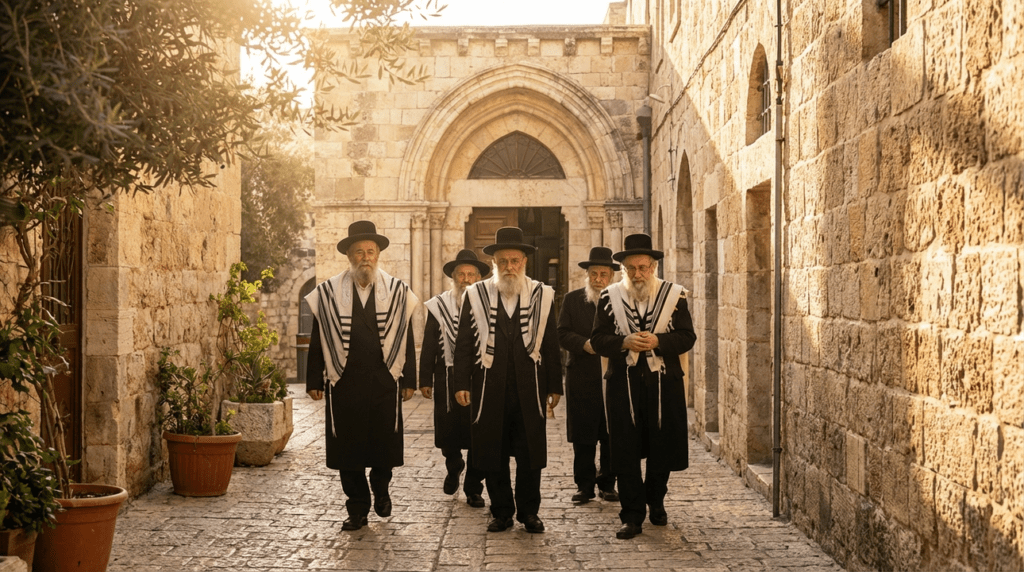

Mount Sinai and Mount Zion hold their places proudly within biblical history. Renowned for the giving of the Torah, Mount Sinai is a pivotal site described in Exodus 19-20. Here, Moses received the Ten Commandments, shaping the moral and legal foundation of Jewish life.
Mount Zion, on the other hand, is often associated with King David, who captured the city of Jerusalem and made it his capital, as noted in 2 Samuel 5:7. Each represents a unique aspect of spiritual tradition and identity, evoking deep thought about their roles in faith and scripture.
This article explores their distinct significance and how they serve as pillars of Jewish tradition. Known for its pivotal role in the Bible, Mount Sinai is where Moses received the Ten Commandments (Exodus 19:20).
This event marked the establishment of the covenant between the divine and Israel, symbolizing law and order. In contrast, Mount Zion is often seen as the spiritual heart of Jerusalem, representing the aspirations of the Jewish people.
It is mentioned in the Psalms, such as Psalm 48, highlighting its importance as a place of joy and spiritual fulfillment.
Together, these mountains illustrate the journey from law to spiritual fulfillment, a journey that continues to inspire believers today. The significance of Mount Zion is further emphasized in the writings of the prophets, where it is portrayed as a place of refuge and divine presence (Isaiah 2:3).
This duality of law and spirituality reflects the ongoing journey of the Jewish people, balancing adherence to divine commandments with the pursuit of spiritual growth and national identity. Zion’s role as a beacon of hope is echoed in Micah 4:2.
The Importance of Mount Sinai
Renowned as the sacred mountain where Moses received the Ten Commandments, Mount Sinai is a pivotal moment in the Bible, described in Exodus 19:20, that established the covenant between the divine and Israel, setting the stage for the nation’s laws.
According to Britannica, the Sinai covenant symbolizes divine authority and the unique relationship between the divine and the Israelites. This moment is not only a cornerstone of Jewish faith but also a defining event in the broader context of Western religious thought.
The significance of Sinai extends beyond the giving of the law; it represents a moment of profound transformation for the Israelites, who shifted from a group of tribes into a cohesive nation under divine guidance.
This transformation is further emphasized in Deuteronomy 5:2-3, where the covenant is reiterated, highlighting its enduring importance in Jewish tradition and its role in shaping the identity and moral framework of the people.
The experience at Sinai is also a testament to the Israelites’ commitment to uphold the commandments given to them.
Mount Zion in Jerusalem
Contrasting with the remote and rugged Sinai, Mount Zion is located in the heart of Jerusalem. Mentioned frequently in the Bible, it has grown to symbolize not only a geographic locale but also a place of spiritual significance.
The connection between Zion and the Temple is profound, as the Temple was built on Mount Moriah, closely associated with Zion. This makes it a symbol of holiness and divine presence, as seen in 1 Kings 8:1, where Solomon brings the Ark of the Covenant to the Temple.
Zion thus represents both a physical and spiritual pinnacle.
The historical and spiritual significance of Mount Zion is further underscored by its association with King David, who established his capital there, as described in 2 Samuel 5:7.
This connection to David’s kingdom adds a layer of national identity to Zion’s symbolism, making it a focal point for Jewish sovereignty and religious life.
Zion’s enduring presence in Jewish thought reflects its role as a symbol of hope and continuity, deeply embedded in the cultural and spiritual fabric of the people. The Psalms often celebrate Zion’s beauty and strength.
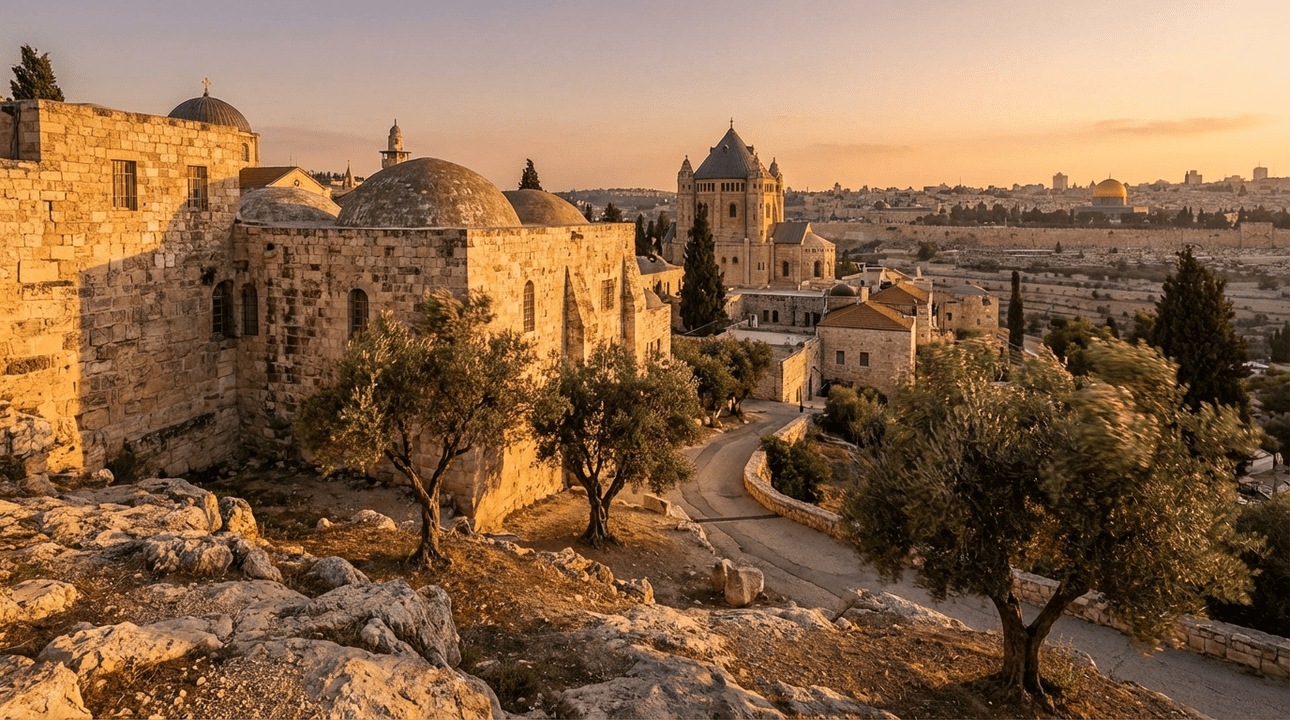
The Spiritual Significance of Mount Zion
Mount Zion’s significance extends beyond its physical attributes. In the Psalms, such as Psalm 125, Zion is a metaphor for strength and protection, emphasizing the steadfastness of those who trust in the divine. This theme is echoed in Psalm 48, where Zion is described as the joy of the whole earth.
The mountain’s symbolic role in the Bible highlights the enduring faith and hope of the Jewish people, serving as a reminder of their resilience and spiritual fortitude. Zion’s mention in Psalm 87:2 further underscores its beloved status among divine dwellings.
The prophets also speak of Zion as a place of redemption and peace, as seen in Isaiah 2:3, where nations are called to come to Zion to learn the ways of the divine.
This vision of Zion as a center of spiritual enlightenment and harmony reinforces its significance as a symbol of hope and unity, offering a vision of a future where peace and understanding prevail among all peoples.
Isaiah 2:4 further envisions a time when swords will be beaten into plowshares, signifying the end of conflict and the dawn of global peace.
Mount Sinai vs Mount Zion: A Biblical Contrast
While both mountains are key in religious texts, they reflect different aspects of the divine relationship. Sinai represents law, order, and direct communication, as seen when the Israelites received the Ten Commandments (Exodus 20:1-17).
Mount Zion, however, embodies divine presence and spiritual connection, often associated with the city of Jerusalem and the Temple. This connection is highlighted in 2 Samuel 5:7, where David captures the stronghold of Zion, making it the city of David.
Zion’s role as a spiritual center is also noted in Psalm 132:13.
Hebrews 12:22 captures this dichotomy, presenting a transition from the old covenant of Sinai to the spiritual promise of Zion. The verse speaks of coming to Mount Zion, the city of the living divine, symbolizing a new covenant and spiritual renewal.
This transition reflects the broader theme of moving from a focus on law and ritual to a deeper, more personal spiritual connection, which continues to resonate with believers seeking a meaningful relationship with their faith.
This shift is also seen in the emphasis on internalizing values rather than mere observance.
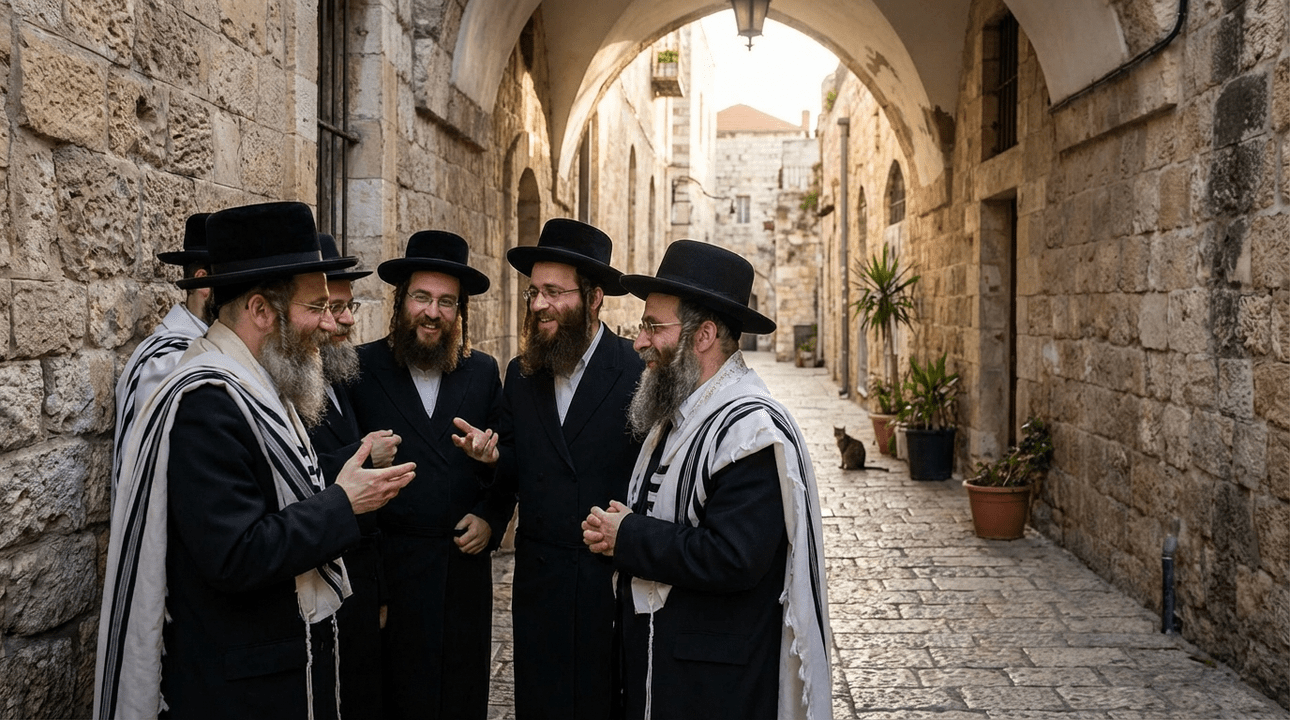
Zion in Modern Context
Today, Mount Zion symbolizes more than just a physical space; it is a living symbol of Jewish identity and continuity. Its presence in modern Israel reflects a continuous thread of hope and connection to Jewish heritage.
The mountain is a centerpiece in cultural and religious celebrations, such as the annual Jerusalem Day, which commemorates the reunification of Jerusalem in 1967. This event underscores Zion’s role as a symbol of unity and resilience for the Jewish people.
The site continues to be a place of pilgrimage and reflection for many.
This connection links past, present, and future aspirations, serving as a beacon of unity and perseverance for the Jewish people. Mount Zion’s role in contemporary Jewish life is not only historical but also deeply personal, as it continues to inspire and connect individuals to their heritage.
This enduring significance is celebrated in various cultural expressions, including music, literature, and art, all of which draw upon Zion’s rich symbolism and historical resonance. Songs like “Hatikvah” reflect Zion’s hope and aspiration for a homeland.
Conclusion
Mount Sinai and Mount Zion, each with its distinct place in Jewish thought, together illustrate the rich tapestry of history and faith.
The covenant at Sinai, where the Torah was given, and the spiritual resonance of Zion, as the seat of King David’s kingdom, continue to guide and inspire generations.
These mountains, woven deeply into the cultural memory, remind believers of their unique spiritual journey, highlighting the balance between law and spirituality, tradition and aspiration. The Psalms frequently celebrate Zion as a place of divine favor.
The historical significance of these mountains is further emphasized by their roles in pivotal biblical events.
Sinai is where the Israelites camped for nearly a year, receiving laws and instructions (Numbers 10:11-12), while Mount Zion became the political and spiritual center under King David.
These locations symbolize the enduring legacy of Jewish faith, illustrating how physical places can embody spiritual ideals and serve as touchstones for cultural identity. The Ark of the Covenant being brought to Zion (2 Samuel 6:12) marks a key moment in establishing Jerusalem as a spiritual hub.
General Questions
