
Discover How Apples Support Israel’s Communities
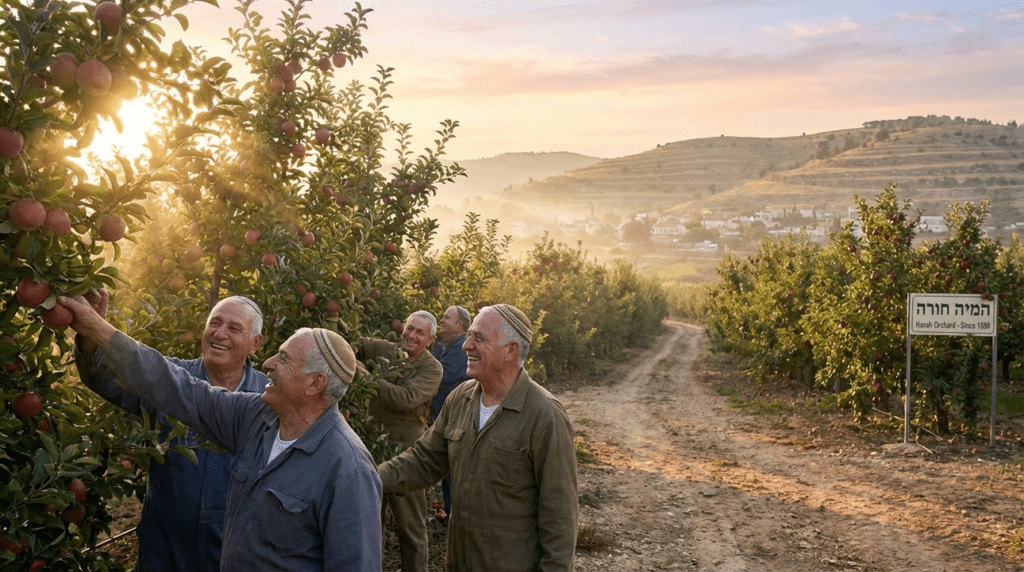

Apples have long been cherished in Jewish culture and tradition. In the Bible, apples are often associated with beauty and love, as seen in the Song of Songs 2:3, where the beloved is compared to an apple tree among the trees of the forest.
From biblical times to modern practices, they hold a special place in the hearts of many. During Rosh Hashanah, apples dipped in honey symbolize the hope for a sweet new year, a practice deeply rooted in Jewish customs.
Their importance extends beyond simple consumption—they symbolize sweetness and health, especially during holidays like Rosh Hashanah. In short, apples are more than food; they are a bridge to cultural and spiritual heritage.
Apple Traditions in Jewish Culture
One of the most recognized customs involving apples is dipping them in honey on Rosh Hashanah. This tradition symbolizes the hope for a sweet year ahead and is deeply ingrained in Jewish life. Apples have been cherished since ancient times, often seen as symbols of prosperity and blessings.
In the Bible, apples are mentioned in Proverbs 25:11, “A word fitly spoken is like apples of gold in settings of silver. ” Their round shape also represents the cycle of life and the renewal of the seasons.
In Jewish tradition, the apple’s sweetness is a reminder of the sweetness of life, while its roundness signifies the continuity of time and the hope for a complete, fulfilling year. In short, apples are a symbol of hope and renewal.
Significance of Apples in the Bible
Apples appear in many biblical texts, often symbolizing beauty and delight. In the Song of Songs, apples are mentioned as symbols of affinity and admiration, particularly in Song of Songs 2:5, “Sustain me with raisins, refresh me with apples, for I am faint with love.
” This connection to biblical heritage underscores their enduring significance in Jewish culture. The Midrash further explores the symbolism of apples, emphasizing their roles in creation and spirituality.
In Jewish mysticism, apples are sometimes associated with the divine presence, adding layers of meaning to their use in rituals. In short, apples are a timeless symbol of beauty and spiritual richness in Jewish tradition.
Supporting Israeli Agriculture
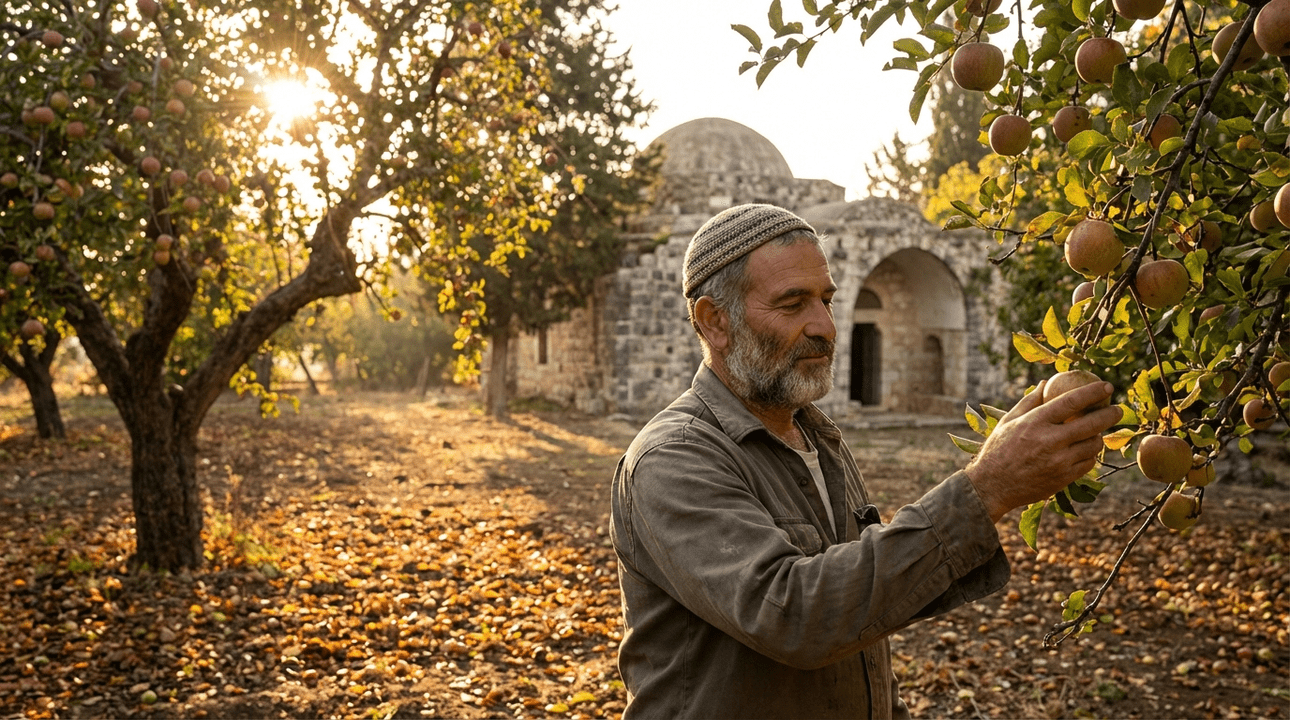
Purchasing apples grown in Israeli orchards is an excellent way to support local farmers. These farmers work tirelessly to cultivate high-quality produce, preserving both tradition and livelihood. By buying Israeli apples, consumers help sustain rural communities and promote economic stability.
Israel’s agricultural sector, known for its innovation, has been thriving since the establishment of the state in 1948. This support fosters growth and ensures that cultural practices continue to thrive.
The story of Ruth, who gleaned in the fields of Boaz, reflects the importance of supporting local agriculture (Ruth 2:2-3). In short, buying Israeli apples supports both the economy and cultural heritage.
The Role of Apples in Community Support
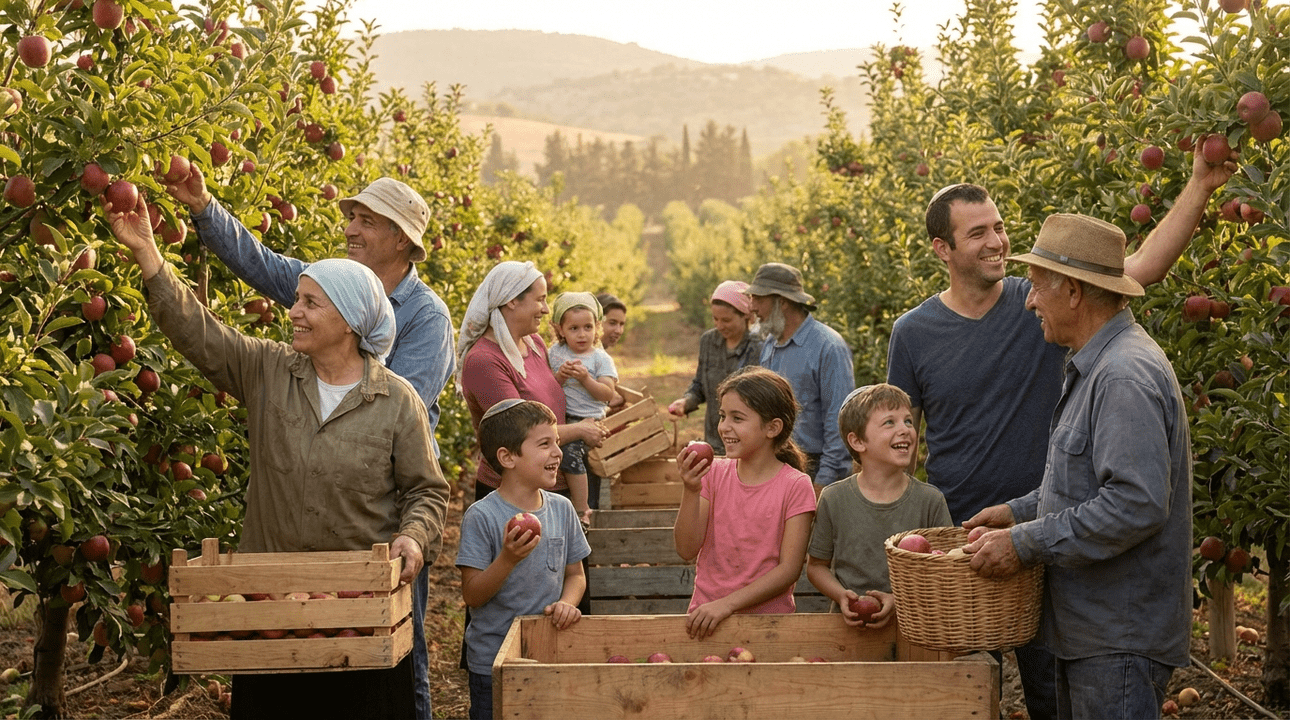
Apples contribute to a sense of community and shared tradition. In Israel, apple orchards serve as gathering places, bringing together families and friends. These orchards are often found in regions like the Galilee, where the climate is ideal for apple cultivation.
Harvest festivals celebrate the bounty of the land and strengthen community bonds. Events such as the annual apple picking in the Golan Heights foster unity and joy among participants. These events create opportunities for connection and cultural exchange.
The story of the Israelites gathering manna in the desert (Exodus 16:14-15) reflects the communal aspect of sharing food. In short, apple orchards are not just agricultural sites; they are vibrant centers of community life.
Environmental Benefits of Apple Cultivation
Apple orchards contribute to environmental health by promoting biodiversity. They offer habitats for various species, aiding ecological balance. For example, birds like the hoopoe, Israel’s national bird, find shelter among the trees.
Sustainable farming practices in Israel emphasize minimal use of pesticides, protecting local ecosystems. These methods are crucial in areas like the Upper Galilee, where agriculture and nature coexist.
The biblical principle of allowing the land to rest every seventh year (Leviticus 25:4) aligns with these sustainable practices. In short, apple orchards are not only about fruit; they are about nurturing the earth.
Apples and Tzedakah: A Tradition of Giving
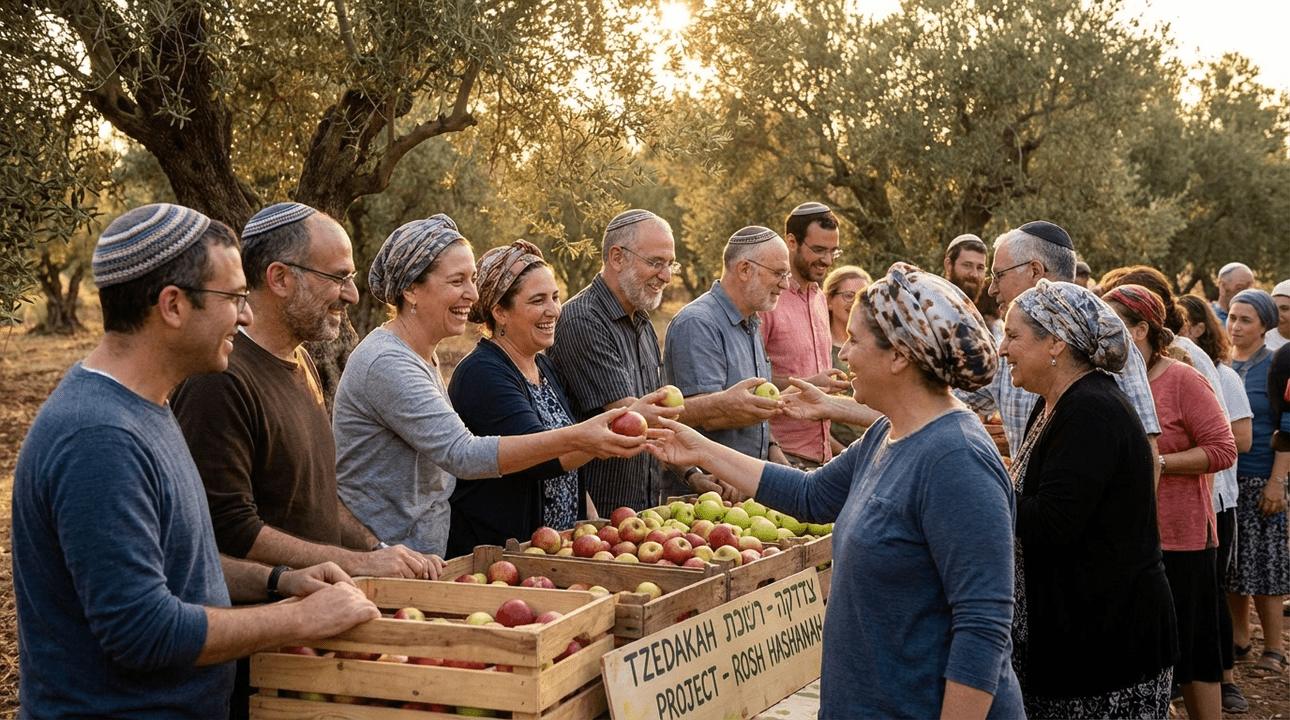
The concept of tzedakah (charity) finds expression in the sharing of apples during holidays. This practice highlights a communal responsibility to provide for others, echoing the teachings of the Torah on charity and kindness.
In Jewish tradition, the act of giving is a joyful and meaningful obligation. The Talmud emphasizes the importance of giving with a cheerful heart, which is embodied in the sharing of apples. Apples become a symbol of generosity, fostering a spirit of kinship and care.
The story of Ruth and Naomi illustrates the power of kindness and generosity (Ruth 1:16-17). In short, through apples, the values of charity and community support are beautifully expressed.
Apples in Israeli Cultural Identity
Apples symbolize resilience and adaptability, qualities central to Israeli identity. They represent the ability to thrive even in challenging conditions, mirroring Israel’s agricultural ingenuity. The cultivation of apples has become an integral part of Israel’s modern agricultural narrative.
In the Negev Desert, innovative irrigation techniques have allowed apple orchards to flourish. This ingenuity is reminiscent of the biblical story of Joseph, who, despite adversity, rose to prominence in Egypt (Genesis 41:41-43).
Apples link the past to the present, connecting cultural heritage to contemporary life. In short, apples are a testament to Israel’s resilience and innovation in agriculture.
Conclusion: Celebrating Apples and Tradition
Apples offer more than just nourishment; they are deeply embedded in Jewish and Israeli culture. Their role in traditions, agriculture, and community support underscores their lasting significance. By embracing apples, we honor a legacy that enriches both body and spirit.
The apple’s presence in Jewish holidays like Sukkot highlights its cultural importance. Supporting Israeli apples means preserving tradition and nurturing growth across communities. The apple’s role in the Bible, such as in the Song of Songs, further cements its place in cultural memory.
In short, apples are a testament to the enduring connection between people, land, and heritage, symbolizing continuity and prosperity.
Understanding Apples and Support for Israel
