Exploring Animal and Gold Symbolism in the Bible


In the Bible, symbolism plays a crucial role, offering deeper insights into the narratives. Animals and gold are prominently featured, each presenting layers of meaning that go beyond their physical presence.
For example, in the story of Noah’s Ark, animals are not just passengers but represent the diversity of life and the promise of renewal (Genesis 6:19-20). Gold, often mentioned in the construction of the Tabernacle (Exodus 25:10-11), signifies purity and divine presence.
This article delves into the mystical aspects of these symbols, examining how they connect to the spiritual teachings and moral lessons within the sacred texts.
Animal Symbolism in Biblical Texts
Animals hold profound symbolic meanings throughout the Bible. They often appear as metaphors and convey unique lessons. For instance, the lion symbolizes strength and royalty, often associated with the tribe of Judah in Genesis 49:9.
This imagery is echoed in the story of David, who is described as a lion-like warrior. Similarly, the dove reflects peace and the Holy Spirit, first appearing in Genesis 8:8-12. Each animal’s representation adds a layer of depth to the biblical stories, clarifying their spiritual relevance.
The serpent, in contrast, symbolizes temptation and danger, as seen in Genesis 3.
from the Western Wall to Masada.
The eagle, mentioned in Isaiah 40:31, symbolizes renewal and strength, offering hope and encouragement to those who trust in divine guidance. The lamb, often associated with innocence and sacrifice, appears in various passages, including the story of Abraham and Isaac in Genesis 22.
Examining the symbolism of these animals provides readers with insights into the values and lessons embedded within biblical narratives. These symbols serve as powerful tools for reflection, inviting individuals to consider their own spiritual journeys and the virtues they aspire to embody.
The lion, representing strength and leadership in Genesis 49:9, and the dove, symbolizing peace in Genesis 8:8-12, further illustrate the Bible’s use of animal symbolism to convey moral and spiritual lessons.
Reflecting on these symbols allows readers to find parallels between biblical teachings and their own lives, enhancing their spiritual understanding and personal growth. These symbols offer timeless guidance and inspiration for those seeking to deepen their connection to biblical narratives.
Raven Symbolism and Interpretation
Ravens present one of the more enigmatic symbols in the Bible. Commonly associated with isolation and divine provision, they are notably mentioned in the story of Elijah (1 Kings 17:4-6). In this passage, ravens sustain the prophet, highlighting a theme of divine care, even through unexpected means.
The raven’s role in biblical texts has inspired various interpretations, including its alignment with wisdom and transformation. This view expands further in Jewish mysticism, suggesting that the raven represents a connection between the divine and the material world.
The raven‘s symbolism extends to its role as a guide through periods of transition and growth. In Jewish mysticism, ravens are seen as messengers, bridging the gap between the spiritual and physical realms.
Understanding the symbolism of ravens provides insights into themes of survival, adaptability, and the interplay between the spiritual and material worlds. This understanding enriches the appreciation of the raven’s significance in biblical narratives.
In Genesis 8:7, a raven is sent from Noah’s Ark to find dry land, symbolizing exploration and the search for new beginnings. This story illustrates the raven’s role as a harbinger of change and renewal.
In Jewish mysticism, ravens are sometimes seen as guides, leading individuals through periods of transition and growth. Examining the symbolism of ravens reveals themes of survival, adaptability, and the interplay between the spiritual and physical realms.
The raven’s presence in the story of Elijah (1 Kings 17:4-6) further emphasizes its symbolic role. Ravens brought food to Elijah during his time of need, highlighting themes of divine provision and care.
This narrative showcases the raven as a messenger of sustenance and hope, reinforcing its symbolic significance. Reflecting on these stories allows readers to appreciate the raven’s role in conveying messages of resilience and divine support.

The Crow’s Symbolic Role in Scripture
The crow, often grouped with ravens under the same Hebrew term, shares symbolic ties. While not as prevalent in the Bible, crows are occasionally viewed as symbols of mystery and introspection.
Their mention in prophetic literature, such as Isaiah 34:11, could imply change or the delivery of divine messages. Despite limited biblical references, their presence encourages reflection on life’s uncertainties and the unfolding of divine plans.
This symbolism invites contemplation on the unknown and the potential for transformation.
Crows, like ravens, are seen as messengers in Jewish tradition, bridging the gap between the known and the unknown. This symbolism encourages readers to embrace change and seek understanding in the face of life’s mysteries.
By delving into these symbols, individuals can gain insights into the themes of transformation and growth, enriching their spiritual journeys and personal development.
In Jewish tradition, crows and ravens are seen as messengers, bridging the gap between the known and the unknown. This idea is further explored in Jewish mysticism, where these birds symbolize the transition from darkness to light.
Examining the symbolism of crows encourages readers to embrace change and seek understanding in the face of life’s mysteries. The presence of crows in the Bible, though sparse, offers a rich tapestry of meaning for those who delve into their symbolic significance.
Crows, often grouped with ravens, are mentioned in prophetic literature, such as Isaiah 34:11. This reference suggests themes of change and transformation, as well as the delivery of divine messages.
Despite their limited presence in the Bible, crows invite contemplation on life’s uncertainties and the unfolding of divine plans. Reflecting on these symbols provides insights into the mysteries and potential for growth inherent in their own lives.
Gold Symbolism in Biblical Narratives
Gold serves as a prominent symbol of wealth, purity, and divinity in biblical writings. The construction of sacred spaces, such as the Tabernacle and Solomon‘s Temple, prominently featured gold, reflecting divine grandeur and holiness.
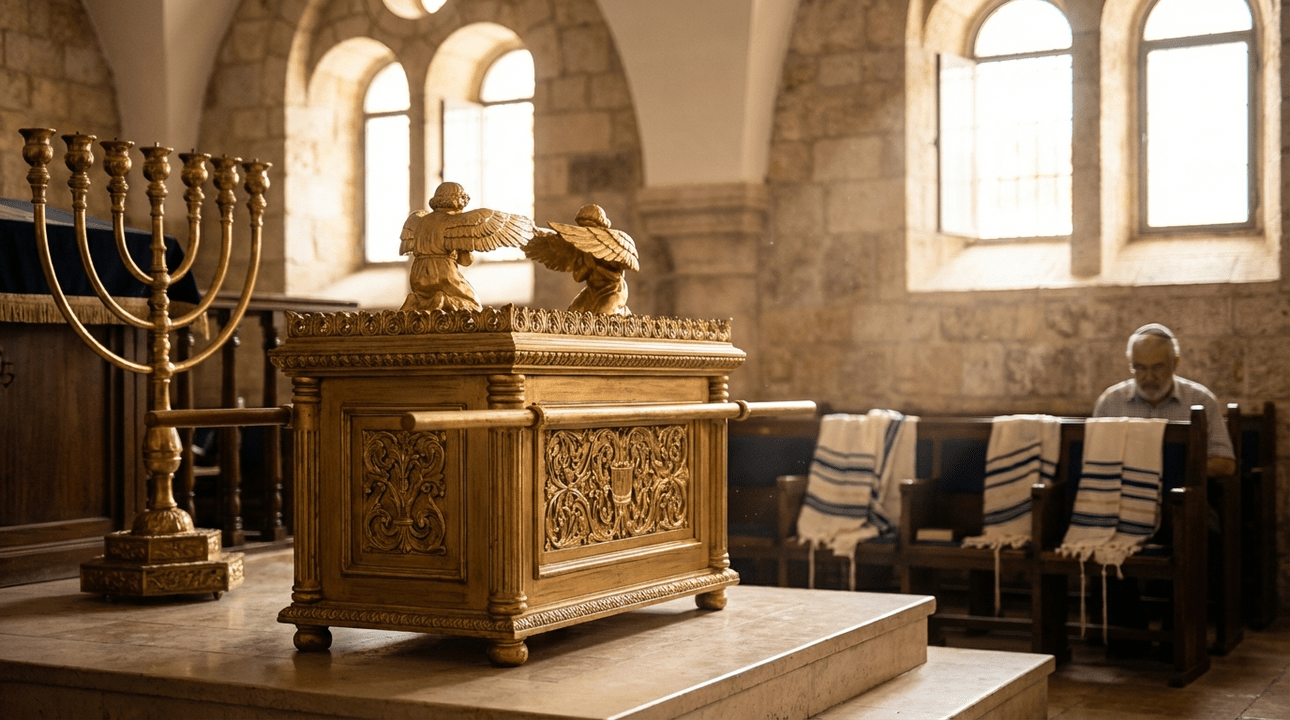
Exodus 25:10-11 describes the Ark of the Covenant overlaid with pure gold, emphasizing its sacred purity. Gold’s symbolism extends to teaching spiritual lessons, representing both material and heavenly wealth within Jewish tradition.
Gold is also mentioned in the context of wisdom and righteousness. In Proverbs 8:10, wisdom is valued above gold, illustrating its spiritual significance.
The use of gold in the Bible is multifaceted, symbolizing not only material wealth but also the pursuit of spiritual enlightenment and moral integrity.
This dual symbolism invites readers to reflect on the balance between earthly possessions and spiritual growth, encouraging a deeper understanding of the values conveyed through these sacred texts.
In 1 Kings 6:20-22, Solomon’s Temple is adorned with gold, signifying its importance as a dwelling place for the divine. This use of gold not only highlights its material value but also its spiritual significance as a symbol of divine presence and sanctity.
Throughout the Bible, gold is often associated with wisdom and righteousness, as seen in Proverbs 8:10, where wisdom is valued above gold. These associations enrich the understanding of gold as a multifaceted symbol in biblical texts.
from the Western Wall to Masada.
Gold’s role in biblical narratives extends to its representation of purity and holiness. In Exodus 25:10-11, the Ark of the Covenant is overlaid with pure gold, emphasizing its sacredness.
This symbolic use of gold invites reflection on the values of purity and divine connection, encouraging readers to consider the spiritual lessons embedded within these ancient texts. The multifaceted symbolism of gold continues to inspire and guide those who seek deeper understanding.
The Veil and Its Symbolic Meaning
The veil in biblical times, most famously in the Temple, held significant symbolic meaning. It served as a barrier between the most sacred space, the Holy of Holies, and the outside world.
According to Exodus 26:31-33, the veil symbolized the separation of the divine from the human, requiring mediation for access. This barrier represented spiritual barriers that must be overcome to achieve enlightenment and connection with the sacred.
The tearing of the veil, as described in historical accounts, symbolizes the removal of these barriers, allowing for a more direct spiritual experience.
In the context of the Temple, the veil’s presence was a constant reminder of the holiness and mystery of the divine. Its intricate design, as detailed in Exodus 26:31, reflects the care and reverence with which sacred spaces were treated.
The concept of the veil extends beyond the physical, representing the inner journey toward spiritual awakening. By understanding the symbolism of the veil, readers are encouraged to seek deeper connections with the divine and overcome personal barriers to spiritual growth.
The veil’s role in the Temple also symbolizes the separation between the sacred and the profane, highlighting the importance of maintaining reverence in spiritual practices. This symbolism invites readers to reflect on their own spiritual journeys and the barriers they may encounter.
By reflecting on the veil’s significance, individuals can gain insights into the process of spiritual growth and the pursuit of deeper understanding.
Understanding Biblical Symbolism
Biblical symbols often provide insight and inspiration, encouraging deeper reflection on life’s spiritual aspects. Through animals, gold, and other imagery, the Bible communicates its teachings in a compelling and relatable manner.
For instance, the use of gold in the Temple (1 Kings 6:20-22) illustrates the concept of holiness and reverence. These symbols invite readers to explore their meanings, fostering a personal connection to the text and enriching the spiritual journey.
Reflecting on these symbols allows one to gain a greater understanding of the Bible’s messages.
Animal symbols, like the lion in Genesis 49:9 and the dove in Genesis 8:8-12, convey lessons on virtue and morality, enhancing our understanding of biblical teachings.
Reflecting on these symbols allows readers to draw parallels between ancient wisdom and contemporary life, finding guidance and inspiration for their own spiritual journeys. These symbols serve as a bridge, connecting us to the values and lessons embedded within biblical narratives.
Animal symbols, like the lion in Genesis 49:9, convey strength and leadership, while the dove in Genesis 8:8-12 represents peace and the divine spirit. These images offer timeless lessons on virtue and morality.
Reflecting on these symbols allows readers to find parallels between biblical teachings and their own lives, enhancing their spiritual understanding and personal growth. The Bible’s use of symbols serves as a bridge between ancient wisdom and contemporary life, offering guidance and inspiration.
The eagle, mentioned in Isaiah 40:31, symbolizes renewal and strength, providing hope to those who trust in divine guidance. These symbols collectively encourage reflection on one’s spiritual journey and the virtues to embody.
Examining these symbols allows readers to deepen their understanding of biblical narratives and their relevance to modern life, fostering a connection to ancient teachings and personal growth.

Conclusion: The Timeless Relevance of Biblical Symbols
The symbolism within the Bible transcends time, offering wisdom and insight for contemporary readers. Whether through the practical teachings of animal symbolism or the spiritual implications of gold, the Bible’s images continue to inspire.
Understanding these symbols cultivates a deeper appreciation of the text’s teachings, aligning them with our personal and spiritual growth. These timeless symbols maintain relevance, connecting us to ancient wisdom and guiding us in modern life.
The lion, representing strength and leadership in Genesis 49:9, and the dove, symbolizing peace in Genesis 8:8-12, are examples of how biblical symbols convey moral and spiritual lessons. Engaging with these symbols allows readers to draw parallels between ancient teachings and their own experiences.
This connection enriches our understanding of biblical messages, fostering personal growth and spiritual enlightenment.
Animal symbolism, like the lion representing strength in Genesis 49:9, offers lessons on courage and leadership. Meanwhile, gold’s use in sacred spaces, as described in Exodus 25:10-11, invites reflection on purity and divine presence.
These symbols provide a framework for personal reflection and spiritual development, encouraging readers to draw connections between ancient teachings and modern experiences. Reflecting on these symbols, we find guidance and inspiration for our own lives.
The dove, symbolizing peace and the divine spirit, appears in Genesis 8:8-12, offering a message of hope and renewal. These symbols collectively serve as a bridge between the past and present, inviting readers to explore their meanings.
Understanding these symbols provides insights into the virtues and values that have shaped human history, guiding us toward a more profound spiritual journey and personal development.
Common Questions on Animal and Gold Symbolism