
Exploring Ram Horn Symbolism in Biblical Context


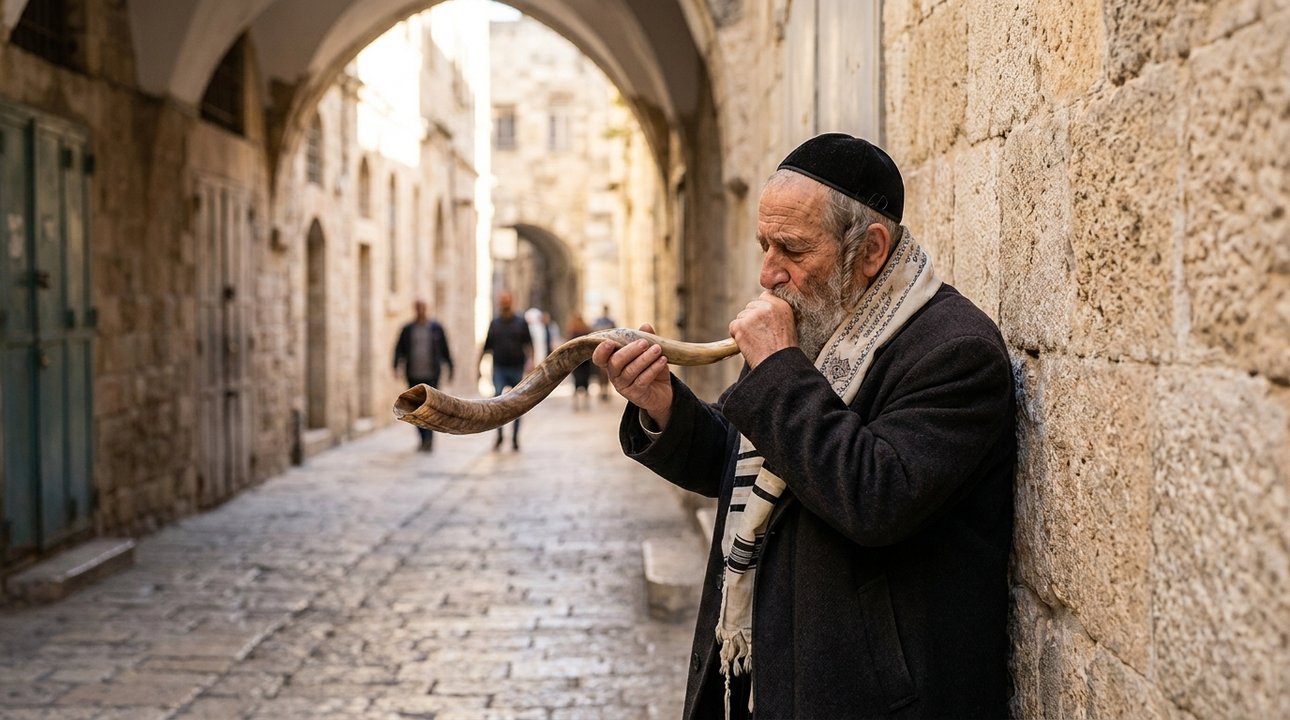
The symbolism of ram horns in biblical texts goes far beyond their physical presence. These iconic elements hold a revered place in Jewish mysticism. The shofar, a musical instrument made from ram’s horns, is one of the most well-known examples. It is traditionally used to announce the start of the Jewish New Year during Rosh Hashanah, as described in Numbers 29:1.
The shofar is also blown to gather the faithful, serving as a call to reflection and repentance. In Joshua 6:4-5, it was used in the battle of Jericho, where its sound was believed to bring down the city’s walls.
Understanding Ram Symbolism in Biblical Texts
Ram horns frequently appear in the Torah, symbolizing strength and leadership. A notable instance is the binding of Isaac, where a ram serves as a substitutionary sacrifice.
In Genesis 22:13, Abraham discovers a ram caught by its horns, marking a pivotal moment of divine provision and intervention. This event is commemorated in Jewish tradition during Rosh Hashanah, where the shofar is sounded to remind the faithful of Abraham’s faith and the ram’s role in the story.
from the Western Wall to Masada.

The ram’s appearance in the story of Abraham and Isaac is not just a tale of sacrifice but also a testament to faith and trust.
It signifies the belief in divine intervention and the idea that a higher power provides in times of need. This narrative has been passed down through generations, serving as a powerful reminder of the values of faith and obedience within the Jewish community.
Ram symbolism extends to the role of horns in anointing leaders. As containers of oil, horns signify empowerment and divine choice, linking physical objects to spiritual authority and showing how tangible symbols become conduits of spiritual insights.
The high priest carried a horn of oil, enhancing the ram’s horn’s role as a spiritual tool. This is evident in the anointing of King David in 1 Samuel 16:13, where Samuel anoints him with oil from a horn, signifying divine selection and support.
Anointing ceremonies with a horn highlight the belief in divine authority and guidance.
It symbolizes the transfer of spiritual power and responsibility from the divine to the chosen individual. This tradition underscores the significance of the ram’s horn as more than just a physical object, but as a vessel of spiritual meaning and purpose.

The Shofar: Sounding the Ram’s Horn
The shofar, crafted from a ram’s horn, plays a significant role in Jewish rituals, particularly during Rosh Hashanah and Yom Kippur. Its sound calls for reflection and repentance. Described in Leviticus 25:9, the shofar’s blast signals the Jubilee, a time of liberation and restoration.
During these holy days, the shofar’s sound is a call to return to one’s values and seek forgiveness. It marks a period of introspection and renewal, encouraging individuals to mend relationships and seek peace.
The shofar’s sound is not merely a ritualistic act but a profound call to action, urging individuals to reflect on their lives and make amends.
It serves as a reminder of the importance of forgiveness and the need to restore broken relationships. Deeply rooted in Jewish tradition, this call emphasizes seeking peace and reconciliation, both with oneself and with others.
In Jewish mysticism, each tone of the shofar holds symbolic meanings—calls of awakening, cries of the soul, and signals of change. These interpretations enrich the ritual, connecting participants with profound spiritual dimensions.
Rabbi Saadia Gaon listed ten reasons for the shofar sound, each linking the past to personal introspection. For example, one reason is to remind people of the giving of the Torah at Mount Sinai, where the sound of the shofar was heard, as described in Exodus 19:16.
The shofar’s sounds are also seen as a call to repentance, urging individuals to examine their lives and seek forgiveness.
Another reason Rabbi Saadia Gaon gives is the reminder of the destruction of the Temple, encouraging people to reflect on their actions and strive for spiritual rebuilding. These interpretations highlight the shofar’s role in fostering a deep connection between the individual and their spiritual heritage.

Ram Horns and Leadership: A Symbol of Authority
In ancient Israel, the ram horn signified leadership. Kings and priests were anointed with oil poured from a horn, symbolizing divine favor. This tradition is seen in the anointing of King Saul in 1 Samuel 10:1, where the prophet Samuel uses a horn of oil to anoint him.
This rite linked the ram horn with authority and power, serving as a reminder of the leader’s responsibilities under divine guidance. It was a tangible sign of the leader’s duty to uphold justice and righteousness.
Anointing leaders with a horn of oil was a sacred ritual marking the start of their divine mission.
It was a public declaration of their role as a leader chosen by a higher power, emphasizing their duty to lead with integrity and wisdom. This ceremony reinforced the connection between the physical act of anointing and the spiritual responsibilities it entailed.
Prophets also referenced horns to symbolize strength and victory. For instance, the prophet Zechariah spoke of ‘the four horns’ representing empires, conveying a message of power and domination. This is found in Zechariah 1:18-19, where the horns symbolize the nations that scattered Israel.
These uses of horn imagery underscore the rich metaphorical potential within biblical texts. Horns, as symbols of strength, remind the faithful of resilience and the power to overcome adversity.
The imagery of horns in the Bible often serves as a powerful metaphor for the challenges and triumphs faced by the people of Israel.
It reflects the belief in the enduring strength and resilience of the community, even in the face of adversity. Horn symbolism in prophetic texts highlights the ongoing struggle for justice and the hope for eventual victory and restoration.

Cultural and Religious Significance of Ram Symbols
The Bible often portrays rams as symbols of sacrifice and redemption. The ram’s association with the altar highlights themes of devotion and spiritual commitment. In Genesis 22:13, Abraham finds a ram caught in a thicket, which he sacrifices instead of his son Isaac, symbolizing divine provision.
Exodus 29:22 describes rams in consecration rituals, signifying total dedication to divine service. This act of sacrifice was a profound expression of faith and commitment to the covenant between the people and the divine.
from the Western Wall to Masada.
Rams in biblical narratives underscore their role as symbols of faith and devotion.
These stories highlight the importance of sacrifice as a means of expressing commitment to spiritual principles and the covenant with the divine. The recurring theme of rams in sacrificial contexts emphasizes the enduring significance of these symbols in Jewish religious life.
In Jewish thought, the ram’s horn resonates with themes of faith and trust. Abraham’s story with Isaac and the ram reflects enduring faith, capturing a moment where human obedience meets divine provision. This story is found in Genesis 22, where Abraham’s willingness to sacrifice Isaac is met with the miraculous provision of a ram.
Through these narratives, rams become emblematic of commitment and covenant. They symbolize the trust and faith required to uphold one’s promises and the assurance of divine support in times of trial.

Ram Symbols in Jewish Mysticism
Jewish mysticism delves into the spiritual layers of ram symbolism, where the ram’s horn serves as a bridge between the seen and unseen, embodying divine communication.
According to kabbalistic teachings, the shofar’s sounds can pierce through spiritual barriers, making it an instrument of awakening. In the Zohar, a foundational work of Jewish mysticism, the shofar is described as a tool that can elevate prayers, connecting the earthly realm with the heavenly.
The ram’s horn, or shofar, is used during Rosh Hashanah and Yom Kippur, marking significant moments of spiritual reflection and renewal. Its powerful sound is said to awaken the soul and inspire repentance, a theme deeply rooted in Jewish mystical thought.
This connection is not just symbolic but is believed to have a real impact on the spiritual state of the world, aligning with the teachings found in the Kabbalah.
In mystical texts, each sound—Tekiah, Shevarim, and Teruah—corresponds to different spiritual realities and processes, inviting practitioners into deeper reflection and insight. Tekiah, a long blast, symbolizes the call to gather and unify.
Shevarim, a series of broken sounds, represents the brokenness of the human spirit and the need for repentance. Teruah, a staccato series of blasts, signifies an urgent call to action. Together, these sounds enrich the tradition, offering profound encounters with the divine.
The sounds of the shofar are not merely musical notes but carry deep spiritual meanings that resonate with the soul.
Each sound invites individuals to reflect on their lives and seek spiritual growth, emphasizing the importance of unity, repentance, and action. This tradition is a vital part of Jewish spiritual life, offering a moment of connection with the divine and an opportunity for personal transformation.
The Ram’s Legacy in Jewish Culture
The legacy of the ram continues in Jewish practice and thought, with Rosh Hashanah featuring prominently, where the shofar calls symbolize both reflection and renewal.
In this tradition, the ram’s horn becomes a timeless connector, linking past traditions with current spiritual journeys. The shofar’s blast is a call to introspection, urging individuals to reflect on their actions and seek spiritual growth as described in the Mishnah, a key Jewish text.
During Rosh Hashanah, the shofar is sounded 100 times, each blast representing different aspects of spiritual awakening and repentance.
This tradition is rooted in the biblical commandment found in Leviticus 23:24, where the day is referred to as a ‘day of sounding the shofar.’ The act of blowing the shofar is a communal experience, bringing people together in a shared moment of reflection and hope for the new year.
Furthermore, the narrative of rams echoes in numerous cultural expressions, from literature to visual arts, continually engaging communities with their rich heritage. In art, rams are often depicted in scenes of sacrifice or as symbols of leadership and strength.
These practices ensure the enduring presence of ram symbolism, offering wisdom and inspiration across generations. They serve as a reminder of the values and stories that have shaped Jewish identity and continue to resonate in modern times.
In literature, rams are frequently used as symbols of courage and determination, reflecting their historical significance in Jewish culture.
These depictions highlight the enduring legacy of ram symbolism, connecting past traditions with contemporary expressions of identity and faith. The continued presence of ram imagery in various forms of art and literature underscores its lasting impact on cultural and spiritual life.

Understanding Ram Symbolism