
Unveiling the Mystical Wheels of Ezekiel


The enigmatic vision of the ‘wheel within a wheel’ from the Book of Ezekiel (KJV) has fascinated scholars and mystics alike. Found in Ezekiel 1:16, this imagery is part of Jewish mystical traditions, often linked to the themes of divine movement and spiritual revelation.
Ezekiel, a prophet during the Babylonian exile in the 6th century BCE, described this vision while by the River Chebar. His descriptions are vivid, mentioning creatures and wheels full of eyes, symbolizing awareness and divine presence.
In this article, we dive into this symbolic vision, exploring its meaning and significance. The vision’s complexity invites interpretations that range from cosmic order to personal spiritual journeys.
Ezekiel’s Vision: Wheels of Mysticism
The wheels’ design, with their ability to move in any direction, suggests the omnipresence and omniscience of divine forces. Ultimately, the vision challenges readers to consider the layers of divine interaction within the world, inviting deeper reflection on spiritual and cosmic order.
from the Western Wall to Masada.
Symbolic Interpretations in Jewish Mysticism
This process involves meditative practices and an understanding of the divine realms, often linked to the celestial beings described in the vision. The ‘wheel within a wheel’ in Jewish mysticism symbolizes a journey towards spiritual enlightenment, offering insight into divine mysteries.
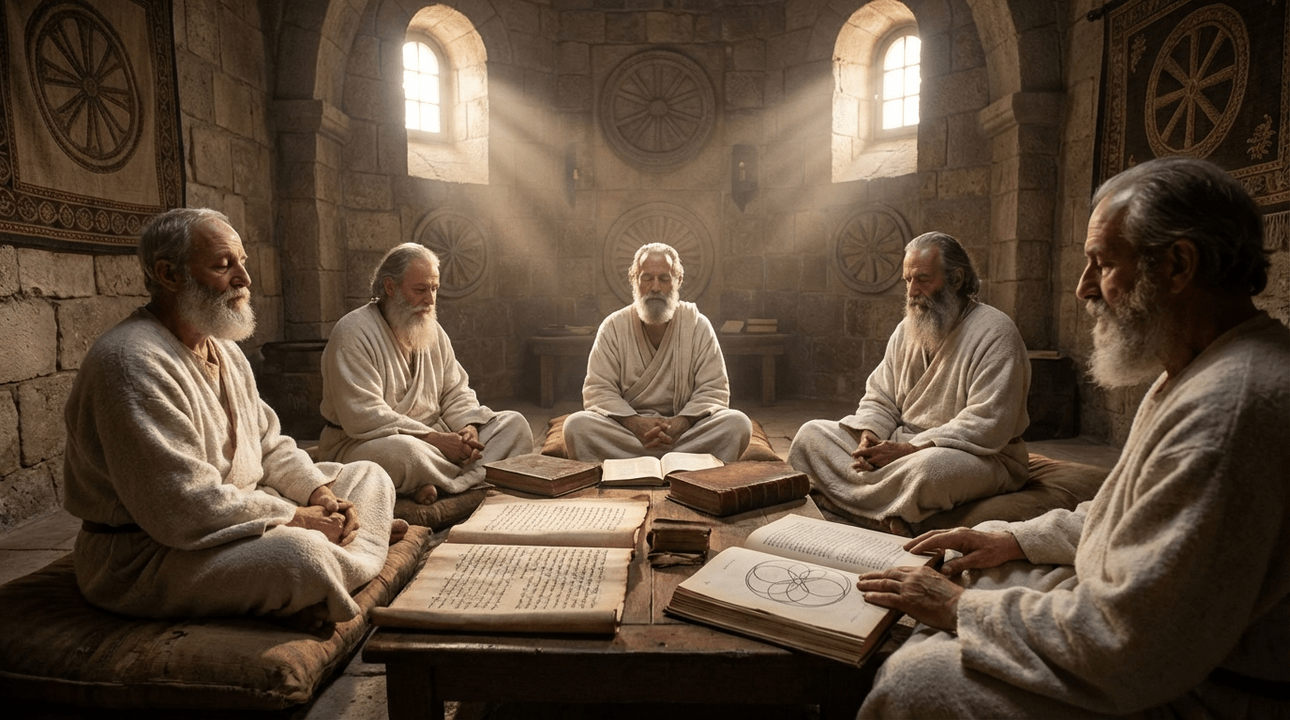
The Merkavah mystics would often engage in meditation and study, seeking to understand the divine realms described in Ezekiel’s vision. The wheels, seen as symbols of divine energy, represent the constant motion and interaction of spiritual forces.
This spiritual ascent was seen as a way to achieve a closer connection to divine wisdom and insight. Put simply, the ‘wheel within a wheel’ in Merkavah mysticism serves as a metaphor for the interconnectedness of divine elements, guiding practitioners on their spiritual journey.
The Chariot as a Metaphor for Divine Presence
This concept further integrates into the practice of meditative states aimed at spiritual ascent, where individuals experience this divine movement personally. The chariot symbolizes the dynamic interaction between the divine and the earthly realms, offering a path for spiritual elevation.
The Role of Wheels in Kabbalistic Thought
The sefirot are often depicted as a tree, known as the Tree of Life, which is central to Kabbalistic teachings and reflects the spiritual path one must navigate. Ezekiel’s vision and Kabbalistic interpretations offer a profound understanding of divine dynamics and spiritual pathways.
This enriches the understanding of an ever-expanding spiritual universe and the continuous journey of the soul towards ultimate awareness. The wheels’ motion reflects the dynamic nature of the sefirot, emphasizing the flow of divine energy throughout creation.
The interplay of these divine attributes guides individuals on their path to spiritual enlightenment. Kabbalistic interpretations of Ezekiel’s vision highlight the interconnectedness of divine attributes, offering insights into the spiritual universe and the soul’s journey.
from the Western Wall to Masada.

Spiritual Lessons from Ezekiel’s Visions
The vision encourages a deeper exploration of faith, highlighting the ongoing journey of spiritual development.
The vision, detailed in Ezekiel 1:15-21, illustrates how the wheels moved in harmony with the living creatures, suggesting the unity of divine will and action. This unity is a key lesson for those seeking spiritual growth.
This imagery serves as a metaphor for the alignment between spiritual aspirations and worldly endeavors. Ezekiel’s vision teaches about the harmony and unity in spiritual journeys, encouraging believers to seek deeper understanding and connection with their faith.
Conclusion: The Lasting Impact of the Wheels Vision
This imagery has been used in various forms of art and literature, symbolizing the complexity and interconnectedness of the universe. Ezekiel’s vision serves as a powerful symbol of spiritual exploration, continuing to inspire both religious and cultural contexts.
This vision, described in detail in Ezekiel 1:4-28, has been a subject of study for centuries, influencing not only religious thought but also art and literature. Its imagery of wheels and creatures has been interpreted as a representation of divine order and the complexity of the universe.
Ezekiel’s vision of the ‘wheel within a wheel’ serves as a powerful symbol of divine complexity and spiritual exploration, remaining relevant in both religious and cultural contexts.

Understanding the Wheels
