
Discovering the Historic Land of Gilead
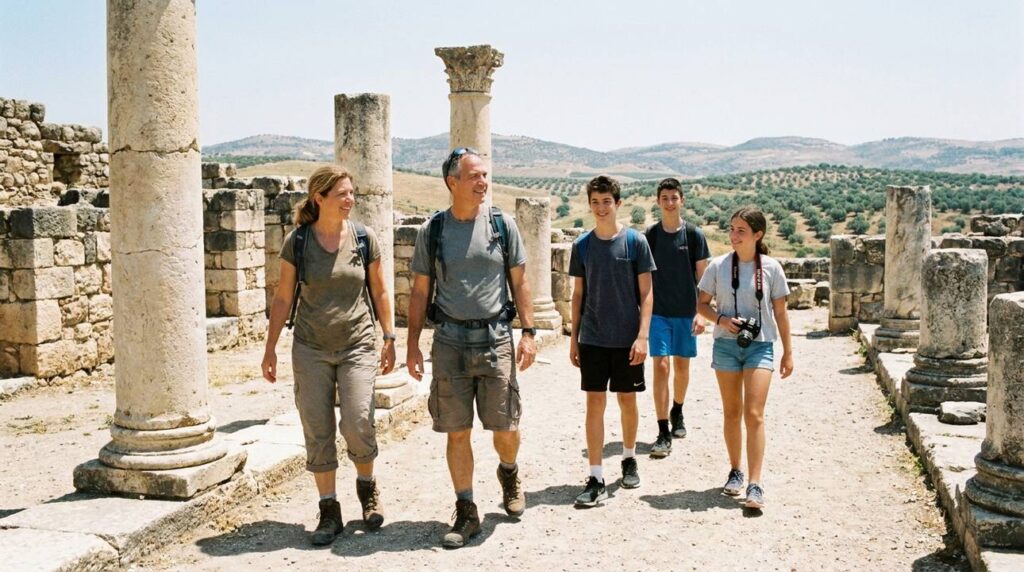

Gilead was an important region east of the Jordan River. Its story runs through the Hebrew Bible, from the tribes who settled there to the leaders who came from it.
In the book of Genesis, Jacob travels through Gilead as he leaves his father-in-law Laban. This article looks at where Gilead was, what happened there, and why it is remembered in Jewish tradition.
Gilead sits east of the Jordan River, in what is now northwestern Jordan. The Bible links it mainly with the tribes of Gad and the half-tribe of Manasseh. Its green hills and useful location made it good for farming and trade.
In the book of Numbers, some of the tribes ask to settle there. The land was given to them as their inheritance, which shows how much it was valued.
Gilead’s fertile valleys and rolling hills were well suited to farming and grazing. Its location also lay near trade routes, which helped its economy.
These features made Gilead a valued area in the history of the Israelite tribes.
Gilead’s Geographic Boundaries and Features
Gilead lay entirely east of the Jordan River. It stretched roughly from the area of the Sea of Galilee in the north down to the top of the Dead Sea in the south. Today this land is in northwestern Jordan.
The Jabbok River ran through the middle of the region. Its hills and valleys made it good for farming and for raising flocks.
Gilead’s location and resources made it important to the tribes who lived there. Its farmland supported daily life, and its position helped trade and travel.
Because of this, several of Israel’s early leaders came from Gilead, as the biblical books describe.
Historical References to Gilead
Gilead appears often in the Hebrew Bible. In the book of Genesis, Jacob passes through it on his journey away from Laban. The region was settled by several Israelite tribes, including Gad and Manasseh.
These accounts make Gilead the setting for a number of biblical events, which is why it stayed in the memory of the Jewish people.
Tribal Territories and Inheritance
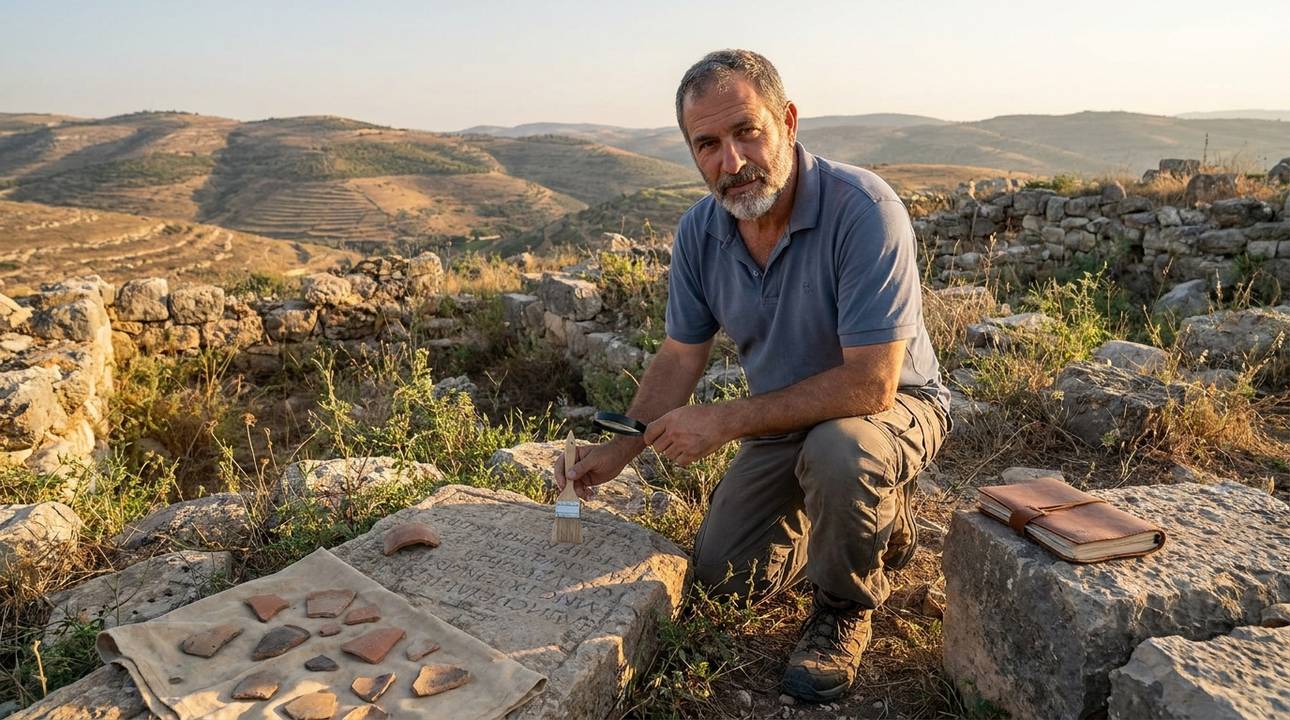
According to the Hebrew Bible, Gilead was settled by the tribes of Reuben, Gad, and the half-tribe of Manasseh. They received it as their inheritance.
Numbers chapter 32 tells how the tribes of Reuben and Gad asked for this land because it was good for their livestock. The account shows how much the region was valued.
Settling in Gilead gave these tribes access to good farmland and grazing. This supported their daily life and their herds.
The biblical account returns to Gilead often, marking it as land that mattered to the tribes of Israel.
Gilead in the Era of the Judges
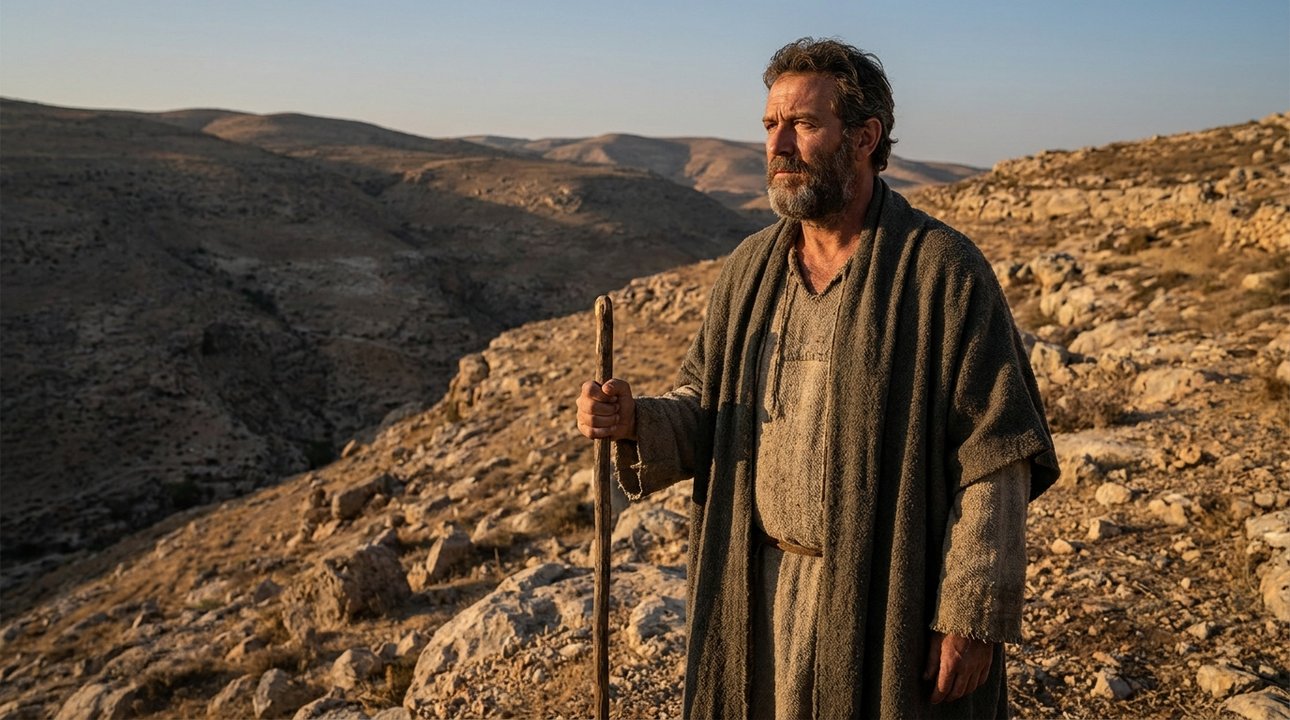
During the time of the Judges, Gilead was home to Jephthah, one of Israel’s leaders. The book of Judges describes him as a strong and capable commander.
Jephthah led the people of Gilead against the Ammonites. The account presents him as a leader who rose from this region in a difficult time.
Jephthah is also known for a vow. According to the book of Judges, he promised to offer to God whatever came out of his house to meet him if he returned in victory.
When he came home, his own daughter was the first to come out. The account treats this as the tragic result of a rash promise.
With the support of Gilead’s people, Jephthah defeated the Ammonites. His story is one of the better-known accounts set in the region, and it shows the part Gilead played in the history of the Judges.
Gilead’s Cultural and Economic Impact
Gilead was known for its balm, a prized ointment linked with healing. This made the region important in ancient trade.
The balm was carried far beyond Gilead, and its reputation for healing made it a valued product in the ancient world.
The book of Genesis describes traders carrying balm, spices, and myrrh from Gilead down to Egypt. This shows that the balm was a real trade good, not only a symbol.
Such trade connected Gilead to the wider economy of the ancient Near East.
The balm’s healing use made it valuable to many peoples, and trade in it spread Gilead’s name beyond its borders.
In later biblical writing, the balm of Gilead also became an image of healing and recovery.
Gilead in the Prophetic Books
The prophetic books mention Gilead more than once. In the book of Jeremiah, the prophet asks, ‘Is there no balm in Gilead?’ He uses the region’s famous ointment as an image of healing.
These references show how well known Gilead and its balm were.
In these passages, the balm stands for healing and recovery. Gilead is pictured as a place of both physical and spiritual restoration.
Its green landscape, with its sense of plenty, adds to this picture of a favored land.
Present-Day Understanding of Gilead
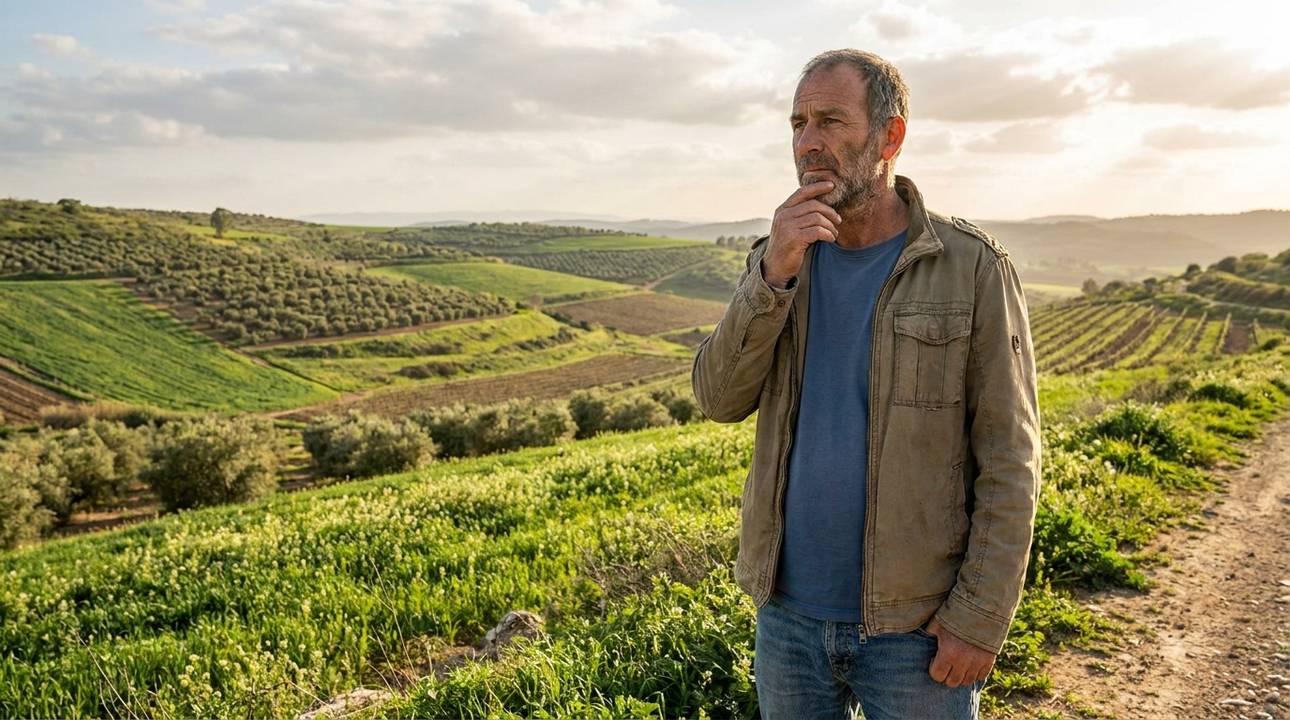
Today the land of ancient Gilead lies in northwestern Jordan. Scholars and archaeologists study the region to learn more about its past.
Digs in the area have uncovered remains from the Iron Age. These finds give a picture of how people once lived there.
These discoveries help researchers understand the daily life and economy of ancient times. They add to what is known about the history of the region and its people.
Gilead keeps an important place in the history of the land of Israel. Its stories are still studied by people interested in the ancient world.
Its hills and valleys, once prized for farming, remain of interest to historians and archaeologists.
Written records and physical remains together tell the story of Gilead. This makes it a useful window into life east of the Jordan in ancient times.
Gilead’s Legacy in Jewish Thought
In Jewish tradition, Gilead is remembered for its leaders and its landscape. Its name appears in poetry and song.
The Song of Songs uses Gilead’s imagery to praise the beloved, comparing her flowing hair to a flock of goats streaming down its slopes.
Gilead also came to stand for strength in later Jewish writing. The courage of its leaders was recalled as an example.
These stories kept the region’s name alive well after biblical times.
Leaders such as Jephthah and Jair, both described as coming from Gilead, are remembered in Jewish tradition. Jair appears in the book of Judges as a leader of Israel.
Gilead is also mentioned in later rabbinic writing, which helped keep it in Jewish memory.
Through poetry, song, and the stories of its leaders, Gilead held a lasting place in Jewish culture. Its name carried a sense of a green and productive land.
Conclusion: Gilead’s Place in the Historic Story
Gilead played many roles in the history of the land of Israel. It was home to farming tribes and to well-known leaders.
Its fertile land and its famous balm gave it lasting importance.
Leaders such as Jephthah and Jair are remembered for their part in Israel’s early history. Their stories are tied to Gilead and are still studied today.
The region’s balm added to its fame, reaching markets beyond its borders.
Together, its people, its leaders, and its trade make Gilead a notable part of the biblical world. Its history continues to interest those who study the land and its texts.
Understanding Gilead
