
Uncovering the Significance of Mount Hermon


Mount Hermon is the highest mountain in the region east of the Mediterranean Sea. Its snow-capped peaks can be seen from far away, and it is named many times in the Bible.
This article looks at where Mount Hermon is, how tall it is, and how it appears in the Bible and in later Jewish writing.
The Bible names Mount Hermon in several books. In the Song of Songs 4:8, the mountain appears in a love poem. The poet calls his bride to come down from the peaks of Senir and Hermon, where lions and leopards were said to live.
Because it was so tall and so far north, Hermon often marked the northern edge of the land in the Bible. Writers used it as a picture of height and strength.
Geographical Location of Mount Hermon
Mount Hermon sits where modern Lebanon, Syria, and Israel meet. Its highest peak reaches about 9,232 feet (2,814 meters). This makes it the tallest point in the area.
The mountain is a long ridge, not a single peak. Its great height keeps snow on the top for much of the year.
Because it is so tall, people in ancient times could see it from a great distance. It served as a clear landmark across the region.
Its height made Hermon a natural landmark for travelers in ancient times. People could use it to find their way from far off.
Two of the main sources of the Jordan River rise at the foot of the mountain. The melting snow feeds these springs. This water was important for farming in the areas nearby.
Old texts often describe Hermon by its snow. The mountain is high enough to stay white for much of the year.
In a dry region, this snow and dew were a valuable source of water. The runoff helped support farming and daily life in the lands below.
The mountain’s snow and dew also became a symbol in Hebrew poetry. Writers used them as images of freshness and blessing.
This is one reason Hermon appears so often in the poetry of the Bible.
Mentions of Mount Hermon
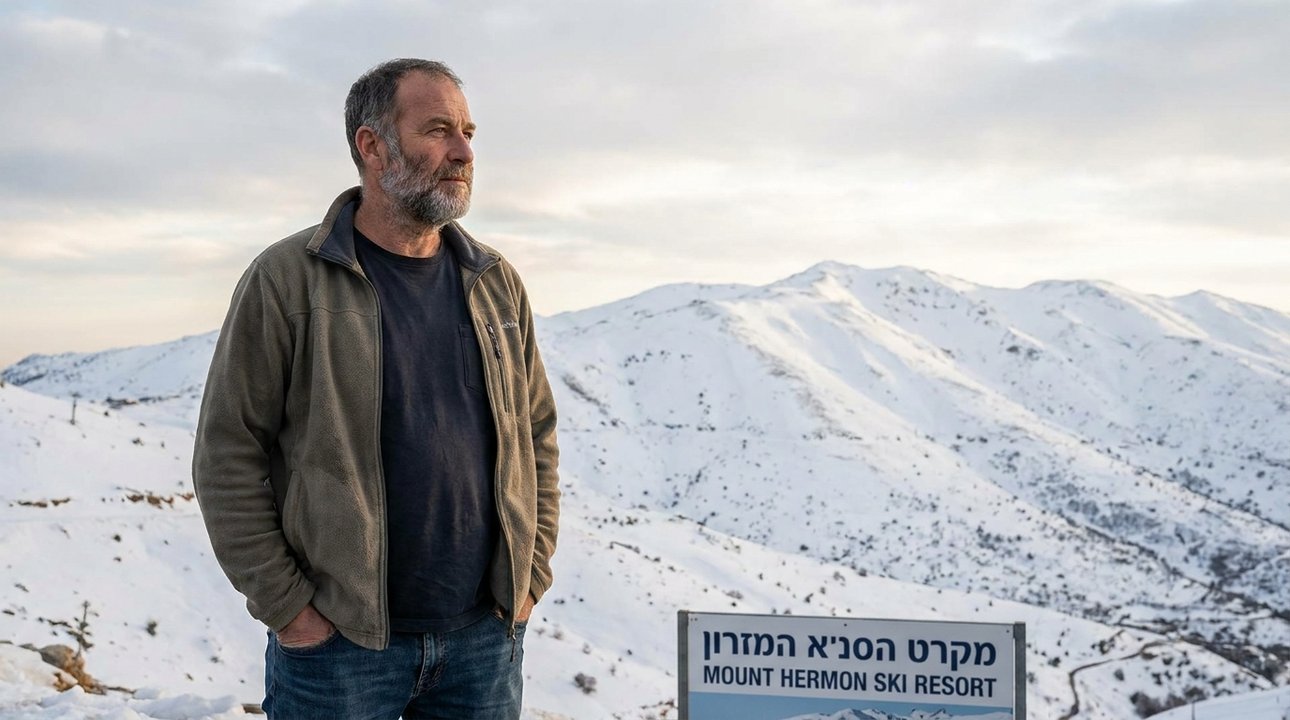
Mount Hermon was known by more than one name. In Deuteronomy 3:9, the Bible says the Sidonians called it Sirion, and the Amorites called it Senir. It is also called Mount Sion (Siyon) in Deuteronomy 4:48.
These names came from the different peoples who lived near the mountain. The many names show how well known it was across the region.
The Bible also uses Hermon as a picture of strength and steadiness. Its height and size made it a natural image for power.
In the book of Joshua, the land of Bashan, which reached up to Mount Hermon, was given to the half-tribe of Manasseh. This tied the mountain to the way the land was divided among the tribes.
One of the best-known images is the dew of Hermon. In Psalm 133:3, the writer compares the dew of Hermon coming down on the hills of Zion to the blessing of people living together in unity.
Because of verses like this, the mountain became a lasting symbol of harmony in Jewish tradition.
Hermon is also named together with Mount Tabor. In Psalm 89:12, the two mountains are said to rejoice in God’s name.
Putting the two peaks side by side was a way of praising God as the maker of the whole land, from north to south.
Cultural and Historical Background
Long before it appears in the Bible, Hermon was a holy place for local peoples. The Canaanites treated the mountain as sacred.
At its base was a place called Baal-gad, named after the Canaanite god Baal. The Bible mentions Baal-gad in the book of Joshua (Joshua 13:5) as a marker of the land’s northern edge.
Archaeologists have found the remains of many temples on the slopes of Mount Hermon. More than twenty ancient temple sites have been recorded there.
These ruins show that people came to the mountain to worship over a long span of time. They match the Bible’s picture of Hermon as a place tied to religion.
On the summit itself, there was a small stone temple enclosure. Ancient visitors left offerings and carved inscriptions there.
These remains help us picture how the mountain was used in worship over many centuries. They show why Hermon held a special place in the region’s memory.

Mount Hermon in Later Jewish Thought
Later Jewish writers kept Mount Hermon in mind as a striking image. Its great height and its snow made it an easy symbol for things that are lofty or lasting.
In this way, the mountain stayed part of Jewish memory long after biblical times.
Some later teachers read the mountain’s height in a spiritual way. They used its tall peak as a picture of reaching upward toward holiness.
This kind of reading treated the natural world as a source of images for spiritual ideas. It was a common way of teaching.
One old Jewish text, the Book of Enoch, describes Mount Hermon as the place where a group of angels came down to earth. In that story, the mountain marks a boundary between heaven and earth.
This tradition is not part of the Hebrew Bible. Still, it shows how the mountain’s height led writers to link it with the divine.
Across these later writings, Hermon appears mostly as a symbol rather than as a place people visited. Its size made it useful for talking about greatness and about reaching higher.
Together, these uses kept the mountain present in Jewish thought for many centuries.
Mount Hermon Today
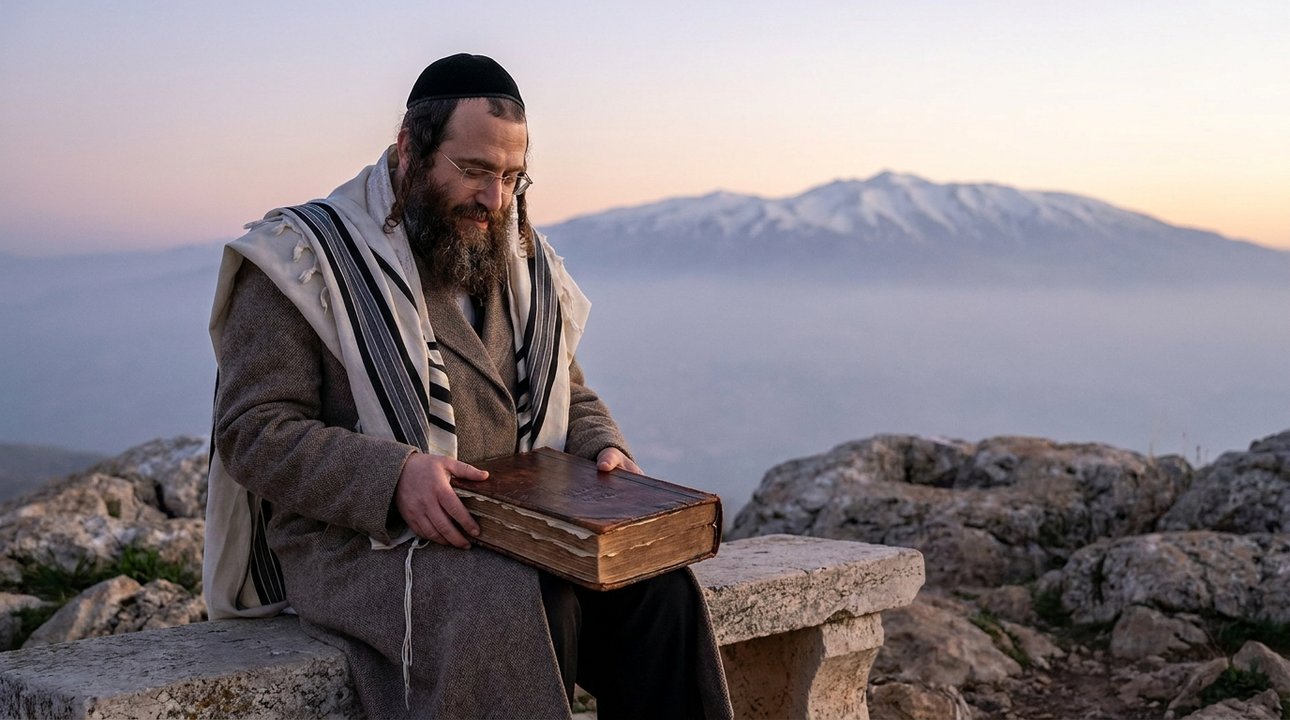
Today, Mount Hermon is still the tallest peak in the area. Its snow-capped ridge stands at the meeting point of Lebanon, Syria, and Israel.
The mountain remains a well-known natural landmark. It is remembered for its long history and for the many biblical passages connected to it.
On its southern slopes, within Israel, there is a ski site. It is the only place in the country where snow sports are possible.
The mountain is also home to a range of plants and animals. Its height and climate support wildlife that is not common elsewhere in the region.
In modern times, the lower slopes of the region have seen some farming and development. The cool climate has been used for growing grapes and making wine.
Even with these changes, Mount Hermon is best known for its long past. From its place in the Bible to its snow-capped peak, it remains one of the most recognized mountains in the region.
Understanding Mount Hermon
