
Unveiling the History of the Valley of Hebron

The Valley of Hebron occupies a place high in the southern hill country of the central highlands. It is one of the ancient towns that appears in early biblical literature and in archaeological records.
This article offers a clear, fact-focused look at Hebron’s long past. It aims to describe what we know from texts and digs, to explain who is remembered there, and to set out why the place has mattered for many generations.
Hebron is closely tied to the opening chapters of the book of Genesis. In those narratives, the patriarch Abraham makes a home near the oaks of Mamre and acquires a burial cave for his family.
Later biblical passages speak of Hebron again, naming it as a place where early leaders lived and where important events took place. These traditions have helped shape how later generations remember the site.
Insider's Guide to Israel
and can't-miss places most tourists never find.

The name Hebron appears repeatedly in ancient texts. One well-known story records how Jacob sent his son Joseph from the area in search of his brothers.
Stories such as these bind people and place together. Over time, they made Hebron a focal point in the memory of those who read and retold the texts.
The Geographical Setting of Hebron
Hebron sits in the southern part of the central highlands. It occupies a hill that overlooks valleys and terraces. The town has long been set among rolling slopes, fields, and vineyards.
The hilltop position provided natural defenses and good views. Fresh water sources nearby and soil suitable for grains and grapes helped support settlement here over long spans of time.
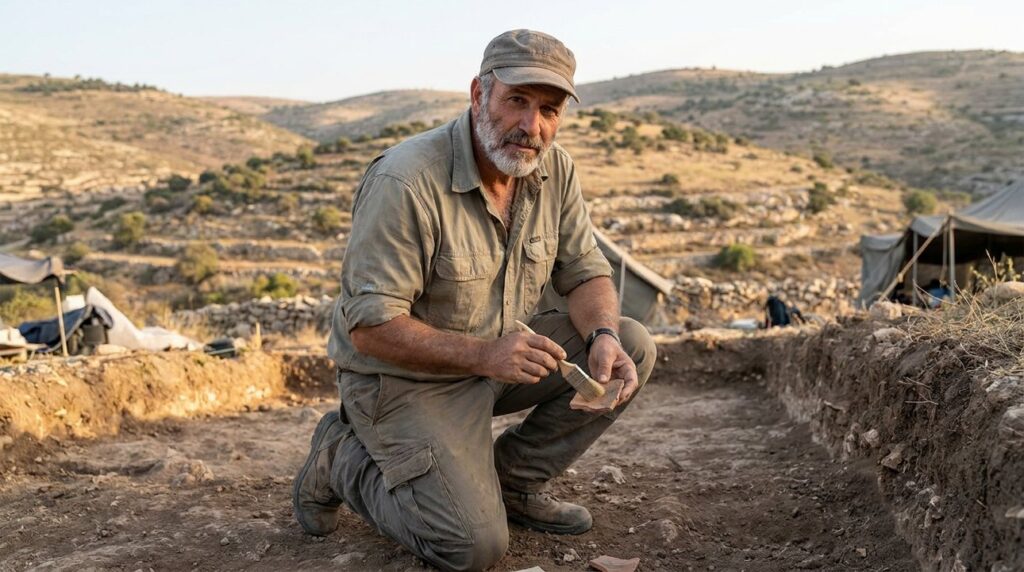
The ancient settlement stood on what is often called Tel Rumeida. Archaeologists have worked on this mound and uncovered remains from multiple eras of occupation.
Some of the finds date to prehistoric times. These layers show settlement, rebuilding, and continuous use across many centuries.
In the Chalcolithic and Early Bronze periods, people built fortifications, houses, and storage installations. Such features indicate an organized community with craft and trade.
Later layers hold pottery types and construction styles that help scholars place the site in broader regional sequences of the ancient Near East.
Located on hill tracks that connected different valleys, the site saw travelers and traders pass by. Movement along these highland routes brought goods and ideas into contact with local life.
Farming practices adapted to the slopes. Vineyards and terraces appear often in the archaeological and textual record as steady parts of the economy.
Hebron in the Genesis Stories
Hebron appears early in Genesis as the home of Abraham and as the setting for several important family events. The oaks of Mamre and the nearby cave are central to these accounts.
The Cave of Machpelah is described in the text as the burial place Abraham purchased. That story has been remembered and retold for many generations.
Genesis recounts that Abraham bought the Cave of Machpelah from a man named Ephron, described as a Hittite. The narrative gives a purchase price in silver and locates the cave as a family tomb.
Readers and later traditions have treated this purchase as a meaningful connection between people and a particular place on the land.
The biblical texts go on to name those buried in the cave. Tradition associates Abraham, Sarah, Isaac, Rebecca, Jacob, and Leah with this tomb. For many readers, this made Hebron a place of lineage and memory.
Because of these stories, the cave became a focus of visitation and of commemoration over long centuries.
The transaction story in Genesis links personal history to land in a way that readers across ages have found powerful. The tale has been interpreted in many ways by scholars, religious teachers, and local storytellers.
Its persistence in the literary and oral record explains much of Hebron’s later prominence.
Cultural and Historical Evolution
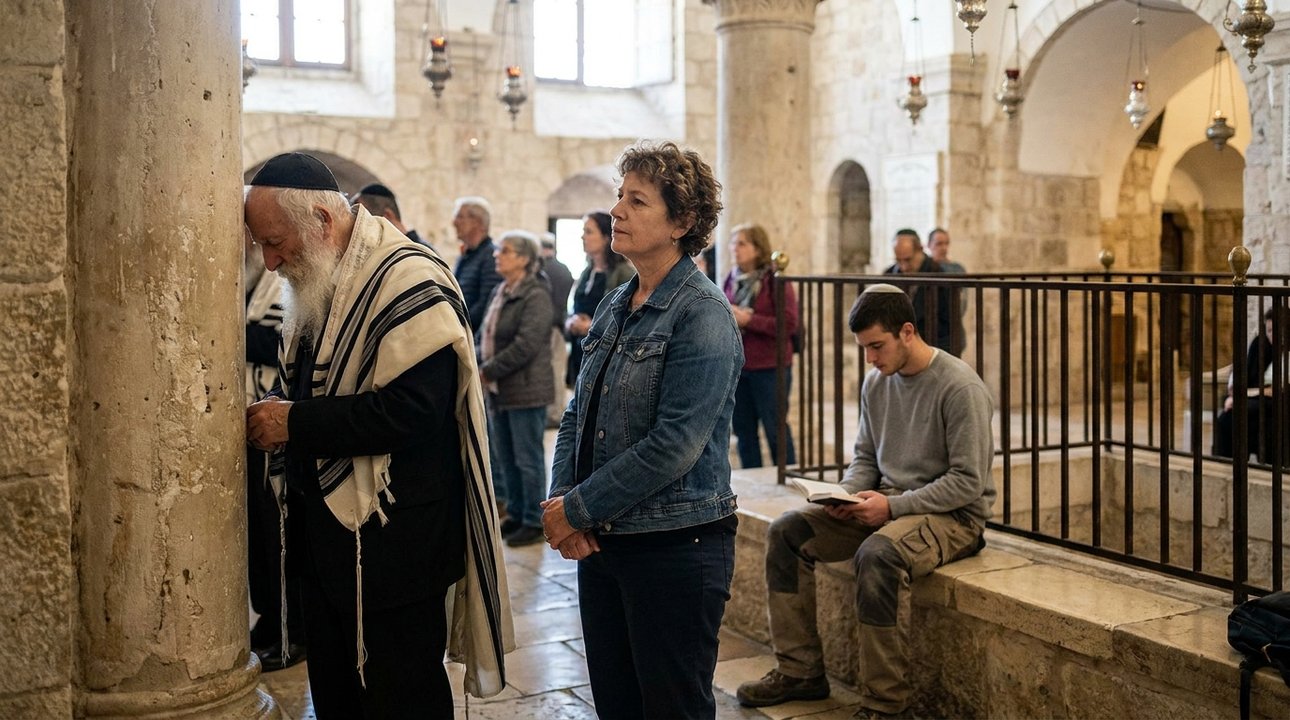
Across the centuries, Hebron became a site where many cultural traces accumulated. Pottery sherds, stone walls, and carved inscriptions appear in the excavation record.
These finds suggest long-term habitation and many layers of human activity. Each archaeological layer preserves a moment in a long sequence.
Archaeologists read the hill like a book. Different strata contain artifacts that indicate shifts in craft, trade, and domestic life.
Ceramic styles change across time. So too do building techniques. Together, they allow researchers to map cultural change at the site.
Trade and travel along the highland routes influenced daily life. Markets, household production, and seasonal work were part of the local economy.
Grapes, olives, and grains show up repeatedly in both texts and material remains. Agriculture remained central to life on the slopes.
Historical Figures Associated with Hebron
Among the figures most often connected with Hebron are the patriarchs and matriarchs of Genesis and the early monarchic leader frequently called David in biblical texts.
These figures appear in the stories that shaped how later readers remembered Hebron.
Biblical narratives describe a period when a ruler anointed by local leaders lived in Hebron before establishing a wider seat of authority elsewhere. These passages have been read as recording an early phase in a leader’s rise to prominence.
Scholars treat these texts as part history, part tradition, and part literary shaping of memory.
The account says this early rule lasted for several years. During that time the leader consolidated support among nearby groups and strengthened ties to local families.
Whether taken as literal history or as a formative tradition, the episode marks Hebron as an early royal seat in the memory of later writers.
Subsequently, the narrative reports a transfer of the principal residence to another significant city in the region. That move features prominently in historical retellings and in literary memory.
Hebron’s role as an early center of leadership remained part of its later reputation.
Patriarchal Significance
The connection between Hebron and the patriarchal family is a central feature of its significance in tradition. The Cave of Machpelah stands at the heart of that association.
For many readers of the biblical narratives, the cave symbolizes ancestry, memory, and a tangible link to early family stories.
Insider's Guide to Israel
and can't-miss places most tourists never find.
The list of names associated with the cave—Abraham and Sarah, Isaac and Rebecca, and Jacob and Leah—appears in the text and in later commentaries. Those names anchor the site in the narrative world of Genesis.
Over the centuries, communities and pilgrims have treated the cave as a place to remember these ancestors and their stories.
For many, the tradition makes Hebron a place of family memory and continuity. Tales of purchase, burial, and remembrance give the site emotional weight and narrative depth.
These long-held associations help explain the continuing attention the place receives in religious and historical accounts.
The Cave of Machpelah functions as both a story location and a material site. Its presence helps bridge text and place in the minds of visitors and readers.
This dual role—textual and physical—gives Hebron a special position among the towns named in ancient literature.
Hebron Today
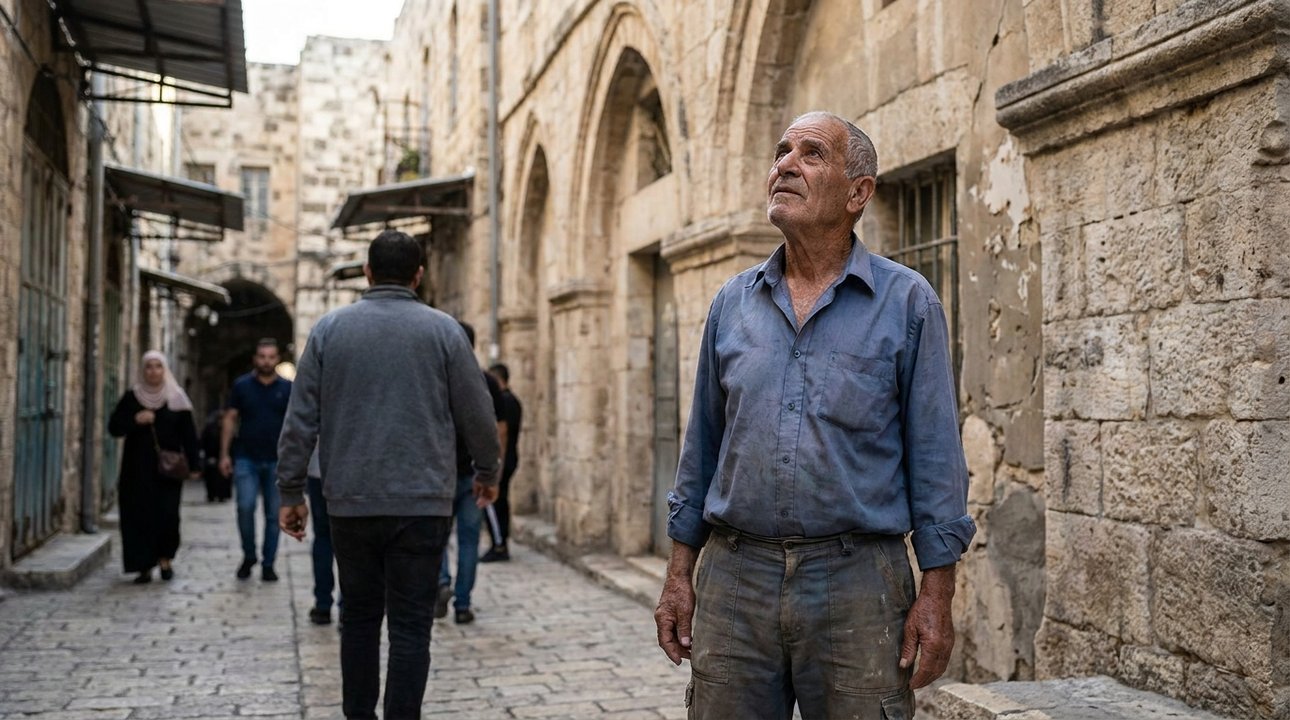
Hebron remains an inhabited town near the ancient mound of Tel Rumeida. Its streets and houses rest amid layers of older construction.
The cave connected with the patriarchal story still stands as a well-known historic place and continues to draw interest for its long-standing place in tradition.
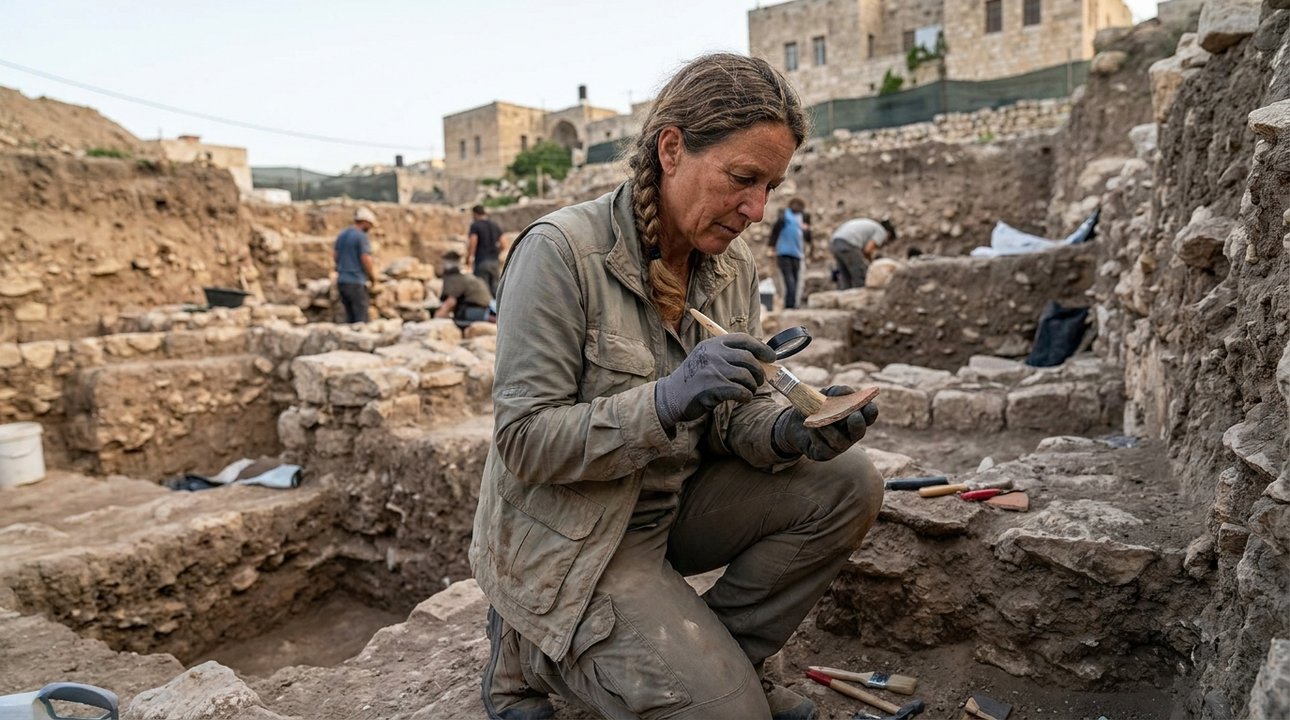
Archaeological study continues in the area. Excavations and surveys add data about the many periods of settlement and the ways people lived over time.
Such work is careful and often slow. Each new report refines what scholars can say about the site’s long sequence of occupation.
The cave retains its role in tradition as the burial place of the ancestral figures named in Genesis. For readers and communities who value these texts, the cave is a place that ties story to place.
In that sense, the site continues to link present memory with earlier narratives.
Across its buildings and ruins, the town shows traces of many centuries. Stone walls, reused blocks, and rebuilt houses testify to repeated cycles of repair and reuse.
That deep time is what sets Hebron apart. It offers a long view of human settlement on a single hill over many eras.
Connection to Jewish Tradition and Heritage
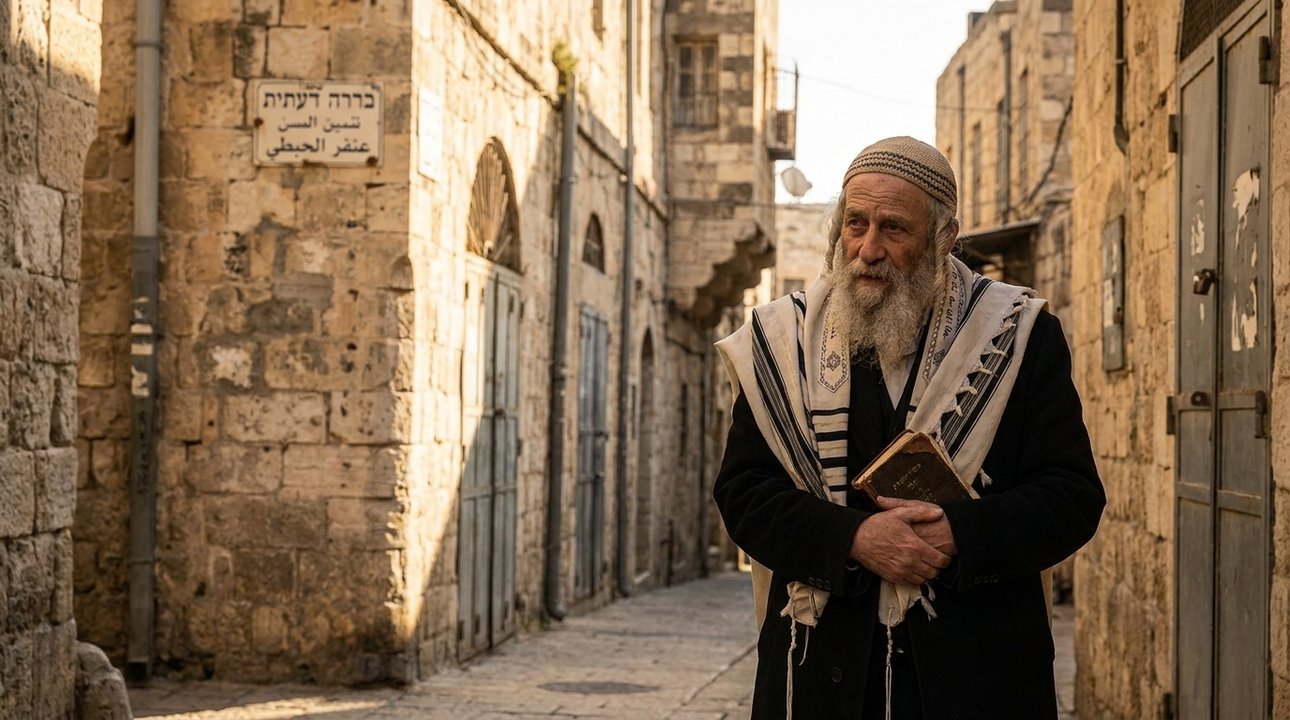
Hebron has long been important in Jewish memory because of the stories in Genesis and the city’s place in later narrative traditions. Those texts tie people, place, and family together.
The archaeological record and the literary tradition complement each other. Each helps explain why Hebron appears often in religious reflection and in historical writing.
Scholars point to the value of both material remains and textual sources. Pottery, architectural traces, and inscriptions provide a grounded sense of daily life. Texts record the meanings people attributed to places.
Taken together, they show how Hebron functioned as both a lived town and a remembered spot in story.
The Cave of Machpelah remains the clearest point where story and landscape meet. It offers a visible place that has been linked to early family narratives since antiquity.
For many visitors, that physical presence makes the stories more immediate and easier to recall and pass on.
Over time, Hebron has become a cultural landmark. Its long record of habitation, combined with the textual traditions, gives the town a layered identity as both a settlement and a symbol.
That layered identity helps explain Hebron’s continuing place in study and reflection about the ancient world.
The Legacy and Lessons of Hebron
Hebron’s long history offers lessons about continuity, change, and memory. People built, adapted, and carried stories forward across generations.
As one of the places with deep roots in both text and material culture, it provides a window into ancient lifeways and the ways later readers remembered them.
Notes on Approach and Sources
This article focuses on historical, literary, and archaeological perspectives. It does not address modern political or legal arrangements. Such contemporary matters lie beyond the scope of this piece.
The sources for the material include archaeological reports, classical reference works, and publications that survey the ancient history and traditions associated with the site. Readers interested in technical excavation reports can consult the listed links for more detailed bibliographies and updates.
Further Reading and Reflection
For readers who wish to learn more, the suggested sources offer entry points into both the textual tradition and the archaeological literature. Many works discuss the stratigraphy of Tel Rumeida, the pottery sequences found there, and the documentary history of the region.
Short, accessible guides and longer scholarly treatments are both available. Choosing a clear introduction first can help readers prepare for more specialized studies later on.
A Final Word
Hebron remains meaningful because it connects ancient stories with physical traces on the land. Text and artifact combine to tell a long, complex tale of habitation, memory, and human life on a hill.
This article aimed to present those layers in simple, clear language. We emphasized sources and avoided modern political discussion, focusing instead on the long historical and cultural record.
Historical Insights
