
Unveiling Pithom in Historical Context
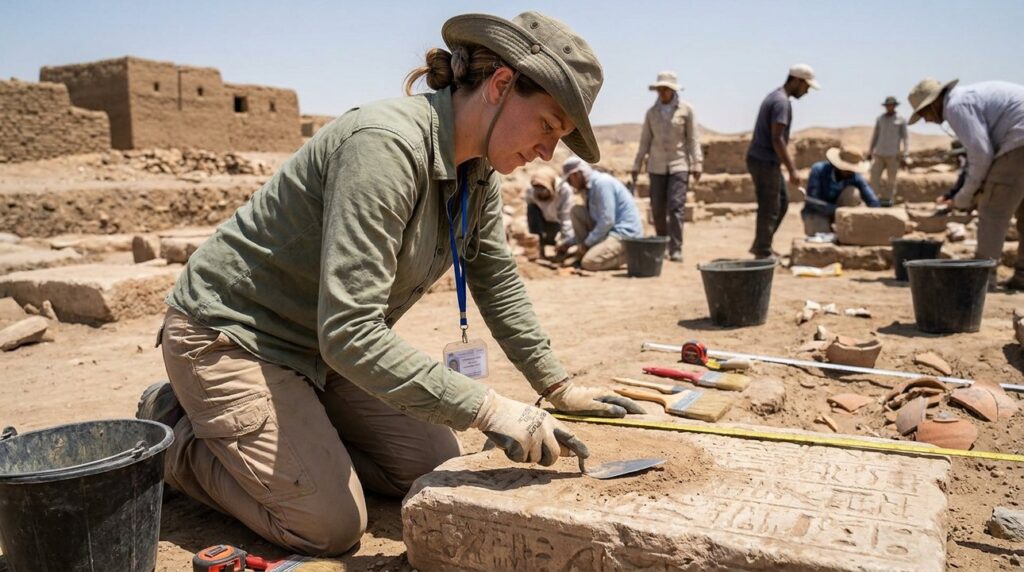

Pithom is one of the store cities built by the Israelites during their time in Egypt. It is mentioned in historical texts, marking its significance in the narrative of the Israelites’ slavery and liberation. Examining Pithom’s role provides insight into the broader narrative of the Israelite experience in ancient Egypt. We will explore its historical context and its place in historical accounts. This city is a testament to the resilience and determination of the Israelite people.
The story of Pithom highlights the hardships faced by the Israelites under Egyptian rule. The city’s construction symbolizes their oppression and the harsh conditions they endured. Despite these challenges, the Israelites’ journey is one of hope and liberation, culminating in their eventual freedom from bondage. Pithom serves as a reminder of the strength required to overcome adversity, reflecting the spirit of the Israelite people and their aspirations for a better future.
What Is Pithom?
Pithom is first introduced in historical texts as a city built by the Israelites during their time in Egypt. It served as a storage city, crucial for Egypt’s supply and resource management.
Traditionally, Pithom is identified with Tell el-Maskhuta in the eastern Nile Delta. This location was significant for its proximity to ancient trade routes, making it vital for the Egyptian economy and military logistics. The city’s role in managing resources highlights its importance in maintaining Egypt’s power.
The identification of Pithom with Tell el-Maskhuta is supported by archaeological evidence, including the discovery of storage facilities and granaries. These findings align with the historical description of Pithom as a ‘store city’.
Pithom’s strategic location allowed it to serve as a hub for trade and military logistics. Control over trade routes was crucial for maintaining Egypt’s wealth, facilitating the movement of goods and resources throughout the empire. This economic significance underscores Pithom’s role in ancient Egyptian society.
The strategic placement of Pithom in the Nile Delta allowed it to control trade routes and resources, vital for Egypt’s economic stability. The fertile region made it an ideal location for agriculture and trade.
Its identification with Tell el-Maskhuta is supported by archaeological finds that match historical descriptions. The role of this city as a ‘store city’ highlights the logistical challenges faced by the Israelites and the broader economic strategies of ancient Egypt. Artifacts such as pottery and tools have been uncovered, providing insights into the daily life and operations of this important site.
Archaeological excavations at Tell el-Maskhuta have revealed structures consistent with storerooms and granaries, corroborating historical accounts of Pithom. These findings include large silos and storage facilities that would have been used to manage and distribute resources efficiently.
Where Is Pithom Located Today?
The site believed to be Pithom is near the modern Egyptian village of Tell el-Maskhuta. Archaeological findings have corroborated its identity with discoveries of grain storage facilities matching the descriptions in historical accounts.
The location is a significant archaeological site, providing insights into ancient Egyptian and Israelite interactions. The site’s location in the Nile Delta highlights its once strategic importance, serving as a hub for trade and resource distribution.
Tell el-Maskhuta’s proximity to ancient trade routes made it a vital economic center. The grain storage facilities discovered there align with the historical description of Pithom as a ‘store city’.
These findings not only corroborate historical accounts but also offer insights into the daily lives of those who lived and worked in this bustling area. Pithom’s placement within the Nile Delta underscores its role in the broader geopolitical landscape of ancient Egypt. Control over trade routes was essential for maintaining Egypt’s wealth.
The discoveries at Tell el-Maskhuta provide valuable insights into the economic strategies of ancient Egypt. Efficient resource management was crucial for sustaining the empire’s growth and stability.
The Israelites’ involvement in building these facilities highlights their significant contributions to Egyptian society. Despite the hardships they faced, their labor was instrumental in the functioning of the empire. The archaeological evidence at Pithom offers a tangible connection to historical narratives, enriching our understanding of this period.
Why Is Pithom Important in the Book of Exodus?
Pithom’s mention within historical texts symbolizes the oppression faced by the Israelites in Egypt. As one of the ‘store cities’, it highlights the narrative of enslavement and the rigorous labor that the Israelites endured under Pharaoh’s rule. The construction of Pithom represents their hardship and sets the stage for the eventual liberation story pivotal to Jewish history.
Pithom’s narrative is integral to the wider story of the Exodus, celebrated during a festival commemorating the Israelites’ journey from slavery to freedom, highlighting themes of liberation and redemption. The endurance of the Israelites in the face of oppression is a central theme in Jewish tradition. Pithom serves as a symbol of their determination to maintain their cultural identity despite the challenges they faced.
Archaeological Discoveries at Pithom
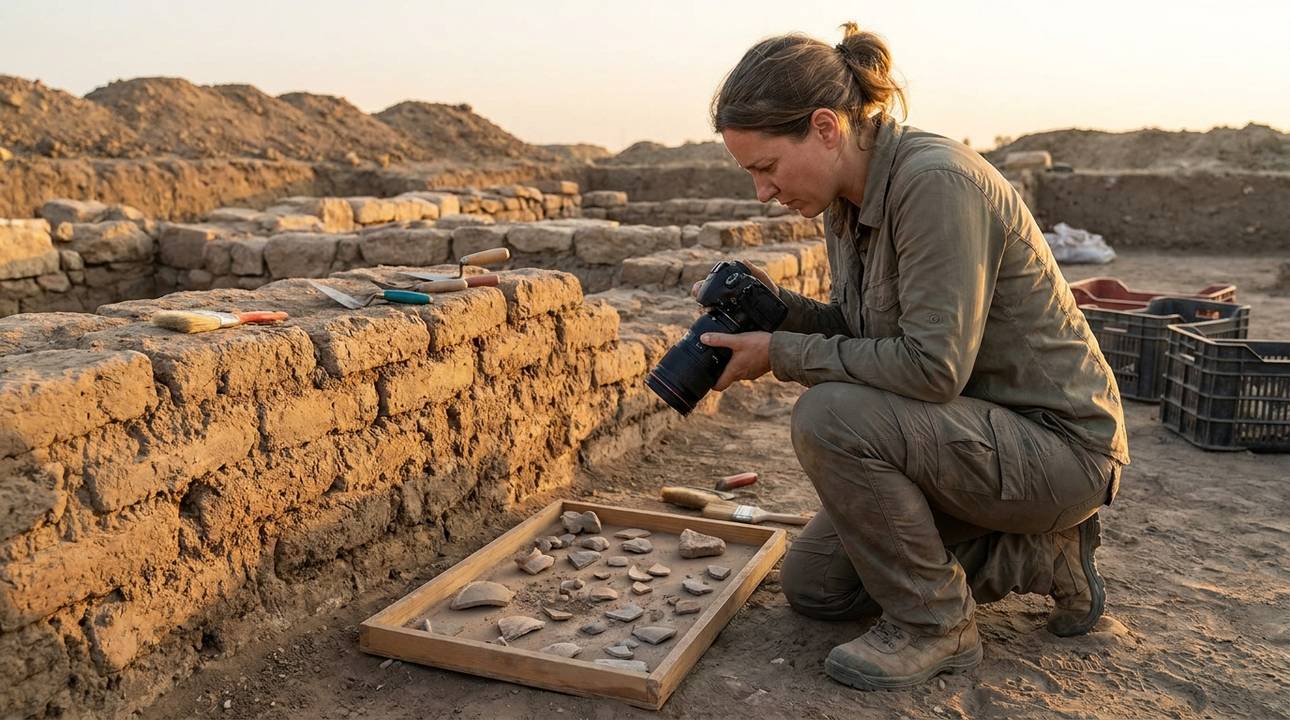
Excavations at Tell el-Maskhuta have revealed structures consistent with storerooms, supporting historical accounts of Pithom as a ‘store city’. These findings include large silos and granaries, which align with the functional role described in historical texts.
Such archaeological evidence provides a tangible connection to the narratives found in historical texts. These discoveries enhance our understanding of the historical context during the time and the logistical needs of the Egyptian empire. The design of these granaries reflects the advanced engineering skills of the time.
The storage facilities at Tell el-Maskhuta reveal the logistical prowess of ancient Egypt. By efficiently managing resources, the Egyptians could support large-scale construction projects and sustain their military forces. The Israelites’ role in building these facilities underscores the significant contributions they made to the Egyptian economy.
The granaries at Tell el-Maskhuta suggest a complex system of storage and distribution, vital for sustaining the Egyptian population and military. These granaries would have been essential for managing food supplies, especially during times of scarcity or military campaigns.
This aligns with the historical depiction of Pithom as a city built by the Israelites under Pharaoh’s command. The archaeological findings offer insights into the economic strategies employed by ancient Egypt, highlighting the importance of such centers in maintaining power and stability.
Cultural and Historical Context of Pithom
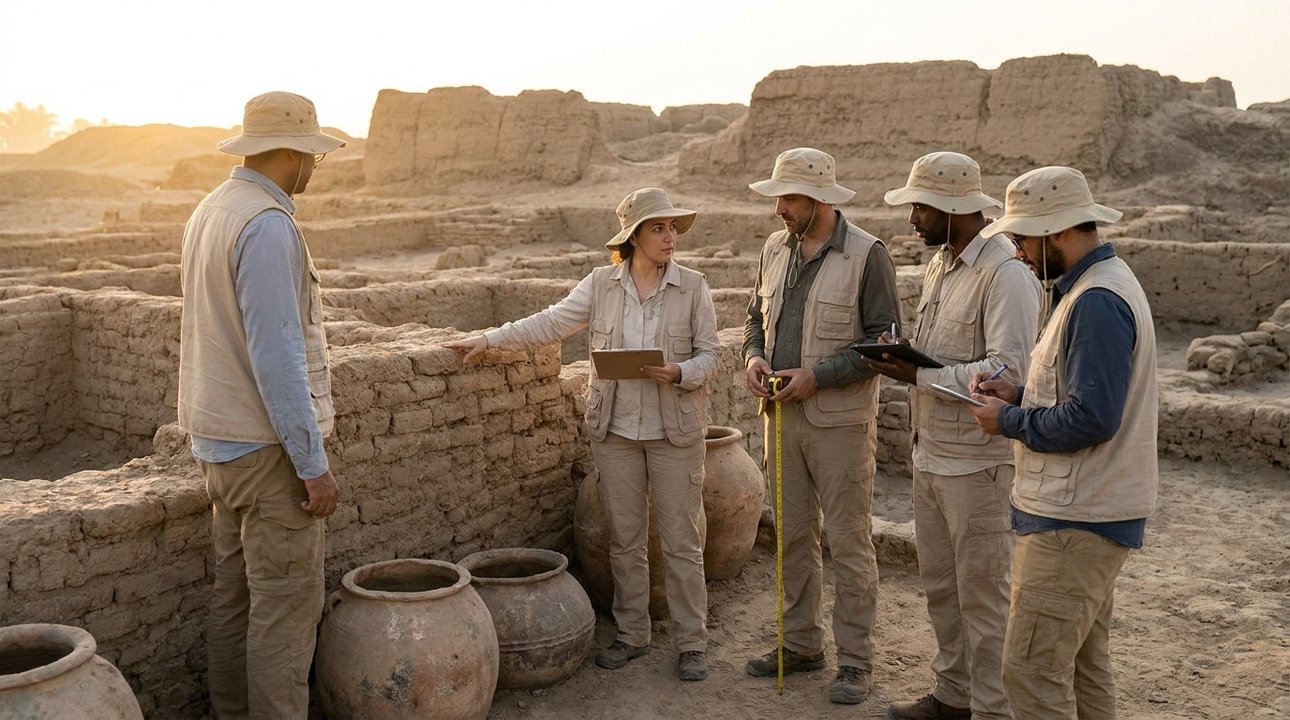
In the broader Egyptian context, Pithom served as a critical economic and military node. Its construction falls within the era of Pharaoh Ramesses II, known for extensive building projects across Egypt, including the city of Pi-Ramesses.
The role of this city as a storage hub for grain underscores its importance in sustaining Egyptian prosperity and might during this period. This helps us understand the magnitude of the tasks imposed on the Israelites and the Egyptian empire’s reliance on such centers.
Under Pharaoh Ramesses II, Pithom’s development was part of a larger strategy to fortify Egypt’s economic and military infrastructure. Ramesses II, also known as Ramesses the Great, ruled from 1279 to 1213 BCE and was known for his extensive building projects across Egypt.
The grain stored in Pithom would have been essential for feeding the Egyptian army and populace, ensuring the stability of the empire. This context highlights the strategic importance of Pithom and the significant demands placed on the Israelites who built it.
The construction of Pithom under the reign of Ramesses II is mentioned in historical texts, where the Israelites are described as laboring to build the ‘store cities’ of Pithom and Raamses. These cities were crucial for Egypt’s defense and economic power, serving as supply depots that could sustain the army during campaigns.
The Israelites’ role in building these cities reflects the harsh conditions they endured, as they were forced into labor to support Egypt’s ambitions. This historical period is marked by significant architectural achievements that were often built on the backs of oppressed laborers.
How Pithom Is Viewed in Jewish Tradition
In Jewish tradition, Pithom is a symbol of the challenges and tribulations faced by their ancestors in Egypt. Stories of Israelites building Pithom echo themes of endurance and overcoming adversity. As a sign of perseverance, Pithom serves as a lesson in tenacity and the spirit of liberation that culminates in the Exodus narrative. This narrative emphasizes the physical and spiritual resilience that characterizes the Jewish historical journey.
The construction of Pithom under harsh conditions highlights the oppression faced by the Israelites. Despite these challenges, their unwavering spirit and determination to overcome adversity are central themes in Jewish tradition. The account of Pithom is not just about hardship; it is about the enduring hope and the eventual triumph of liberation. This festival commemorates the Israelites’ escape from slavery and their journey to freedom.
The trials faced by the Israelites in Pithom are a poignant reminder of their struggle for freedom. The construction of Pithom under harsh conditions highlights the oppression they endured. This period of forced labor is described in historical texts, where the Israelites are tasked with building the ‘store cities’ for Pharaoh.
Yet, this adversity also showcases their unwavering spirit and determination to overcome. The account of Pithom is not just about hardship; it is about the enduring hope and the eventual triumph of liberation. This festival commemorates the Israelites’ escape from slavery and their journey to freedom.
The narrative of Pithom serves as a powerful symbol of perseverance. Despite the harsh conditions and relentless demands placed upon them, the Israelites maintained their cultural identity and beliefs. Their liberation from Egypt is a central theme in Jewish tradition, highlighting the importance of perseverance and hope. This festival, which celebrates this liberation, is a time for reflection and gratitude, reminding us of the strength and courage of those who came before us.

Pithom in Modern Discussions
Today, Pithom highlights discussions on archaeological methods and the interpretation of historical texts. Scholars debate its exact historical context, reflective of the broader dialogue about history and archaeology. While uncertainties remain, Pithom is still a subject of study, linking ancient narratives with modern scholarship’s pursuit of historical truths. The intersection of tradition and exploration makes Pithom a significant focal point in historical archaeology.
The study of Pithom exemplifies the dynamic relationship between archaeology and historical scholarship. As new discoveries are made, they prompt reevaluations of historical interpretations and encourage fresh perspectives. This process of exploration and discovery enriches our understanding of early civilizations and their interactions. Pithom serves as a reminder of the complexities involved in interpreting historical texts and the importance of considering multiple sources of evidence.
The ongoing exploration of Pithom encourages a deeper understanding of ancient Egypt and its interactions with the Israelites. Archaeologists continue to uncover new evidence that sheds light on the historical and cultural context of this period. This dialogue between archaeology and historical scholarship fosters a rich exchange of ideas, enhancing our comprehension of historical events. The narrative of Pithom, woven through both tangible evidence and ancient texts, continues to captivate and inform those who seek to uncover the past.
As researchers delve into the layers of history at Pithom, they uncover artifacts and structures that offer clues about the lives of those who lived there. These discoveries help bridge the gap between historical narratives and historical reality. The study of Pithom is an example of how archaeology can complement and enhance our understanding of ancient texts. By examining the physical remnants of the past, scholars can piece together a more complete picture of the interactions between the Israelites and the Egyptians.
The Legacy of Pithom
Though millennia have passed since its construction, Pithom remains a topic of interest, symbolizing the complexities of early history. It serves as a reminder of the interplay between historical accounts and archaeological evidence. As modern debates continue, Pithom encourages reflections on the endurance of narratives and the perpetual search for a deeper understanding of ancient texts. This city remains a touchstone for those intrigued by the mix of historical and archaeological study.
Understanding Pithom