
Discovering the Layers of Chorazin
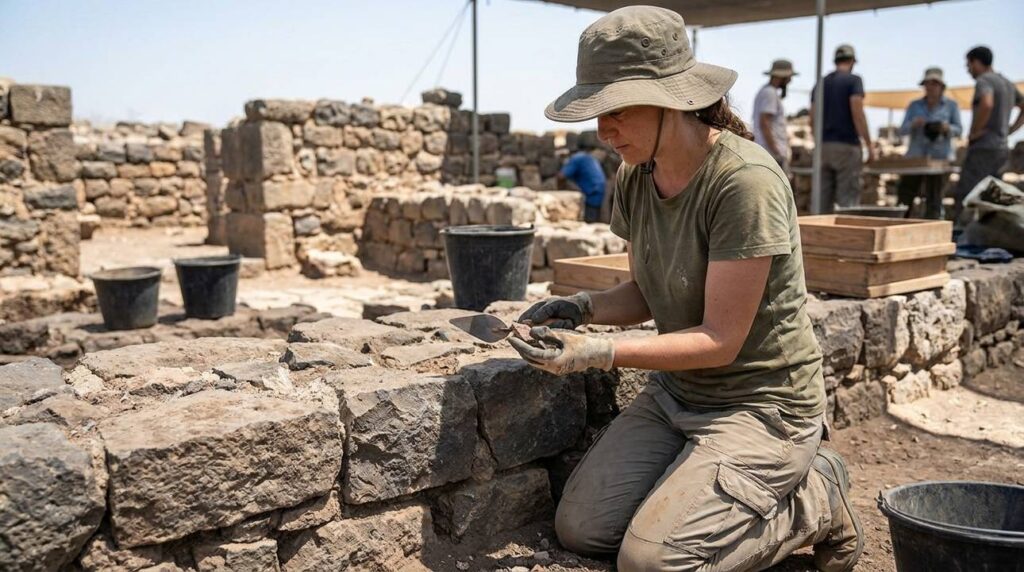

Chorazin, mentioned in historical texts, is a town with a mystical aura and a history that captures the imagination. Nestled in the hills of Galilee, Chorazin has intrigued archaeologists and historians alike. The site is located near the Sea of Galilee, a region known for its rich past and beautiful landscapes. Known for its impressive ruins, Chorazin provides insights into the ancient world, drawing connections between its past and cultural role. The remains of the synagogue, built with black basalt stones, are particularly notable.
The black basalt used in Chorazin’s construction is typical of the region, known for its volcanic activity. This stone gives the ruins a distinctive appearance, setting Chorazin apart from other historical sites.
The town’s mention in historical texts, alongside Capernaum and Bethsaida, highlights its role in the Galilee region. These towns were part of a network of settlements that contributed to the area’s economic and cultural vibrancy.
What Is Chorazin?
Chorazin, or Korazin, is a town located north of the Sea of Galilee. It is best known from references in the Gospels, where it is mentioned as one of the cities censured for its lack of repentance.
Despite being prominently named, much about this place remains shrouded in mystery, stimulating both scholarly inquiry and popular interest. The ruins visible today offer concrete insights into the history and lifestyle of its ancient inhabitants, portraying a community once bustling with life.
Chorazin’s mention in historical texts highlights its significance in Jewish history. The town’s location near key historical sites adds to its intrigue.
Archaeological evidence suggests that Chorazin was inhabited during the Second Temple period, with findings such as pottery and coins providing a glimpse into daily life. These artifacts help scholars reconstruct the town’s economic and social activities.
Chorazin’s Geographical Setting
Nestled in the basalt hills of Galilee, Chorazin enjoys a picturesque location that offers sweeping views of the landscape. Its strategic location provided a vantage point for trade and communication with nearby regions.
The natural beauty of the area also provided fertile ground for agriculture and supported a thriving community. Today, the quiet hills serve as a reminder of Chorazin’s bustling past, visible in the remnants of ancient buildings and pathways.
Chorazin’s proximity to the Sea of Galilee allowed for easy access to water routes, facilitating trade with cities like Capernaum and Bethsaida. The fertile land supported crops such as olives and wheat, vital for the local economy.
The town’s position in the Galilee region made it a crossroads for cultural exchange, influencing its development. Historical records suggest that Chorazin was part of the ancient trade routes connecting the Mediterranean to the interior lands.
What Does Archaeology Reveal About Chorazin?
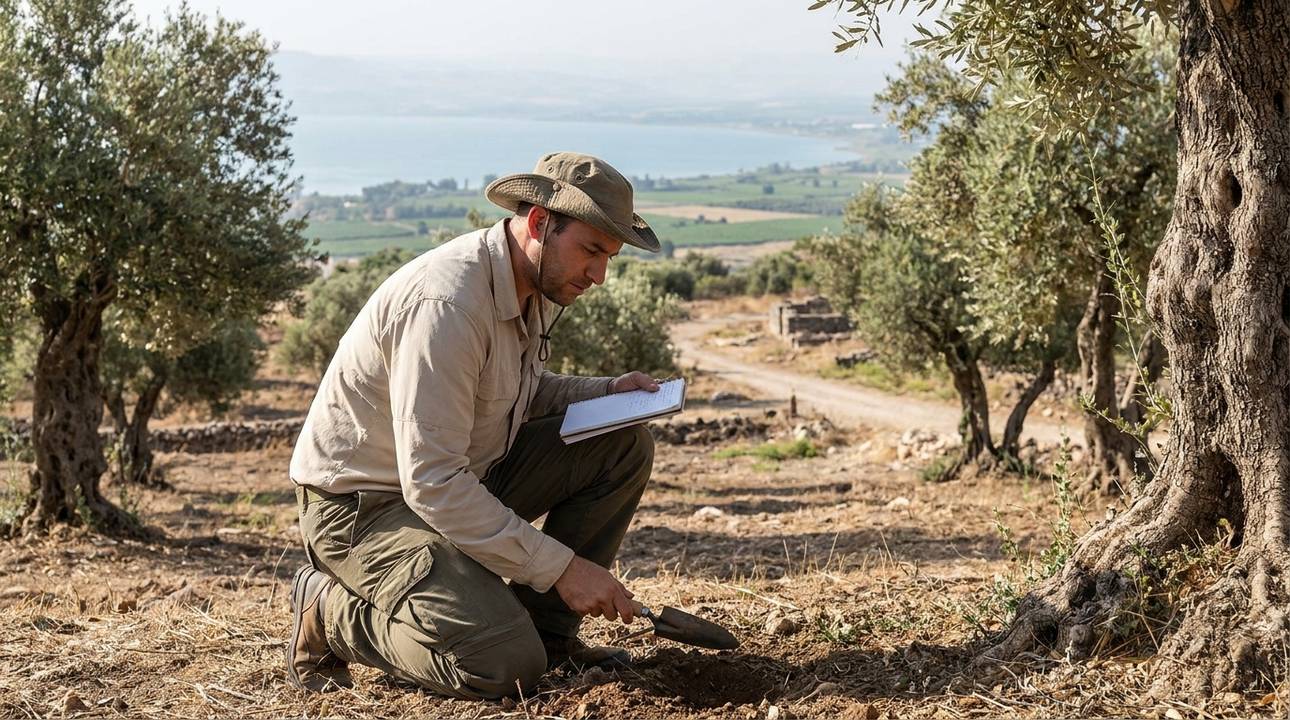
Archaeological excavations at Chorazin have unveiled a wealth of information. The site includes a well-preserved synagogue, ritual baths, and residential areas.
The synagogue, built of black basalt stone, is particularly noteworthy for its intricate carvings, offering clues about the artistic and religious practices of the time. These findings collectively illustrate the daily life in Chorazin, enriching our understanding of its role in the region.
The synagogue’s carvings include depictions of menorahs and lions, which are significant in Jewish art and symbolism. The presence of ritual baths, or mikvahs, highlights the community’s adherence to purity laws.
Residential areas reveal the layout of homes and communal spaces, providing insight into the social structure. These discoveries help historians piece together the economic and cultural dynamics of Chorazin.
Historical References to Chorazin
In historical texts, Chorazin is cited alongside Bethsaida and Capernaum as a city that played a significant role in its time. These mentions highlight the town’s importance, setting the stage for its role in history. The references to these cities can be found in various texts, where they are used as examples of communities with rich histories.
This referencing places Chorazin within a broader narrative, connecting its physical remains with historical records and discussions.
The Synagogue of Chorazin
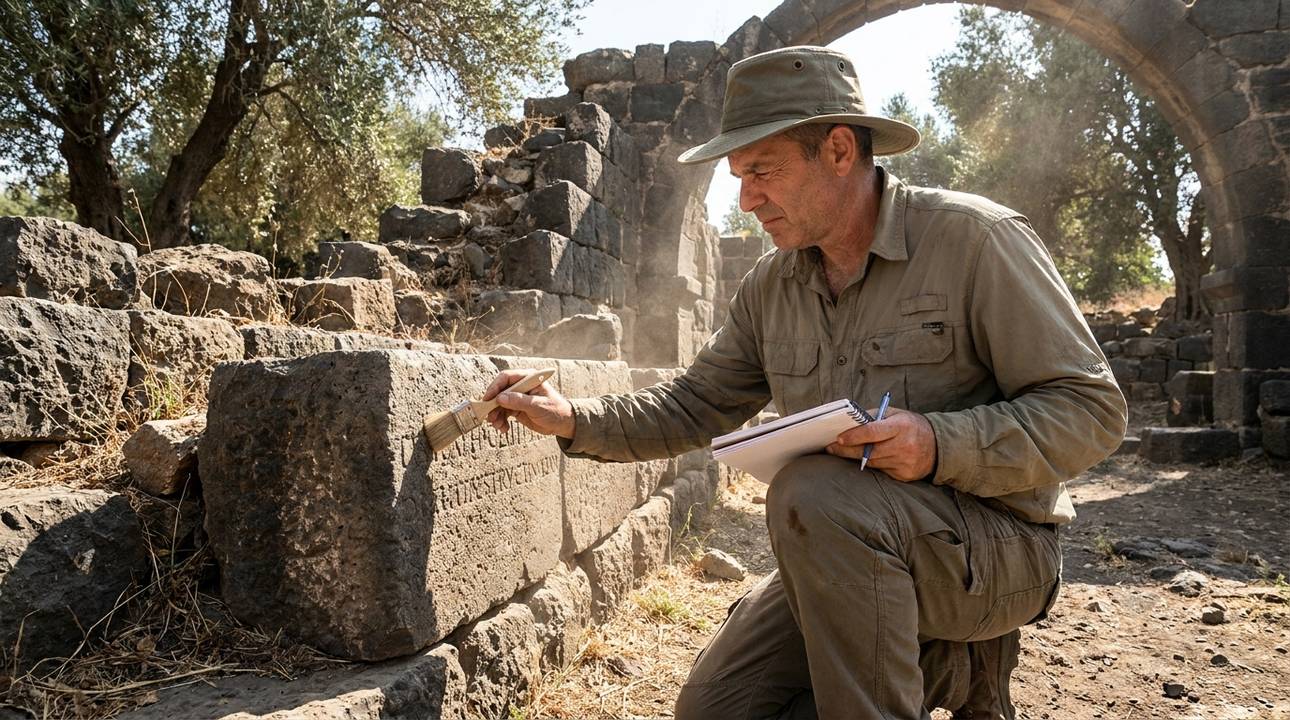
The synagogue in Chorazin is a sign of the town’s spiritual life. Its architecture reflects influences from surrounding regions and showcases unique artistic styles, apparent in the detailed stonework. The carvings, which include cornucopia motifs, indicate a blend of influences and hint at the community’s social and religious gatherings. Such features position the synagogue as a central hub in the community’s life, echoing its historical and cultural relevance.
The synagogue’s design includes a central hall with stone benches lining the walls, typical of Galilean synagogues of the period. The cornucopia motifs, often associated with abundance, suggest a prosperous community.
The presence of a Torah shrine, or ‘heichal’, indicates the importance of religious study and worship. These elements reflect the synagogue’s role as a place of learning and gathering, integral to the town’s identity.
Present-Day Chorazin: What Do We Know?
Today, Chorazin stands as an archaeological site, drawing visitors and researchers alike interested in exploring its past. The well-preserved ruins, including the ancient synagogue and residential structures, offer a tangible connection to history, allowing for continued study and preservation efforts. Archaeologists have uncovered artifacts such as basalt carvings and inscriptions that provide insight into the daily life and religious practices of its inhabitants. The site’s continued relevance speaks to its history and the ongoing fascination with its story.
Visitors to Chorazin can walk through the remains of the synagogue, imagining the community that once gathered there. The site’s preservation allows for educational tours, enhancing public understanding of historical life. The ongoing archaeological work at Chorazin helps preserve its legacy, ensuring that future generations can appreciate its historical and cultural role. This effort highlights the value of preserving historical sites for educational and cultural enrichment.
Chorazin’s Cultural and Historical Impact
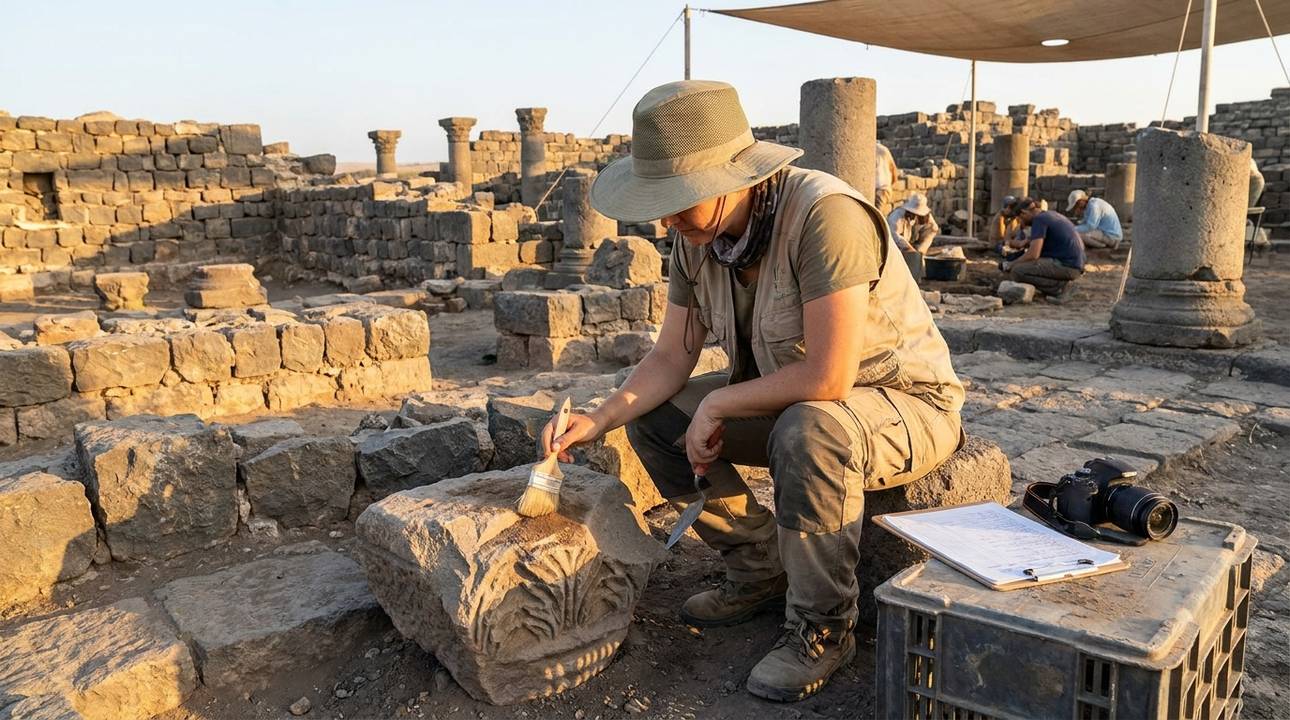
Chorazin’s impact extends beyond its physical remains. It has inspired scholarly debate about life in ancient Galilee and the intricacies of its social and religious structures. The town’s layout and architectural style provide clues about the community’s organization and interactions with neighboring regions. Its mention alongside other significant historical locations adds layers to its story, enriching the mix of historical scholarship. This dual role as both an archaeological and historical site underscores Chorazin’s cultural richness, making it a key subject for ongoing research and exploration.
Concluding Thoughts on Chorazin
Chorazin remains a fascinating subject for historians and scholars. Its ruins, captured in black basalt, continue to tell the story of a community that played a role in historical narratives. The synagogue, one of the most well-preserved structures, is a focal point for understanding the religious life of the town’s ancient inhabitants.
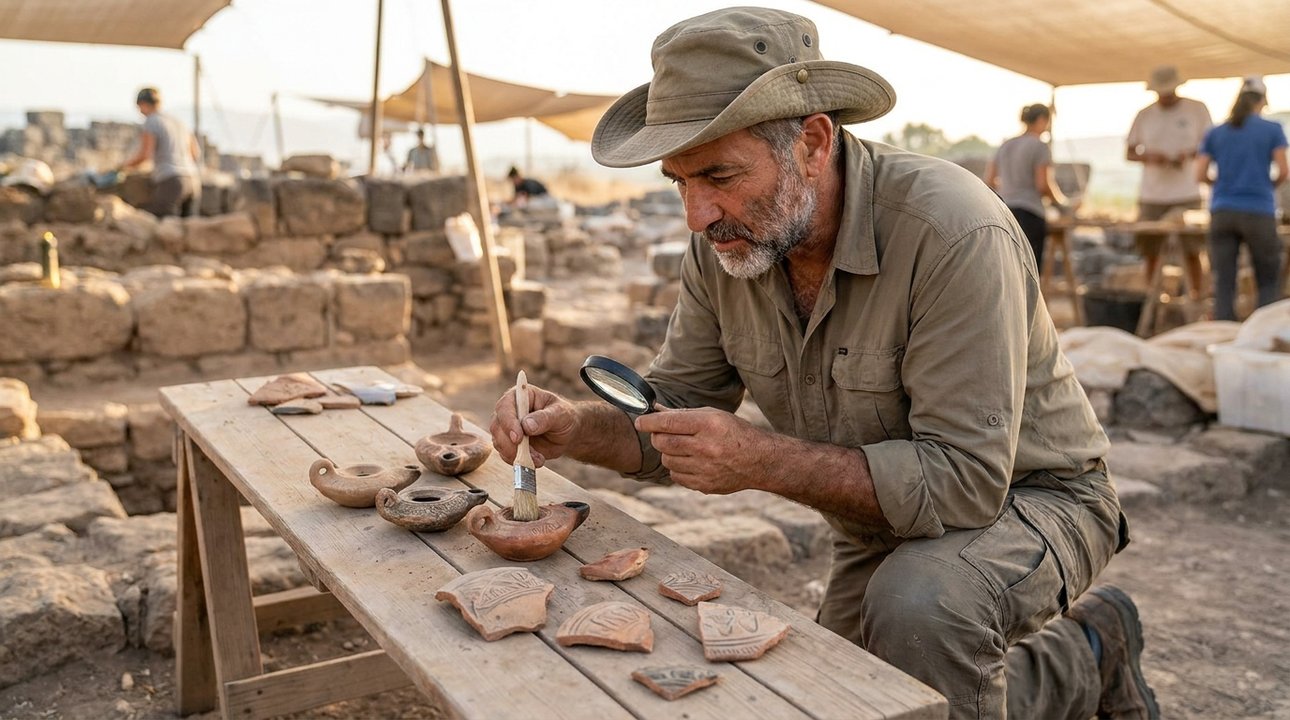
With ongoing research, Chorazin’s secrets slowly unfold, offering new insights into its ancient life. Artifacts such as oil lamps and pottery shards help piece together the daily activities and trade practices of the time.
The discovery of oil lamps, often used in historical households, provides a glimpse into domestic life in Chorazin. Pottery shards, some decorated with intricate designs, suggest a community with skilled artisans.
These artifacts, along with inscriptions found on stones, help historians reconstruct the town’s history and its connections with surrounding regions. Each piece adds to the narrative of Chorazin’s past.
Exploring Lev Haolam’s Connection to Cultural Heritage
Lev Haolam offers curated gift boxes that connect people with the heritage of Israel. These boxes feature products from Israeli small businesses and artisans, supporting traditional crafts and economic stability. By choosing these boxes, you receive unique items that reflect the culture of Israel. Explore our offerings to discover how you can bring a touch of Israel into your home.
Our gift boxes include a variety of products such as handmade soaps, artisanal foods, and crafted jewelry, each telling a story of dedication and tradition. These items reflect the diverse culture of Israel. By choosing Lev Haolam, you are supporting a network of small businesses committed to quality and authenticity. This connection fosters a sense of community and shared values between you and the artisans.
Chorazin's Cultural Heritage
