
Understanding the Edomites: Past and Present
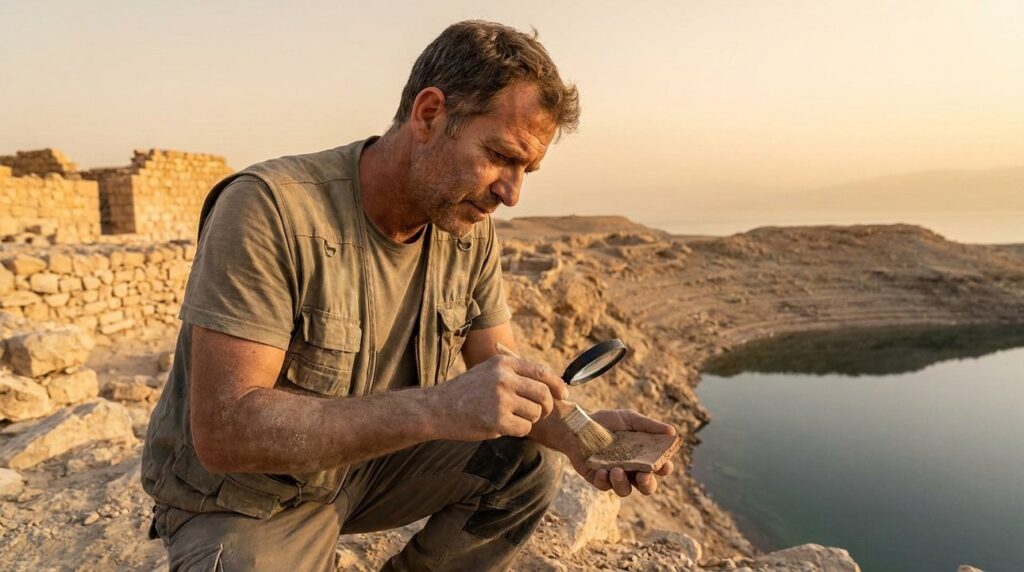

The Edomites appear often in the Bible and other ancient records. They were the descendants of Esau, the brother of Jacob, and they lived just south of Israel. Their bond with Israel was close but often tense, mixing family ties with conflict.
This article looks at who the Edomites were and what became of them. It also answers a common question: who are the Edomites today?
Who Were the Edomites?
The Edomites were the descendants of Esau, the twin brother of Jacob. They built their kingdom in the land of Edom, south and southeast of the Dead Sea, in what is now southern Jordan. Their homeland sat right next to Israel.
Edom is named many times in the Bible, starting in the book of Genesis. The story shows Edom as both a relative of Israel and, at times, an enemy.
Edom sat on key trade routes of the ancient Near East. The main road, the King’s Highway, carried goods between the Red Sea and lands to the north. This gave Edom real value and drew both trade and rivalry with its neighbors.
The result was a mix of cooperation and conflict. Edom and Israel traded, fought, and lived side by side over many centuries.
Edom in Ancient Texts
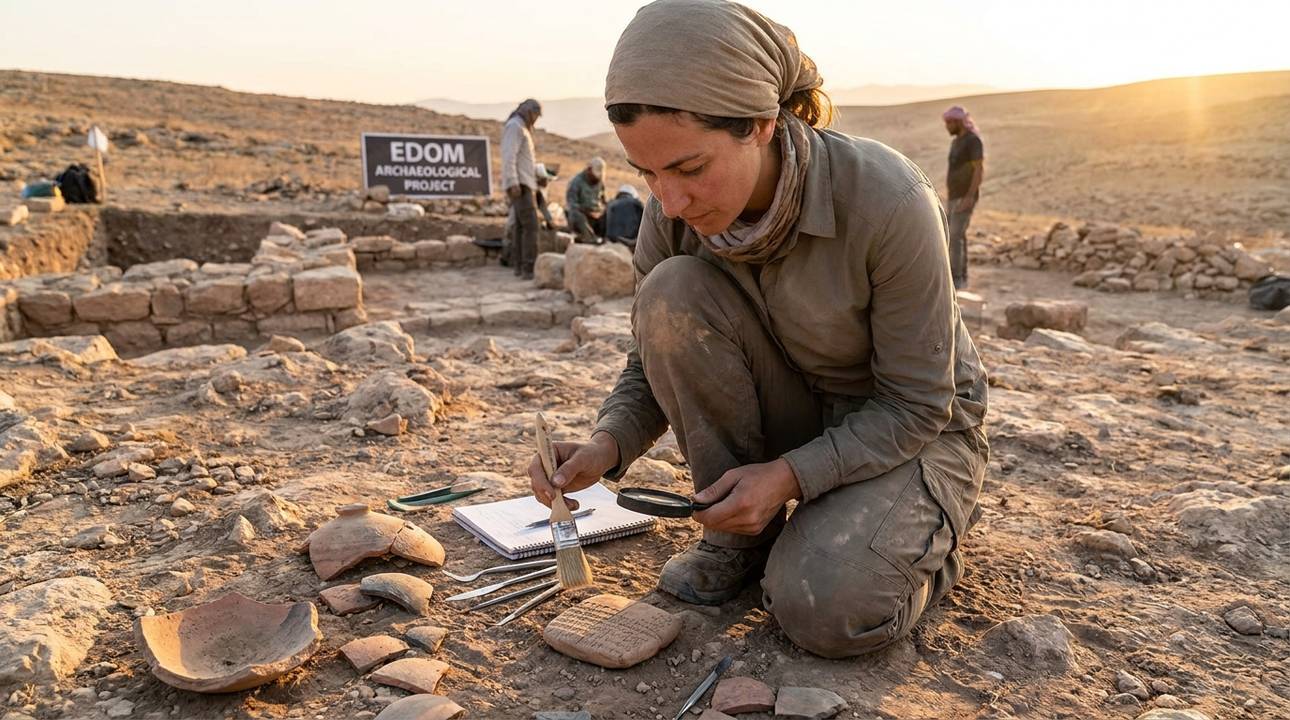
The Bible names Edom often, in both story and prophecy. Esau is the ancestor of the Edomites, who grew into a separate people with their own kings.
Several prophets spoke against Edom. The book of Obadiah, for example, warns of Edom’s fall because it turned against Jerusalem in its time of need.
These warnings reflect a long history of tension between the two peoples. They also show what the biblical writers valued, such as loyalty and fair treatment of kin.
The many mentions of Edom show how important it was to Israel. Edom served both as a real neighbor and as a lasting symbol in Israel’s story.
The books of Kings describe more dealings between Israel and Edom. At times Edom was ruled by Judah, and at times it broke free. These accounts show a long pattern of rivalry, shared borders, and periods of peace.
Edom’s Archaeological Legacy
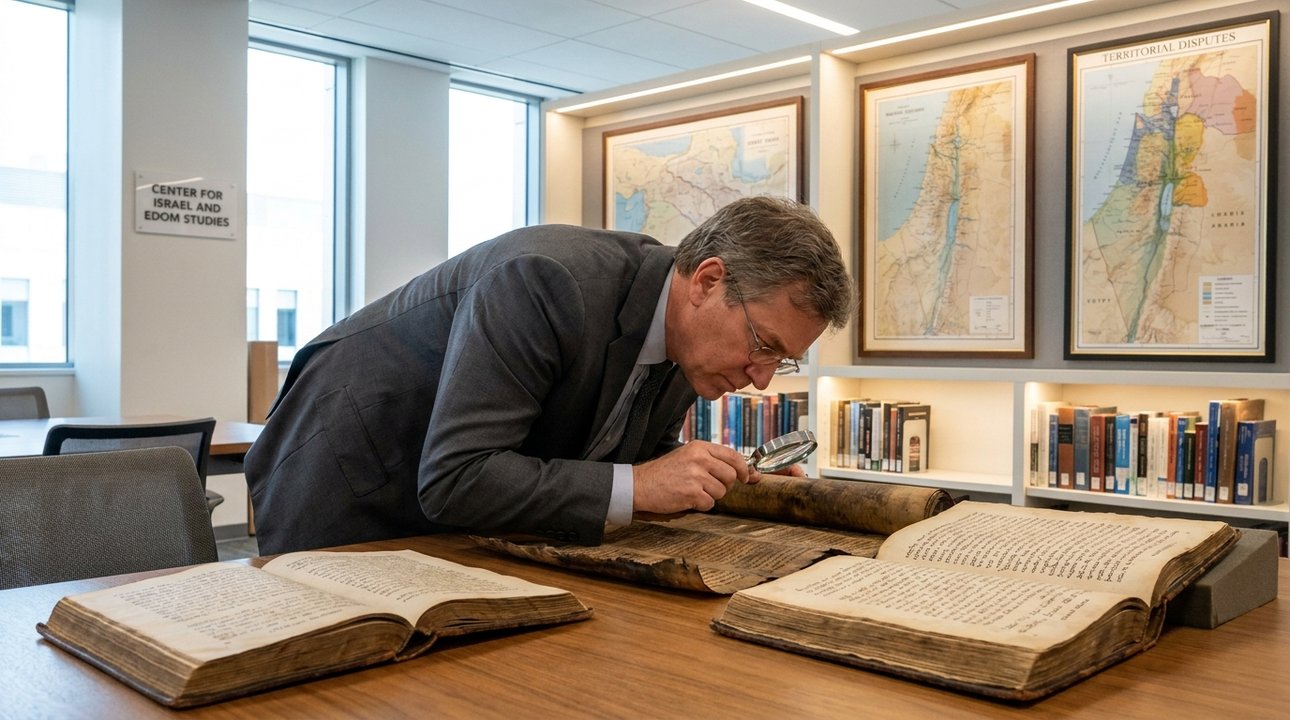
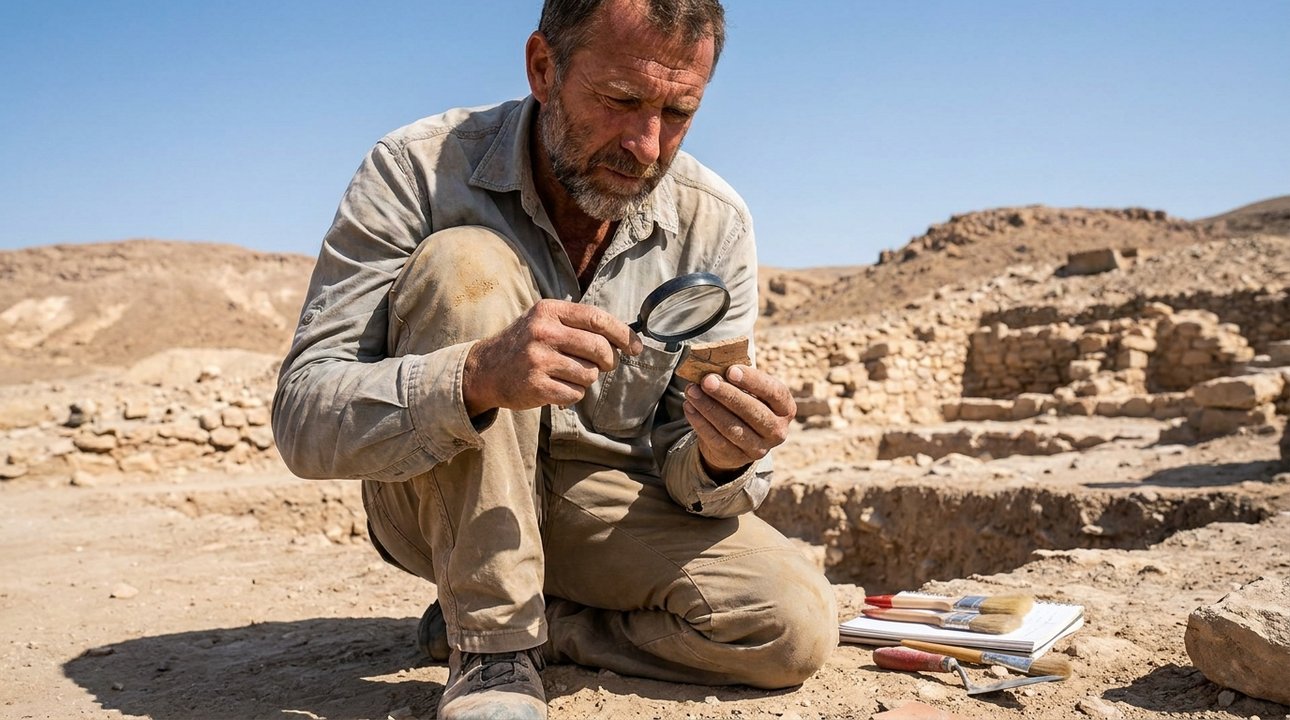
Modern digs have revealed a great deal about Edomite life. Busayra, in southern Jordan, was the capital of the Edomite kingdom. The Nabateans later built the famous city of Petra in the same region, long after Edom’s peak.
Edomite pottery, writing, and graves help us picture their daily life. The finds show a people who both shaped and were shaped by the wider region.
The name Edom means “red,” and its red hills held rich copper deposits. Mining and smelting copper became a major industry there.
Digs at Khirbat en-Nahas have uncovered large copper works from the Iron Age. These finds show that the Edomites were skilled metalworkers with an organized economy.
Copper made Edom wealthy and connected it to trade far beyond its borders. Metal, goods, and ideas moved along its roads.
This trade gave Edom real weight in the ancient Near East. It was a busy center of craft and commerce, not a remote backwater.
Modern Perspectives: Who Are the Edomites Today?
There is no single people today who can be called Edomites. Edom faded from the record after the Babylonians conquered the region in the 6th century BCE.
Over time, the Edomites blended into the peoples around them. The Nabateans moved into their old land, while many Edomites shifted west into southern Judah, an area later known as Idumea.
The slow disappearance of Edom shows how peoples in the ancient world often merged and changed. Scholars study this shift using both old texts and new digs.
By tracing what happened to Edom, researchers learn how groups in the region mixed and formed new communities over time.
Even so, the memory of Edom lives on. Biblical texts and archaeological finds keep their story part of modern research.
Their history still helps scholars understand how neighboring peoples in the ancient Near East dealt with kinship, conflict, and life side by side.
Careful study of Edom also fills gaps in the wider history of the region. The copper sites, in particular, have changed how experts view early states in this area.
What once looked like a minor desert tribe now appears as an organized society with real reach. Edom’s story adds an important piece to the record of the ancient Near East.
Edom in Jewish Tradition
In later Jewish tradition, Edom became a symbol as well as a real place. Rabbinic writings often used the name Edom to stand for a powerful rival.
By the time of the Talmud, with no Edomites left, the sages linked Edom with Rome. The name came to represent Rome and, later, the wider Christian world.
This link between Edom and Rome shaped how many Jewish communities understood the powers they lived under. An old family rivalry became a way to speak about later struggles.
Because of this, the name Edom kept its meaning far beyond the ancient kingdom. It stayed part of Jewish thought for many centuries.
So Edom holds two roles in Jewish memory. It was a real neighbor to the south, and it became a symbol of hardship and rivalry.
The biblical texts recall Edom’s harsh acts against Israel, such as its part in the fall of Jerusalem. Both the history and the symbol have kept Edom’s name alive in Jewish study.

Legacy and Influence of the Edomites
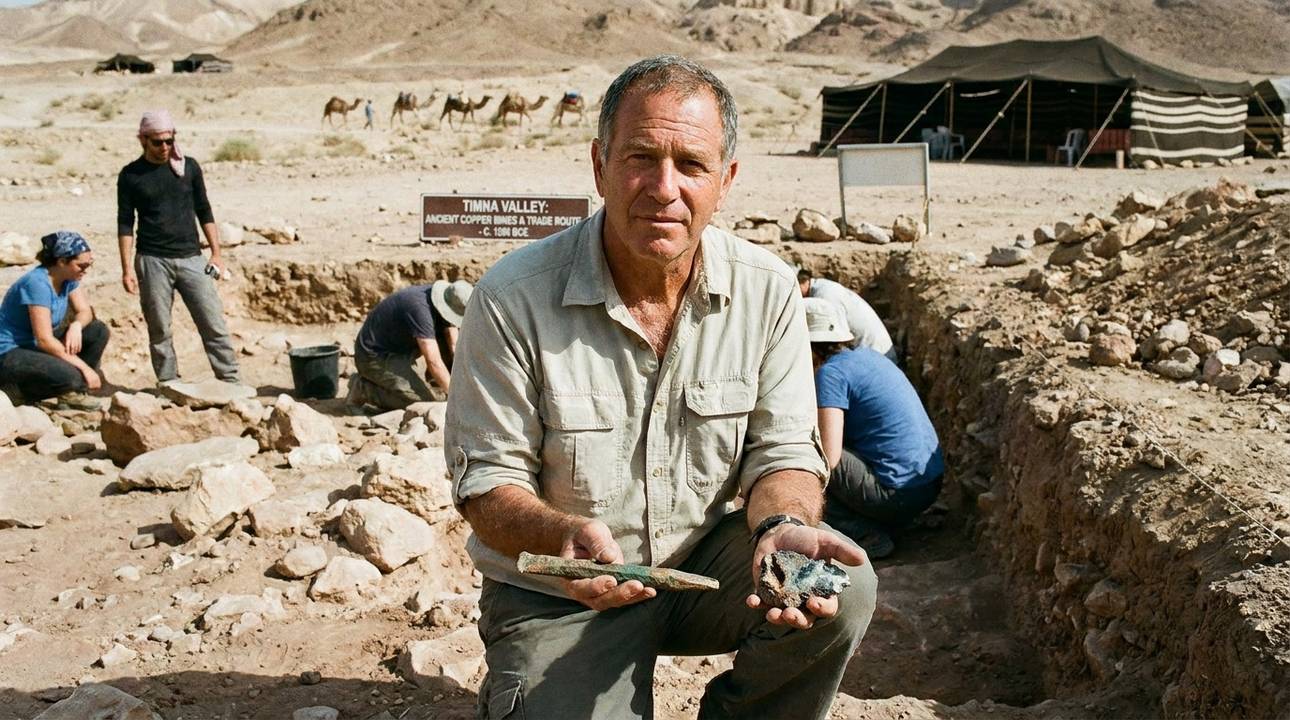
Though the Edomites no longer exist as a separate people, their mark on the region lasted. They were skilled copper miners, as finds in the Timna Valley and nearby sites show.
Trade, metalwork, and a prime location made Edom a real power in its day. Its roads linked Arabia with the lands along the Mediterranean.
This position let Edom shape both trade and culture around it. Digs have turned up objects that reveal how far its trade networks reached.
These finds show that Edom mattered in real life, not only in old stories. It played a steady role in the ancient Near East.
Edom’s dealings with Israel and other peoples show how tangled the region’s history was. The book of Numbers records that Edom once refused to let Israel pass through its land.
Edom also had ties and quarrels with nearby nations such as Moab and Ammon. Together, these stories help us understand how ancient neighbors lived, traded, and clashed.
Understanding the Edomites
