
The Life and Death of King Herod in the Bible
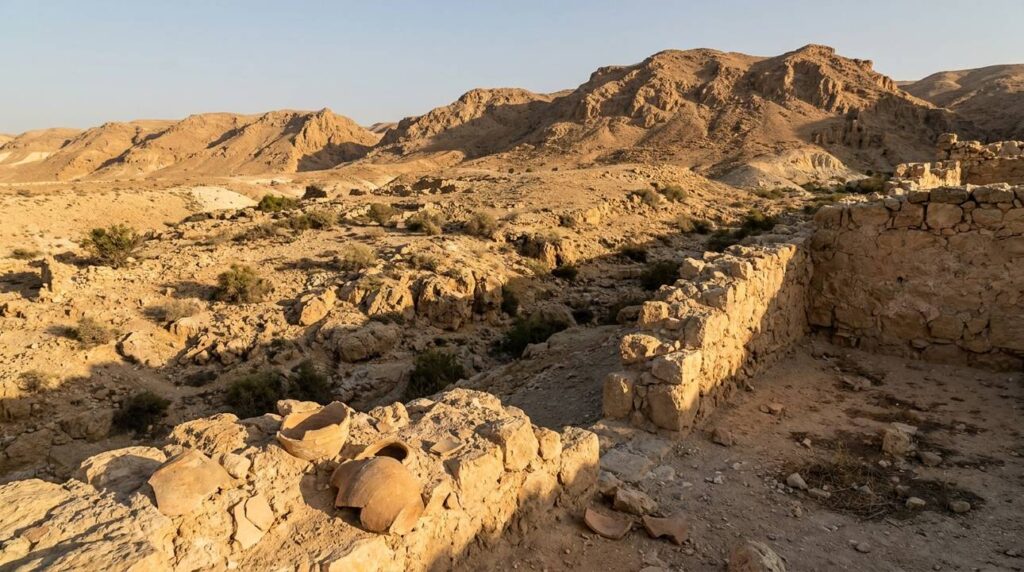

King Herod, often referred to as Herod the Great, was a significant figure in the Bible and history, known for his grand architectural projects such as the expansion of the Second Temple in Jerusalem.
His political maneuvers were complex, involving alliances with Roman leaders like Mark Antony and Augustus. Herod’s life story, including his tumultuous reign and mysterious legacy, continues to captivate historians and scholars.
His ability to maintain power amidst cultural tensions is a key aspect of his historical significance.
In this article, we will delve into King Herod’s origins, his monumental achievements, and the curious circumstances surrounding his death, as depicted in historical accounts by figures like Josephus.
Herod’s reign offers a window into the challenges of leadership during a period of great change in the ancient world. His alliances with Rome were crucial in securing his position, despite the controversies that surrounded his rule.
Herod’s architectural achievements remain a testament to his ambitious vision for Judea.
from the Western Wall to Masada.

Who Was King Herod?
Herod, often called Herod the Great, ruled Judea from 37 to 4 BCE. Known for his political acumen, he secured the favor of Rome, which helped him maintain his throne. His alliances with figures like Mark Antony and later Augustus Caesar solidified his position as a client king under Roman rule.
Although his time in power was marked by significant architectural achievements, such as the renovation of the Second Temple in Jerusalem, Herod was also known for his paranoiac tendencies and ruthless actions.
His origin has sparked debates. Some accounts portray him as an Edomite (Idumean) who converted to Judaism. This background played a role in his controversial position among the Jewish people, who viewed him with suspicion.
Herod’s ability to navigate the complex political landscape of his time highlights his skill as a leader, despite his often brutal methods. His rule is a testament to the challenges of maintaining power amidst cultural and religious tensions.
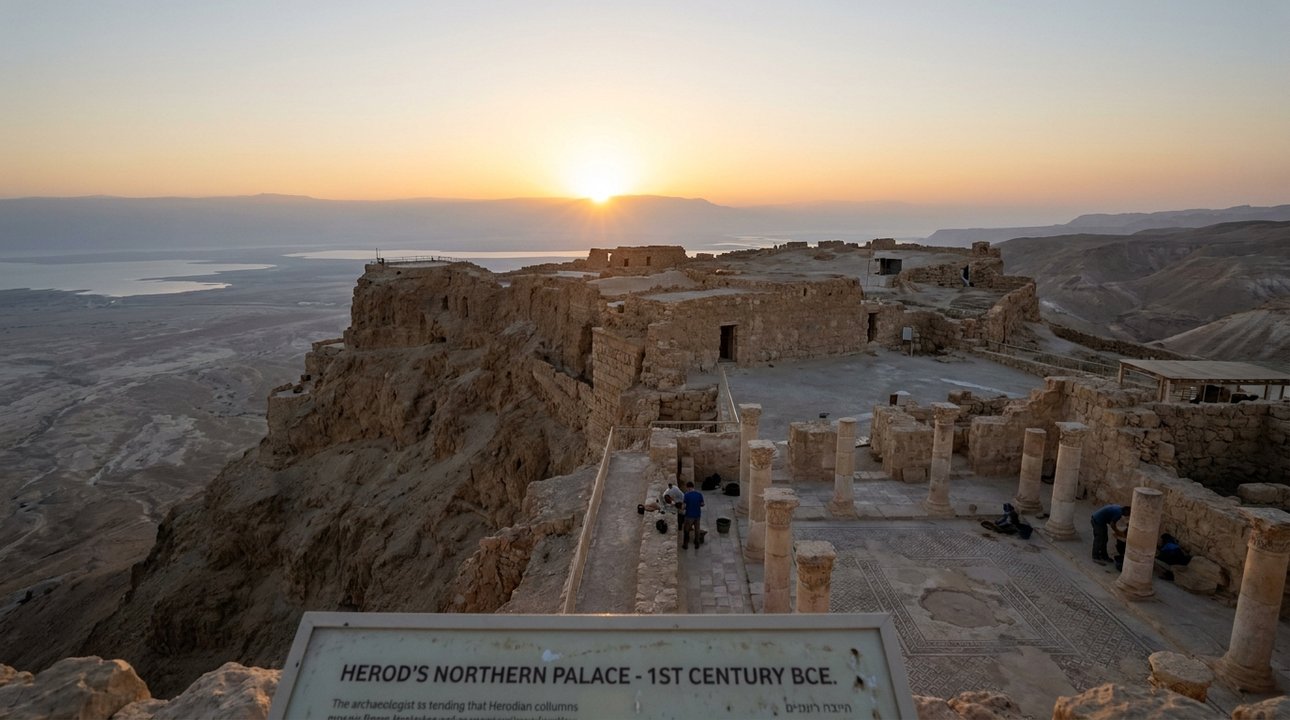
King Herod’s rule was filled with both grand achievements and severe actions. He is credited with monumental constructions like the port city of Caesarea, named after Augustus Caesar, and the fortress at Masada, a symbol of Jewish resistance.
His architectural prowess is also evident in the renovation of the Second Temple in Jerusalem, a project that endeared him to some and alienated others.
However, his time as king was also marked by extreme measures to secure his power, including the execution of several family members, such as his wife Mariamne and sons Alexander and Aristobulus.
These actions have been documented both in biblical accounts and historical sources like those of Josephus, illustrating a complex legacy. Herod’s dual nature as a builder and a tyrant continues to captivate historians.
His legacy is a study in contrasts, where his contributions to infrastructure and culture are overshadowed by his ruthless consolidation of power.
Herod in the Bible: Edomite Origins?
The question of whether King Herod was an Edomite is an intriguing aspect of his identity. Historical sources, including those by Flavius Josephus, indicate his family descended from Idumeans, people from the region of Edom, which is south of Judea.
The Edomites were historically adversaries of the Israelites, adding complexity to Herod’s position. The Edomites converted to Judaism under Jewish Hasmonean rulers, which added layers to Herod’s complex relationship with the Jewish population.
His legacy within the Bible and beyond raises discussions on identity, authority, and religious adherence. Herod’s rule was often seen as a compromise between his Idumean heritage and his role as a Jewish king. These elements contribute to his enigmatic portrayal in history.
The blending of cultural and religious identities in Herod’s life underscores the complexities of leadership in a diverse society.
Herod’s Edomite descent and subsequent conversion to Judaism created tension among his subjects. This lineage was sometimes used to question his legitimacy as a ruler in Jewish contexts, as Edomites were traditionally seen as outsiders.
His life has been chronicled by historians like Josephus, who provide insight into his complex familial and political backdrop, including his marriage alliances and Roman connections.
Herod’s political maneuvers often involved strategic marriages, such as his union with Mariamne I, a Hasmonean princess.
This historical complexity adds to the intriguing debates around Herod’s character and rule. An understanding of his background offers a glimpse into the socio-political landscape of the era, illustrating the challenges of maintaining power amidst cultural and religious tensions.
Herod’s ability to navigate these challenges is a testament to his political acumen, despite the controversies surrounding his time as king. His alliances with Roman leaders like Augustus were crucial in maintaining his position.

Herod’s Death: Biblical and Historical Accounts
The circumstances of King Herod’s death have been a topic of speculation. Historical records, chiefly by Josephus, suggest he suffered from a painful and prolonged illness, possibly gangrene or kidney disease, which caused immense suffering.
His death around 4 BCE marked the end of a turbulent reign, and it was allegedly followed by great public relief due to his brutal rule. While the Bible doesn’t specify the exact cause of Herod’s death, his demise signified a pivotal moment in Judean history.
The period after his death saw the division of his kingdom among his sons, Archelaus, Antipas, and Philip, shifting the political landscape. This division led to further instability and eventually Roman annexation.
Herod’s death serves as a reminder of the transient nature of power and the lasting impact of his decisions on the region’s history. His rule, marked by both architectural achievements and political turmoil, reflects the complexities of leadership during a time of great change.
Josephus, a first-century Jewish historian, provides a detailed account of King Herod’s final days, describing symptoms that modern scholars interpret as possibly indicating chronic kidney disease or Fournier’s gangrene.
These analyses help paint a detailed picture of Herod’s final days, consistent with the historical context provided by contemporary and later sources.
The accounts of his suffering and decline offer a window into the medical understanding of the time, reflecting the limited knowledge and treatments available during that era.
Such descriptions align with the portrayal of Herod’s declining health as a reflection of his turbulent rule. His physical deterioration is often seen as symbolic of the political and social unrest that characterized his time in power.
This insight sheds light on the broader narrative of his life and legacy, illustrating the physical and political decay that marked his final years. Herod’s health issues, as described by Josephus, highlight the harsh realities of leadership during his era.
from the Western Wall to Masada.

Herod’s Legacy
The legacy of King Herod is multifaceted. His time as king is remembered for immense architectural achievements, including the grand expansion of the Second Temple in Jerusalem, a project that solidified his reputation as a master builder.
The temple’s grandeur was meant to reflect the glory of Judea under his rule. Herod’s construction projects, such as the fortress at Masada and the port city of Caesarea Maritima, demonstrated his ambition and vision for the region.
Despite these successes, his actions towards his political adversaries and even his own family contribute to a darker aspect of his memory. His rule represents the enduring complexity of power and its impacts on history.
This dual nature encapsulates the discussion around his legacy as both a builder and a despot, reflecting the tensions between his public achievements and private cruelties. Herod’s execution of his sons, Alexander and Aristobulus, highlights the paranoia that marked his time as king.
Herod’s architectural contributions, such as the Herodium and the Temple Mount, are tangible legacies that still stand today. The Herodium, a fortress and palace complex, served as a symbol of Herod’s power and ambition.
However, his political tactics, often involving brutal suppression of dissent and familial strife, paint a more ominous picture of his governance. His rule provides a fascinating study of leadership, ambition, and the historical setting of Judea during Roman occupation.
Herod remains a figure whose story resonates well beyond his time, reflecting challenges of authority and identity. Exploring these facets helps illuminate both ancient and modern reflections on leadership, highlighting the complex interplay of power and legacy.
His ability to maintain control amidst cultural and religious tensions is a testament to his political acumen, despite the controversies that surrounded his rule.
Conclusion: King Herod’s Impact on History
King Herod’s story is one of contradiction and complexity. His architectural visions, such as the fortress at Masada and the port city of Caesarea Maritima, paved the way for remarkable developments in Judea.
These constructions not only showcased his ambition but also served strategic military and economic purposes. Conversely, his tyrannical methods, including the execution of several family members, reveal the harsh realities of his rule.
His life and death offer insights into historical, religious, and political dynamics.
Herod’s legacy endures not only through his constructions but also in the intriguing historical narrative he left behind, marked by both innovation and infamy. His time as king during the Roman occupation of Judea highlights the complexities of maintaining power in a diverse and often hostile environment.
The dual nature of his legacy, as both a builder and a tyrant, reflects the challenges of leadership and the lasting impact of his decisions on Jewish history.
Understanding Herod’s impact allows for a deeper appreciation of the interplay between power, identity, and history. His story exemplifies the multifaceted nature of leadership and its diverse consequences.
Herod’s reign was marked by both architectural triumphs and political turmoil, reflecting the complexities of his rule. Through his story, we gain perspective on the evolving narrative of Jewish history and identity.
The exploration of Herod’s life invites us to reflect on historic complexities and their enduring influence.
The enduring structures he left behind, such as the Herodium, serve as reminders of his ambitious projects. His time as king is a testament to the challenges faced by leaders in balancing ambition with ethical governance.
Herod’s ability to maintain power amidst cultural and religious tensions is a key aspect of his legacy. His architectural achievements, combined with his political strategies, illustrate the dual nature of his rule, marked by both innovation and infamy.
Frequently Asked Questions about King Herod
