
Exploring Falafel: A Deep Dive into Its Cultural and Culinary Roots
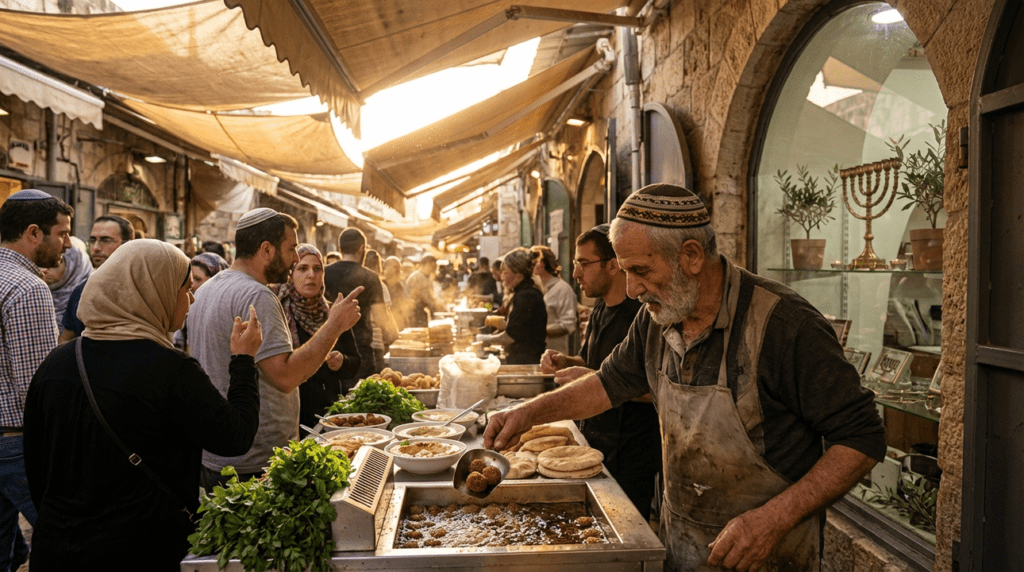

Falafel is a beloved staple in Israeli cuisine, cherished for its crunchy texture and rich flavors. This article explores the journey of falafel, tracing its roots and significance in both Jewish and Israeli cultures.
Historically, falafel is thought to have originated in Egypt, possibly linked to the Coptic Christian community, who might have eaten it during Lent as a meat substitute. We will delve into its history, culinary evolution, and how it became synonymous with Israeli identity.
From its humble beginnings to its status as a national dish, falafel’s story is one of adaptation and cultural fusion.
The exploration of falafel reveals how it embodies the spirit of Israeli innovation and tradition. Falafel‘s story is one of cultural exchange and adaptation, reflecting the diverse tapestry of Israeli society.
Israeli Cookbook
Inspired by the Farms of Israel

The Origins of Falafel
Falafel’s origins are a subject of much debate among food historians. While it’s widely associated with Middle Eastern cuisine, some trace its roots back to Egypt as a form of ta’amiya made with fava beans.
The Egyptian connection is supported by historical texts like those in Isaiah 19:19-21, which reference the region’s rich agricultural practices. Its migration to Israel is seen as part of a broader culinary journey, reflecting the diverse influences that shape Israeli food.
This journey mirrors the movement of peoples and ideas across the Mediterranean.
The dish’s journey is reminiscent of the Israelites’ travels through the desert, carrying their traditions with them (Exodus 16:35). Falafel’s evolution into a staple of Israeli cuisine showcases the blending of diverse culinary influences.
In Israel, falafel took on a new life, becoming a symbol of local culture and identity. This transformation was influenced by the diverse Jewish communities who brought their own flavors and traditions. The Sephardic, Ashkenazi, and Mizrahi Jews each contributed to its rich tapestry.
In Israel, falafel took on a new life, becoming a symbol of local culture and identity. This transformation was influenced by the diverse Jewish communities who brought their own flavors and traditions. The Sephardic, Ashkenazi, and Mizrahi Jews each contributed to its rich tapestry.
It illustrates the melting pot nature of Israeli cuisine, where global influences come together. This culinary diversity is akin to the biblical gathering of tribes in Deuteronomy 33:5, where unity was found in diversity.
The evolution of falafel mirrors the country’s history of migration and cultural exchange, much like the biblical story of Ruth, who embraced new traditions in a foreign land. Ultimately, falafel’s journey highlights the rich tapestry of Israeli identity.
Falafel’s Role in Israeli Culture
Falafel quickly became more than just a dish in Israel; it is a cultural emblem. It’s often served in pita with salads and drizzled with tahini, making it a complete meal that’s both satisfying and affordable. This combination is reminiscent of the biblical hospitality shown in Genesis 18:6-8.
This accessibility further cemented its status as an everyday favorite among Israelis. The simplicity and affordability of falafel make it a staple in Israeli households, much like the bread and olive oil of ancient times.
Its enduring popularity reflects its delicious simplicity and connection to Israeli culture. Falafel’s appeal lies in its ability to unite people through shared culinary experiences.
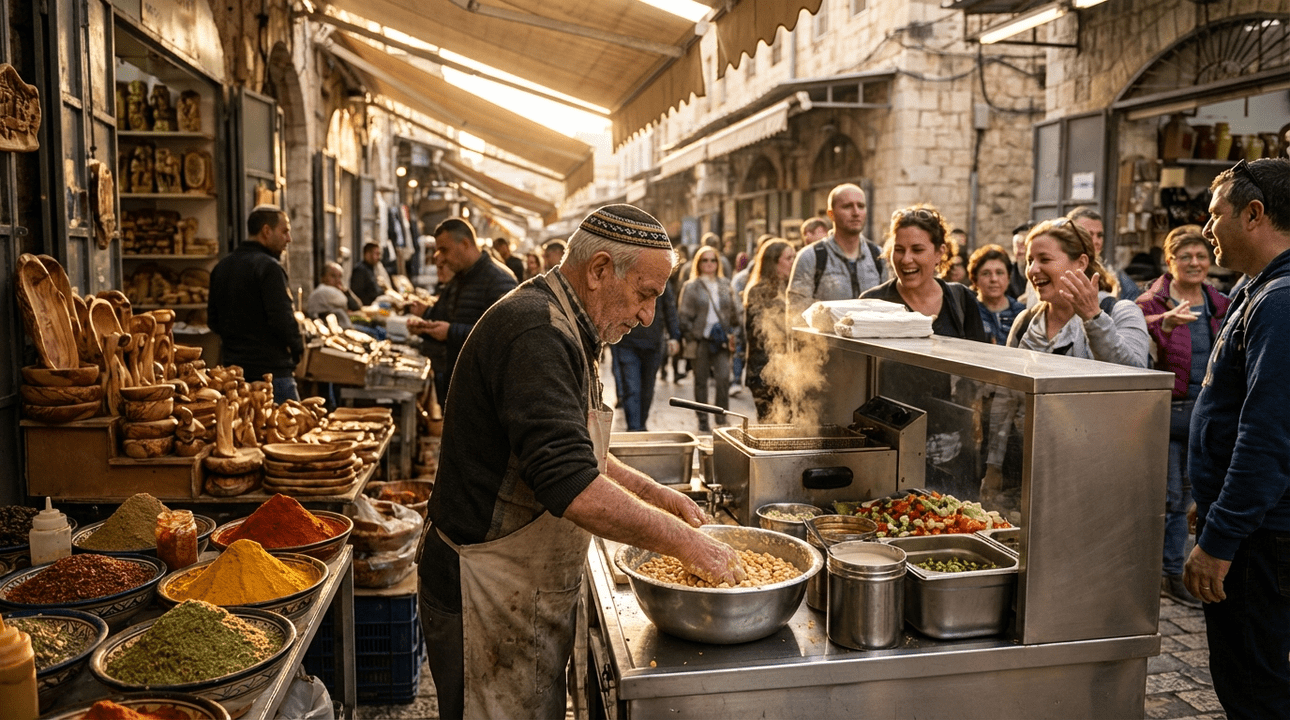
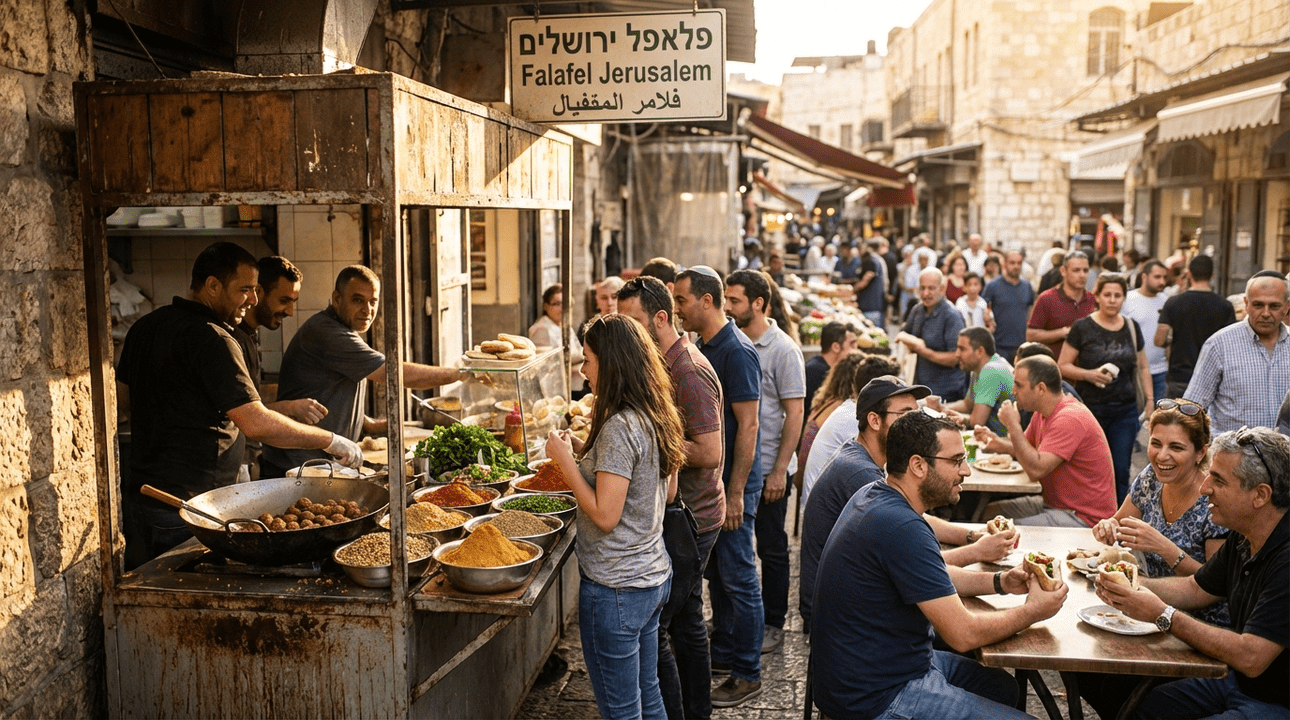
In modern times, falafel stands continue to be a common sight across Israel, representing the heart of Israeli street food. This vibrant scene is reminiscent of the bustling markets described in Nehemiah 13:15-16, where traders and vendors filled the streets with their goods.
In modern times, falafel stands continue to be a common sight across Israel, representing the heart of Israeli street food. This vibrant scene is reminiscent of the bustling markets described in Nehemiah 13:15-16, where traders and vendors filled the streets with their goods.
The dish resonates with both locals and tourists, offering a taste of Israel’s culinary heritage. Whether in Tel Aviv or Jerusalem, the aroma of freshly fried falafel invites people to indulge and connect with the rich flavors of the region.
This dish serves as a reminder of the country’s diverse culinary history. Ultimately, falafel brings people together, celebrating the joy of sharing food and cultural heritage.
Making Falafel at Home: A Recipe to Try
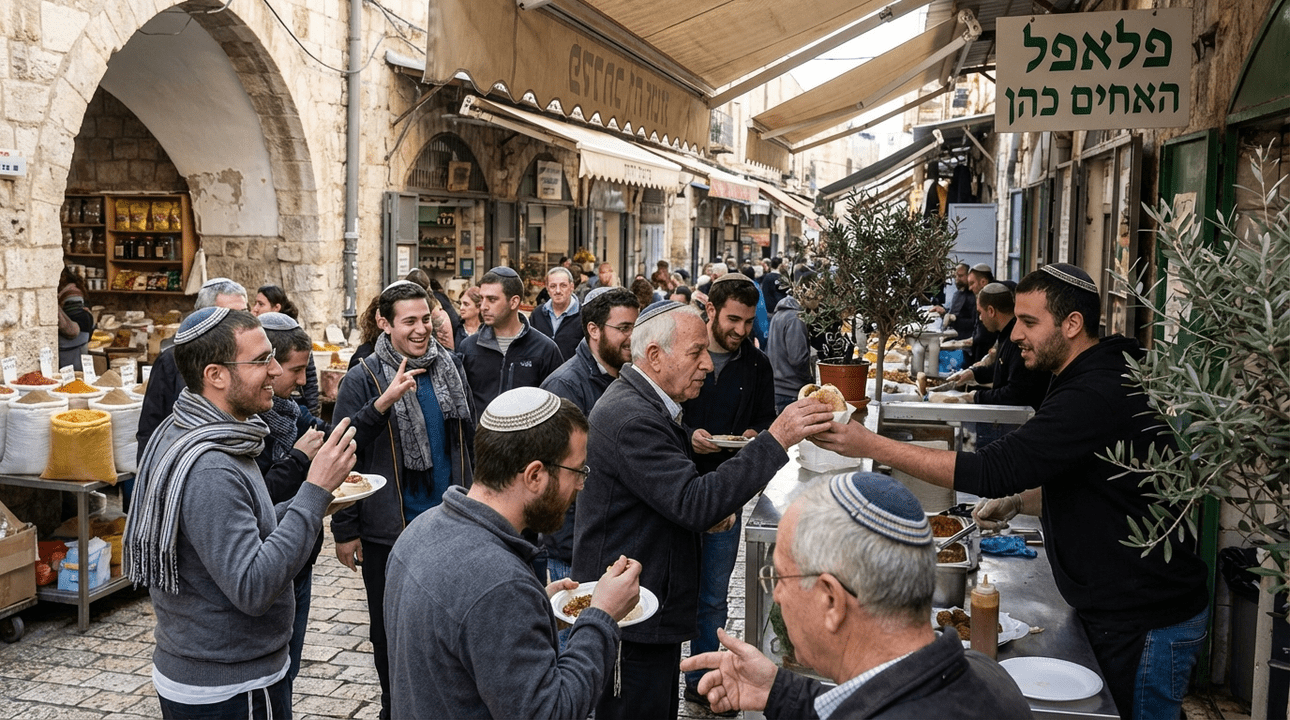
Making falafel at home is a simple and rewarding experience. The key ingredients include chickpeas, fresh herbs, and spices, providing a balanced and flavorful bite. Chickpeas, also known as garbanzo beans, have been cultivated since biblical times, as seen in 2 Samuel 17:28.
Start by soaking the chickpeas overnight, then blend with herbs like parsley, cilantro, and mint for added freshness. This process ensures a texture that is both smooth and hearty, capturing the essence of traditional falafel.
This accessibility invites everyone to enjoy this iconic dish, much like the shared meals described in the story of the Passover (Exodus 12:8). The simplicity of falafel makes it a beloved dish that connects people to Israel’s rich culinary traditions.
Season with cumin, coriander, and garlic, then form into balls or patties. These spices have been cherished for centuries, with cumin mentioned in Isaiah 28:25 as a valuable crop. Fry until golden brown, which ensures a crispy exterior and a soft, flavorful interior.
Israeli Cookbook
Inspired by the Farms of Israel
Season with cumin, coriander, and garlic, then form into balls or patties. These spices have been cherished for centuries, with cumin mentioned in Isaiah 28:25 as a valuable crop. Fry until golden brown, which ensures a crispy exterior and a soft, flavorful interior.
This method of frying is similar to ancient techniques used in the Middle East. Serve in pita bread with Israeli salad and a generous drizzle of tahini sauce. Tahini, made from sesame seeds, is also referenced in ancient texts, highlighting its long-standing culinary use.
The Evolution of Falafel in Israel
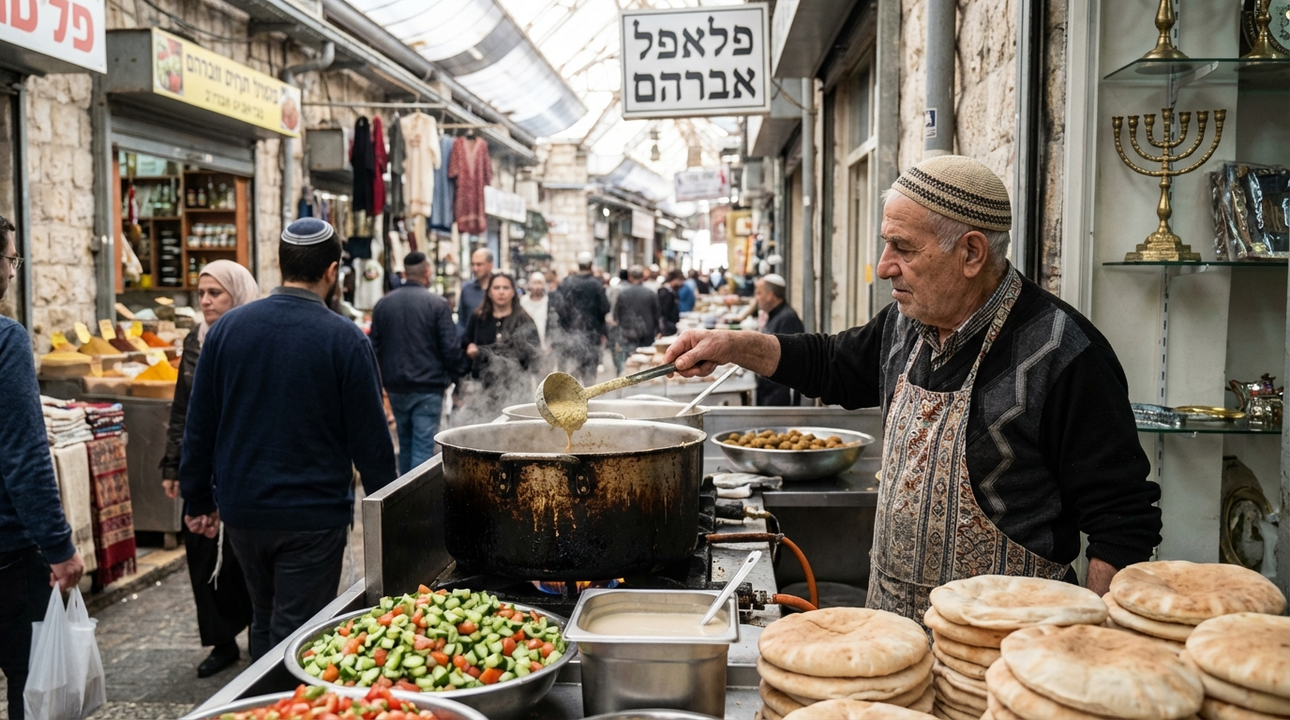
Falafel’s evolution in Israel is a testament to its adaptability and appeal. What began as a humble street food has grown into a gourmet offering, with variations incorporating diverse spices and fillings. Each version tells a story of cultural exchange and culinary innovation.
Every region in Israel offers its own unique twist, adding to the dish’s excitement. From the spicy falafel of Tel Aviv to the herb-infused varieties of Jerusalem, each bite offers a taste of local history and tradition.
Each variation tells a story of cultural exchange, much like the Israelites’ journey to the Promised Land. Falafel embodies the spirit of unity in diversity, offering a taste of Israel’s rich cultural heritage.
Some vendors experiment with fusion versions, mixing traditional ingredients with modern tastes. For instance, adding avocado or sweet potato to the mix. This creativity reflects contemporary Israeli culture, where innovation is celebrated while honoring historical roots.
Some vendors experiment with fusion versions, mixing traditional ingredients with modern tastes. For instance, adding avocado or sweet potato to the mix. This creativity reflects contemporary Israeli culture, where innovation is celebrated while honoring historical roots.
The blend of old and new is much like the biblical account of Solomon’s Temple in 1 Kings 6:7, where ancient stones were combined with new materials. The dish evolves, yet remains firmly linked to tradition.
This balance of old and new can be seen in many aspects of Israeli society, much like the ancient city of Jerusalem, which blends historical sites with modern life.
This culinary evolution is akin to the story of King Solomon, who welcomed diverse influences to build a prosperous kingdom (1 Kings 10:23-25). Falafel continues to delight locals and visitors alike with its harmonious blend of tradition and innovation.
Frequently Asked Questions about Falafel
Modern falafel is found in various forms worldwide, illustrating its global reach and adaptation. From New York to Tokyo, falafel stalls are a common sight, offering a taste of the Middle East. It continues to serve as a delicious introduction to Middle Eastern flavors for many individuals.
Falafel’s popularity is a reflection of its versatile and inclusive nature. This adaptability is reminiscent of the diverse cultures that have influenced Israeli cuisine, much like the varied tribes of Israel described in Numbers 1:52.
Whether consumed in a bustling Israeli market or prepared at home, falafel delivers a satisfying culinary experience. This dish is often enjoyed in the company of friends and family, much like the communal meals described in Exodus 12:4 during Passover.
It’s a dish that brings people together, bridging cultures through shared taste and tradition. The simplicity of falafel, combined with its rich flavors, makes it a universal favorite that transcends cultural boundaries.
This adaptation reflects the agricultural practices in the region, similar to the biblical story of Joseph, who managed Egypt’s grain during a famine (Genesis 41:48-49). Falafel’s enduring popularity unites people through the joy of eating.
Falafel: Origins and Cultural Impact
