
Discovering Modern Day Capernaum: A Journey by the Sea of Galilee
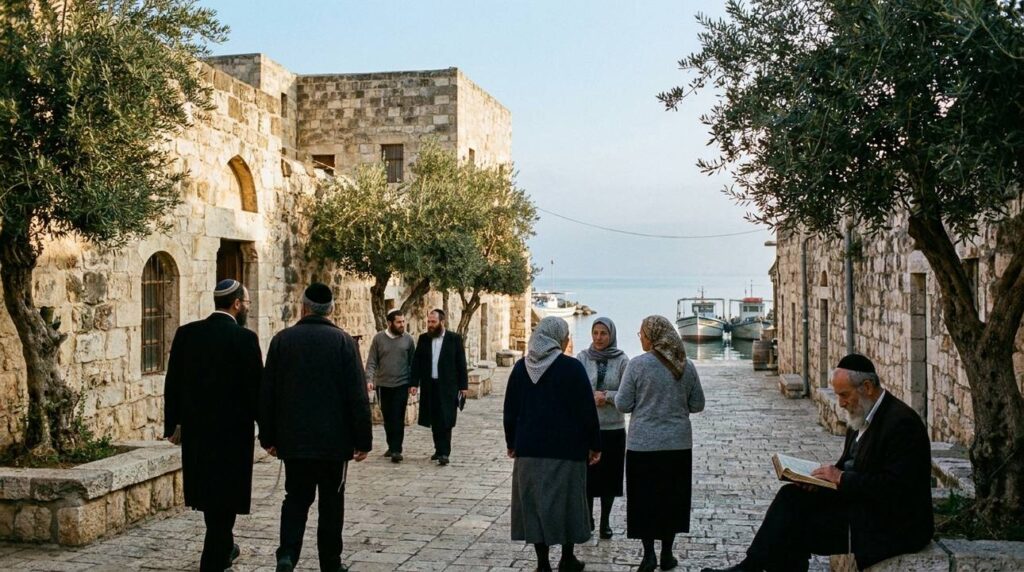

Capernaum, located on the northern shore of the Sea of Galilee, unveils a remarkable journey through time. This ancient village was once central to daily life in Galilee and is mentioned in the Bible in several contexts, such as in the book of Joshua 19:35, which lists it as a fortified city in the region.
Today, it continues to attract visitors with its captivating history and serene beauty. The village’s archaeological remains, including ancient synagogues and homes, offer a glimpse into the past, much like the ruins of ancient Jericho.
In this exploration, we delve into the essence of modern day Capernaum, uncovering the stories and places that make it unique in the landscape of Israel. The site is part of the larger Galilee region, which has been a focal point for many historical events, including those involving figures like Deborah and Barak in Judges 4:6-16.
Visitors can walk through the ruins and imagine the vibrant life that once filled its streets. This makes it a place where history and modernity intertwine seamlessly, offering insights into ancient and contemporary life.
The Historical Significance of Capernaum
Capernaum, originally mentioned in ancient texts, served as a bustling settlement along the Sea of Galilee. The village provided a crucial link in the trade routes of antiquity. Its strategic location ensured economic prosperity for its residents, who thrived off fishing and agriculture.
Descriptions of Capernaum in sources such as Josephus reveal its influence. As a hub of activity, it connected neighboring regions and fostered cultural exchanges. These interactions brought a vibrant atmosphere, reflected in the archaeological finds uncovered there today.
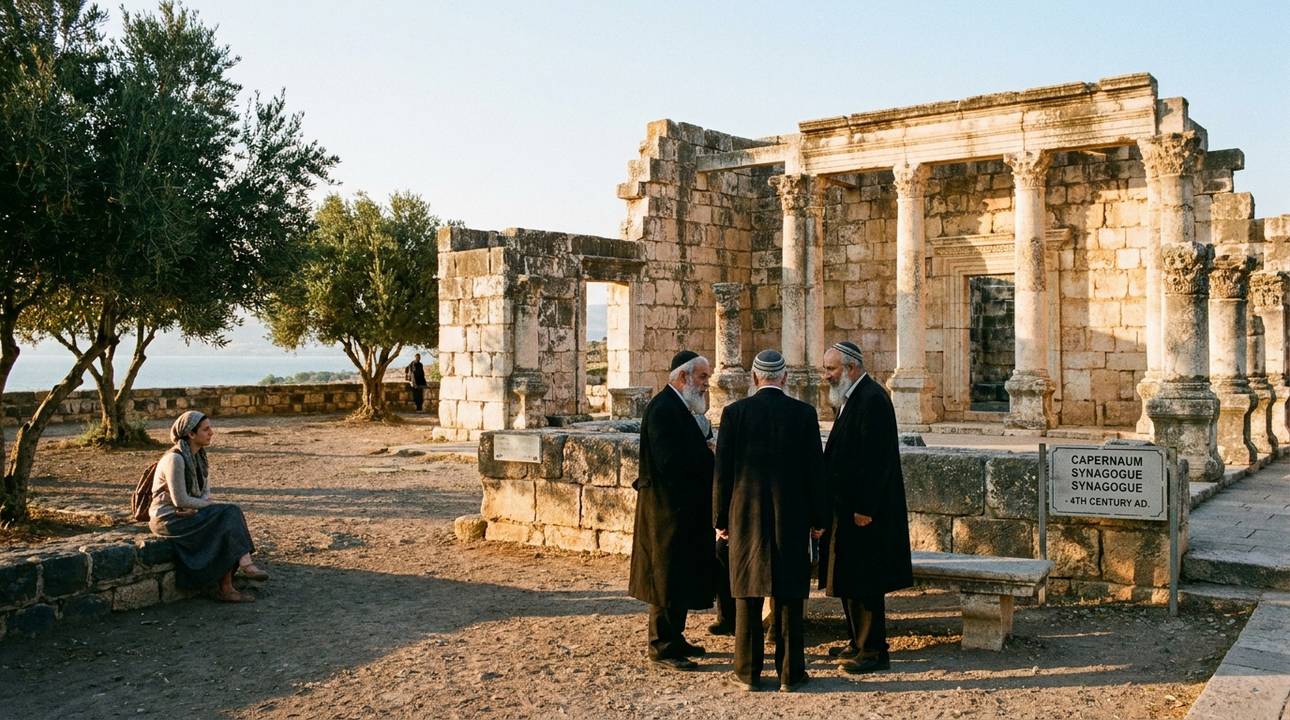
The Synagogue of Capernaum, an honorable testament to its historical prominence, once stood as a beacon of communal and religious life. Its limestone remains draw interest from scholars and tourists eager to learn more about life in this pivotal region.
Where Is Modern Day Capernaum?
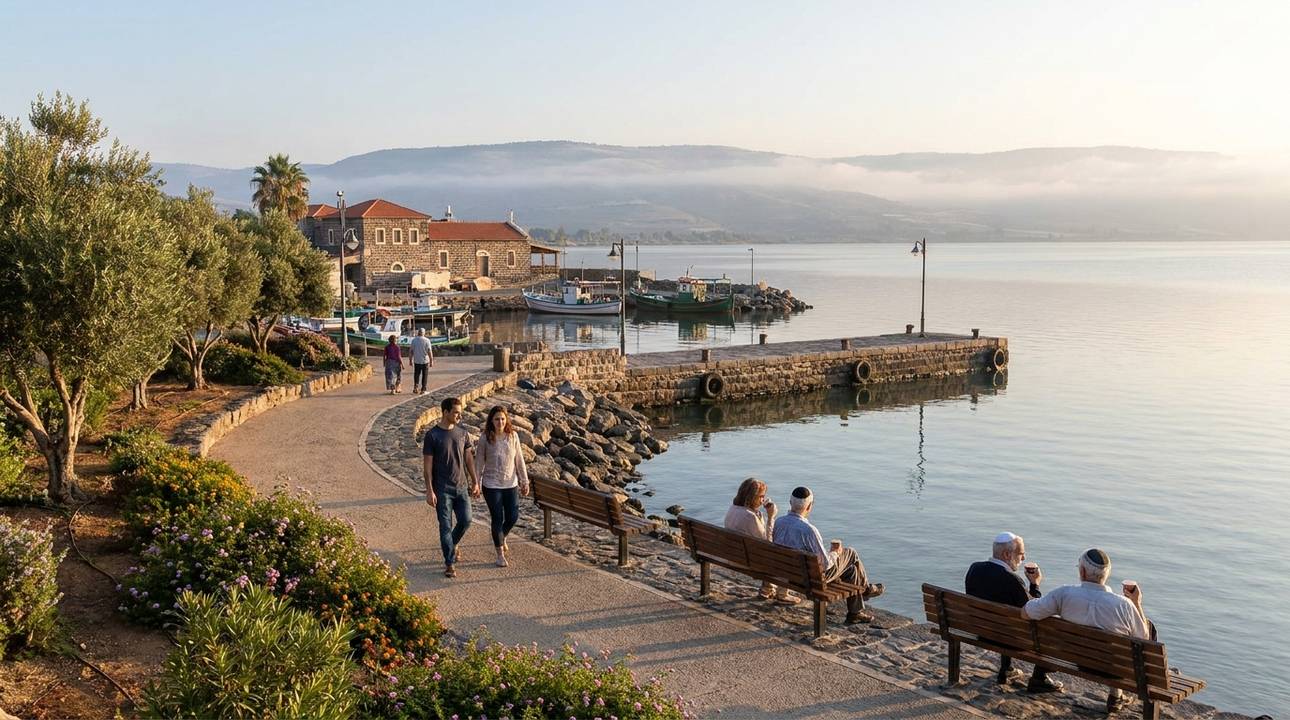
Modern Capernaum lies close to its ancient counterpart, nestled near the crystal-clear waters of the Sea of Galilee. Its position offers breathtaking views that captivate the hearts of visitors. The environs maintain a rustic charm that echoes the tranquility of its past.
Today, it is accessible via major routes that connect the Galilee region to other parts of Israel. This accessibility ensures that Capernaum remains a popular stop for those traveling through northern Israel, offering insight into a piece of the nation’s woven history.
Nearby, the lush landscapes and abundant flora are testament to the area’s enduring fertility. The natural beauty complements its historical significance, making modern Capernaum a harmonious blend of past and present.
Visiting Capernaum: A Cultural Experience
For many travelers, visiting Capernaum provides a moment of cultural enrichment and reflection. The site’s curated pathways guide visitors through ancient ruins, offering a glimpse into historical daily life. The houses, once bustling with activity, lie as stones placed in patterns, telling tales of families that lived by the sea.
Walking through, one may envision the hustle and bustle that characterized this once-thriving community. The remains of ancient olive presses and fishing equipment reveal the economic activities that sustained the village.
Guided tours enrich the experience, provided by local experts keen to share knowledge about Capernaum’s place in the historical tapestry of Israel. These visits often highlight the stories behind the stones, letting ancient voices speak to modern hearts. References to texts such as Judges 4:6-16 bring these stories to life.
The guides often reference historical texts and archaeological findings to paint a vivid picture of life in ancient Galilee. This makes the experience both educational and emotionally resonant for visitors, connecting them to the past.
The Synagogue: Center of Community
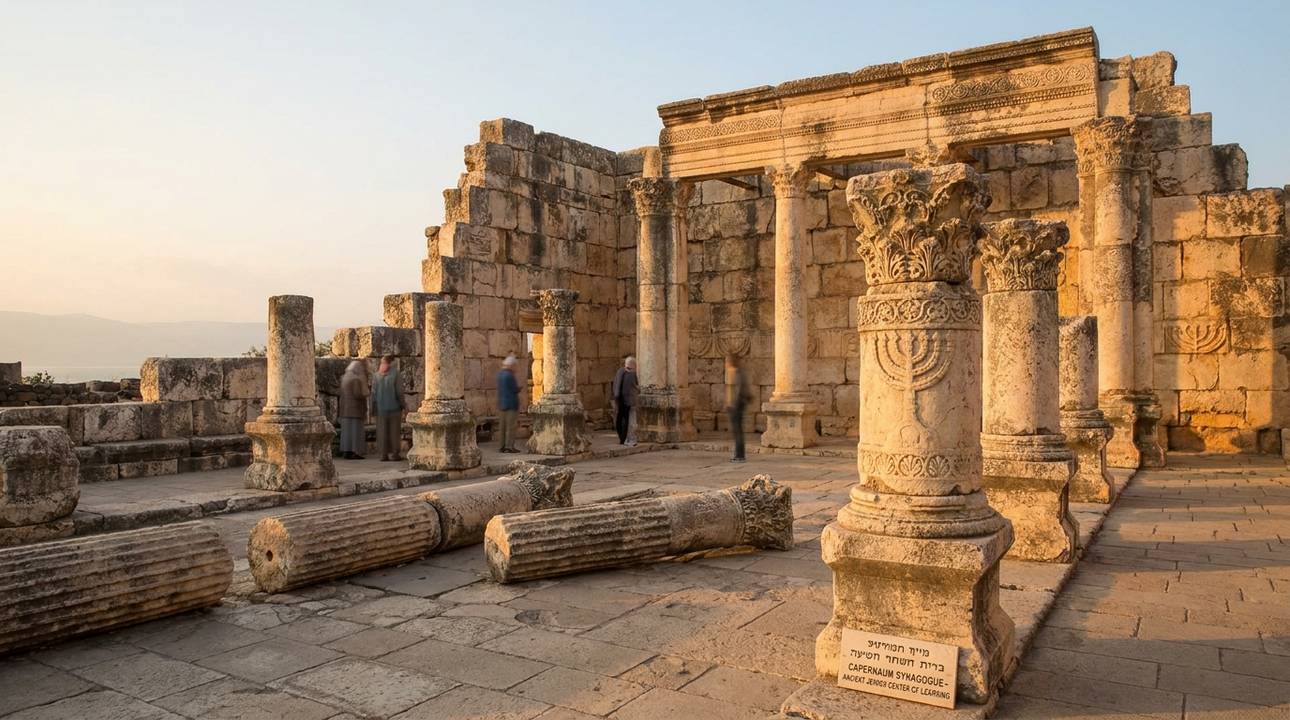
Capernaum’s grand synagogue stands as an architectural marvel. Built with imported stones, it exemplifies the craftsmanship of its time. Archaeological studies suggest that it might have been constructed over an earlier structure, adding layers to its storied past.
The synagogue served as a focal point for learning and worship, gathering the community for both daily interactions and significant events. The rich decor and remnants of pillars indicate its role as a significant cultural and religious center.
Visiting this site offers a tangible connection to the past. The reclining pillars and intricately decorated fixtures invite contemplation of the lives shaped within its walls, reflecting the continuity of culture and tradition.
The Importance of Capernaum to Israeli Tourism
In contemporary Israel, Capernaum plays a vital role in tourism, attracting thousands. As a part of the ‘Christian pilgrimage trail’, it invites visitors from around the globe to explore its archaeological wonders. The site is meticulously maintained, ensuring that future generations can continue to recognize its importance.
Restoration efforts seek to preserve its heritage while enhancing accessibility and educational value. Archaeologists have uncovered remains dating back to the 1st century BCE, providing insights into ancient life and culture.
Tourism here fosters local economies by supporting nearby businesses. Visitors enjoy local cuisine and artisanal goods, creating a symbiotic relationship that thrives on shared cultural appreciation. The area’s rich history is complemented by its natural beauty, with the Sea of Galilee offering a picturesque backdrop.
This combination of historical and natural attractions makes Capernaum a must-visit destination for those interested in both the past and present of Israel. It mirrors the blend of tradition and modernity found in other historic sites.
Preserving the Heritage of Capernaum
The preservation of Capernaum is a testament to international cooperation and respect for shared history. Efforts to maintain the site’s integrity involve local authorities and international scholars collaborating to ensure accurate representation. Archaeological digs continue to unearth new findings.
Recent discoveries include artifacts from the Roman period, shedding light on the interactions between different cultures in the region. These findings contribute to our understanding of ancient life, much like the excavations at Masada.
These endeavors extend beyond mere preservation; they foster a global understanding of cultural heritage. Capernaum’s legacy shines as a beacon of community, bridging the gap between past and future. The site is mentioned in historical texts such as Joshua 19:35, highlighting its significance in the region.
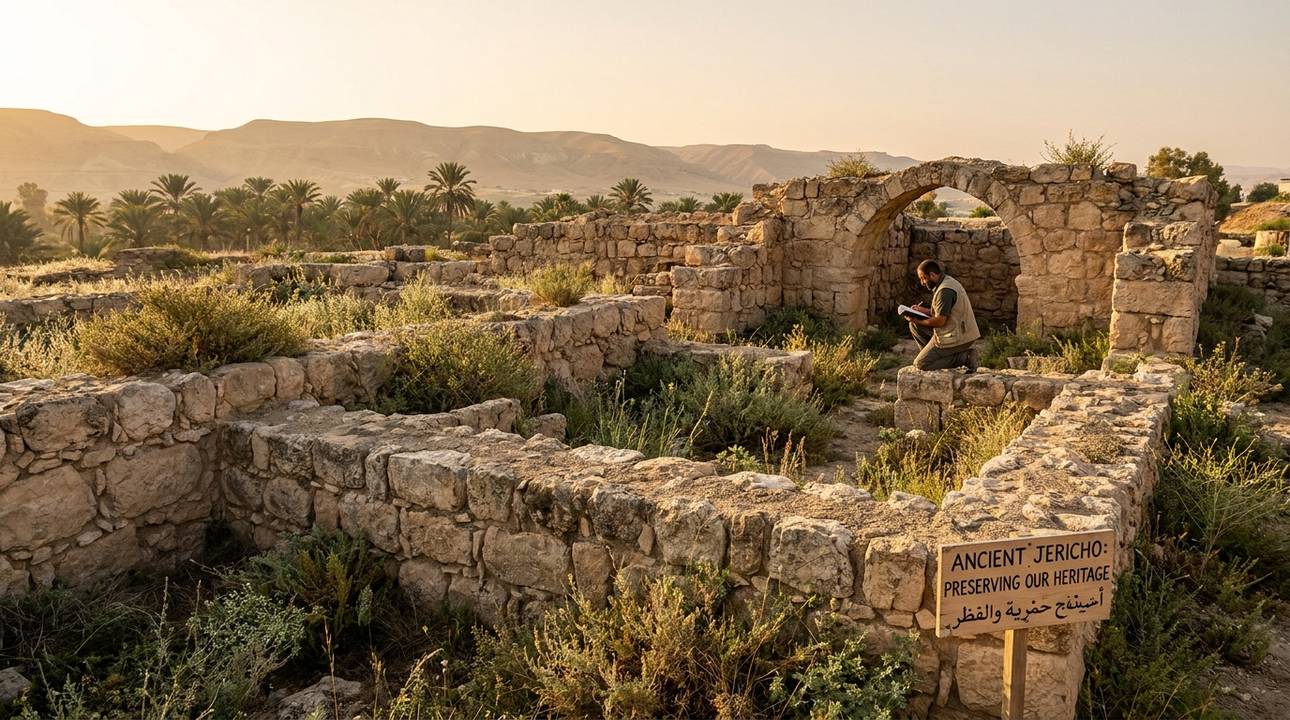
The ongoing research and conservation efforts underscore the importance of preserving historical landmarks for educational purposes. They ensure that the lessons of the past remain accessible to future generations, much like the ancient city of Jericho.
Capernaum’s Influence in Modern Culture
Beyond its historical value, Capernaum inspires modern culture and arts. Films, literature, and music draw upon its rich tapestry, portraying narratives woven with its historical threads. The village’s ambiance, resplendent with echoes of antiquity, continues to inspire artists and writers.
For instance, the ancient synagogue’s architecture influences modern design, while the stories of resilience and community resonate with global audiences. This fosters a sense of shared human experience, bridging past and present.
Capernaum exemplifies how history can inform creativity, using the past as a canvas upon which new tales are crafted. This ongoing dialogue between then and now enriches cultural landscapes across the world. The village’s influence can be seen in contemporary works that explore themes of community and survival.
These artistic endeavors draw parallels to the struggles and triumphs of ancient times, much like the stories of Deborah and Barak. They help keep the spirit of Capernaum alive in modern culture, inspiring new generations.
Connecting Past and Present in Capernaum
Capernaum’s blend of history and modernity offers a unique perspective on continuity. Visitors experience a journey that transcends temporal boundaries, connecting them with millennia-old stories. The village is mentioned in relation to events like the battle between the Israelites and the Canaanites in the book of Judges.
Through careful preservation and educational efforts, Capernaum serves as a living museum, engaging visitors in dialogue with the past. Its lessons remain relevant, informing both personal insights and broader cultural appreciation.
As we explore, Capernaum invites us to reflect on our place within the human narrative, forging connections through shared heritage and understanding. The preservation of sites like the ancient synagogue, which dates back to the 4th century, provides a tangible link to the past.
This continuity of history is vital for understanding how ancient communities lived and interacted. It offers lessons that resonate with our modern lives, encouraging a deeper appreciation of cultural heritage and its impact on contemporary society.
Travel and Heritage
