
Traditional Zucchini Kugel Delight
4 March 11:26
496
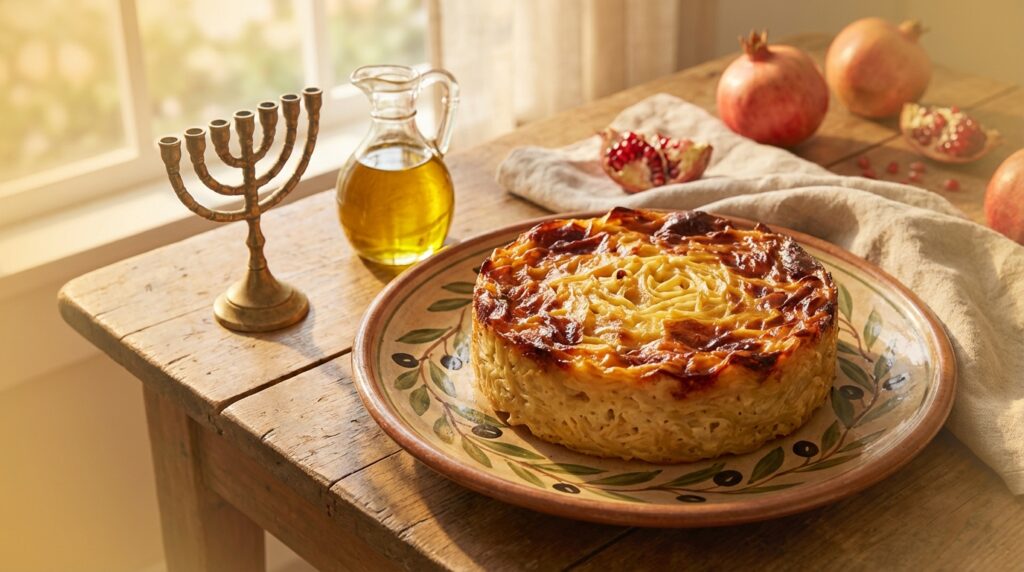

Originating in Eastern Europe, kugel has been a staple in Jewish households for centuries. Its name comes from the German word for ‘ball’ or ‘globe’, reflecting its original round shape. Traditionally, it was made from bread and flour, evolving over time to include noodles and potatoes.
The dish became particularly popular among Ashkenazi Jews, who adapted it to suit their tastes and available ingredients. Sweet versions with raisins and cinnamon became common, especially for Rosh Hashanah, symbolizing a sweet new year.
Kugel’s versatility allowed it to spread across Jewish communities worldwide, each adding their unique twist. In Israel, it’s often enjoyed as a savory dish with onions and pepper, while in America, sweet noodle kugel is a holiday favorite.
During Rosh Hashanah, kugel takes on special significance. The sweet variations, often featuring apples or honey, align with the holiday’s themes of sweetness and renewal. Families gather to enjoy this comforting dish, sharing stories and creating memories.
In many households, kugel recipes are passed down through generations, each family adding their personal touch. This connection to heritage and tradition makes kugel more than just a dish; it’s a link to the past and a celebration of continuity.
Today, kugel remains a beloved part of Jewish culinary tradition, cherished for its comforting flavors and the sense of togetherness it brings. Whether enjoyed during holidays or as a comforting meal, kugel continues to warm hearts and homes.
In contemporary kitchens, kugel has evolved to include a wide range of flavors and ingredients. From savory versions with spinach and cheese to sweet ones with chocolate chips, kugel adapts to modern palates while retaining its traditional roots.
This adaptability ensures that kugel remains relevant and loved, bridging the gap between old and new. It’s a dish that invites creativity, allowing cooks to experiment while honoring the essence of this cherished tradition.
As families continue to celebrate Rosh Hashanah and other occasions, kugel stands as a testament to the enduring nature of Jewish culinary heritage. It’s a dish that not only nourishes the body but also feeds the soul, connecting generations through shared flavors and experiences.