Traditional Israeli Bread Recipe
6 March 13:36
328
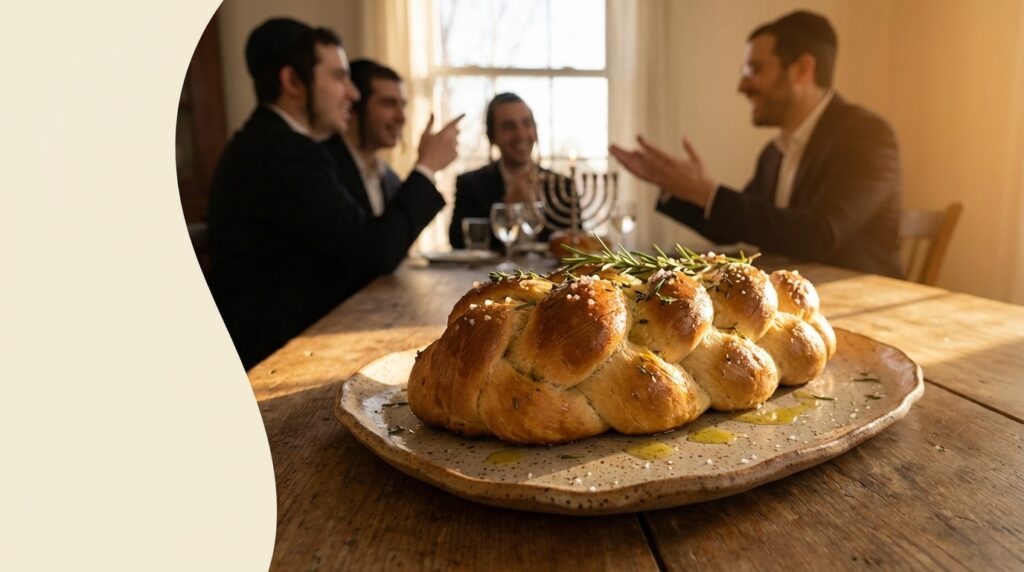

The origins of this bread trace back to ancient times when families would gather to celebrate special occasions. The bread was often baked in communal ovens, becoming a symbol of unity and togetherness. Its unique flavor and texture have been cherished through the ages, making it a beloved part of Israeli culinary heritage.
In the early days, ingredients were sourced locally, with families using what was available in their region. This led to variations in recipes, each with its own unique twist. The bread’s adaptability made it a versatile dish, suitable for both everyday meals and festive gatherings.
As time progressed, the tradition of baking festive bread was passed down through generations. Each family added their own touch, whether it was a special spice or a unique baking technique. This personalization kept the tradition alive, allowing it to evolve while maintaining its core essence.
Modern bakers have embraced the traditional recipes, often incorporating contemporary ingredients to suit modern tastes. Despite these innovations, the heart of the bread remains unchanged, continuing to evoke feelings of warmth and community.
Festive bread is not just a dish; it’s a celebration of culture and history. Each bite tells a story of resilience, creativity, and the enduring spirit of the Israeli people. It’s a reminder of the shared experiences that bind communities together, transcending time and place.
Whether enjoyed at a family gathering or a community event, festive bread serves as a delicious connection to the past. Its rich flavors and comforting aroma make it a centerpiece of any celebration, embodying the joy and togetherness that define Israeli culture.