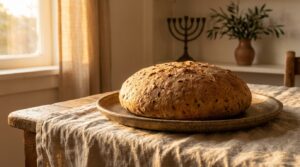
Celebrate Shavuot with Traditional Challah
6 March 13:33
246
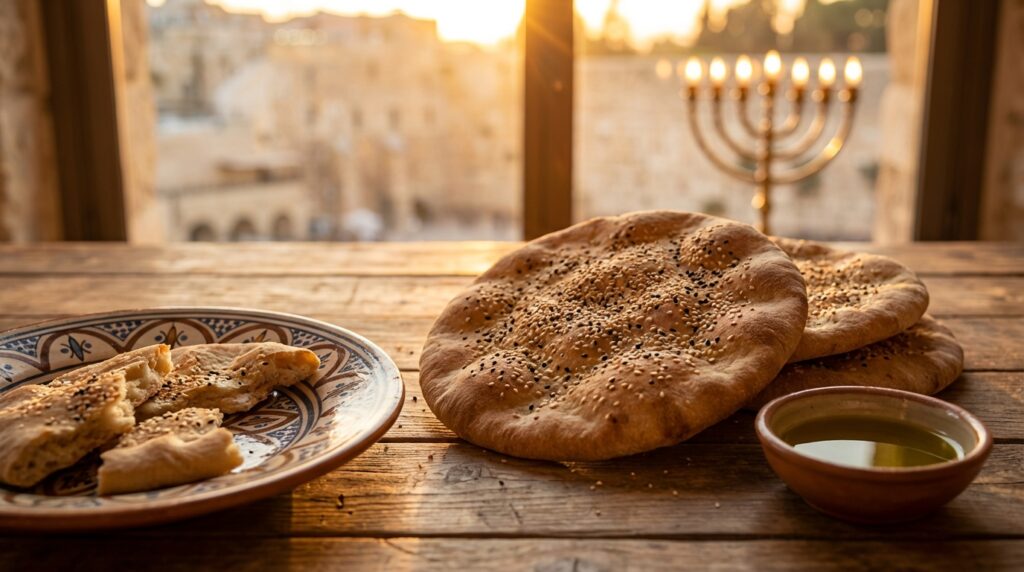

Originating from the Jewish communities in Yemen, this bread has traveled across continents, bringing with it a taste of tradition. Its unique preparation and ingredients reflect the cultural heritage of Yemenite Jews, who have preserved their culinary practices over generations.
In Israel, Yemenite bread is often enjoyed with a variety of dips and spreads, making it a versatile addition to any meal. Its soft, chewy texture and slightly tangy flavor make it a favorite among bread lovers. The bread’s adaptability allows it to complement both savory and sweet dishes.
The process of making Yemenite bread is as much about the journey as it is about the final product. Each step, from kneading the dough to baking it to perfection, is a testament to the skill and patience of the baker. This bread is not just food; it’s a connection to a rich cultural past.
The bread’s history is intertwined with the migration of Yemenite Jews to Israel, where they brought their culinary traditions. This migration enriched Israeli cuisine, introducing new flavors and techniques. The bread’s continued popularity is a testament to its delicious taste and cultural significance.
Yemenite bread is traditionally baked in a taboon, a clay oven that imparts a unique flavor. While modern kitchens may use conventional ovens, the essence of the bread remains unchanged. The use of simple, wholesome ingredients ensures that the bread retains its authentic taste.
The preparation of Yemenite bread is a communal activity, often bringing families together. Sharing stories and laughter while baking creates lasting memories. This communal aspect is an integral part of the bread’s charm, making it more than just a culinary experience.
Whether paired with a spicy zhug or a sweet honey spread, Yemenite bread adapts to various flavors. Its versatility makes it a staple in many households, cherished for its ability to complement diverse dishes. The bread’s enduring appeal lies in its simplicity and adaptability.
The art of making Yemenite bread is passed down through generations, preserving a vital part of Yemenite culture. Each loaf tells a story of tradition and family, connecting the past with the present. This cultural continuity is celebrated in every bite, making the bread a symbol of heritage.
For those new to baking, Yemenite bread offers a rewarding experience. The process is straightforward, yet the results are deeply satisfying. As you master the art of making this bread, you become part of a tradition that spans centuries, embracing a piece of history with each loaf.