Due to the war in Israel, shipments may be delayed. Thank you for standing with Israel.

Authentic Moroccan Pastillas for Special Gatherings

A delightful blend of flavors wrapped in crispy layers.
Learn to make traditional Moroccan pastillas, a savory-sweet pastry filled with spiced meat and almonds, perfect for festive occasions.
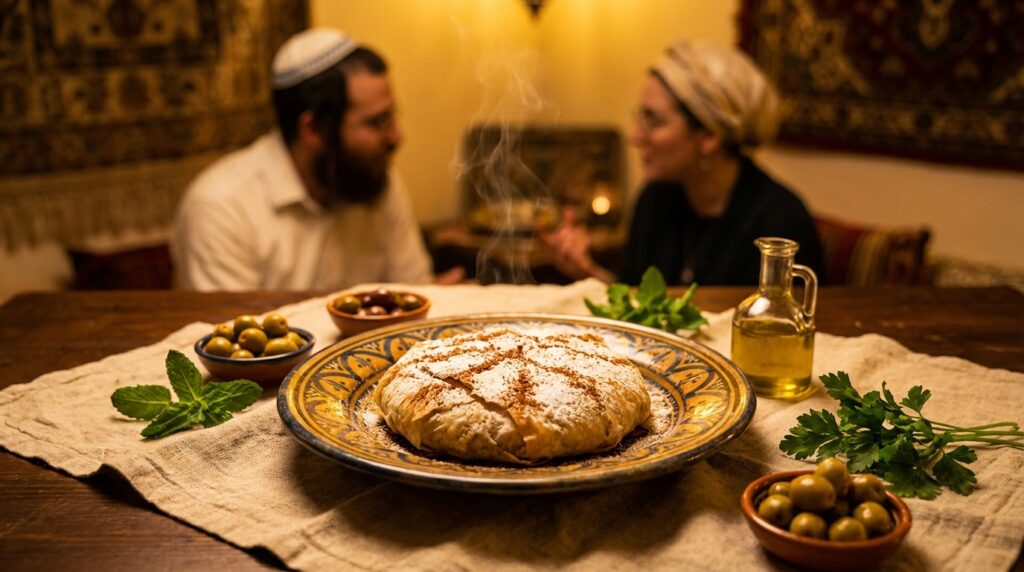
Image illustrating:Authentic Moroccan Pastillas for Special Gatherings
5
David Pliner
Culinary & Israeli Heritage Enthusiast
Discover the rich flavors of Moroccan pastillas, a delightful blend of savory and sweet in a crispy pastry. Perfect for special occasions or a unique dinner.

Health Benefits of Moroccan Pastillas

  • Rich in protein from chicken and almonds.
  • Contains antioxidants from cinnamon and saffron.
  • Low in sugar when consumed in moderation.

Ingredients for Moroccan Pastillas

Chicken breast
500g
Phyllo dough
10 sheets
Almonds
100g
Onion
1 large, chopped
Cinnamon
1 tsp
Saffron
a pinch
Butter
100g, melted
Powdered sugar
for dusting
Cinnamon
for dusting
Salt
to taste
Pepper
to taste

Chef's Tips for Perfect Pastillas

To achieve the perfect balance of flavors, ensure your spices are fresh and of high quality. When layering the pastry, brush each sheet with melted butter for a golden, crispy finish. Serve the pastillas warm, dusted with powdered sugar and cinnamon for an authentic touch.

Instructions for Making Moroccan Pastillas

  • 1
    1
    Prepare the Filling
    In a large pan, cook the chopped onion until translucent. Add the chicken breast, cinnamon, saffron, salt, and pepper. Cook until the chicken is tender and the spices are well incorporated. Remove from heat and shred the chicken. Mix in the almonds.
  • 2
    2
    Prepare the Phyllo Dough
    Carefully separate the phyllo sheets and cover them with a damp cloth to prevent drying. Brush each sheet with melted butter before layering.
  • 3
    3
    Assemble the Pastillas
    Lay a sheet of phyllo dough in a round baking dish, allowing the edges to hang over. Add the chicken filling and cover with another buttered phyllo sheet. Fold the edges over to seal the filling.
  • 4
    4
    Bake the Pastillas
    Preheat the oven to 180°C (350°F). Bake the pastillas for 25-30 minutes or until golden brown. The pastry should be crispy and flaky.
  • 5
    5
    Serve and Enjoy
    Remove the pastillas from the oven and let them cool slightly. Dust with powdered sugar and cinnamon before serving. Enjoy the delightful blend of sweet and savory flavors.

The Story Behind Moroccan Pastillas

Moroccan pastillas are a symbol of festive occasions, blending sweet and savory flavors.

Originating from the Andalusian region, pastillas were brought to Morocco by the Moors. This dish has become a staple in Moroccan cuisine, especially during celebrations and family gatherings. The unique combination of spices and the crispy texture make it a favorite among locals and visitors alike.
Traditionally, pastillas are made with pigeon meat, but chicken has become a popular alternative. The filling is a rich mixture of meat, almonds, and spices, wrapped in layers of thin pastry. This dish is known for its intricate preparation and the balance of flavors it offers.
The preparation of pastillas is often a communal activity, bringing families together in the kitchen. Each layer of pastry is carefully placed, and the filling is seasoned to perfection. The final product is a testament to the skill and patience of the cook, making it a cherished dish at any table.

Pastillas are often served at weddings and special events, symbolizing prosperity and joy.

In Moroccan culture, food is a way to express hospitality and warmth. Serving pastillas at a gathering is a gesture of generosity and celebration. The dish’s complex flavors and textures reflect the rich culinary heritage of Morocco, making it a centerpiece at any festive occasion.
The sweet and savory elements of pastillas are achieved through a careful blend of spices and ingredients. Cinnamon, saffron, and almonds are key components, providing a unique taste that is both comforting and exotic. The use of phyllo dough adds a delightful crunch to each bite.
As Moroccan cuisine gains popularity worldwide, pastillas have found their way into international kitchens. Chefs and home cooks alike are drawn to the dish’s versatility and the challenge of mastering its preparation. Whether served as an appetizer or a main course, pastillas are sure to impress.

The art of making pastillas is passed down through generations, preserving culinary traditions.

For many Moroccan families, the recipe for pastillas is a closely guarded secret, shared only with loved ones. This tradition ensures that the dish remains authentic and true to its roots. The process of making pastillas is as much about preserving culture as it is about creating a delicious meal.
In recent years, variations of pastillas have emerged, incorporating different meats and even vegetarian options. This adaptability has allowed the dish to evolve while maintaining its core identity. Each variation offers a new experience, showcasing the creativity of Moroccan cooks.
The enduring popularity of pastillas is a testament to its timeless appeal. Whether enjoyed in a traditional Moroccan setting or adapted for modern tastes, pastillas continue to captivate food lovers around the world. Its rich history and exquisite flavors make it a dish worth celebrating.

Related Recipes

FAQ

Can I make the filling ahead of time?
Yes, you can prepare the filling a day in advance and assemble the pastillas just before baking.
What type of meat is used in Moroccan pastillas?
Traditionally, pastillas are made with chicken or pigeon, but you can use lamb or beef as well.
Can I freeze Moroccan pastillas?
Yes, you can freeze the assembled pastillas before baking. Thaw them in the fridge before baking.