Due to the war in Israel, shipments may be delayed. Thank you for standing with Israel.

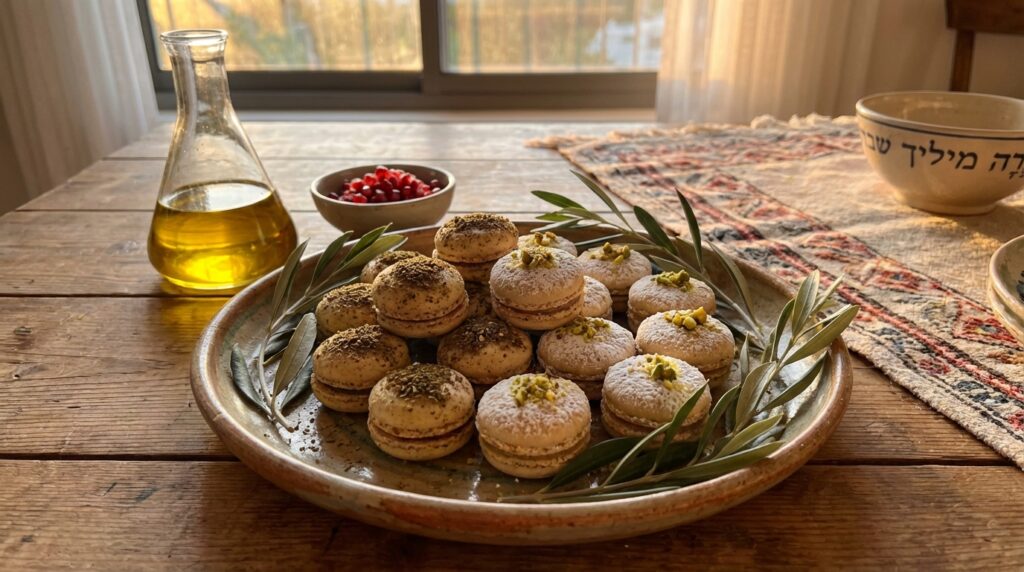
Delicious Vegan Macaroons with an Israeli Twist

A Sweet Vegan Delight from the Heart of Israel
Explore the flavors of Israel with this vegan macaroon recipe, combining tradition and taste for a delightful treat.
Image illustrating:Delicious Vegan Macaroons with an Israeli Twist
13
David Pliner
Culinary & Israeli Heritage Enthusiast
Discover a delightful vegan macaroon recipe with a touch of Israeli tradition. Perfect for sharing and enjoying with loved ones.

Health Benefits

  • Aquafaba is a low-calorie egg substitute.
  • Coconut is rich in healthy fats and fiber.
  • Maple syrup provides natural sweetness without refined sugar.

Ingredients

Unsweetened shredded coconut
2 cups
Aquafaba (liquid from chickpeas)
1/2 cup
Maple syrup
1/4 cup
Vanilla extract
1 teaspoon
Salt
1/4 teaspoon

Chef's Tips for Perfect Vegan Macaroons

For the best texture, ensure your aquafaba is well-whipped before folding it into the coconut mixture. This step is crucial for achieving the light and airy consistency that makes these macaroons so delightful. Additionally, consider adding a pinch of salt to enhance the natural sweetness of the coconut. Baking at a lower temperature helps maintain the macaroons' delicate structure, preventing them from becoming too dry.

Instructions

  • 1
    1
    Prepare the Aquafaba
    Begin by draining a can of chickpeas, reserving the liquid. Whip the aquafaba using a mixer until it forms stiff peaks, similar to egg whites.
  • 2
    2
    Mix the Ingredients
    In a large bowl, combine the whipped aquafaba, shredded coconut, maple syrup, vanilla extract, and salt. Gently fold the ingredients together until well mixed.
  • 3
    3
    Shape the Macaroons
    Using a tablespoon, scoop the mixture and form small mounds on a baking sheet lined with parchment paper. Ensure they are evenly spaced to allow for even baking.
  • 4
    4
    Bake the Macaroons
    Preheat your oven to 325°F (160°C). Bake the macaroons for 20-25 minutes, or until they are golden brown on the edges. Keep an eye on them to prevent over-baking.
  • 5
    5
    Cool and Serve
    Allow the macaroons to cool on the baking sheet for a few minutes before transferring them to a wire rack. Serve them fresh or store in an airtight container.

The Story Behind Vegan Macaroons

Vegan macaroons have become a beloved treat worldwide.

Originating from the Middle East, macaroons have a rich history intertwined with various cultures. Traditionally made with coconut and egg whites, these treats have evolved over time. The vegan version replaces eggs with aquafaba, a liquid from chickpeas, making them accessible to more people.
In Israel, macaroons are often enjoyed during festive occasions. They symbolize joy and celebration, bringing families together. The vegan adaptation aligns with modern dietary preferences while preserving the essence of the original recipe.
The popularity of vegan macaroons has soared as more people embrace plant-based diets. This shift reflects a broader trend towards sustainable and ethical eating habits. By choosing vegan options, individuals contribute to a more compassionate world.

Aquafaba is a magical ingredient in vegan baking.

Aquafaba, the liquid from cooked chickpeas, has revolutionized vegan baking. Its ability to mimic egg whites in texture and function makes it ideal for creating light and fluffy macaroons. This innovation has opened new possibilities for those seeking plant-based alternatives.
The use of aquafaba in macaroons not only caters to vegans but also to those with egg allergies. This inclusivity is a testament to the adaptability of traditional recipes. By embracing new ingredients, we honor the past while looking towards the future.
Incorporating aquafaba into macaroons maintains the delicate balance of flavors and textures. The result is a treat that delights the senses and satisfies the soul. Each bite is a reminder of the creativity and resilience inherent in culinary traditions.

Coconut adds a tropical flair to these macaroons.

Coconut, a staple in many Israeli desserts, brings a unique flavor profile to vegan macaroons. Its natural sweetness and chewy texture complement the lightness of aquafaba, creating a harmonious blend. This combination is both nostalgic and innovative, appealing to diverse palates.
The inclusion of coconut in macaroons is not merely a flavor choice; it is a nod to the cultural significance of this ingredient. In many communities, coconut symbolizes prosperity and abundance, making it a fitting addition to celebratory dishes.
As you enjoy these vegan macaroons, you partake in a culinary journey that spans continents and generations. Each macaroon tells a story of adaptation and creativity, reflecting the dynamic nature of food traditions. This recipe invites you to savor the past while embracing the present.
Related Recipes

FAQ

Can I substitute almond flour for coconut flour?
Yes, you can use almond flour as a substitute for coconut flour in this recipe.
How should I store the macaroons?
Store them in an airtight container at room temperature for up to a week.
Can I freeze these macaroons?
Yes, you can freeze them for up to three months. Thaw before serving.