
Hungarian Langos with an Israeli Twist
3 May 15:28
187
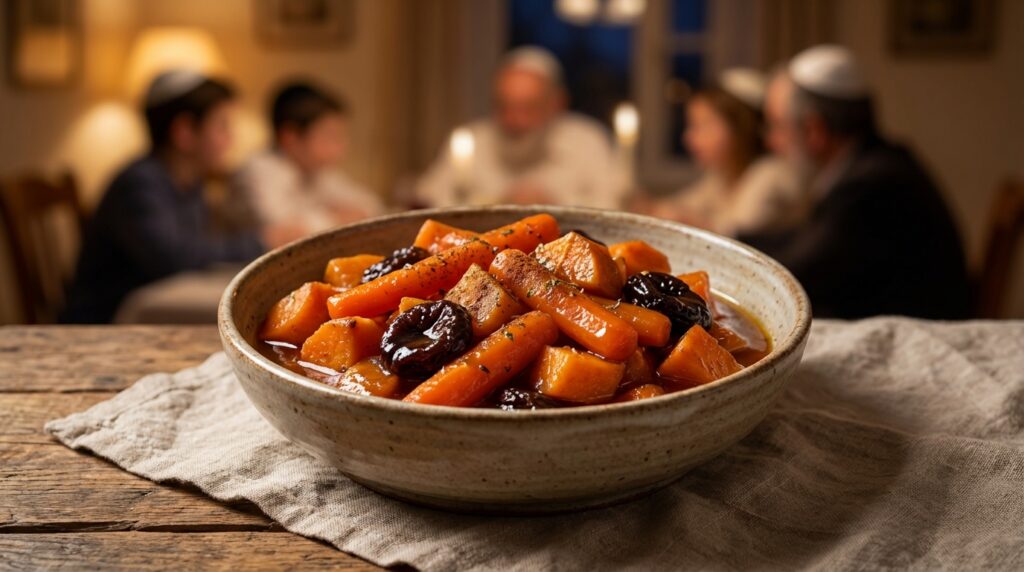

The origins of tzimmes date back to Eastern Europe, where Jewish communities crafted this dish using available ingredients like carrots and dried fruits. It was a staple during festive occasions, symbolizing sweetness and prosperity.
Traditionally, tzimmes was prepared for Jewish holidays such as Rosh Hashanah and Passover. The dish’s sweet flavors are meant to evoke hopes for a sweet new year and a prosperous future. Families would gather to enjoy this comforting meal together, strengthening bonds and creating lasting memories.
The name ‘tzimmes’ is derived from the Yiddish word for ‘a big fuss,’ reflecting the care and attention required to prepare this dish. Over time, it has evolved, with each family adding their unique touch, making it a personal and cherished recipe passed down through generations.
In contemporary Israeli cuisine, tzimmes has found its place as a versatile dish, enjoyed not only during holidays but also as a comforting meal throughout the year. The addition of sweet potatoes and honey has enhanced its flavor, making it a favorite among both young and old.
While the ingredients may vary, the essence of tzimmes remains the same: a celebration of sweetness and togetherness. It is a dish that brings people together, inviting them to share stories and create new memories around the dinner table.
Today, tzimmes is celebrated for its rich flavors and cultural significance. It serves as a reminder of the enduring traditions that connect the past with the present, allowing families to honor their heritage while enjoying a delicious meal.
Pairing tzimmes with brisket is a classic combination that enhances the dining experience. The savory flavors of the meat complement the sweetness of the tzimmes, creating a harmonious balance that delights the palate. This pairing is a testament to the thoughtful culinary traditions of Israeli cuisine.
As you savor each bite of tzimmes, you are partaking in a culinary journey that spans centuries. The dish’s simplicity and depth of flavor are a testament to the ingenuity of those who crafted it, using humble ingredients to create something truly special.
Whether enjoyed during a festive gathering or a quiet family dinner, tzimmes offers a taste of history and a connection to the cultural roots that define Israeli cuisine. It is a dish that continues to bring warmth and joy to tables around the world.