
Authentic Israeli Shakshuka
26 April 10:44
264
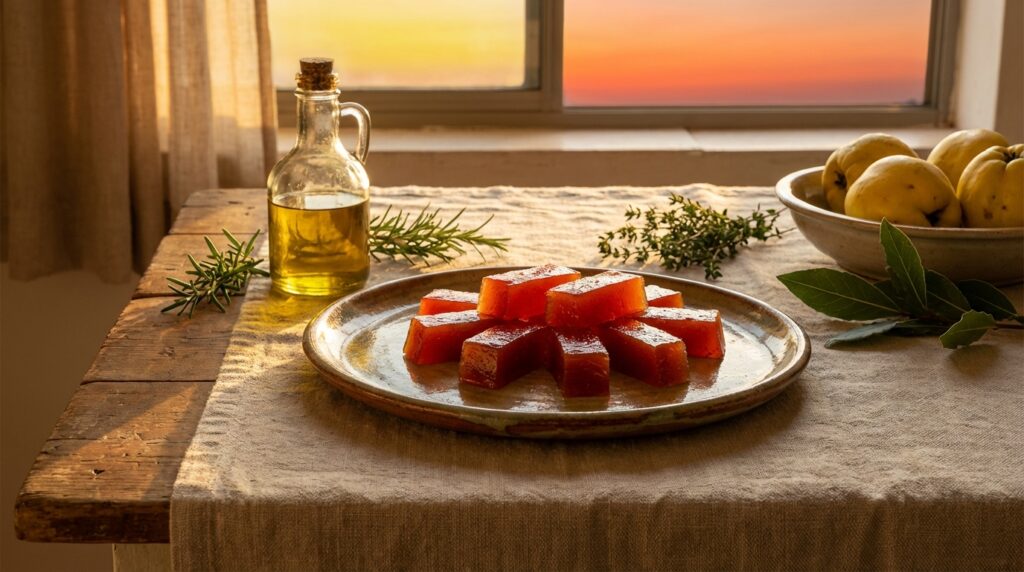

Originating from the Middle East, quince candy has a rich history that dates back centuries. Known for its sweet and tangy flavor, it has been a staple in many Israeli households. The candy is made by slowly cooking quince fruit with sugar, creating a delightful and chewy confection that is perfect for any occasion.
Quince, a fruit similar in appearance to a pear, has been cultivated in the region for thousands of years. Its unique taste and aroma make it an ideal ingredient for various desserts. In Israel, quince candy is often shared during festive occasions, symbolizing joy and togetherness.
The process of making quince candy is both an art and a tradition passed down through generations. Families gather to prepare this sweet treat, sharing stories and laughter as they work together. This communal activity not only preserves the culinary heritage but also strengthens family bonds.
In many Israeli communities, quince candy is more than just a dessert; it is a symbol of hospitality and warmth. Offering quince candy to guests is a gesture of kindness and a way to welcome them into one’s home. This tradition reflects the values of generosity and community that are deeply ingrained in Israeli culture.
The candy’s vibrant color and delightful taste make it a popular choice for gifting. Whether wrapped in decorative paper or presented in a beautiful box, quince candy is a thoughtful gift that conveys love and appreciation. It is often included in holiday gift baskets, adding a touch of sweetness to celebrations.
Making quince candy requires patience and precision. The fruit must be peeled, cored, and cooked slowly to achieve the perfect consistency. This meticulous process ensures that each piece of candy is a work of art, reflecting the care and attention to detail that goes into its creation.
Despite the modern conveniences of today, many families still prefer to make quince candy the traditional way. This dedication to preserving culinary heritage is a testament to the enduring appeal of this sweet treat. It serves as a reminder of the simple pleasures in life and the joy of sharing homemade delights with loved ones.
The popularity of quince candy has spread beyond Israel, capturing the hearts of those who appreciate unique and flavorful confections. Its distinct taste and cultural significance make it a cherished delicacy that transcends borders. Whether enjoyed as a snack or given as a gift, quince candy is a timeless treasure.
In the bustling markets of Israel, quince candy can be found alongside other traditional sweets. Vendors proudly display their handmade creations, enticing passersby with the sweet aroma of cooked quince. This vibrant scene is a testament to the rich culinary tapestry of the region, where tradition and innovation coexist harmoniously.