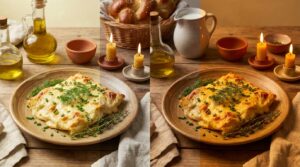
Hungarian Stuffed Cabbage with an Israeli Twist
24 March 17:22
250
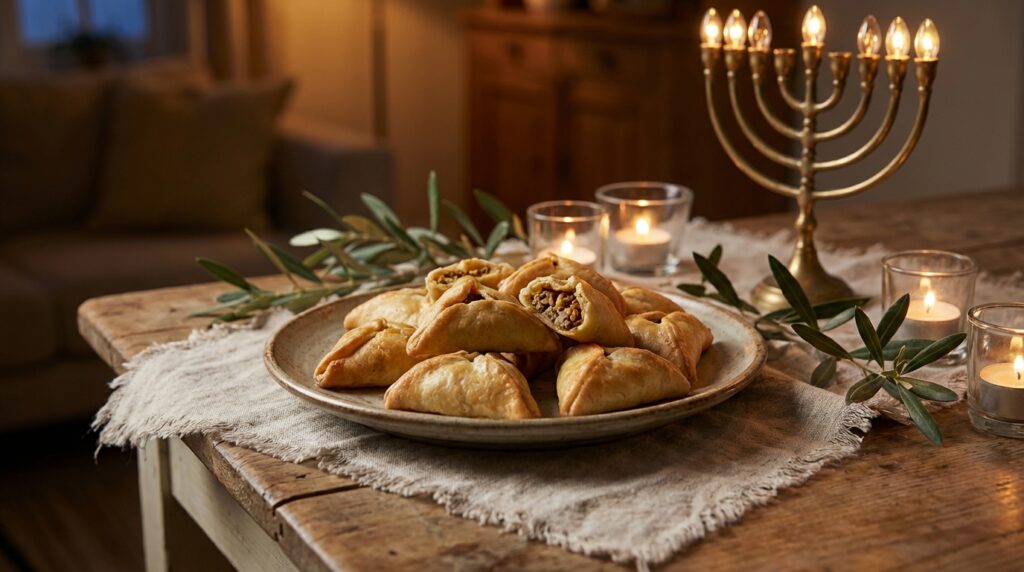

Originating from the Middle East, sambousak has become a staple in Israeli households. This delightful pastry is known for its flaky crust and savory filling, often made with spiced chickpeas or cheese. Its popularity has spread across various communities, each adding their unique twist to the recipe.
The history of sambousak is intertwined with the cultural exchanges in the region. As traders and travelers moved through the Middle East, they brought with them recipes and ingredients that influenced local cuisines. Sambousak, with its versatile filling options, became a favorite among many.
In Israel, sambousak is often enjoyed during festive occasions and family gatherings. Its preparation is a communal activity, bringing together family members to roll dough, prepare fillings, and bake the pastries. This tradition not only creates delicious food but also strengthens family bonds.
The versatility of sambousak allows for endless creativity in the kitchen. While traditional fillings include chickpeas and cheese, modern variations have introduced ingredients like spinach, mushrooms, and even sweet fillings. This adaptability ensures that sambousak remains relevant and loved by new generations.
Cooking sambousak is an art that has been passed down through generations. Each family may have its secret recipe, adding a personal touch to the classic dish. This personal connection to the recipe makes each bite of sambousak a journey through family history and tradition.
The communal aspect of making sambousak extends beyond family kitchens. In many Israeli communities, cooking classes and workshops are organized to teach the art of making this beloved pastry. These events not only preserve culinary traditions but also foster a sense of community and shared heritage.
The preparation of sambousak is a sensory experience. The aroma of spices, the texture of the dough, and the vibrant colors of the fillings all contribute to the joy of cooking. This sensory delight is part of what makes sambousak a cherished dish in Israeli cuisine.
In modern Israeli cuisine, sambousak has found its place in both traditional and contemporary settings. Whether served at a family dinner or as a gourmet appetizer in a high-end restaurant, sambousak continues to captivate with its rich flavors and cultural significance.
The enduring appeal of sambousak lies in its ability to bring people together. Whether through shared meals, cooking classes, or family traditions, sambousak serves as a reminder of the importance of community and cultural heritage in Israeli life.