Does BNP Paribas Support Israel? Facts, BDS Links & How to Help
BNP Paribas has been the subject of multiple discussions regarding its position on Israel; news coverage from Bloomberg and Reuters has examined specific corporate decisions and account closures.
While many online rumors suggest a clear stance, the truth is more nuanced and depends on corporate policy, local branch actions, and regulatory context in France and Europe.
This page answers the common question, offers verifiable links, and explains why social posts often simplify complex corporate behavior, using documented business activity and verifiable sources so readers can judge for themselves.
BNP Paribas’s activities in and around Israel have appeared in major news outlets reporting on bank strategy and local operations. Israeli media covered plans and reports about BNP Paribas entering the Israeli market in an article noting the bank’s interest in establishing a presence (Ynet) . These sources focus on corporate choices and banking services rather than political endorsements.
Insider's Guide to Israel
and can't-miss places most tourists never find.
At the same time, reporting has covered specific account decisions and the bank’s consideration of Israel-related business moves, which are matters of corporate strategy and customer relationships rather than proof of an institutional political campaign (Jerusalem Post) and (Ynet) .
🚫 What Is BDS and Why It Matters
BDS refers to a global campaign calling for boycotts, divestment, and sanctions against Israel; it began with a formal call by Palestinian civil society in 2005 (Jewish Virtual Library). The movement seeks economic, cultural, and academic pressure through coordinated boycotts and public campaigns rather than through electoral politics (Jewish Virtual Library). High-profile cultural boycotts and celebrity controversies have brought media attention and public debate about tactics and targets (My Jewish Learning). A separate coordinating body, the BDS National Committee, formed later to organize and publicize campaign actions; descriptions of the timeline and structure are covered in the sources above (Jewish Virtual Library).
- 2005 – A formal call for boycott, divestment, and sanctions was issued by Palestinian civil society organizations, establishing the movement’s core framework (Jewish Virtual Library).
- 2011 – Public attention grew around cultural boycotts when musician Roger Waters faced criticism for his boycott stance in media coverage (My Jewish Learning).
- 2017 – News outlets reported that a French bank was said to have dropped a major account linked to BDS-related activity, prompting discussion about banking responses to boycott pressure (Jerusalem Post).
In short, verified sources show a mixture of organized campaign calls, high-profile public controversies, and governmental or institutional responses; see reporting from BBC, Reuters, and The Guardian for examples.
Reporting on BNP Paribas focuses on bank business choices and specific account reports; those coverage items are distinct from an official, named BDS target list.
Critics sometimes say BDS singles out Israel; that characterization appears in public debate and is reflected in linked sources such as AP News.
How You Can Support Israel Today
In Israel, and in communities across Judea and Samaria, families run small businesses planting vineyards, harvesting honey, designing jewelry, crafting soaps, and making other handmade goods. Many producers rely on direct sales and export channels that can be disrupted when markets shrink or shipping becomes costly. Limited access to international retail partners, higher logistics costs, and negative publicity can reduce orders and cut margins for small producers.
Insider's Guide to Israel
and can't-miss places most tourists never find.
Loss of a single export client or reduced tourism can cut household income for artisans and small farms, sometimes forcing temporarily laid-off workers in kibbutzim to seek outside work. Outside buyers who choose reliable trade channels and regular subscriptions help producers plan harvests, maintain staff, and invest in quality-practices recommended by the OECD for small exporters.
Here’s how you can make a real difference: start by choosing vetted Israeli products from small businesses like olive groves in the Galilee (e.g., Galilee Harvest Cooperative) or crafts from artisans in Jerusalem.
Support regular subscriptions or fair-trade purchases to give steady income, similar to practices encouraged by organizations like IsraAID.
Subscribe to a Lev HaOlam Box
Each monthly box may include a selection of items such as:
– Food items (olive oil from the Galilee, date honey from the Jordan Valley)
– Handmade goods (ceramics from Hebron artisans, textiles from Tel Aviv designers)
– Small keepsakes tied to Jewish holidays like a Hanukkah dreidel or a Shabbat challah cover (textile provenance noted).
Your subscription helps families thrive.
Regular payments give predictable income to makers like small farmers in the Negev and artisans in Beit Shemesh, helping them hire seasonal workers during harvests cited by the World Bank.
Your choice stands against anti-Semitism.
Choosing verified Israeli suppliers signals solidarity with Jewish communities and counters boycotts described in news coverage from BBC and AP.
Your support builds the future of Israel.
Long-term subscriptions enable producers to invest in equipment, as export data from Israel’s Central Bureau of Statistics demonstrates.
Craft Israel Boxes
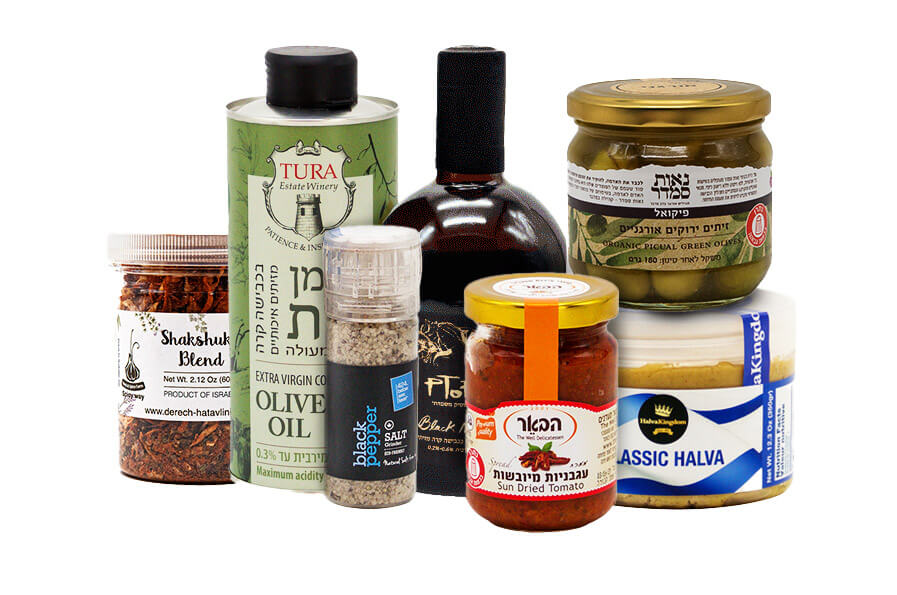
Delicious Food & Spices
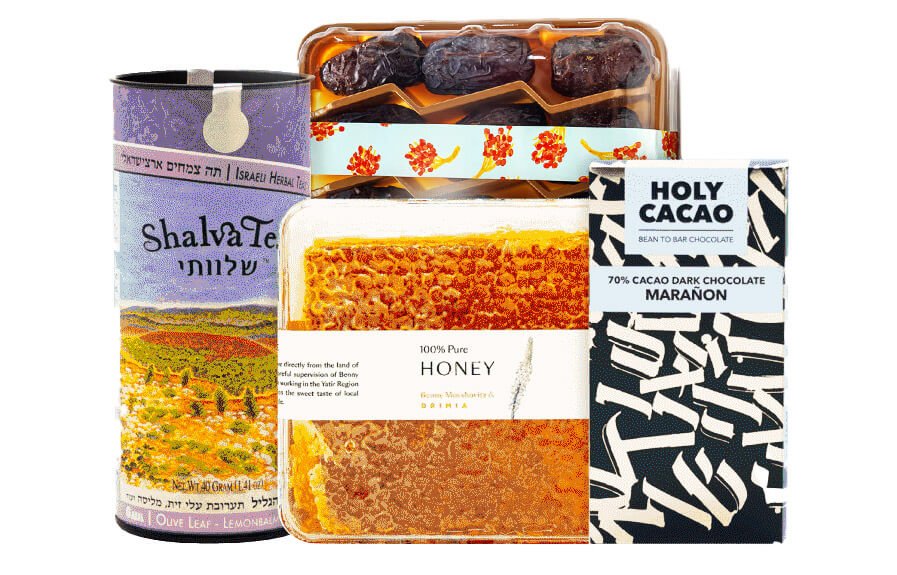
Organic Sweets, Perfect Tea & Coffee
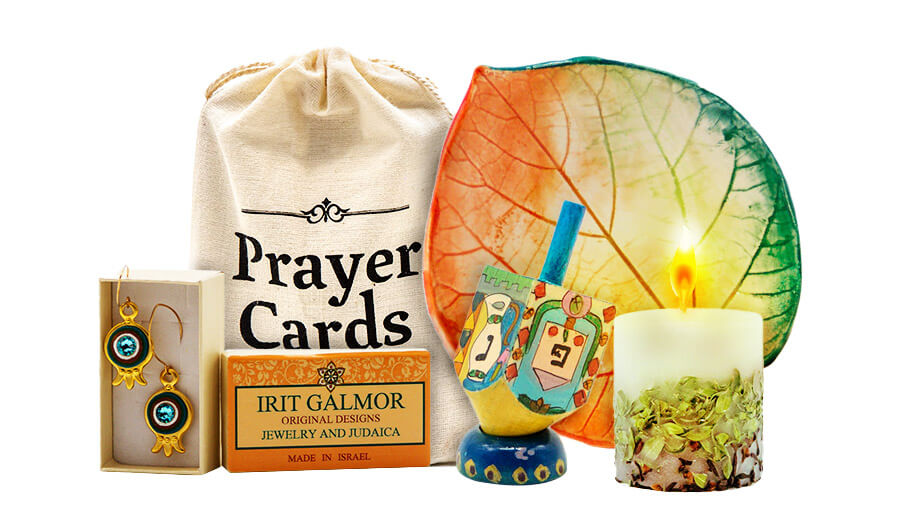
Original Jewelry & Judaica
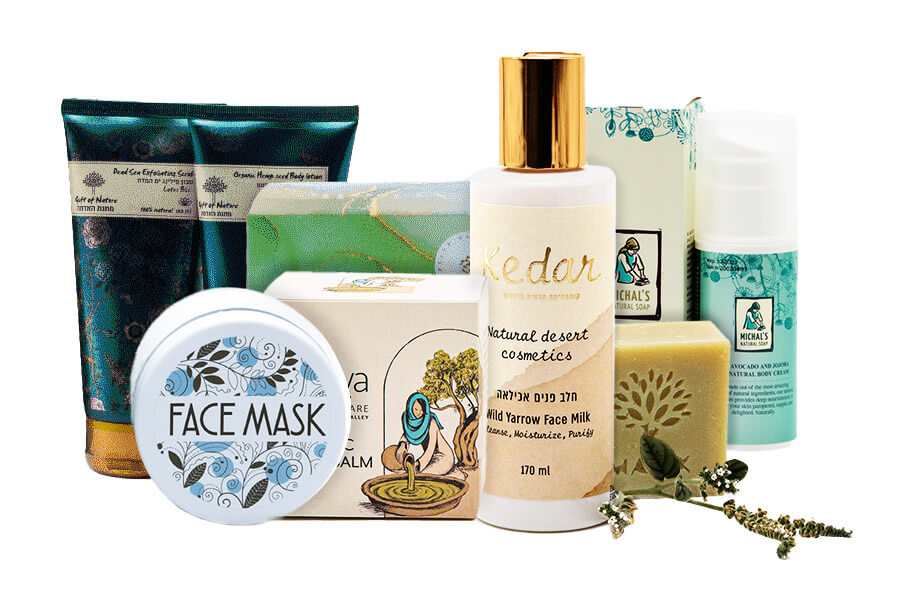
Exclusive Organic Cosmetics

Authentic Ceramics & Housewares
Frequently Asked Questions
About BNP Paribas
Summary
BNP Paribas’s Israel connections are a matter of corporate business decisions and media reporting, not an official BDS target. If you want to support Israeli small businesses, consider a monthly subscription box to help sustain producers through steady purchases.