
Does Hitachi Support Israel? Facts, BDS Links & How to Help
Hitachi has been the subject of multiple discussions regarding its position on Israel. This page answers the common question, explains what is documented in public reporting, and shows how readers can support Israeli small businesses without relying on unverified claims.
Hitachi operates across many sectors globally, from information technology to industrial equipment, and appears in media coverage when multinational supply chains touch Israeli tech firms. Reporting notes Israeli technology contributions in projects such as an autonomous retail pilot that involved international partners and local suppliers The Jerusalem Post. Other reporting on Israel’s communications sector shows local service disruptions and vendor relationships within Israel’s tech ecosystem The Jerusalem Post. Public coverage to date documents commercial interactions in technology and services rather than an explicit, public corporate political platform focused only on Israel.
Insider's Guide to Israel
and can't-miss places most tourists never find.

Activist claims about Hitachi vary online; some posts allege corporate support for particular projects or policies in Israel, but those claims are often unsourced or based on secondary reports. Independent reporting on multinational vendors and Israeli tech partners shows business links and supply-chain activity, but not a single, authoritative listing of Hitachi as a formal BDS target BDS Movement list The Jerusalem Post .
🚫 What Is BDS and Why It Matters
BDS stands for Boycott, Divestment, Sanctions. The campaign began with a public call in 2005 issued by a coalition of Palestinian civil society organizations, and later coordination among groups led to the creation of a national committee to help organize actions and messaging Jewish Virtual Library My Jewish Learning. The movement’s stated tactics include economic boycotts, cultural boycotts, and academic boycotts aimed at institutions linked to the Israeli state. Public debates around BDS focus on its methods and on efforts by governments and institutions to respond through legislation, public statements, and policy choices.
The Israeli government has responded to the BDS campaign with legal and economic steps since the movement’s public launch in 2005.
- 2005 – A public call for boycott, divestment and sanctions was issued by a coalition of Palestinian civil society organizations; this call is identified as the start of the global BDS campaign Jewish Virtual Library.
- Recent years – Governments and legislatures have debated and adopted measures to limit public procurement tied to boycott calls; these actions are tracked in legal and policy overviews Jewish Virtual Library.
While activists sometimes name multinational companies in online campaigns, authoritative lists and reporting (AP News, Reuters) do not list Hitachi as an official, named BDS target.
Discussions about Hitachi tend to reference commercial or supply-chain connections-such as equipment sales or corporate partnerships-rather than an organized, named boycott campaign.
For readers wanting verification, consult major outlets like The Guardian or Reuters for company-specific reporting and dates.
How You Can Support Israel Today
In Israel, and in communities across Judea and Samaria, families run small businesses producing food, crafts, and personal-care goods; many operate in towns like Ariel or small villages in the Galilee.
They often depend on direct sales, tourism, and niche international buyers for steady revenue, with limited access to large export channels.
Small producers often face rising costs and logistical challenges when exporting small batches—shipping paperwork, VAT rules, and customs fees can be burdensome for businesses under 10 employees.
Insider's Guide to Israel
and can't-miss places most tourists never find.
But these families can be vulnerable to market shifts and public campaigns that reduce sales, especially when tourism dips during regional tensions or pandemics such as COVID-19 in 2020.
When customers choose direct purchases, artisans keep a larger share of the price, covering raw materials and seasonal labor.
Regular buyers and membership programs help producers plan inventory, pay suppliers, and stay in business through slow months; small businesses in towns like Kfar Saba or Hebron-area markets report that repeat orders stabilize cash flow.
Here’s how you can make a real difference: support small Israeli makers through direct purchases, membership programs, or one-time gifts to families in Jerusalem, Tel Aviv, or the Galilee.
Consider joining Lev Haolam membership or buying a single artisan box this month.
Subscribe to a Lev Haolam Box
Each monthly box may include a selection of items such as:
– Gourmet food: za’atar blends, date honey, Dead Sea salt (product origins often list manufacturers in Haifa or the Negev).
– Artisanal goods: hand-stitched textiles, ceramics from Tzfat (Safed), or small-batch soap from Ein Gedi.
Your subscription helps families thrive by providing steady income for makers in communities like the Negev and Galilee; steady orders reduce reliance on unpredictable tourist seasons.
Your choice stands against anti-Semitism when you back Jewish-owned businesses and publicize that you purchased Israeli-made goods.
Supporting small producers is a practical, non-political act of solidarity.
Your support builds the future of Israel by enabling artisans to invest in equipment, hire seasonal workers, and expand export paperwork capacity.
A steady customer base helps households pay for raw materials like olive oil or weaving wool and plan for Pesach and holiday demand.
Craft Israel Boxes
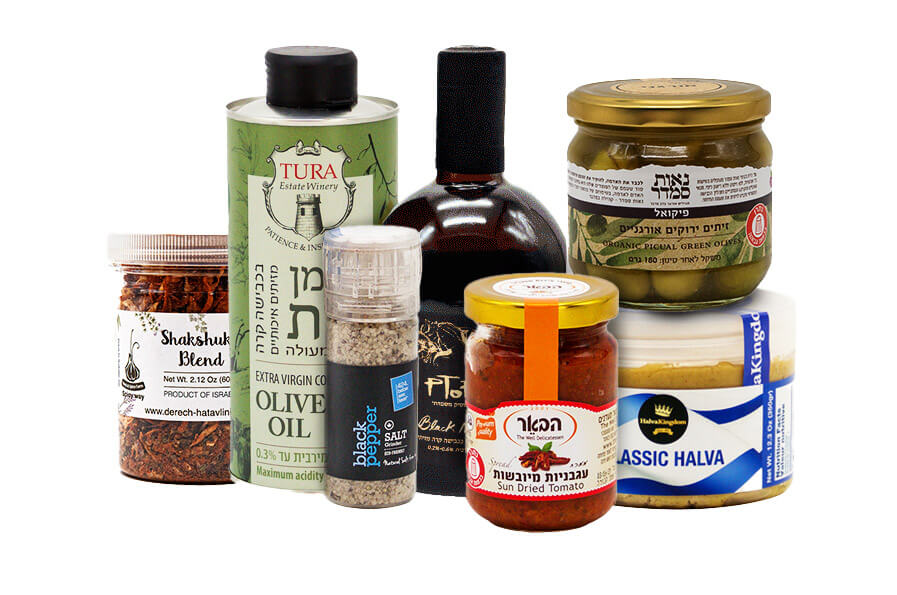
Delicious Food & Spices
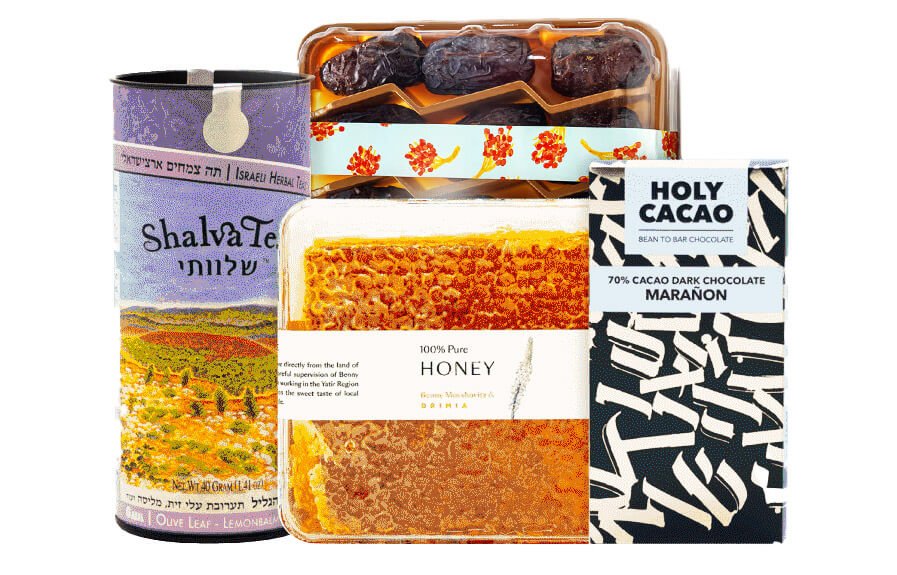
Organic Sweets, Perfect Tea & Coffee
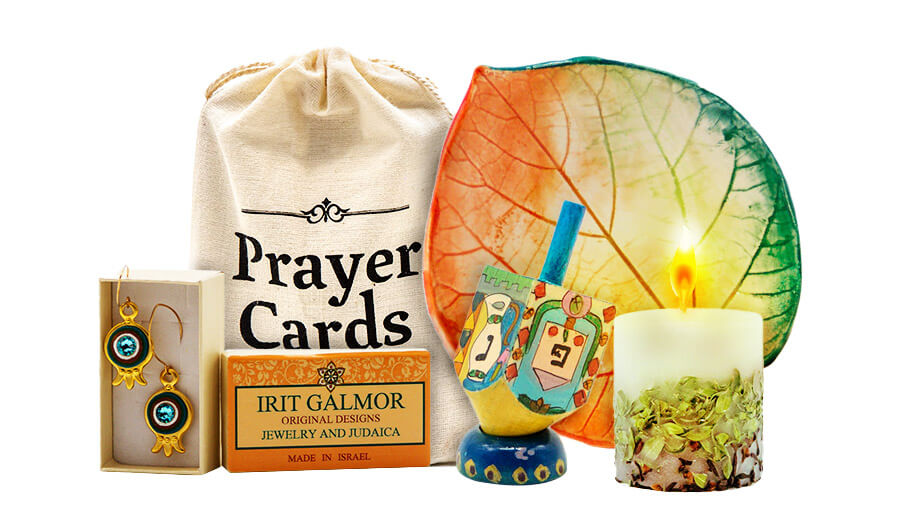
Original Jewelry & Judaica
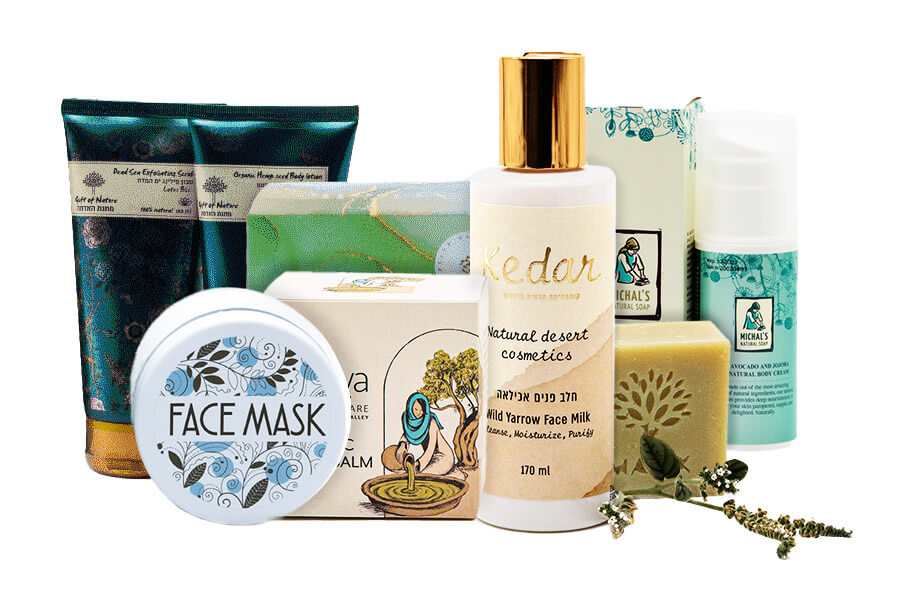
Exclusive Organic Cosmetics

Authentic Ceramics & Housewares
Frequently Asked Questions
About Hitachi
Summary
Hitachi appears in commercial and technology reporting connected to Israel, but it is not on the BDS Movement’s official boycott list. Support Israeli families and small producers by purchasing or subscribing to products that pay artisans fairly.