
Understanding the Historical Role of Philistia
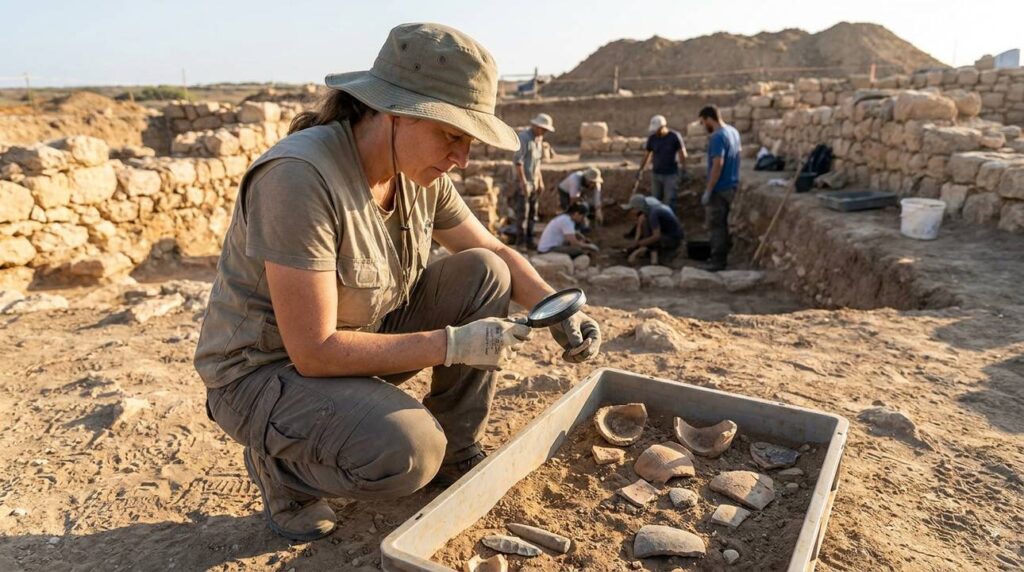

Philistia was an ancient region along the southern coast of the eastern Mediterranean. It was home to the Philistines, a people often mentioned in the Bible. Their strong cities included Gaza, Ashkelon, and Gath.
This article looks at the history of Philistia. It covers where the land was, how its people lived, and why it still matters to historians today.
Philistia sat at a crossroads for trade and travel. This location helped it grow into an important area. Its people dealt with many neighbors.
The Bible records many contacts between the Philistines and the Israelites. Studying this region helps us understand the ancient world and how these groups lived side by side.
from the Western Wall to Masada.
The Geographic Location of Philistia
Philistia lay along the Mediterranean coast, to the west of the lands of ancient Israel and Judah. This position made it useful for both trade and defense.
The region held five main cities: Ashdod, Ashkelon, Ekron, Gaza, and Gath. Together these cities are known as the Philistine Pentapolis. Each was a stronghold, and together they gave Philistia real power.
The land offered both benefits and risks. The coastal plains were good for farming and gave easy access to the sea. The routes through the region could also be used by armies.
This mix made Philistia a place of both trade and conflict. Knowing its geography helps explain its role in the Bible.
Philistines in Historical Accounts
The Philistines appear often in the Bible. They are shown as strong rivals of the Israelites. The well-known story of David and Goliath features Goliath, a Philistine warrior from the city of Gath.
These stories reflect long struggles over land and power. Many biblical passages describe battles between the two peoples.
Philistine customs often differed from those of the Israelites. This led to both conflict and exchange. The biblical account says the Philistines controlled ironworking, which is often said to have given them an edge in war.
Their pottery had a distinct style, with roots in the Aegean world. Archaeologists still find this pottery today. It shows how the Philistines shaped the culture of the region.
Contact between the two peoples was complex. It involved both fighting and, at times, exchange. The Bible tells how the Philistines captured the Ark of the Covenant in 1 Samuel, chapters 4 and 5.
Alongside these conflicts, goods and ideas passed between the groups. Finds of fine crafts and trade goods show that the Philistines were a major force in the ancient Near East.
Archaeological Discoveries in Philistia
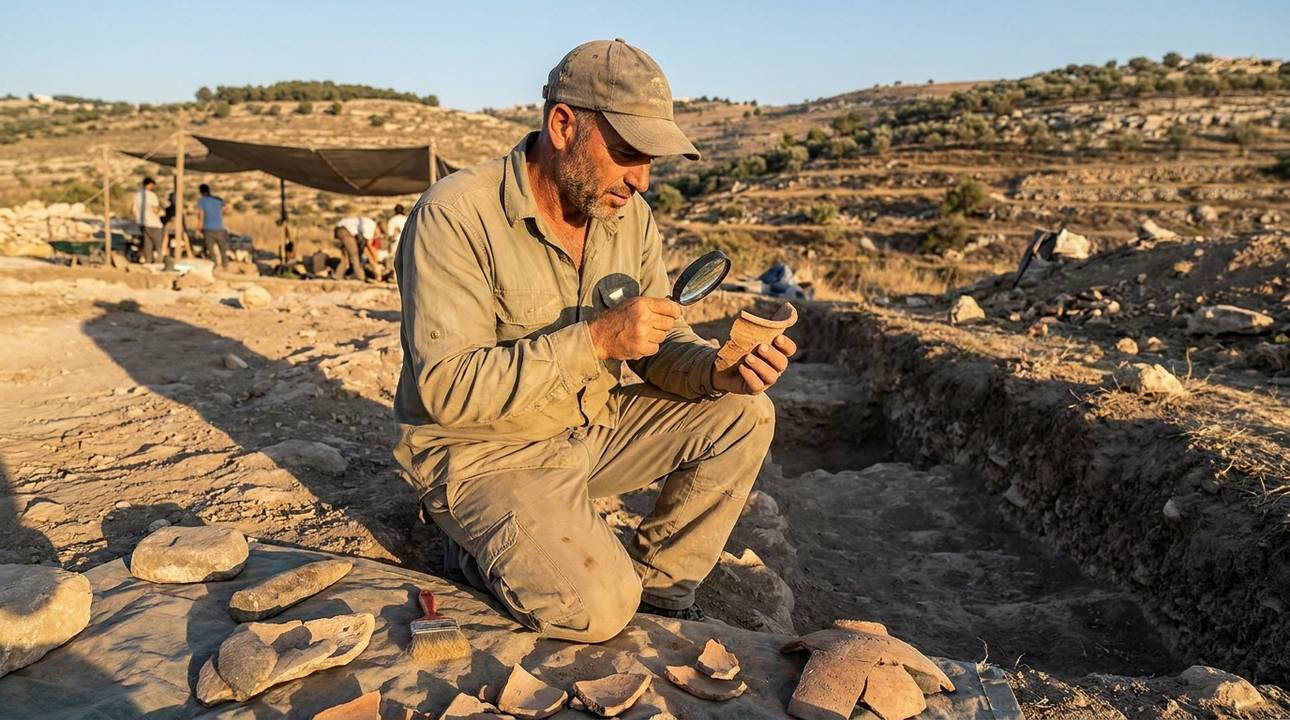
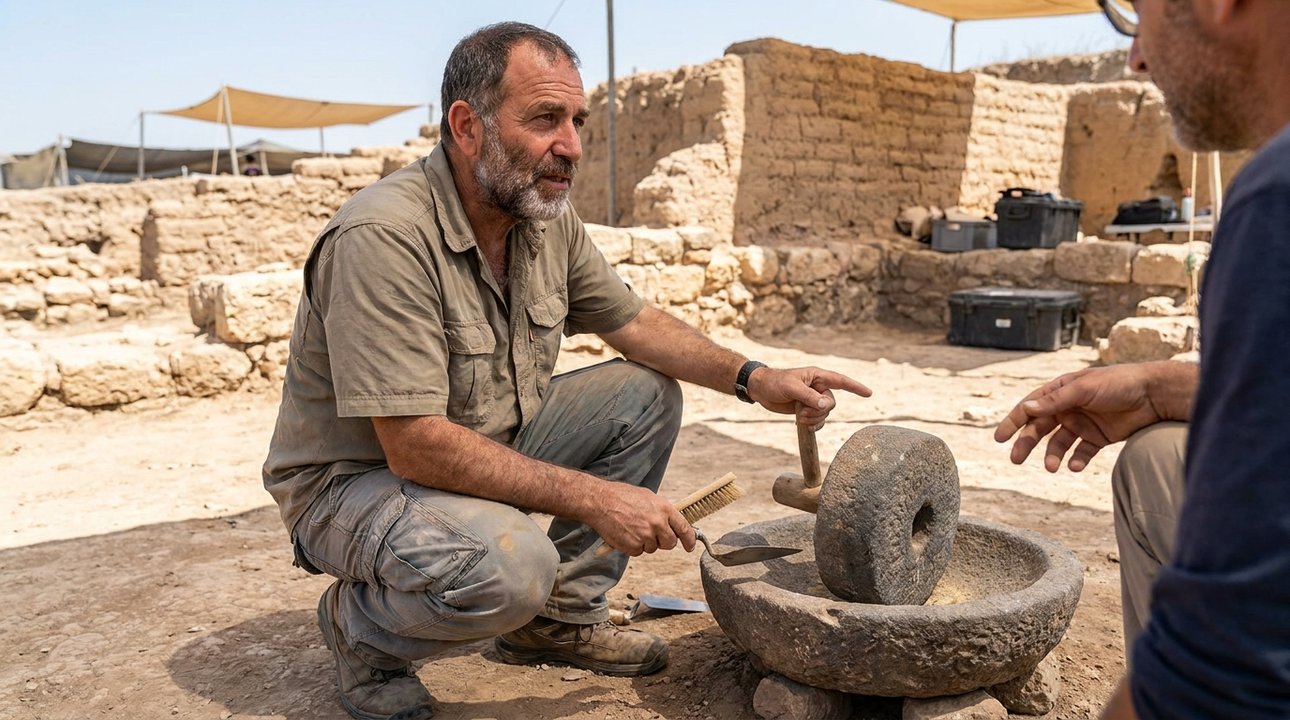
Modern digs have found clear signs of Philistine life. Excavations at sites such as Ekron and Ashkelon show how their cities were planned and how people lived.
Archaeologists have uncovered large public buildings, pottery, weapons, and inscriptions. These finds tell us about the society and government of Philistia.
One important discovery is the evidence of skilled industries. The Philistines made goods such as textiles and metalwork. These crafts let them trade across a wide area and connect with distant lands.
Detailed pottery and tools found at Ashkelon and Ekron show their skill. They point to a culture with a rich material life.
These finds show a people skilled in more than war. They were also strong in trade and industry. At Ekron, archaeologists found a large olive oil production center, one of the biggest known in the ancient Near East.
This industry added to the wealth of Philistia. Trade and production helped its cities stay strong in a competitive region.
Philistia and Its Cultural Impact
Its place at a crossroads shaped Philistine culture. The Philistines took in customs from their neighbors and made them their own. This shows in their art, religion, and daily life.
For example, their pottery blends styles from the Aegean world and beyond. This mix of influences helped them thrive.
This openness to new ideas shows in their religion and art. Temples found in their cities mix different building styles. Decorated pottery shows their skill as craftworkers.
This blend gave Philistia a culture of its own. It became a place where different traditions met.
from the Western Wall to Masada.
The Philistines worshipped several gods. Dagon was linked to grain and farming. Astarte was a goddess tied to fertility and war, and Baal was a storm god.
These gods came from the wider region and were also worshipped by the Canaanites. Over time the Philistines built a religion of their own from these shared beliefs.
Religious life was varied and drew on neighboring cultures. At Tel Qasile, archaeologists found Philistine temples, among the first ever discovered. This shows how important worship was in their society.
These temples help us understand ancient belief. They show how the Philistines mixed different traditions into their own faith.
Philistia Today
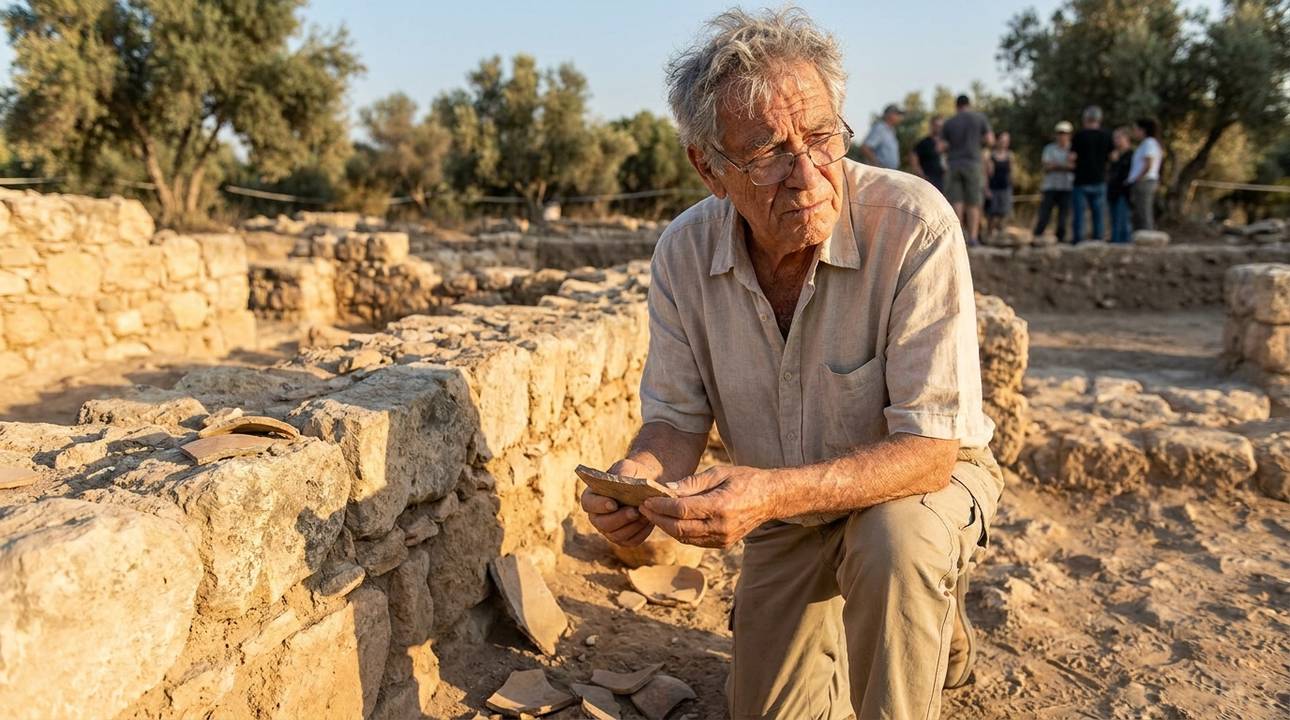
Today the old land of Philistia covers parts of modern Israel and the Gaza Strip. Archaeologists still study the remains of cities like Ashdod and Gath.
This work adds to what we know about Philistine life, from religion to building styles. After thousands of years, Philistia still holds a place in the study of history.
Ongoing digs reveal layers of the past. At Ashkelon, for example, finds show contact with nearby cultures.
These discoveries add to our picture of how the Philistines lived. They keep Philistia a subject of interest for scholars.
Much work today focuses on protecting these sites and studying their finds. Researchers care for the remains at places like Tel Miqne and Tel Qasile.
This work helps make sure future students can learn from Philistia’s past.
Through this research, Philistia stays an active field of study. The objects and ruins give us a real link to the past.
Each new find helps us understand this civilization, which once thrived along the Mediterranean coast.
In Short: Philistia’s Lasting Influence
Philistia was shaped by its coastal location, its strong cities, and its culture. Through trade, conflict, and exchange, it helped shape the story of the ancient Near East. Though often shown as rivals of Israel, the Philistines added much to the region.
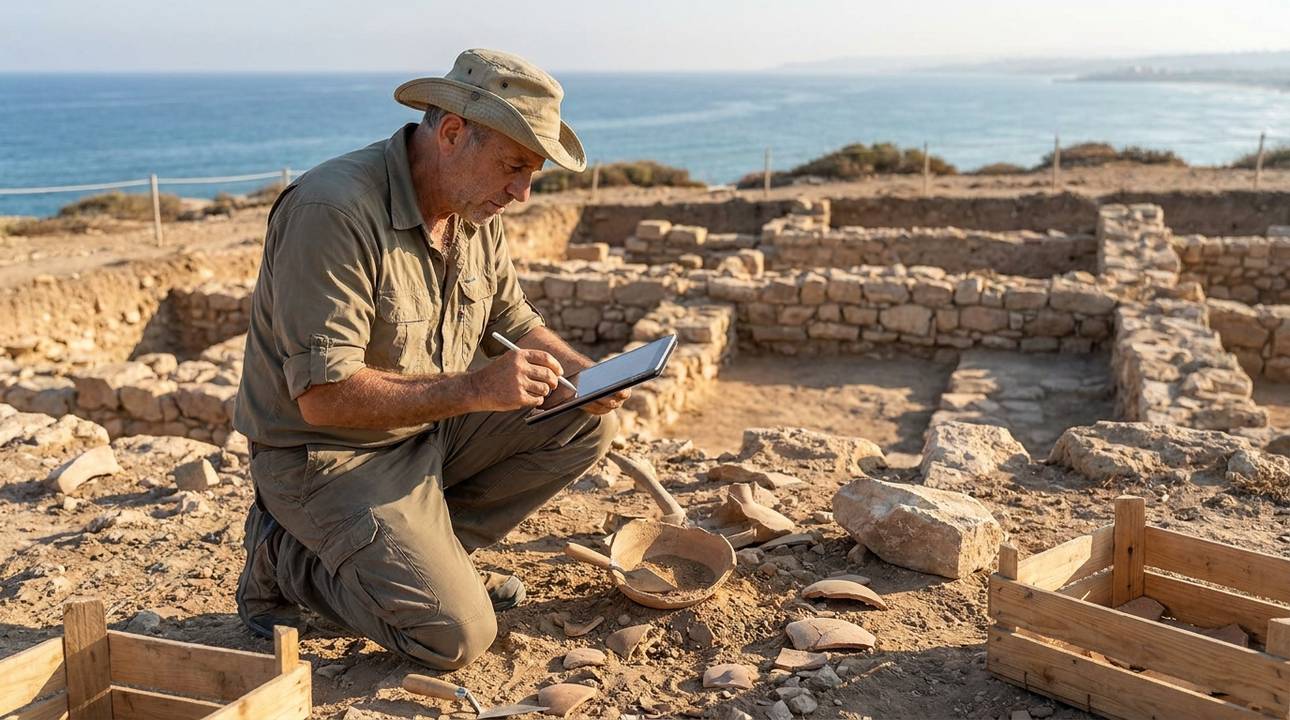
Modern archaeology keeps uncovering their story and links it to what we know today.
Philistia is remembered for more than its conflicts. Its people were known for skilled metalwork and pottery, which were prized in ancient trade. The region appears many times in the Bible, which shows how important it was.
Its history invites us to see it as a bridge between cultures.
Contact with the Israelites, as told in the Bible, secures Philistia’s place in history. These accounts describe both battles and cultural exchange. By studying Philistia, we learn how ancient societies worked, from their social order to their trade.
Philistia's Role and Influence
