
Unveiling the Mysteries of Baal Zephon


Baal Zephon appears in historical narratives as a significant landmark during the Israelites’ journey. It is mentioned as a place where they encamped before crossing the Red Sea. This article delves into the geographic and history of Baal Zephon, exploring what ancient maps and texts reveal about its location and role. The mention of Baal Zephon underscores its importance in the narrative of the Exodus, serving as a sign of its historical and cultural relevance, much like Mount Sinai. Mount Sinai, another pivotal location, is central to the story of the Israelites’ journey.
Ancient maps and texts provide clues about the location of Baal Zephon, although its precise whereabouts remain a topic of scholarly debate. Some suggest it was located near the northern tip of the Gulf of Suez, while others argue for a site further inland.
This uncertainty reflects the challenges of reconstructing ancient geography, where shifting landscapes and limited records complicate efforts to pinpoint exact locations. The lack of consistent cartographic standards in antiquity adds to this complexity.
Ancient geographers like Ptolemy and Strabo had different methodologies, which resulted in varying depictions of the same regions.
from the Western Wall to Masada.

What Do We Know About Baal Zephon?
Baal Zephon is traditionally associated with the worship of the god Baal, revered in ancient Canaanite and Egyptian cultures. It marks a pivotal moment in the Israelites’ escape from Egypt.
It is described as an instructive part of their journey, underscoring its importance in history. The name itself may refer to a deity worshiped in the region, indicating a cultural and religious connection to northern Egyptian territories, where Baal was often invoked for protection.
The association with Baal, a storm god, suggests that Baal Zephon might have been a site where rituals were performed to seek protection or favor, especially during times of peril.
Exploring the Geographic Location of Baal Zephon
The precise location of Baal Zephon remains a subject of debate among scholars. Some suggest it was near the northern tip of the Gulf of Suez or close to the modern-day Suez Canal. Ancient maps, such as those by Ptolemy, provide clues but no definitive conclusion.
Ptolemy’s ‘Geography’ was a significant work that attempted to map the known world, and it offers some insight into how ancient geographers viewed the region.
Its position as a point of significance during the Israelites’ crossing suggests it was strategically significant, possibly as a landmark for navigators in antiquity, guiding them through the treacherous waters of the Red Sea.
The crossing of the Red Sea, as described in Exodus 14, highlights the importance of such landmarks in ancient navigation.
Baal Zephon in Religious Texts
Beyond the Bible, Baal Zephon is mentioned in various ancient texts, highlighting its religious connotations. It was associated with the god of storms, Baal, underscoring its mythological significance. These texts create a mix of cultural and religious practices of the time, shedding light on how these ancient peoples regarded sacred spaces and deities. The worship of Baal, a prominent deity in the ancient Near East, reflects the cultural exchanges and shared beliefs among the peoples of the region, as seen in Ugaritic texts. Ugaritic texts provide a wealth of information on Canaanite religion and mythology.
In addition to its religious significance, Baal Zephon’s connection to the storm god Baal suggests its role in weather-related rituals and ceremonies.
Ancient peoples often sought the favor of deities like Baal to ensure favorable weather for agriculture and travel. This story of Elijah and the prophets of Baal highlights the importance of such deities in the daily lives of ancient peoples. This connection between religion and daily life highlights the integral role of sacred sites like Baal Zephon in the cultural and spiritual practices of ancient societies.
These practices were not only about worship but also about survival and prosperity.
Baal Zephon in the Context of the Exodus
The Exodus account places Baal Zephon at a critical juncture in the escape from Egypt. It served as a backdrop for the miraculous parting of the Red Sea, a defining moment for the Israelites.
They were instructed to camp in front of Baal Zephon, opposite it by the sea, which set the stage for their dramatic deliverance. This location provided a dramatic setting for this event, symbolizing a divine deliverance.
Baal Zephon’s inclusion in this narrative emphasizes its perceived significance and cultural resonance.
Archaeological Insights into Baal Zephon
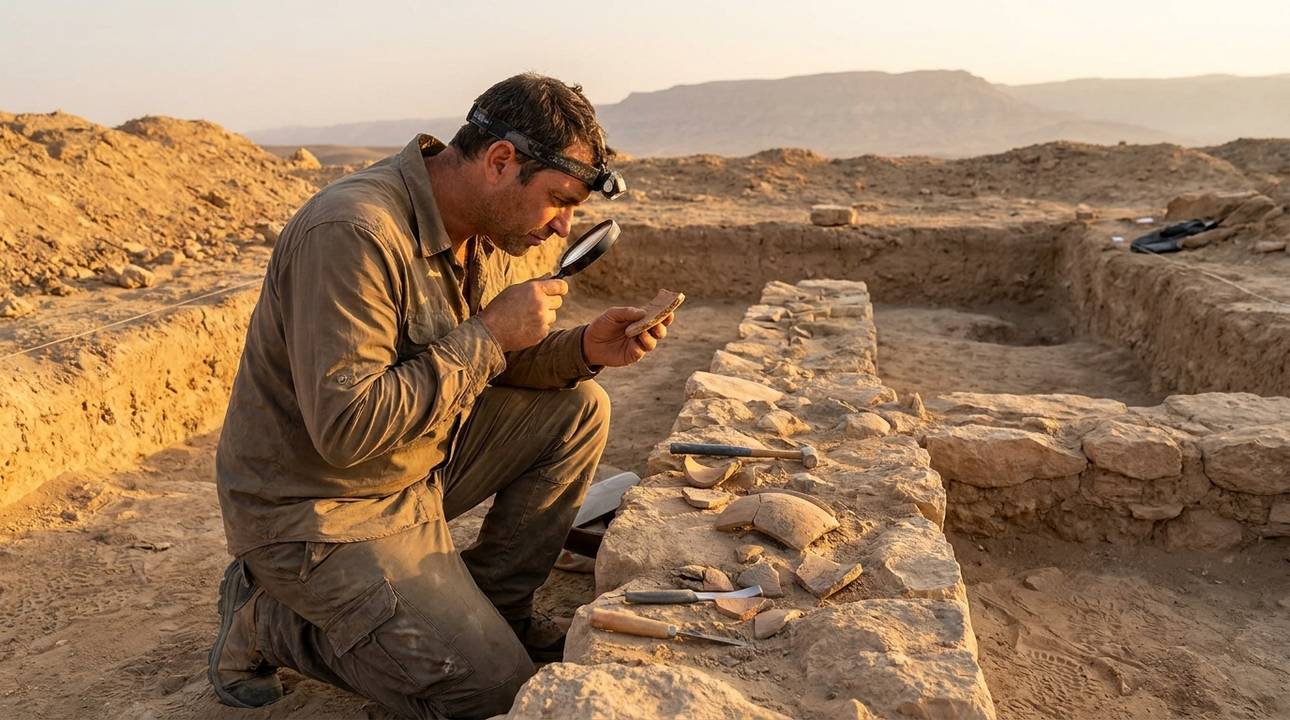
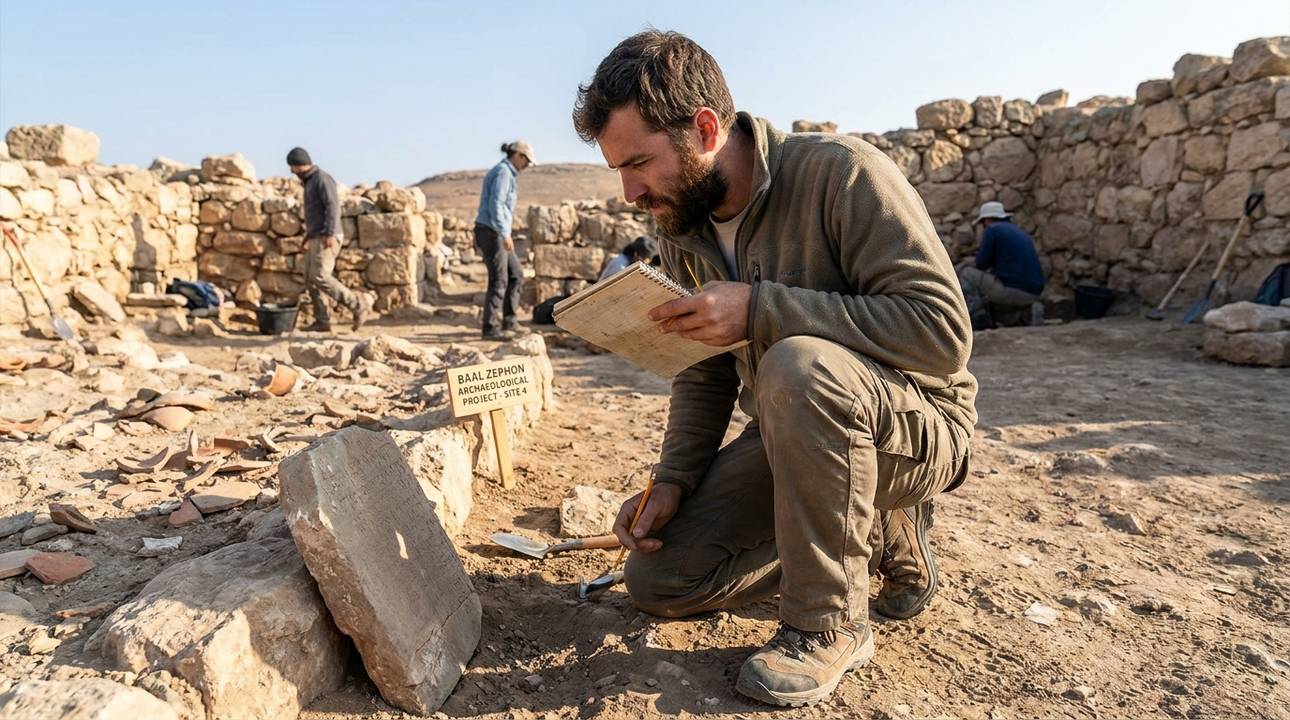
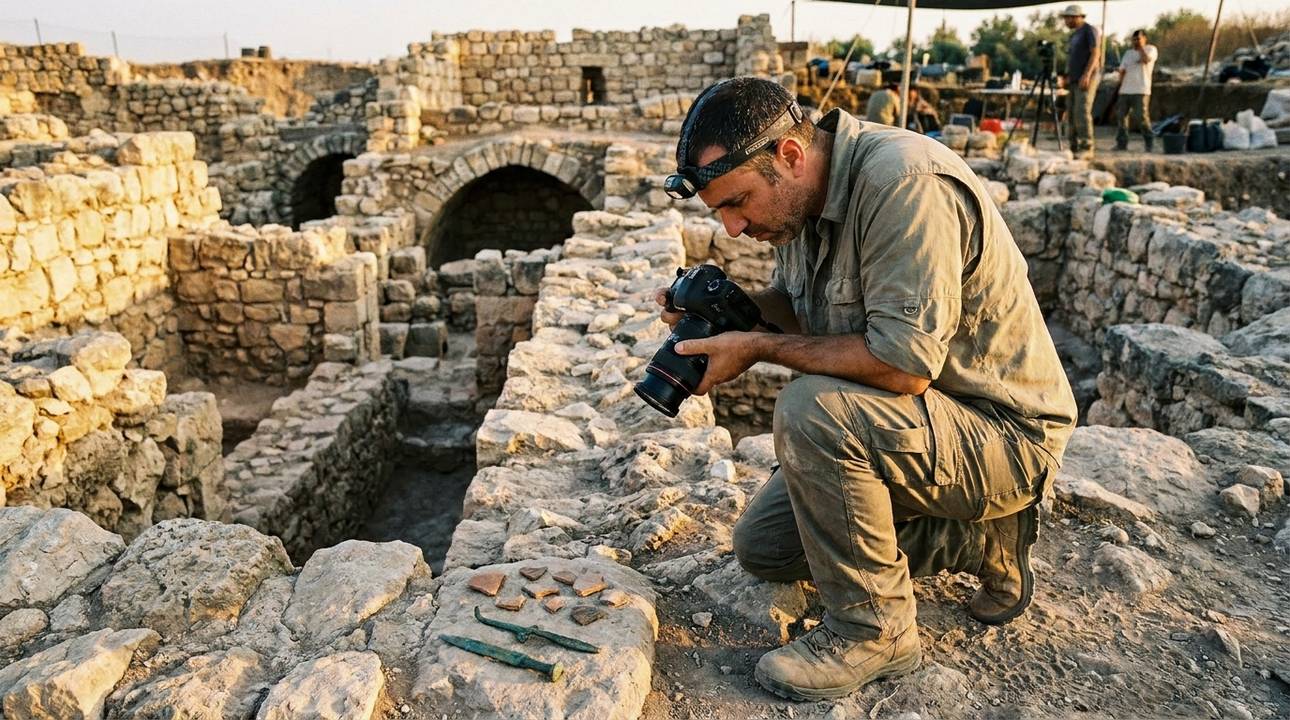
While archaeological evidence specifically identifying Baal Zephon is sparse, excavations in the surrounding regions offer context. Findings from nearby Tells (archaeological mounds) suggest a bustling trade and religious center.
These insights contribute to understanding the broader landscape of ancient Egypt, although definitive links to Baal Zephon remain elusive.
Artifacts such as pottery, tools, and inscriptions found in these areas provide valuable clues about the daily life and interactions of the people who lived there.
The lack of direct archaeological evidence for Baal Zephon highlights the challenges faced by researchers in identifying historical sites.
However, the discoveries from nearby regions offer tantalizing glimpses into the past, suggesting that Baal Zephon was part of a network of interconnected sites that played a role in trade and religious activities.
These findings underscore the importance of continued exploration and study to uncover the hidden stories of historical places like Baal Zephon, much like the discoveries at Tel Hazor. Tel Hazor, another significant archaeological site, has provided valuable insights into ancient Canaanite culture.
from the Western Wall to Masada.
Significance of Baal Zephon in Ancient Navigations
Baal Zephon likely served as an important navigational landmark in antiquity. Its prominence in texts suggests it was a known location for traders and sailors along the Mediterranean and Red Sea trade routes.
This positioning as a recognized waypoint underscores its role beyond a religious shrine, offering practical value to ancient mariners.
In historical times, sailors relied heavily on landmarks like Baal Zephon for navigation, as evidenced by its mention in various historical texts, including those by Pliny the Elder. Pliny’s ‘Natural History’ provides insights into how the ancients understood geography and navigation.
The strategic location of Baal Zephon along key trade routes made it a vital point for commerce and communication. Historical records indicate that it was a bustling center where goods and ideas were exchanged, contributing to the cultural and economic development of the region.
This dual role as both a religious and commercial hub highlights the multifaceted nature of historical sites like Baal Zephon, which served multiple purposes in the lives of those who lived and traveled in the area.
Similar to the city of Tyre, Baal Zephon was a place where diverse cultures intersected, facilitating the exchange of not only goods but also knowledge and beliefs.
Maps and Interpretations of Baal Zephon
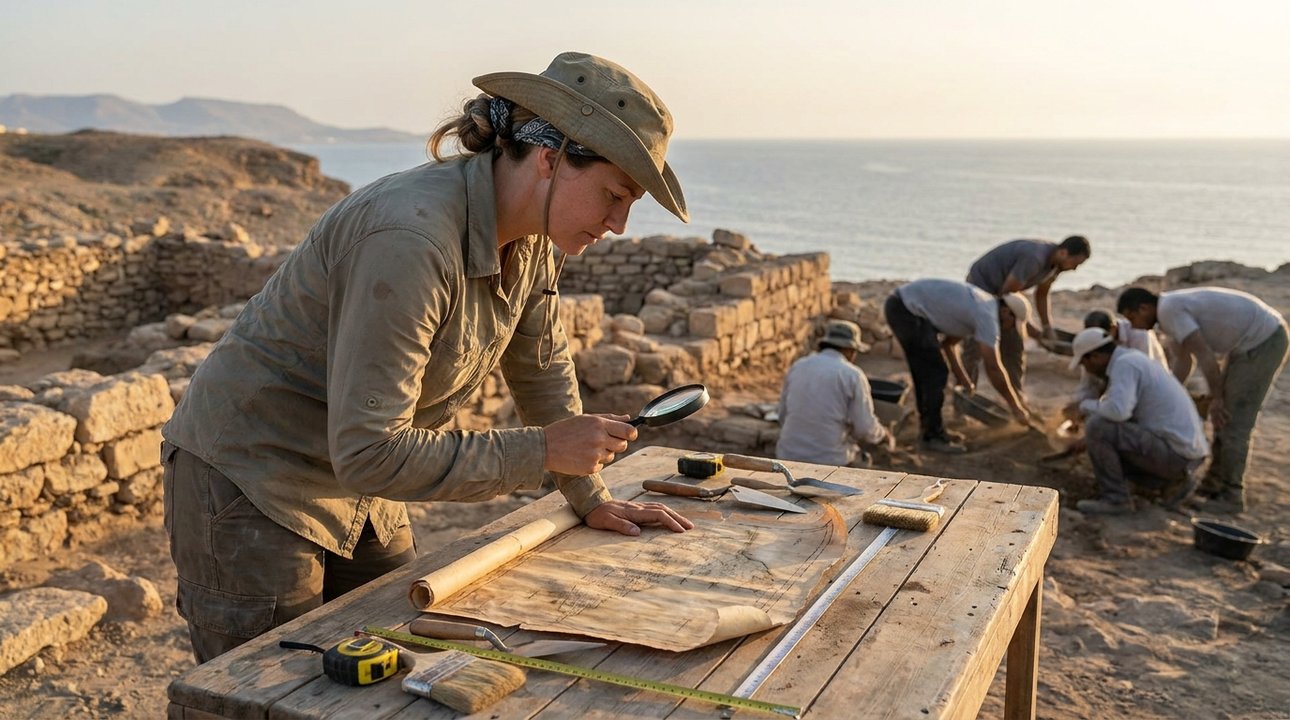
Various interpretations of ancient maps reveal contrasts in the depiction of Baal Zephon. Scholars have debated its precise location, reflecting the challenges of ancient cartography.
These interpretative efforts underscore an ongoing fascination with reconstructing historical geography, aiming to better understand the narratives woven into these ancient texts.
The debate over Baal Zephon’s location highlights the complexities of interpreting historical documents, where discrepancies in maps and texts require careful analysis. Such challenges are common in the study of ancient geography, where each new discovery can shift our understanding.
Ancient cartographers faced numerous challenges, including limited knowledge of distant lands and the lack of standardized mapping techniques. As a result, maps from different periods and regions often depict places like Baal Zephon differently.
For example, Herodotus, the Greek historian, wrote about the region in his works, providing insights into how the ancient world perceived these locations.
This variability in ancient maps adds to the intrigue of studying sites like Baal Zephon, as scholars piece together clues from sources like Herodotus and Strabo to form a clearer picture of its historical context and significance.
Strabo, a Greek geographer, also mentioned various regions in his ‘Geographica’, which helps modern scholars understand the ancient world’s perspective.
Baal Zephon in Modern Interpretations
Today, Baal Zephon continues to capture the interest of historians and archaeologists. The site represents a convergence of history, mythology, and research. Ongoing research and interpretation efforts aim to resolve its mysteries, providing richer insights into its role and relevance in the ancient world. This historical mention adds to its allure, prompting scholars to explore its geographical and cultural role.
Archaeologists have uncovered artifacts in nearby regions that hint at the site’s importance in ancient trade and religious practices. These findings include pottery and inscriptions that suggest Baal Zephon was more than just a religious site; it was a hub of activity that connected various cultures and peoples. The ongoing fascination with Baal Zephon highlights the enduring quest to understand the complex mix of the ancient world, where faith, commerce, and culture intersected, much like at other sites such as Megiddo. Megiddo, known for its strategic importance, offers parallels to Baal Zephon’s multifaceted role.
Understanding Baal Zephon
