
Discovering Zoar: A Journey Through History
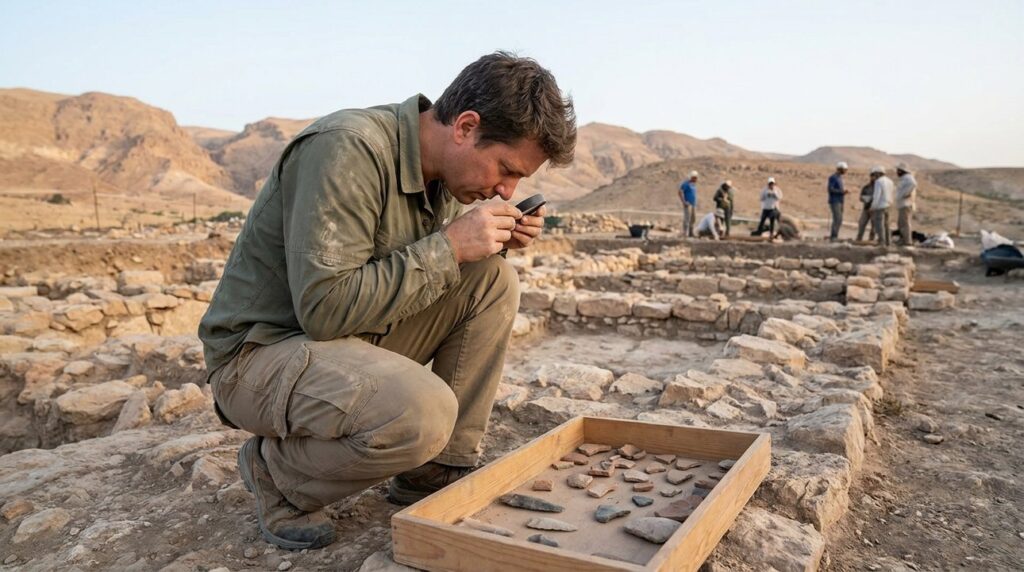

The ancient town of Zoar holds a notable position in the Bible. It was situated near the southern end of the Dead Sea.
Zoar is most recognized from the story of Lot in Genesis. When Sodom and Gomorrah were destroyed, Lot sought refuge in Zoar.
This article explores Zoar’s location, biblical references, and current knowledge about the site.
Zoar was located near the Dead Sea, an area associated with several significant biblical events. It was one of the few towns in the vicinity that survived.
In Genesis, Zoar is where Lot fled when fire consumed nearby cities. Its Hebrew name means “small” or “little.”
Zoar’s survival made it a symbol of refuge in biblical narratives.
from the Western Wall to Masada.
What Is Zoar?
Zoar is first mentioned in Genesis 13. Lot, Abraham’s nephew, observed the lush plain of the Jordan extending toward Zoar and chose to settle there.
Zoar is also referred to as Bela in Genesis 14. It was one of the “cities of the plain,” along with Sodom, Gomorrah, Admah, and Zeboiim.
In Genesis 19, Lot was instructed to flee. He requested to escape to Zoar, a small town nearby, where he and his daughters found safety.
Lot’s plea to flee to Zoar is crucial to the story. He claimed he couldn’t reach the hills in time, so he asked to go to the small town instead.
The Bible explains the town’s name through this plea. Lot called it “a little one,” and thus it was named Zoar, meaning “small.”
Zoar was spared while other cities were destroyed, marking it as a place of safety.
Zoar in Historical Context
Scholars generally place Zoar near the southeastern end of the Dead Sea, around modern Ghor es-Safi in Jordan.
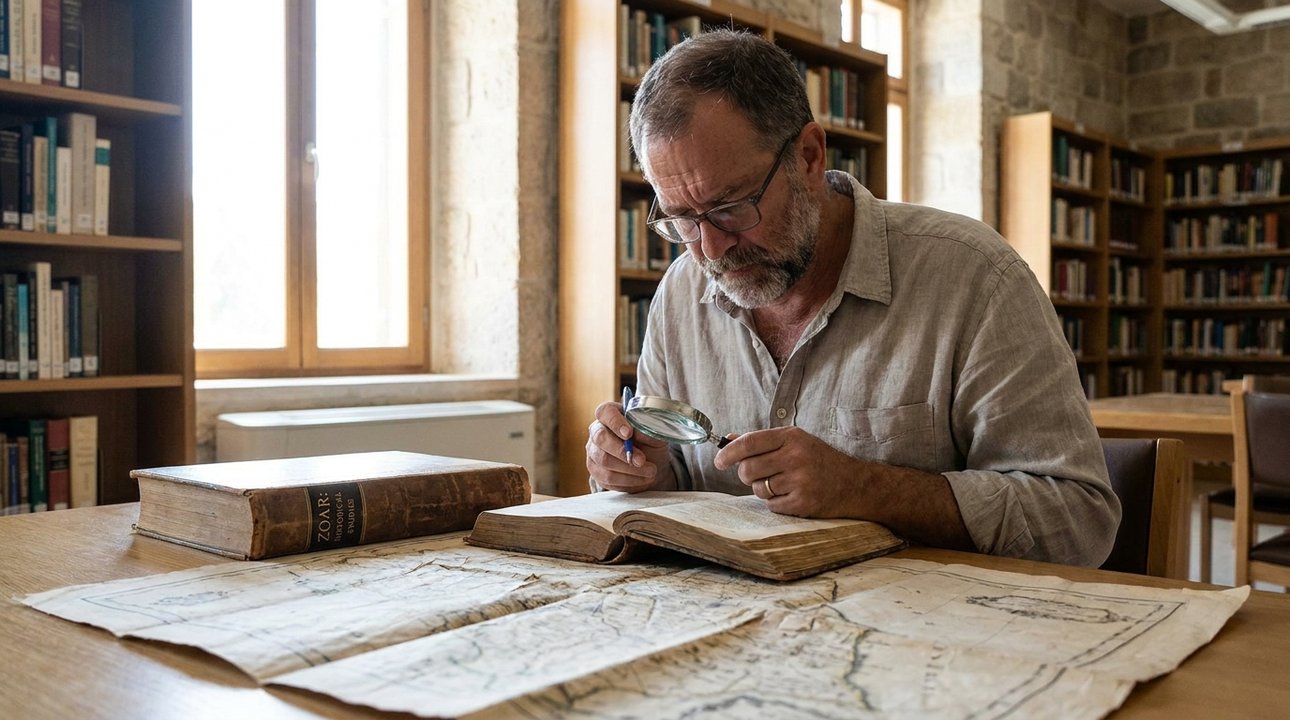
The precise location remains debated. Some researchers suggest areas north of the Dead Sea, others to the south.
The region around Zoar had water and fertile land, enabling agriculture. However, concrete archaeological evidence from Lot’s era is scarce, leaving some questions unanswered.
Historical Narrative and Zoar
Zoar is mentioned again at the end of the Torah. In Deuteronomy 34, Moses ascends Mount Nebo before his death.
From this vantage point, God shows him the entire land, from Gilead in the north to Zoar in the south.
This passage identifies Zoar as a known landmark at the edge of the land shown to Moses.
Zoar is also mentioned in later prophecies. It appears in the messages against Moab in Isaiah 15:5 and Jeremiah 48:34.
In these texts, people fleeing danger head toward Zoar in the south. The town represents the southernmost point of the region.
These references indicate Zoar remained recognized long after Lot’s time.
Zoar as a Place of Refuge
In biblical narratives, Zoar is highlighted as a place of refuge. It survived when surrounding cities were destroyed.
Lot and his daughters escaped there during Sodom’s judgment, as he opted for the small town over the hills.
Zoar is thus remembered as a refuge in the Genesis story.
The account of Zoar is part of the broader story of Lot and his family. It illustrates how Lot survived when the cities of the plain were destroyed.
The town also serves as a geographical marker, linking the story to a specific region near the Dead Sea.
For contemporary readers, Zoar is significant as a biblical location and part of the Sodom and Gomorrah narrative.
from the Western Wall to Masada.
Zoar Today
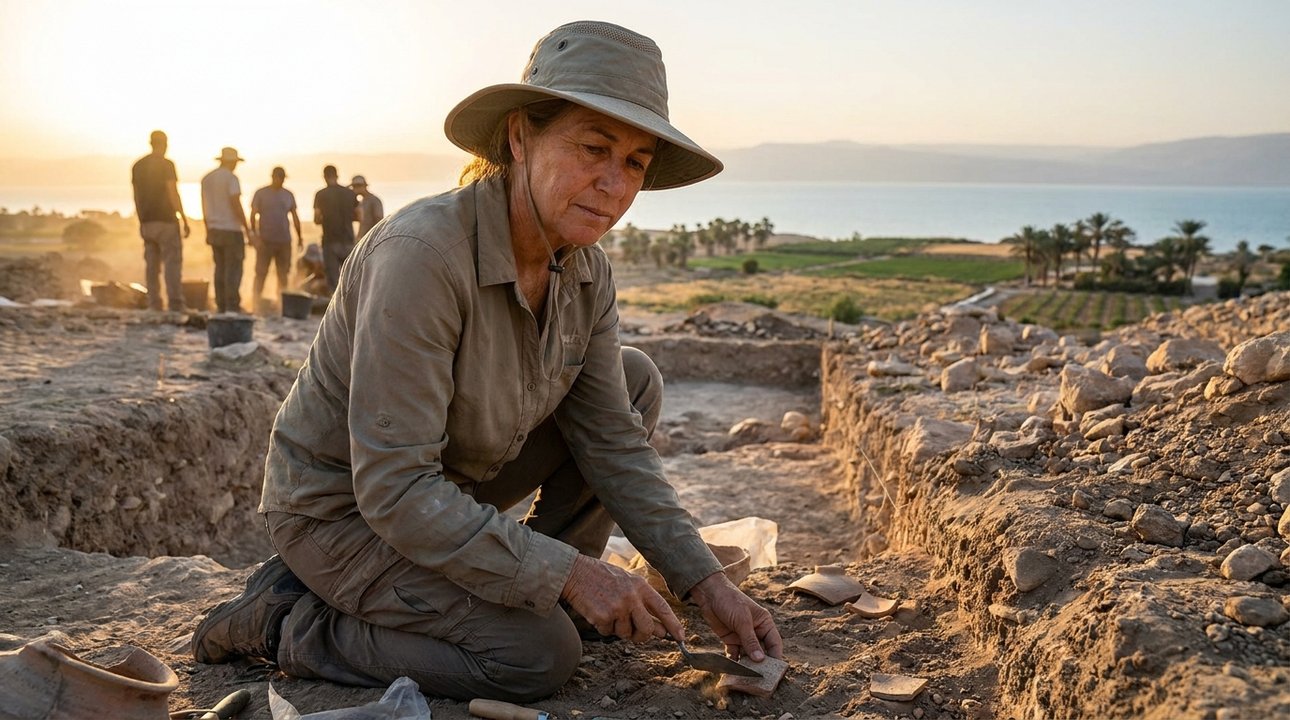
The site associated with Zoar is at Ghor es-Safi, near the Dead Sea’s southeastern end in Jordan. In later periods, a town named Zoara existed there.
Archaeologists have found Byzantine-era remains, including a church with mosaics from the sixth and seventh centuries. A nearby cave is traditionally believed to be where Lot found shelter.
Over 400 inscribed tombstones in Greek and Aramaic have also been discovered in the area.
Findings at Ghor es-Safi indicate long-term settlement and activity. They do not confirm the exact location of Lot’s Zoar.
Nonetheless, they establish why this location is linked with Zoar. The site connects biblical accounts to a known geographical point.
For Bible scholars, Zoar remains a crucial reference for the story of the cities of the plain.
Legacy of Zoar in Jewish Tradition
Jewish sources continued to mention Zoar long after Genesis. It appears in later Jewish texts as an inhabited place.
During the Byzantine period, the area had a diverse population. Some inscribed tombstones found there are in Aramaic.
In the biblical narrative, Zoar is primarily remembered as the town spared when Sodom and Gomorrah were destroyed.
Zoar in the Context of the Region
Zoar was at the Dead Sea’s southern end, in the valley linked with the cities of the plain. Genesis 14 associates this area with the Valley of Siddim and the Salt Sea.
This situates Zoar within the broader region featured in many biblical events. It lay on the southern boundary of that area.
Understanding Zoar’s location helps contextualize Lot’s story, positioning it near Sodom and other cities of the plain.
Conclusion: Understanding Zoar’s Role
Zoar has a modest yet consistent presence in the Bible. It appears in Lot’s story, in Moses’ view from Mount Nebo, and in later prophecies.
In each instance, Zoar denotes a real location near the Dead Sea’s southern end. It is best known as the town spared during Sodom and Gomorrah’s destruction.
For readers, Zoar is a valuable reference for understanding the story of the cities of the plain.
To summarize the sources, Zoar is cited in Genesis 13, 14, and 19, Deuteronomy 34:3, Isaiah 15:5, and Jeremiah 48:34.
These passages collectively depict a small town near the Dead Sea that was spared and remembered. Its probable location today is Ghor es-Safi in Jordan.
This combination of biblical text and archaeology sustains interest in Zoar.
Historical Context of Zoar
