
7 Fascinating Things You May Not Know About Jerusalem
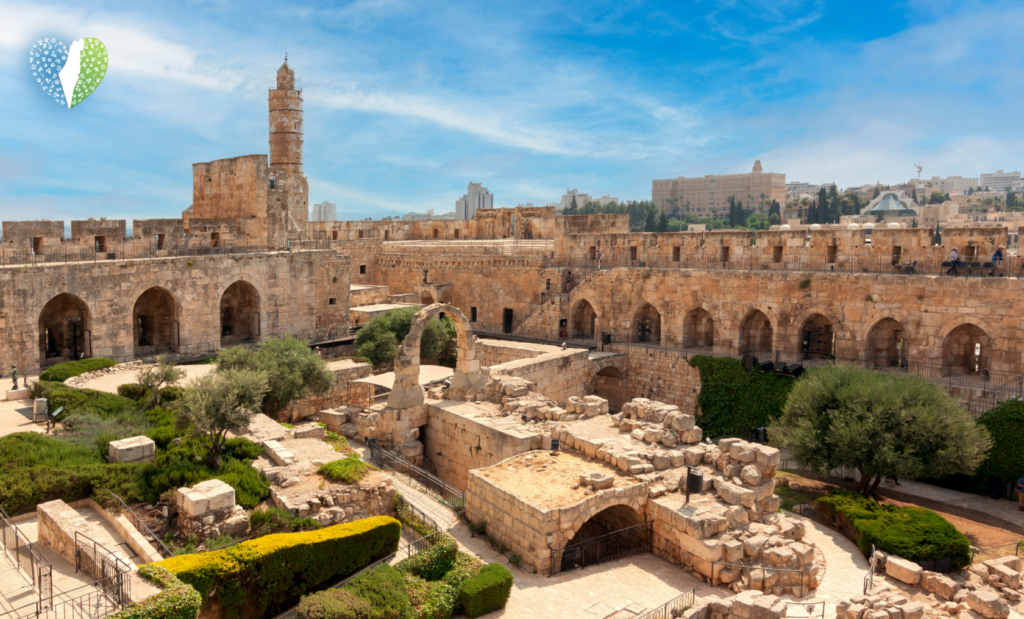

Jerusalem is one of the most recognized cities in the world. For thousands of years, people have prayed toward it, written about it, fought for it, and crossed continents just to walk its streets. The city stands at the center of history, faith, and culture in a way few places ever have. And yet, despite its fame, many of the most fascinating things about Jerusalem remain surprisingly unknown. This is a city layered with thousands of years of human history – and every generation continues to uncover new pieces of its story. Here are seven remarkable facts that reveal why Jerusalem is truly unlike any other city on Earth.
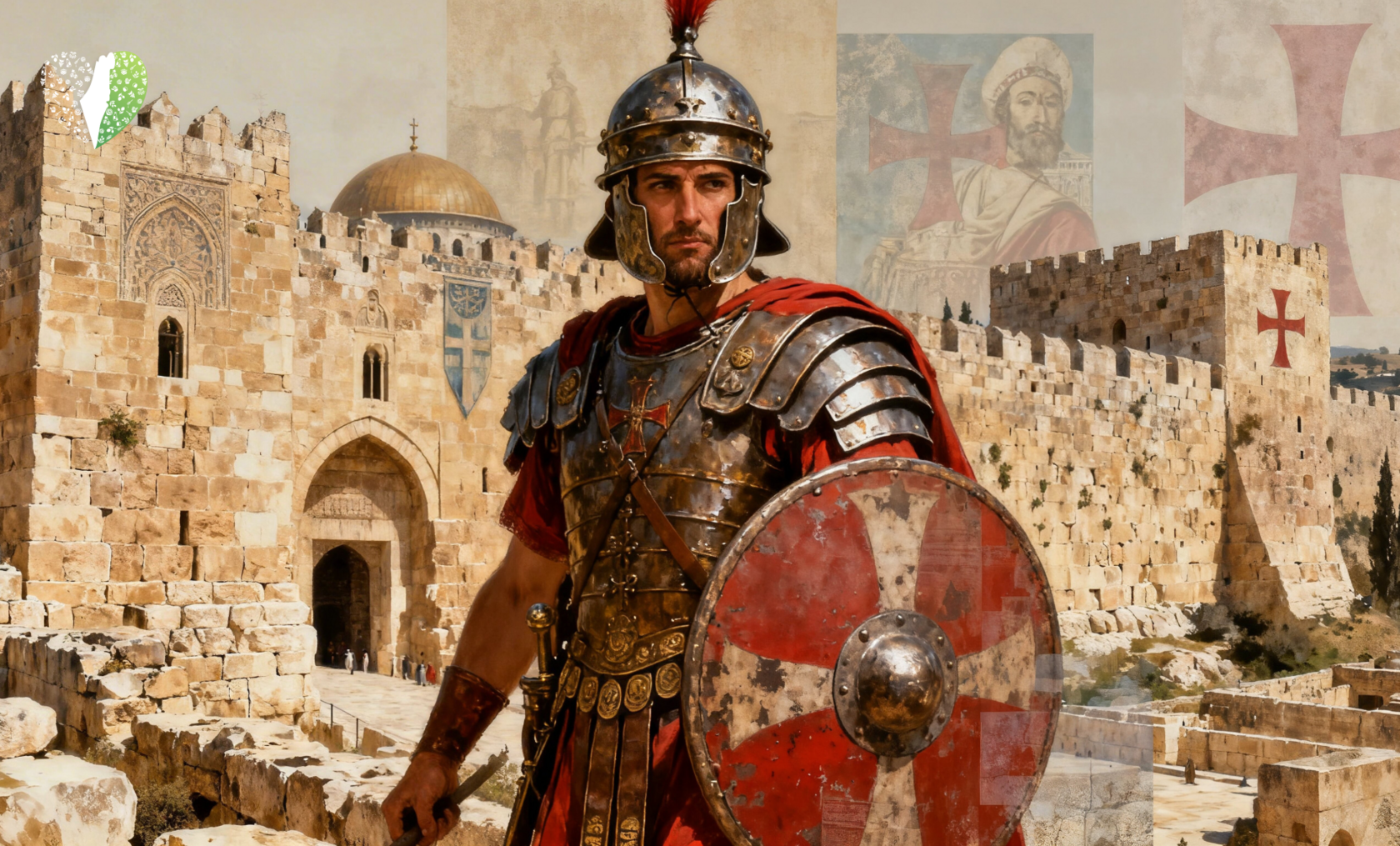
1. Jerusalem Has Been Conquered Dozens of Times
Few cities in history have experienced as much conflict as Jerusalem. Because of its spiritual importance and strategic location, the city has changed hands repeatedly throughout history. Historians estimate that Jerusalem has been:
from the Western Wall to Masada.
Captured or conquered more than 40 times
Besieged at least 23 times
Destroyed twice and rebuilt multiple times
Major empires that ruled Jerusalem include the
Babylonians, Persians, Greeks, Romans, Byzantine Empire, Islamic Caliphate, Crusaders, Ottomans, and the British Empire
. Despite these constant upheavals, one thing remained remarkably consistent: the deep connection of the Jewish people to the city. For thousands of years, Jewish communities around the world have prayed facing Jerusalem – a tradition that continues today. And fascinatingly, the physical evidence of these ancient periods is still being uncovered.
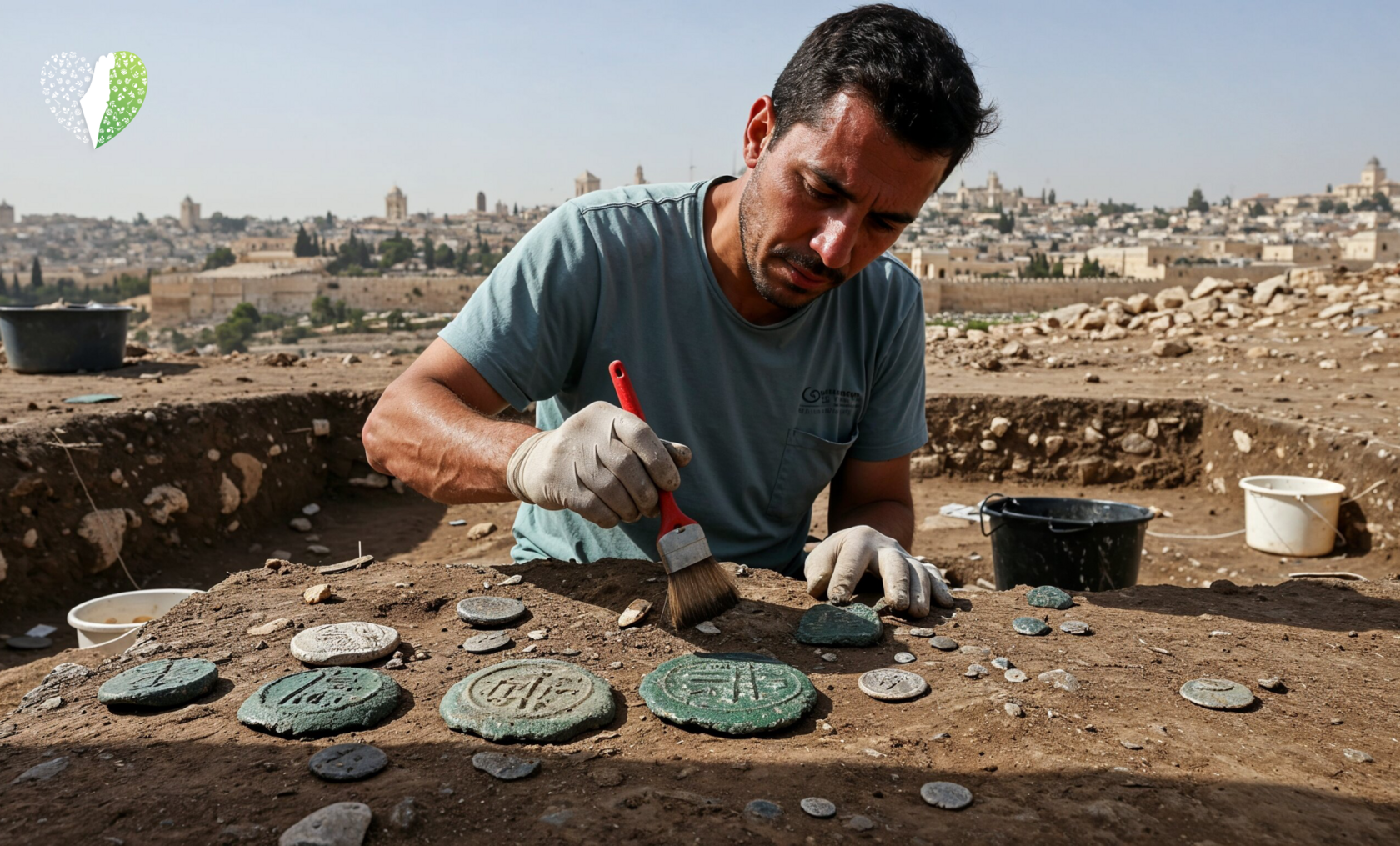
2. Archaeologists Are Still Discovering New Pieces of Jerusalem’s Past
Jerusalem is one of the most actively excavated cities in the world. Beneath the modern city lie
layers of civilizations dating back more than 5,000 years
, and archaeologists continue to make discoveries that shed light on biblical and ancient history. In recent years alone, researchers have uncovered:
A 2,700-year-old clay seal
bearing the name of a royal official mentioned in the Bible, discovered near the Western Wall in 2018. Dating to the First Temple period (7th century BCE), it bears an ancient Hebrew inscription reading “belonging to the governor of the city,” providing the first archaeological evidence for this biblical title.
A stepped pilgrimage road
believed to have been used by Jewish pilgrims traveling to the Temple during the Second Temple period
Hundreds of coins from the Great Jewish Revolt against Rome (66 – 70 CE)
Remains of homes and ritual baths from the time of King Hezekiah
One of the most fascinating ongoing archaeological projects is the
Temple Mount Sifting Project
, where archaeologists carefully examine soil removed from the Temple Mount. Even today, they continue to uncover ancient coins, jewelry, and artifacts thousands of years old. In Jerusalem, history isn’t just remembered – it is still being discovered.
Jerusalem’s Story Continues Today
3. Jerusalem Became the Capital of Israel More Than 3,000 Years Ago
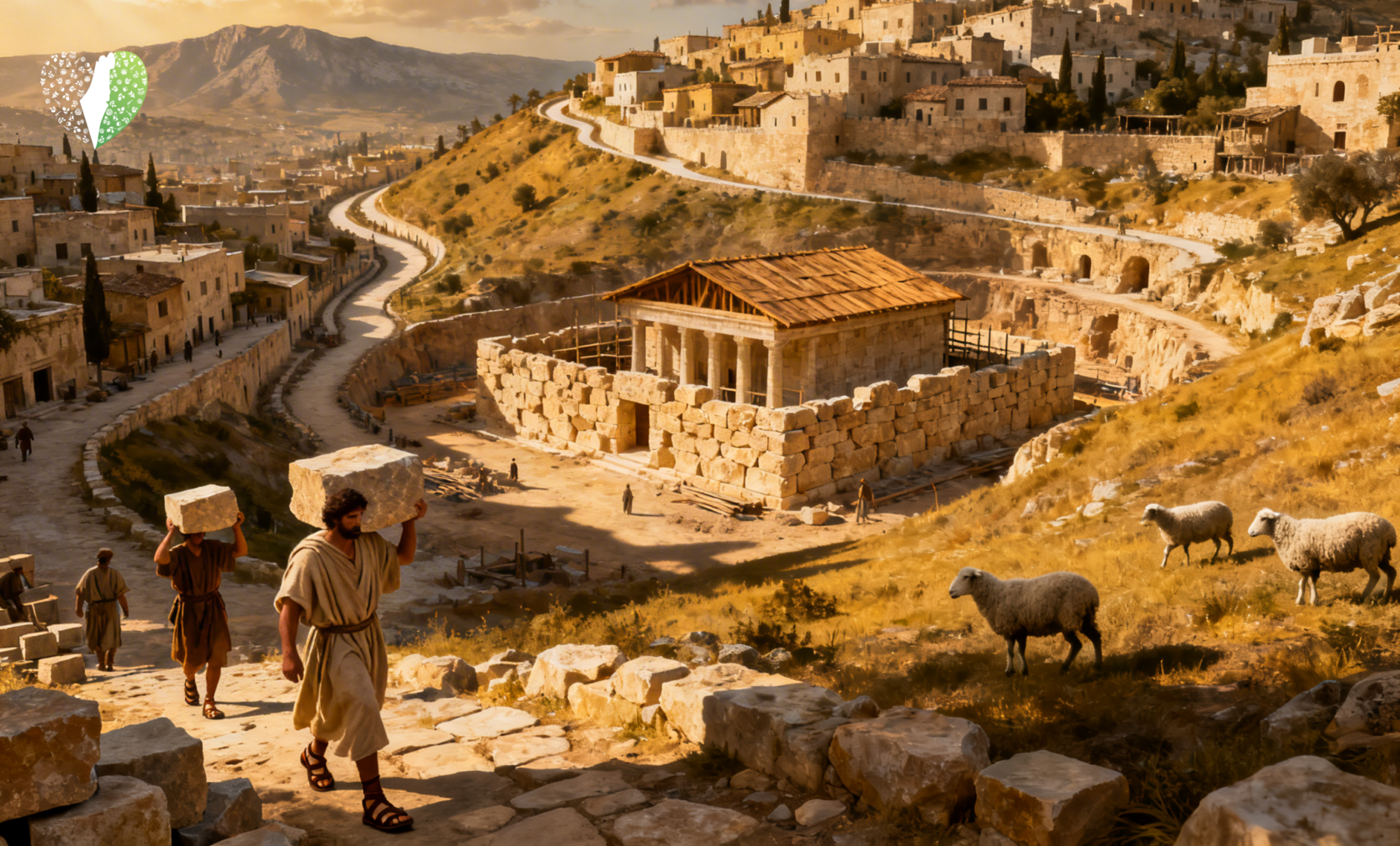
Jerusalem’s role as the center of Jewish life began long before the modern State of Israel. Around
1000 BCE
, King David captured the city and established it as the capital of the Kingdom of Israel. His son,
King Solomon
, later built the First Temple there, making Jerusalem the religious center of the Jewish people. When the Babylonians destroyed the First Temple in
586 BCE
, many Jews were exiled from the land. Yet decades later, they returned and rebuilt the
Second Temple
, which stood for nearly six centuries before being destroyed by the Romans in
70 CE
. Even after the destruction and centuries of exile that followed, Jerusalem remained central to Jewish faith and identity – a connection preserved in prayers, traditions, and memory across generations. This profound spiritual importance shaped how people across the world viewed the city.
4. Medieval Maps Placed Jerusalem at the Center of the World
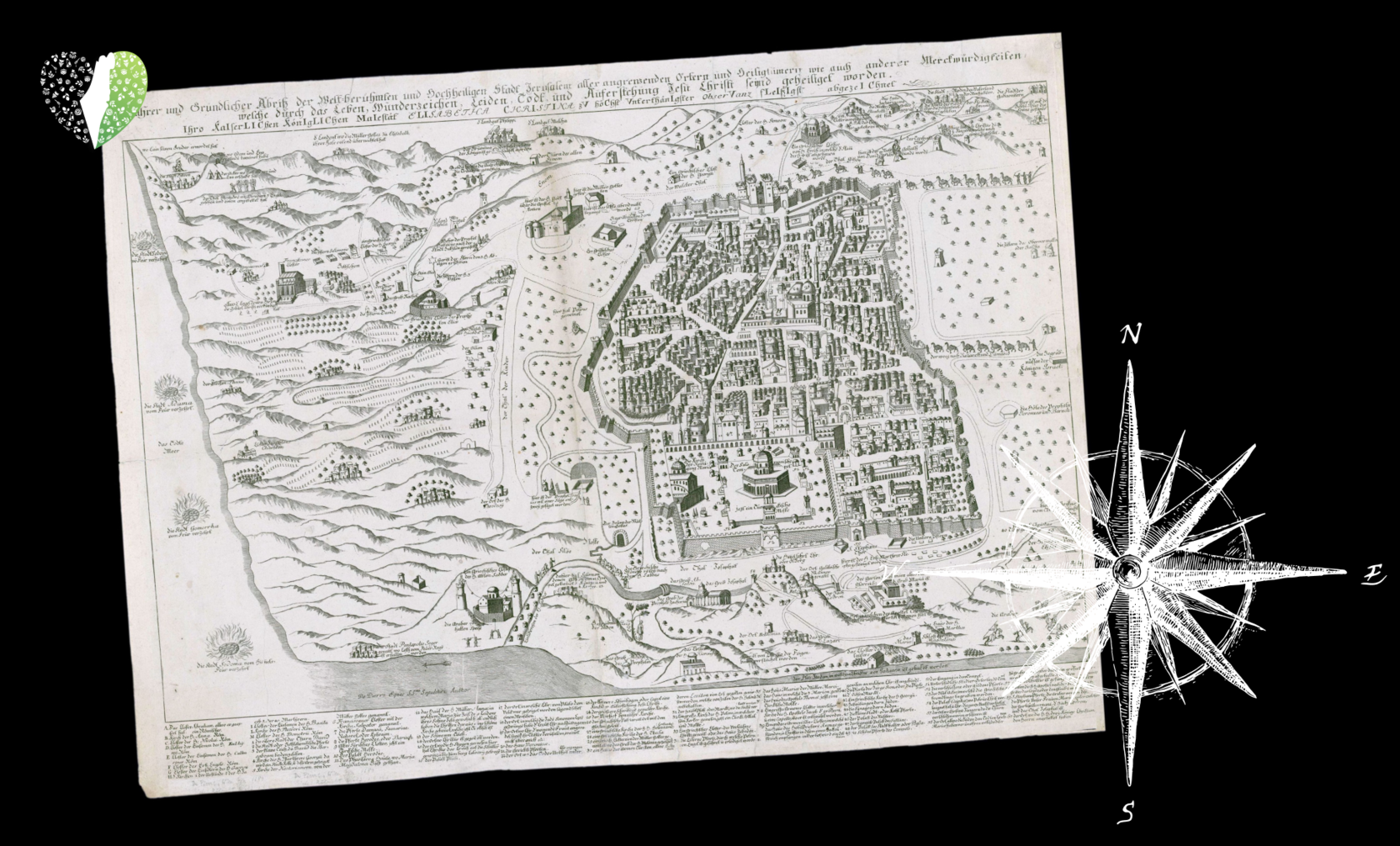
If you look at certain medieval maps, you may notice something surprising. Jerusalem appears
right at the center of the world
. One famous example is the
Hereford Mappa Mundi
, a map created in the 13th century that places Jerusalem in the middle of the known world. This was not a geographic claim – it was symbolic. For many people in the medieval world, Jerusalem represented the
spiritual center of humanity
, a place where heaven and earth were believed to meet. Even today, that symbolism continues. Jewish communities around the globe still pray
from the Western Wall to Masada.
facing toward Jerusalem
, maintaining a connection that has lasted thousands of years. Even the city’s name reflects a deeper meaning.
5. The Name “Jerusalem” Carries an Ancient Message
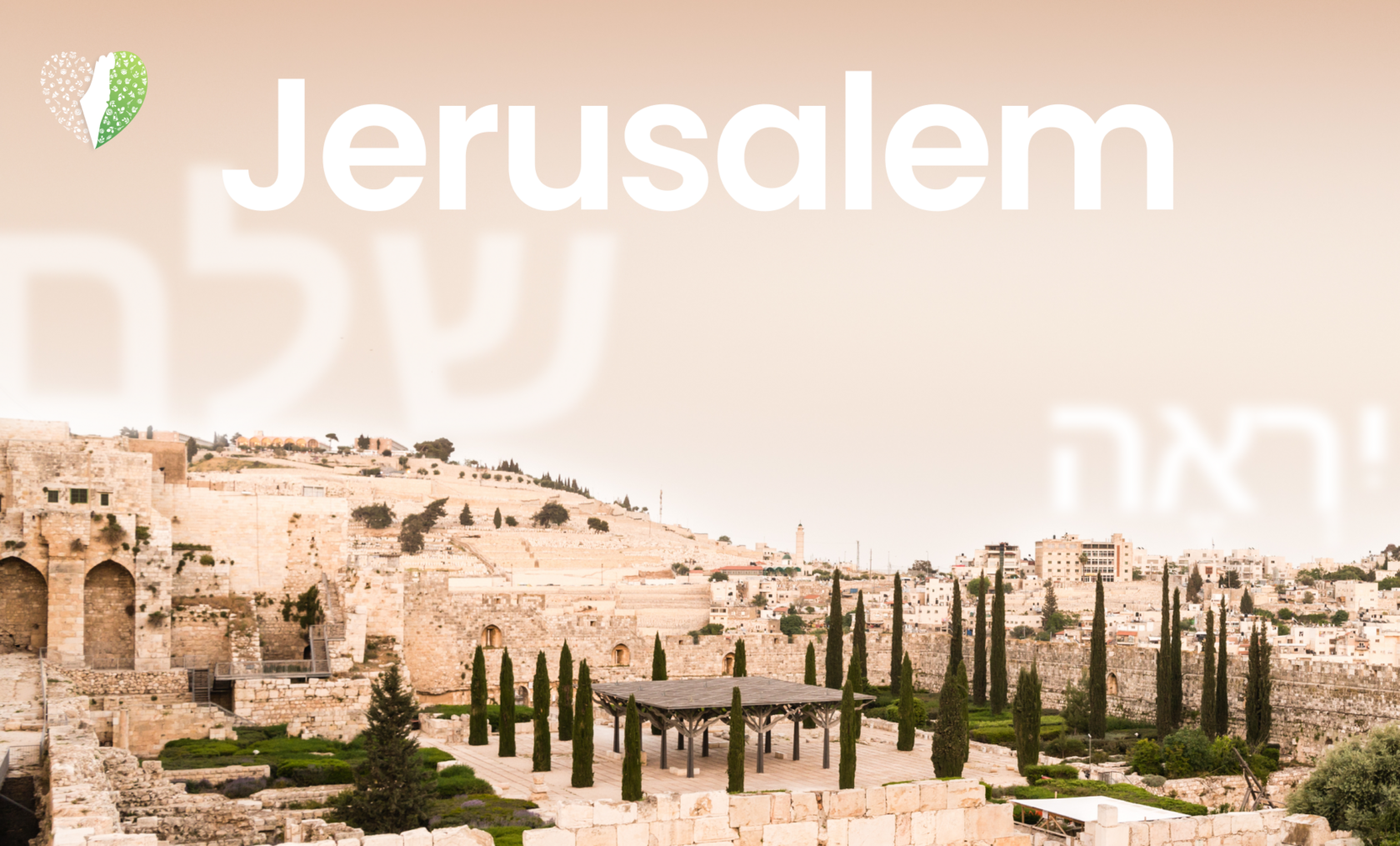
The name Jerusalem is believed to come from two ancient Hebrew roots:
“Yireh” – meaning “to see”
“Shalem” – meaning “peace”
Together, the name is often interpreted as
“Vision of Peace.”
According to Jewish tradition, the name also connects to the biblical story of Abraham and the location where he nearly sacrificed his son Isaac – the same area that later became the site of the Temple Mount. For thousands of years, Jerusalem has carried this powerful symbolism – a place where faith, history, and hope intersect. And some of the physical structures connected to that history are still standing today.
Stay Connected to the Holy Land
6. Some Stones in the Western Wall Weigh Over 500 Tons
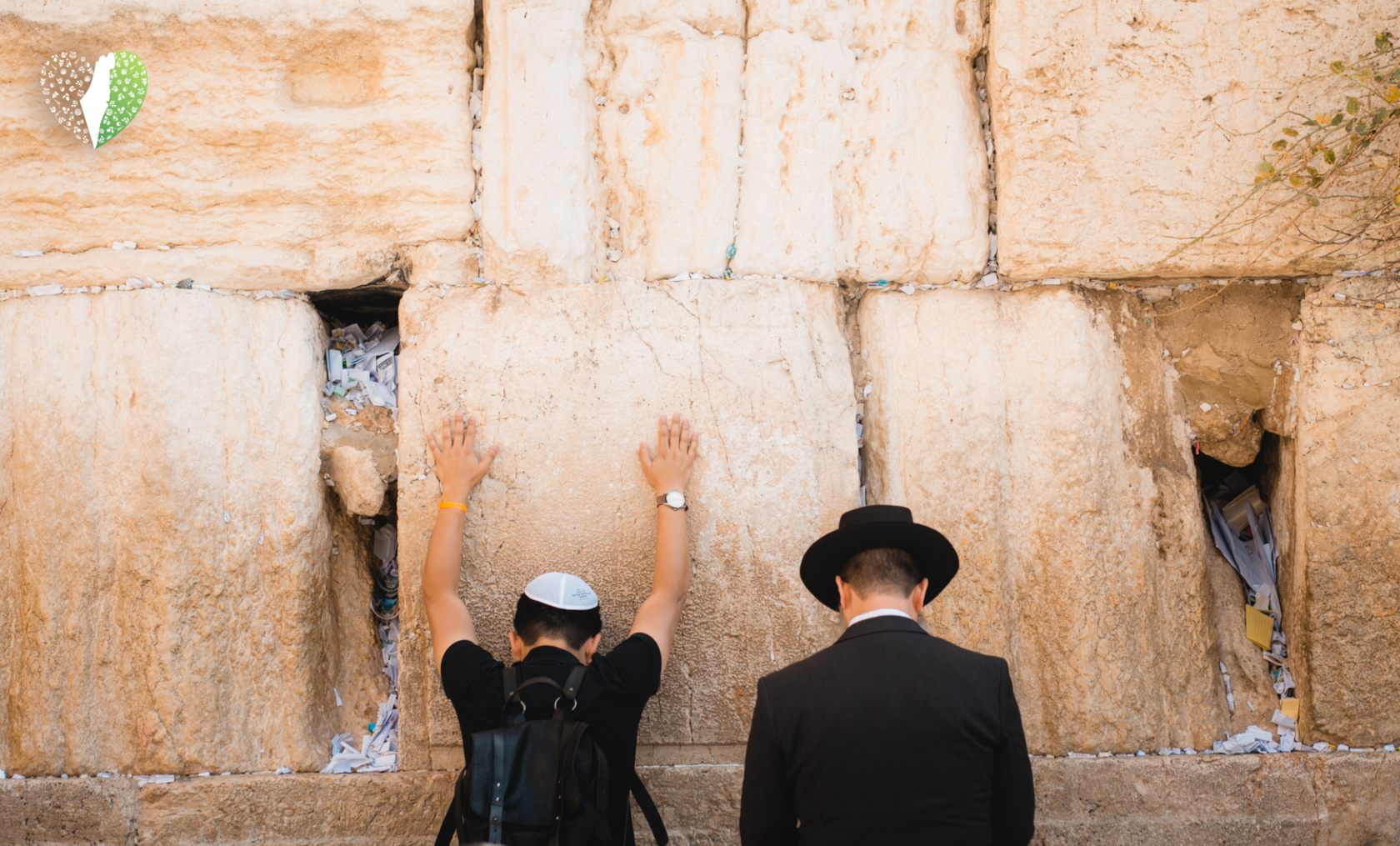
One of the most iconic sites in Jerusalem is the
Western Wall
, the remaining section of the massive retaining walls built around the Second Temple complex nearly 2,000 years ago. What many visitors don’t realize is the incredible size of the stones used in its construction. The largest stone in the wall – known as the
Western Stone
– weighs an estimated
570 tons
and stretches more than
13 meters (44 feet) long
. This makes it one of the largest building blocks ever used in ancient construction. Even more astonishing is the fact that these stones were positioned
without modern machinery
. Historians believe ancient builders used complex systems of ramps, rollers, and manpower to move these enormous blocks into place. Standing before the Western Wall today means standing before stones that have witnessed nearly
two thousand years of Jewish history and prayer
. And yet, despite its ancient past, Jerusalem is far from frozen in time.
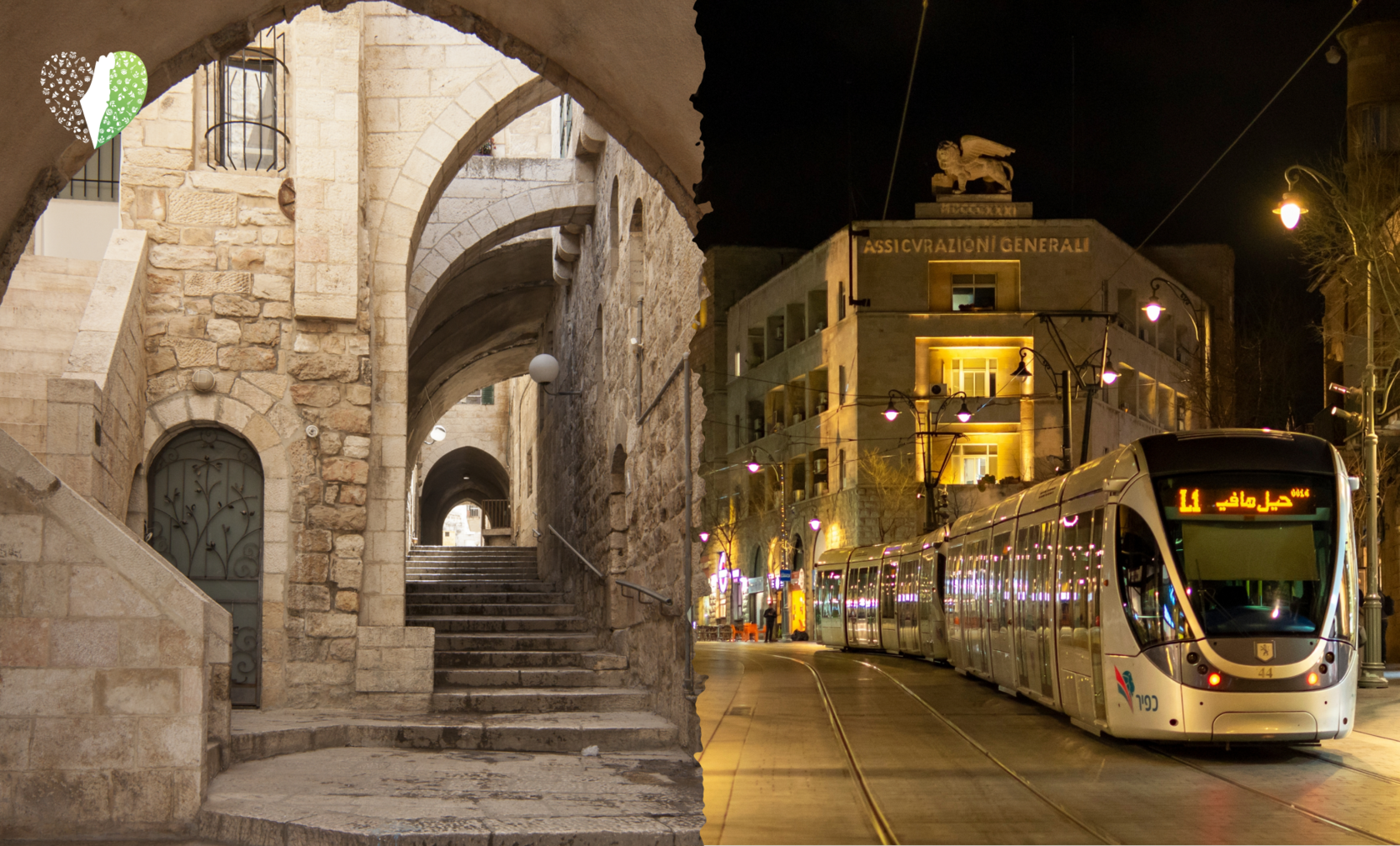
7. Jerusalem Is Both Ancient and Modern at the Same Time
Many ancient cities exist only as ruins. Jerusalem is different. Walk through the
Old City
, and you’ll see pilgrims walking streets surrounded by walls built in the 1500s during the Ottoman period. You can visit the Western Wall, where people from around the world gather to pray. But just beyond those ancient walls, the city is alive with modern life – bustling markets, universities, museums, technology companies, and neighborhoods filled with families building their future. Jerusalem is one of the few places in the world where
3,000 years of history and everyday modern life exist side by side
. What makes Jerusalem truly remarkable is not just its past, but the way its story continues to unfold. Every year, archaeologists uncover new discoveries that deepen our understanding of the city’s history. Every day, people from around the world continue to feel drawn to it – spiritually, culturally, and historically. Jerusalem is more than an ancient place. It is a living symbol of faith, resilience, and connection that has endured for thousands of years. And for many people around the world, that connection to the Holy Land remains deeply meaningful – even from far away.

For those who feel that connection, finding ways to stay close to the land and its people can be incredibly meaningful. That’s one of the reasons
Lev Haolam
was created. Lev Haolam partners with Israeli farmers, artisans, and small businesses across the Holy Land to share authentic products and stories from Israel with supporters around the world. Each monthly box features items made in Israel – from traditional foods and handmade crafts to unique products inspired by the culture and heritage of the land. Along with the products themselves, subscribers also discover the stories of the families and communities behind them. It’s a simple but powerful way to experience a piece of the Holy Land in everyday life.
Strengthen Your Connection to the Holy Land
Jerusalem has inspired faith, hope, and devotion for thousands of years. Today, that connection continues to reach people across the world who feel a bond with the land and its people. If you would like to feel closer to the Holy Land while supporting Israeli families and communities, Lev Haolam offers a meaningful way to do just that.
Strengthen your connection to the Holy Land today.
