
Exploring the Unique Heritage of Maon
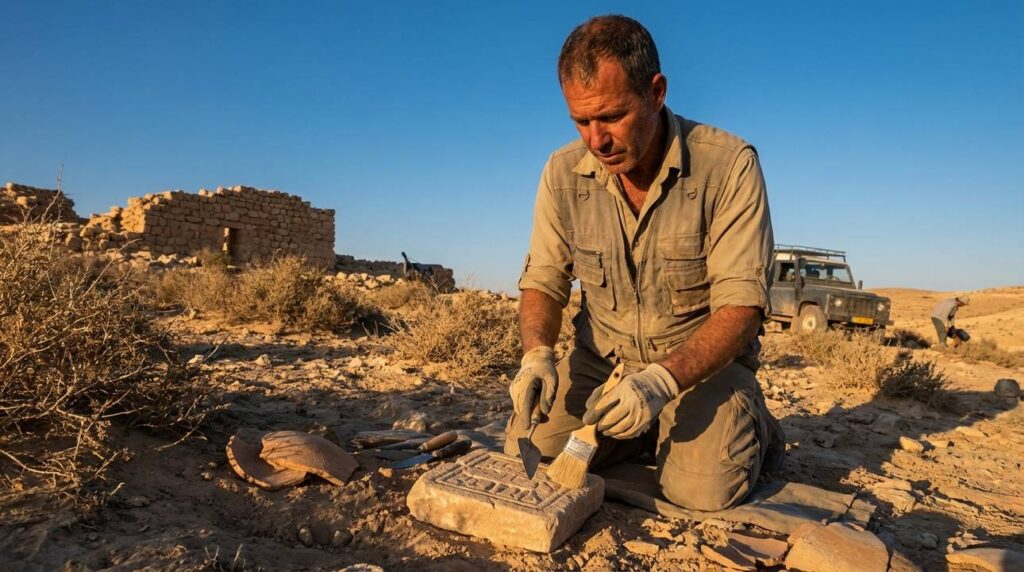

Maon holds a distinct place in history, known for its strategic location in the region of Judah. It provides insights into the life and challenges faced by its inhabitants, detailing a chapter of suspense and intrigue in the narrative of its past. This area, near the wilderness of Ziph, was a strategic location offering both refuge and resources.
The terrain of Maon, with its rugged hills and caves, provided natural defenses. This period was crucial for local leaders who built alliances that supported their influence. The story of Nabal and Abigail unfolds near Maon, highlighting the region’s significance in historical narratives. The strategic use of the wilderness of Maon showcases the wisdom in evading pursuits, emphasizing the region’s importance.
The caves and hills of Maon not only offered refuge but also a place where leaders could gather followers. The alliance with local leaders was instrumental in their influence. Maon’s geographical features played a vital role in survival and strategic planning during challenging times.
Where Was Maon Located?
Maon was situated within the mountainous region of Judah. This location was near the town of Carmel, not far from the wilderness areas frequented by historical figures. The area was known for its rugged terrain, making it a suitable place for someone seeking refuge, adding to its historical intrigue. It lay along significant ancient trade routes, contributing to local wealth and strategic importance. This connection to trade possibly played a role in the interactions described in historical accounts.
The strategic location of Maon, nestled in the Judean hills, provided a natural fortress for David during his time as a fugitive. Its proximity to trade routes not only facilitated economic growth but also made it a focal point for political interactions. The rugged landscape, as mentioned in 1 Samuel 23, offered both challenges and opportunities for those seeking refuge or control over the region.
What Is Maon’s Role in the Bible?
The most noted story involving Maon is linked to historical narratives. Here, local leaders interacted with figures of influence, highlighting the local political dynamics. These accounts reveal reliance on local resources and the need for diplomacy. It also introduces Abigail, a prominent figure, whose wise intervention prevented conflict, showcasing her as a peacemaker.
David’s encounter with Nabal in Maon illustrates the complex socio-political landscape of the time. Nabal’s wealth, derived from his extensive flocks, made him a significant figure in the region. The interaction between David and Nabal highlights the delicate balance of power and the importance of maintaining good relations with influential locals, a theme that resonates throughout David’s life.
Who Were the Inhabitants of Maon?
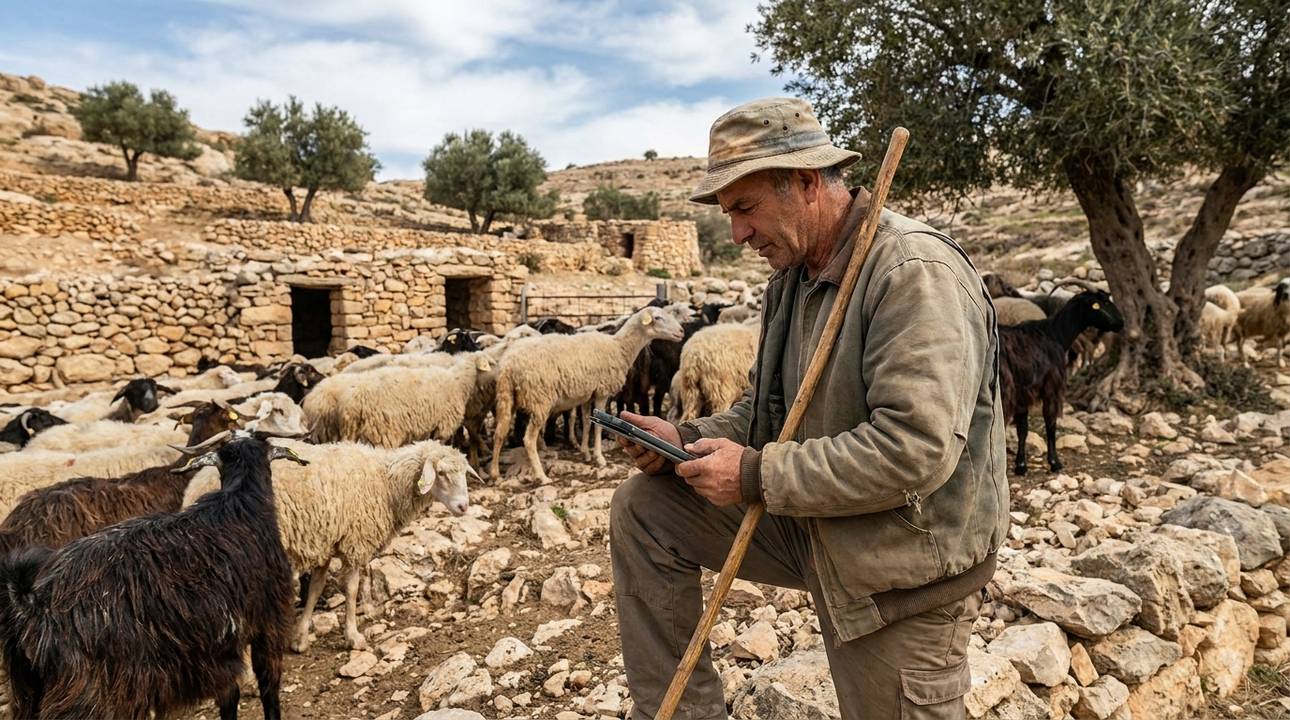
The people of Maon were primarily shepherds and agriculturalists. Given the topography, shepherding was a vital part of the local economy, with flocks and herds common in the region. Nabal, a wealthy livestock owner, is a significant character associated with the town. Their lives were deeply connected to the land, with a culture that revolved around agriculture and livestock. Interactions with David suggest a mix of socio-political relationships. The story of Nabal in 1 Samuel 25 highlights these dynamics.
Maon’s economy, centered on livestock and agriculture, reflects the broader economic practices of ancient Judah. The region’s rugged terrain made it ideal for shepherding, a crucial livelihood for its inhabitants. The account of Nabal, a prominent figure in Maon, underscores the wealth and influence derived from livestock, which played a central role in the community’s social and economic structure.
Maon in Jewish Tradition
In Jewish tradition, Maon represents providence and wise intervention. Abigail’s role in averting disaster is celebrated, showcasing values of wisdom and peace. Her actions are often viewed as essential lessons in diplomacy and integrity. Rabbinic literature occasionally reflects on Maon’s stories to illustrate these virtues. It demonstrates the history and enduring lessons taught by past events. Abigail’s story, found in 1 Samuel 25, is a sign of the power of quick thinking and empathy.
Her ability to defuse a potentially violent situation with humility and wisdom has been praised in Jewish teachings as a model for conflict resolution. The narrative of Maon and Abigail serves as a reminder of the impact one individual’s actions can have in promoting peace and understanding. These stories are still remembered in discussions on ethical leadership and the importance of integrity in personal and communal relationships. Abigail’s story in 1 Samuel 25 highlights her as a paragon of virtue and intelligence.
Abigail’s intervention in the conflict between David and Nabal is a sign of her strategic acumen and courage. Her actions not only averted disaster but also positioned her as a key figure in David’s life. This narrative underscores the power of individual agency in shaping historical events and offers lessons on the value of wisdom and diplomacy.
Archaeological Insights on Maon
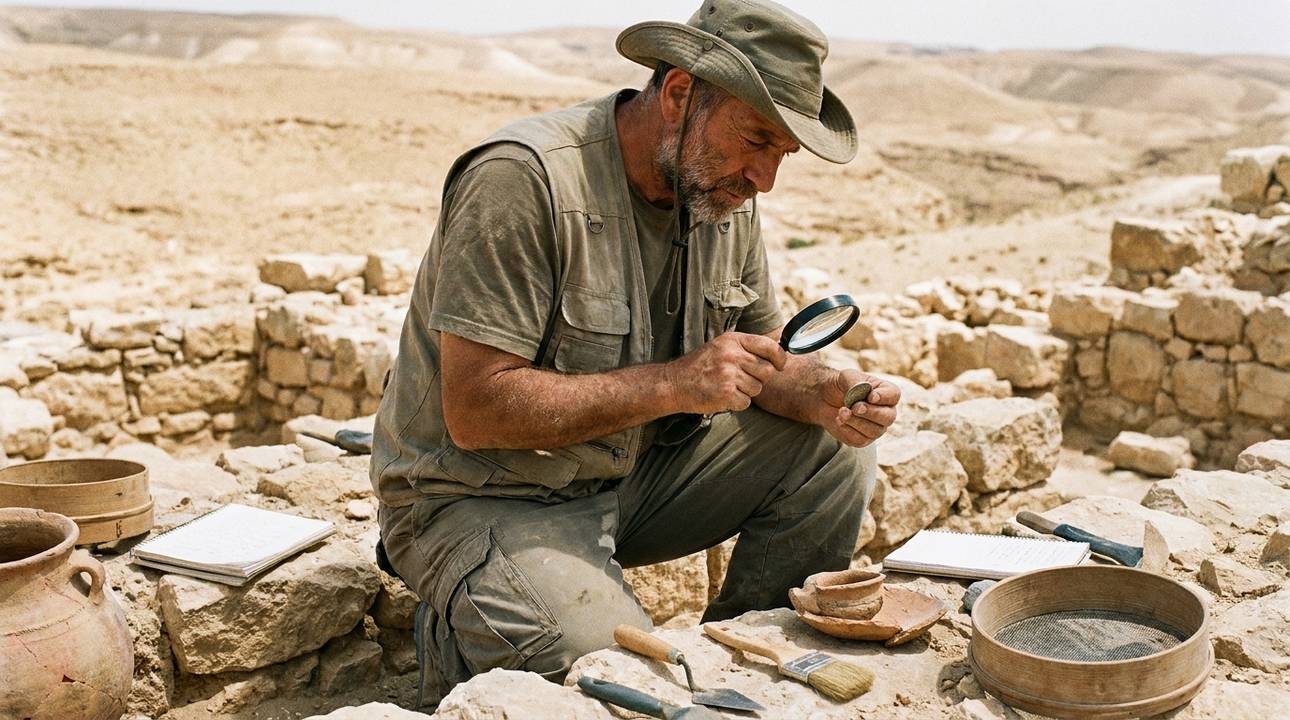
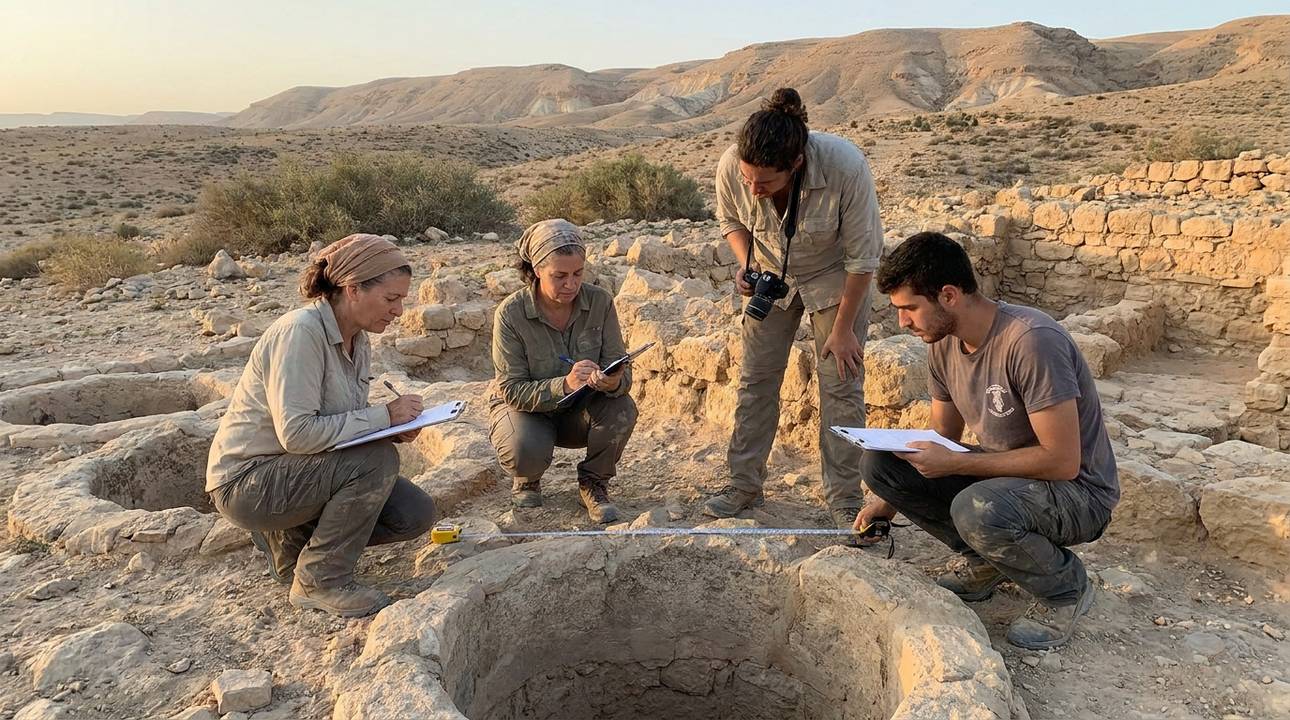
Modern archaeology has uncovered remains believed to be of Maon. Findings include ancient cisterns, walls, and stone structures hinting at its past. These artefacts help reconstruct the daily life and societal structure of the region. The discoveries mesh well with historical texts about pastoral and trade activities. Archaeological exploration continues to shed light on its historical role and legacy. Excavations reveal evidence of agricultural practices, essential for sustaining life in ancient Maon.
The site of Maon offers a glimpse into the ancient world, with findings that align with historical descriptions of the area. The remnants of cisterns and stone structures suggest a community skilled in resource management, crucial for survival in the arid climate of Judah. These discoveries provide valuable context for understanding the narratives associated with Maon and its inhabitants.
The presence of cisterns indicates advanced water management systems, crucial for survival in the arid climate of Judah. These findings align with descriptions of the region’s economy, which relied heavily on livestock and agriculture. The ongoing research at Maon not only enriches our understanding of its historical context but also connects us to the narratives that have shaped the cultural heritage of the area.
Discoveries at Maon, including remnants of ancient walls and agricultural tools, offer insights into the ingenuity of its past inhabitants. These findings suggest a community adept at maximizing limited resources, a necessity in the harsh Judean environment. Such historical context enhances our appreciation of the stories associated with Maon and its people.
Maon’s Legacy in Historical Narratives
Maon’s place in David’s narrative provides key insights into his early leadership. It was a challenging period when he navigated local alliances and resources. These experiences, including those in Maon, laid groundwork for his future as king. The story demonstrates the interplay of leadership, resource management, and diplomacy. David’s bond with areas like Maon informs our understanding of his reign. In 1 Samuel 23, David’s strategic decisions in Maon were pivotal in evading Saul’s pursuit.
The time in Maon, marked by strategic alliances and resource management, showcases leadership qualities. The ability to adapt to the challenges of the region and leverage local support was crucial in historical narratives. The accounts of Maon highlight the importance of strategic thinking and diplomacy, lessons that remain relevant for leaders today.
This period of David’s life was marked by his ability to forge alliances and manage limited resources effectively. His interactions with the people of Maon and surrounding areas demonstrated his skill in building trust and loyalty, qualities that would later define his kingship. The lessons from Maon highlight the importance of adaptability and foresight in leadership, offering timeless insights into the qualities needed to guide and inspire others. David’s strategic acumen is evident in 1 Samuel 23.
David’s experiences in Maon, including his dealings with Nabal and Abigail, reveal his diplomatic prowess and ability to navigate complex social landscapes. These interactions were crucial in establishing his reputation as a wise and capable leader. The alliances he formed during this time provided a foundation for his future reign, showcasing the enduring value of strategic relationships in leadership.
What Can We Learn from Maon Today?
Maon offers insights into ancient socio-political climates. The narrative teaches the importance of wise communication and conflict resolution. It highlights human adaptability in challenging environments. These lessons remain relevant, inspiring us to handle current dilemmas wisely. The lessons of Maon resonate through time, reminding us of the enduring values of integrity. Abigail’s intervention prevented bloodshed, exemplifying diplomacy.
The stories from Maon, particularly those involving Abigail, emphasize the power of individual action in effecting change. Her ability to navigate a potentially volatile situation with grace and intelligence serves as a model for effective leadership. The accounts from Maon are still remembered by modern readers, offering valuable lessons on the importance of communication and understanding in resolving conflicts.
Her actions in Maon underscore the power of timely and thoughtful communication. The socio-political dynamics of the time required leaders to navigate complex relationships, a skill that remains vital today. Maon’s stories serve as a reminder of the importance of maintaining peace and understanding in our interactions, encouraging us to reflect on how we can apply these lessons in modern contexts. Abigail’s intervention in 1 Samuel 25 prevented bloodshed, demonstrating diplomacy and wisdom.
The narrative of Abigail in Maon illustrates the effectiveness of strategic communication in conflict resolution. Her ability to act swiftly and wisely not only saved lives but also earned her a place of honor in historical narratives. This story from Maon reminds us that even in challenging situations, thoughtful actions can lead to peaceful outcomes, a lesson that resonates with today’s leaders.
Maon in the Present
Present-day Maon is recognized for its historical past and residual cultural role. The site is a point of learning for archaeologists and historians alike. Interest in such locations reveals the broader human fascination with roots and origins. It stands as a sign of the narratives that have shaped collective identity. Engagement with Maon’s history promotes understanding of ancient worlds. The ongoing archaeological work helps piece together the historical puzzle of Maon’s past.
This engagement not only enriches our knowledge of the region’s history but also deepens our connection to the stories and traditions that have been passed down through generations. By exploring Maon, we gain insights into the daily lives of those who lived there, their challenges, and their triumphs. This understanding fosters a greater appreciation for the cultural and historical tapestry that continues to influence our lives today.
The stories from Maon, such as those involving David and Abigail, offer a window into the ancient world, providing context for the historical texts. These narratives, supported by archaeological findings, allow us to visualize the lives of people who shaped history. Engaging with Maon’s past enriches our understanding of the historical era and its enduring impact on our cultural heritage.
Conclusion: the Impact of Maon
Maon’s impact is multifaceted, contributing richly to historical and cultural narratives. Its role in leadership stories highlights key themes of leadership and decision-making. It remains a significant study point for scholars and archaeologists. Understanding Maon helps in comprehending the larger historical context. This enhances the narrative of leadership journeys and the cultural milieu of the time.
Findings in Maon, such as ancient cisterns and stone structures, provide tangible links to its historical past. These discoveries help scholars piece together the daily lives of its inhabitants and their interactions with figures of influence. The region’s strategic location near trade routes likely influenced its economic and political dynamics during the historical era.
Historical Context
