
Understanding Gibeah in the Bible

Gibeah, a significant location in historical texts, serves as a focal point for various pivotal events. Known for its connections to early leadership, Gibeah stands out for its historic and narrative relevance.
Gibeah is mentioned as a notable hometown, highlighting its importance as a royal city. The site is also linked to the tragic events in historical texts, marking it as a place of both leadership and moral lessons.
This duality is reflected in the archaeological findings at the site.
The artifacts and structures uncovered at Gibeah provide a tangible link to these historical stories, showing the daily life and governance of the time. The city’s strategic location, just a few miles north of Jerusalem, contributed to its historical importance. This proximity allowed Gibeah to serve as a key military and administrative center, influencing the region’s political landscape. The combination of narratives and archaeological evidence paints a comprehensive picture of Gibeah’s role in early history.
What Is Gibeah?
Gibeah, often referenced in historical texts, is primarily identified with early leadership. Situated in the territory of Benjamin, it holds significant historical and narrative roles.
Gibeah served as the capital during a notable rule, bearing witness to many significant accounts, including anointing by a prophet.
Located just a few miles north of Jerusalem, its strategic position contributed to its historical importance, offering a vantage point for defense and governance.
The archaeological findings at Gibeah, such as fortifications and domestic structures, support the historical accounts of its significance. These discoveries provide valuable insights into the city’s role as a center of power and governance in early history.
By examining the artifacts and structures at Gibeah, scholars can better understand the socio-political and cultural dynamics of the time, contributing to a more comprehensive understanding of the region’s history and its impact on narratives.
The Historical Context of Gibeah
The city’s importance is highlighted by its role in the narrative of a tragic story in historical texts. This event led to a devastating conflict among the tribes, resulting in a near annihilation of a tribe.
The incident reflects the complexities and societal conflicts of the time, showcasing Gibeah’s place in history as both a physical location and as a narrative setting. It serves as a poignant reminder of the moral and social challenges faced by the people of the time.
Gibeah’s Role Under Early Leadership
The first leader established his capital at Gibeah. The city’s association with early leadership marks it as a notable royal residence. Here, a modest fortress was built that served as the kingdom’s nerve center.
The establishment of the court at Gibeah underscores its role in the unification of the tribes under a centralized monarchy, providing a backdrop for political and military efforts, including battles against adversaries.
Gibeah’s strategic location made it an ideal choice for a capital, allowing effective management of the kingdom and defense against external threats. The archaeological remains of fortifications and domestic structures at the site support the accounts of its significance.
The evidence we have helps us understand the city’s role in the early monarchy and its impact on the region’s history. Gibeah’s legacy as a center of power and governance continues to be a focal point for scholars studying early history.
Archaeological Discoveries in Gibeah
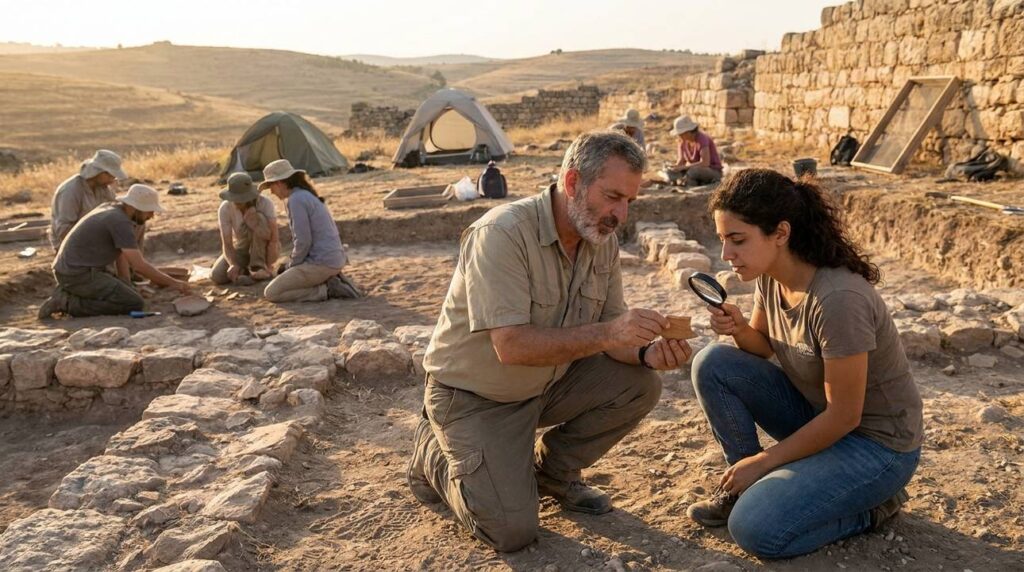
Archaeological excavations have unearthed remains at Tell el-Ful, believed to be the historical Gibeah. The discoveries include fortifications attributed to the period of early leadership, who reigned around 1020-1000 BCE. The artifacts and structures provide tangible evidence of the historical Gibeah, aligning with narratives and showing its past lifestyle and socio-political structure. The site has yielded pottery shards and remnants of buildings, reflecting the daily life and military significance of the city.
Gibeah in Historical Texts
Gibeah is intricately woven into various historical stories. Its mention in the Book of Samuel describes early leadership’s reign while Judges document its darker episodes. Gibeah is emphasized as a royal residence.
Meanwhile, Judges recounts the civil strife following an incident, illustrating Gibeah’s duality as a site of both regal authority and social turmoil. This duality is reflected in the archaeological findings, which reveal both grandeur and conflict.
The city’s narrative complexity is further highlighted by its association with significant historical events. Gibeah’s role in these stories underscores its importance in shaping the perceptions and legacy of this ancient city. The tales of leadership and conflict found in historical texts are mirrored in the physical remnants uncovered by archaeologists. The evidence provides a tangible connection to the past, allowing us to better understand the historical and cultural role of Gibeah in the narrative.
Gibeah’s Legacy and Significance
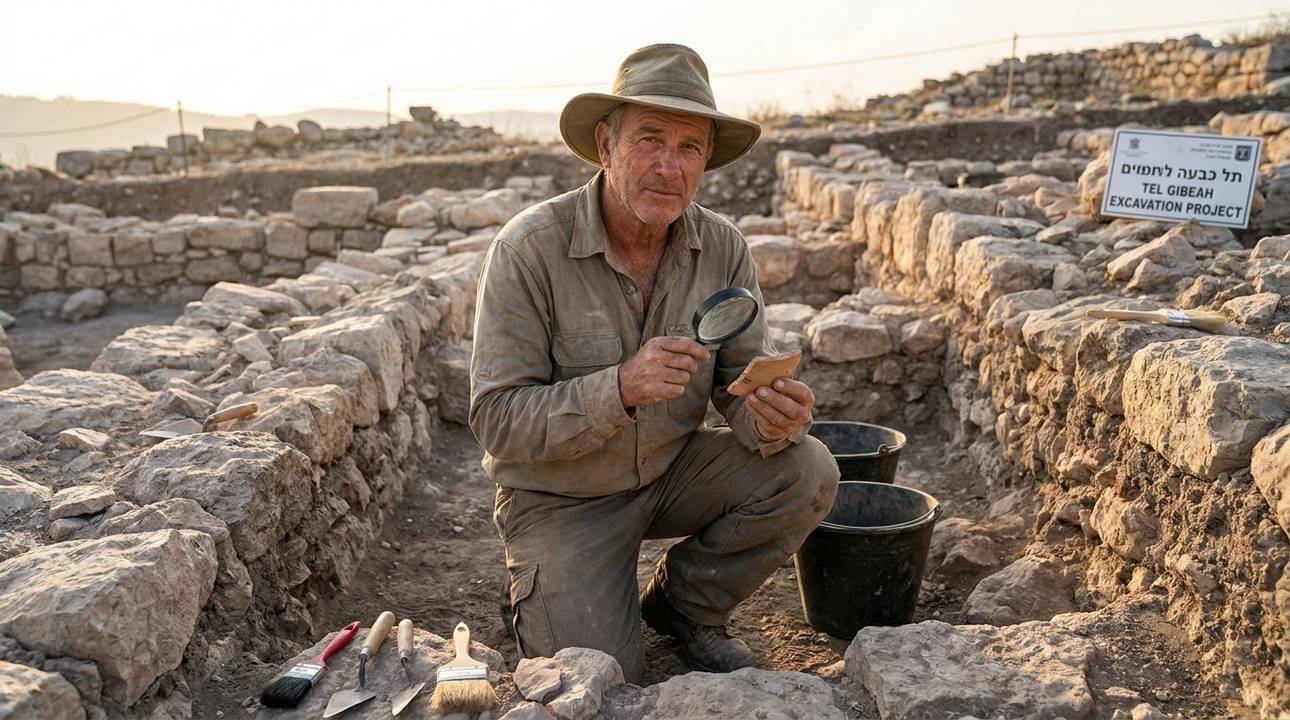
Despite its decline, Gibeah’s legacy endures through narrative and archaeological study. It remains a significant point of reference for understanding early history and societal dynamics. Discoveries such as pottery and fortifications from the Iron Age provide a glimpse into the life and times of its inhabitants. The archaeological evidence helps reconstruct the socio-economic and cultural landscape of the period, showing the daily lives and challenges faced by the people of Gibeah.
The stories and historical findings entwine to offer a richer perspective of Gibeah’s place within the lands of historical texts, illustrating its once important role in early monarchy. The city’s dual identity as both a center of power and a site of conflict is reflected in both the narratives and the archaeological evidence. This combination of sources provides a comprehensive understanding of Gibeah’s significance in early history, contributing to the broader discourse on history and archaeology.
Key Events Linked to Gibeah
Major events in Gibeah include the coronation and acts of early leadership and the tragic incident involving a concubine. These occurrences are pivotal in narratives of leadership, justice, and intervention. Historical texts detail military exploits starting from Gibeah, while other texts highlight the societal chaos following the story. Their recounting within historical texts highlights Gibeah’s complexity, adding depth to its historic and cultural role. The city’s dual role as a center of power and a site of conflict is evident in these narratives.
The archaeological evidence from Gibeah further illuminates these accounts, providing a fuller picture of the city’s role in early history. The remnants of fortifications and domestic structures suggest a city that was both a strategic military site and a bustling urban center.
When combined with the narratives, this evidence offers a richer understanding of Gibeah’s place in history. The city’s story is one of both power and tragedy, reflecting the broader themes of leadership and morality in historical texts.
Gibeah in Modern Interpretation
In modern scholarship, Gibeah is often studied as a case of narrative intersecting with archaeological evidence. The city serves as an entry point for discussing archaeology and history.
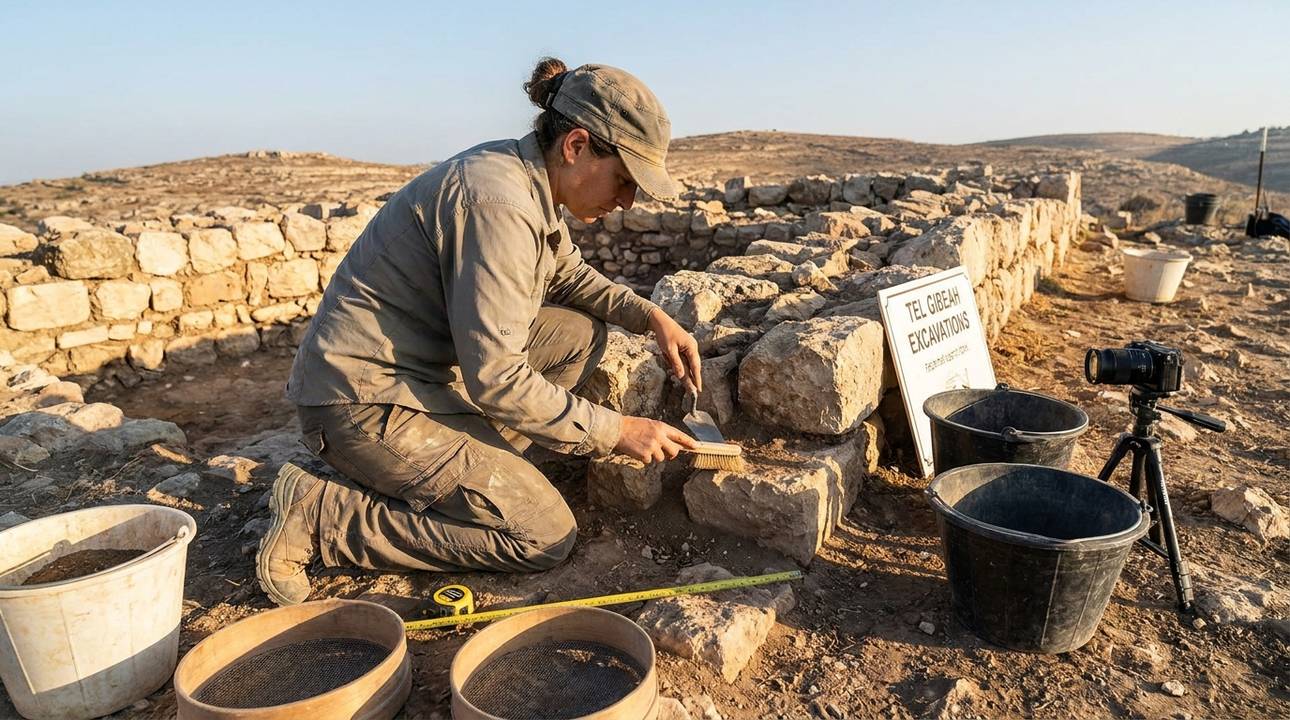
Archaeologists have uncovered remnants of fortifications and domestic structures, which align with accounts of its strategic importance. For instance, the fortifications are consistent with descriptions where troops were stationed.
The discoveries enrich the discourse on historical locations today, providing a nuanced view of early history.
It offers a complex picture balancing ancient texts with modern findings, enriching the discourse on historical locations today. The discoveries at Gibeah allow scholars to explore the interactions between historical events and their narratives.
This intersection is crucial for understanding the broader context of history.
By examining the archaeological evidence alongside narratives, researchers gain insights into the socio-political and cultural dynamics of the era, contributing to a more comprehensive understanding of the region’s past.
Present-Day Relevance of Gibeah
Presently, the site of Gibeah is a focal point for archaeological and historical study. It helps scholars interpret ancient lifestyle and governance within the land of Israel. Excavations have revealed structures believed to be from the time of early leadership, showing the architectural styles and daily life of the period. The remains include fortifications and domestic buildings, which align with descriptions found in historical texts. This evidence allows historians to reconstruct aspects of ancient society and governance.
Gibeah stands as a sign of past narratives, contributing to the broader understanding of Israel’s historical landscape. The site has yielded artifacts such as pottery and tools, which provide a glimpse into the daily lives of its inhabitants. These discoveries are crucial for piecing together the socio-political dynamics of the time. As scholars continue to explore Gibeah, it remains a vital link between the text and tangible history, enhancing our comprehension of early culture and governance.
Conclusion: Gibeah’s Impact on Jewish History
Gibeah’s references and finds continue to shed light on early society. It acts as a bridge between ancient texts and tangible history, informing the story of a land deeply interwoven with cultural memory.
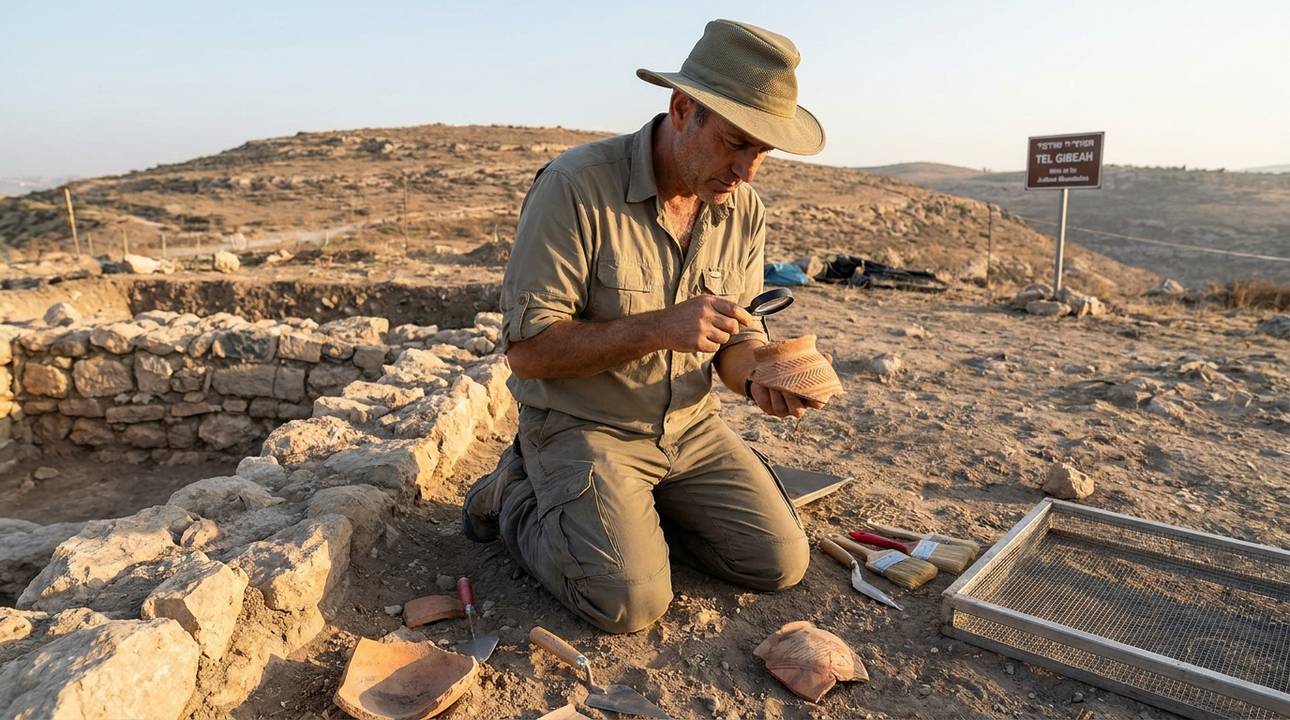
Artifacts such as pottery shards and tools found at the site provide context to the daily lives of its inhabitants.
These discoveries offer valuable insights into the socio-economic and cultural dynamics of the time, contributing to a more comprehensive understanding of Israel’s heritage and the historical context of early leadership’s reign.
The ongoing study of Gibeah ensures its continued relevance in both academic works. The site’s archaeological finds complement the narratives, offering a fuller picture of the city’s role in early history. By examining these artifacts alongside the accounts, scholars can better understand the interactions between historical events and their cultural role. Gibeah remains a key location for exploring the complexities of early society and its legacy.
Understanding Gibeah
